Day: February 25, 2026

Manuel Antonio

Is Manuel Antonio Good for Families? What Parents Should Know

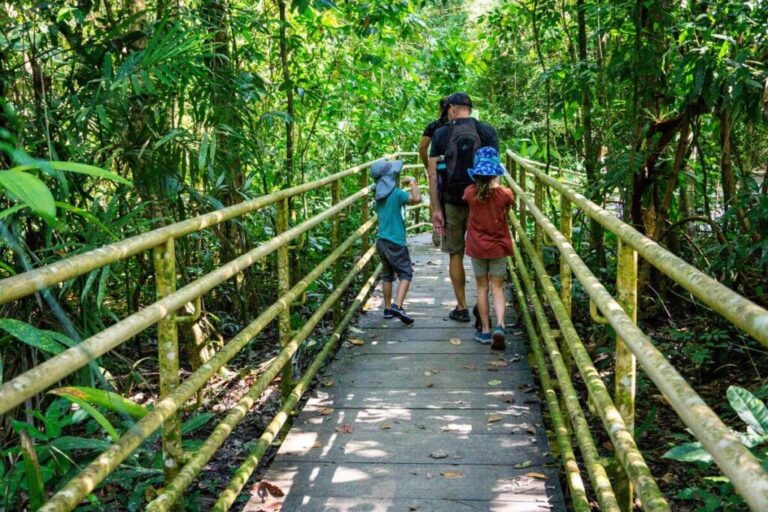
If you’re planning a Costa Rica vacation with children, you may be wondering: is Manuel Antonio good for families? For many families, the answer is yes. The destination combines tropical wildlife, beaches, comfortable accommodations, and organized activities within a relatively small area. However, Manuel Antonio isn’t effortless to explore with kids. The hillside roads are steep, ocean conditions vary, and some national park trails are unsuitable for strollers. During busy travel periods, crowds can also affect the experience. With the right hotel and a flexible itinerary, families can enjoy rainforest walks, wildlife encounters, and relaxed beach days without traveling to remote parts of Costa Rica. This guide explains what parents should expect when visiting Manuel Antonio with babies, toddlers, school-age children, or teenagers. Where Is Manuel Antonio, and Is It Easy to Reach with Kids? Manuel Antonio sits on Costa Rica’s Central Pacific coast, next to the town of Quepos. Hotels, restaurants, and vacation rentals stretch along a forested hillside leading toward Manuel Antonio National Park. Unlike remote coastal destinations, the area has established tourism services. Quepos also provides supermarkets, pharmacies, banks, and other practical facilities. Getting from San José Airport to Manuel Antonio Juan Santamaría International Airport (SJO) is near Alajuela, outside downtown San José. The road journey to Manuel Antonio generally takes around three to four and a half hours. However, traffic, rain, and holiday congestion can increase travel times. Families should also allow time for immigration, baggage collection, and transportation pickup after landing. Best Transportation Options for Families A rental car offers flexibility for meals, excursions, and unexpected stops. However, parents must consider insurance costs, parking, and driving conditions. Private transfers are another convenient option, especially with young children or substantial luggage. Before booking, confirm whether suitable child seats are available. Shared shuttles may cost less, although fixed schedules and multiple stops can be inconvenient. Public transportation is possible, but connections between SJO, San José, Quepos, and Manuel Antonio require additional planning. Getting Around Manuel Antonio with Children Manuel Antonio’s main road winds through steep hills. Sidewalks are limited in some areas, and walking distances can be misleading. A hotel that appears close to a restaurant may still require a demanding uphill walk. Therefore, families should check transportation options before choosing accommodation. Manuel Antonio National Park with Kids The national park is one of the strongest reasons to visit Manuel Antonio with children....

4,404 words Updated Oct 2026
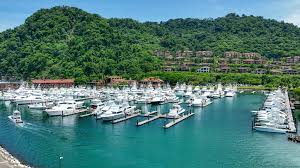
Manuel Antonio

Do You Need a Guide for Manuel Antonio National Park?

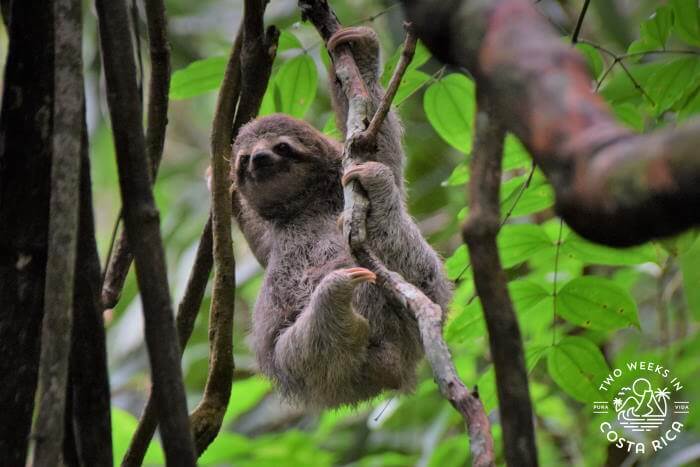
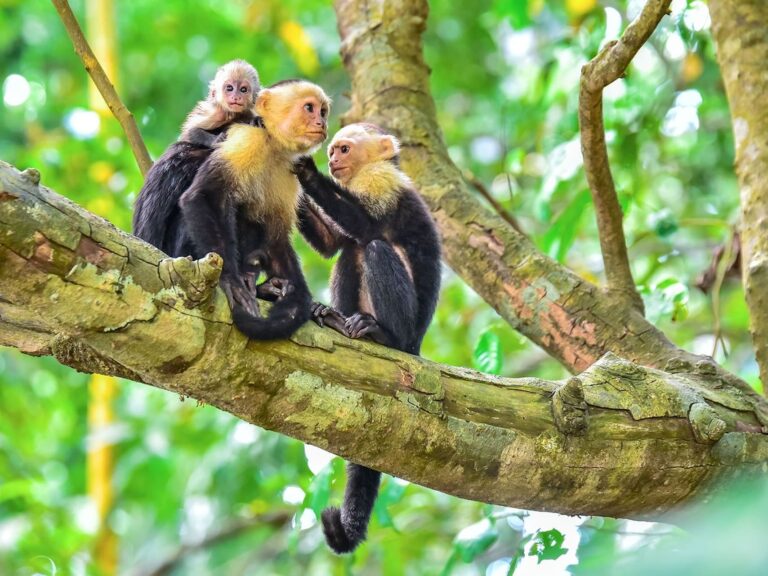
Do you need a guide for Manuel Antonio National Park? No. Visitors can explore the park independently without booking a guided tour. However, hiring a knowledgeable naturalist guide can be worthwhile if wildlife observation is your main priority. Manuel Antonio National Park combines tropical forest, coastal trails, and beaches near Quepos on Costa Rica’s Central Pacific coast. You can walk its designated paths, look for animals, and enjoy the scenery at your own pace. Alternatively, a guide can help identify wildlife that might otherwise go unnoticed. The best choice depends on your budget, interests, and experience observing tropical animals. This guide compares both options, explains the costs to consider, and offers practical advice for planning your visit. Understanding Manuel Antonio National Park The park protects coastal rainforest and beaches just outside the main Manuel Antonio tourism area. Although it covers a relatively small area compared with some Costa Rican national parks, its varied habitats support numerous wildlife species. Visitors can explore designated trails and reach beaches within the protected area. However, the experience depends on which routes you choose and how much time you have. Wildlife You Might See White-faced capuchin monkeys, howler monkeys, and Central American squirrel monkeys inhabit the park. Visitors may also encounter sloths, iguanas, basilisk lizards, and tropical birds. However, wildlife sightings are unpredictable. Some animals remain high in the canopy, while others blend into vegetation. Even experienced observers cannot guarantee a particular sighting. Trails and Accessibility Manuel Antonio has established visitor trails, including the Sendero Perezoso area and the Punta Catedral route. However, the trails are not uniformly flat. Some sections involve steps, slopes, or uneven surfaces. Visitors with mobility limitations should check current accessible routes before arrival. You do not need technical hiking experience for many of the main visitor paths, but suitable footwear is helpful. National Park Opening Hours and Tickets The park generally operates Wednesday through Monday and closes on Tuesdays. Its published regular hours are 7:00 a.m. to 3:00 p.m. Visitors should purchase admission through the official SINAC online ticketing system. Because operating rules can change, confirm the schedule and visitor restrictions before your trip. Park admission and guided tour fees are separate unless your booking explicitly includes both. Can You Visit Manuel Antonio National Park Without a Guide? Yes. A self-guided visit is a practical option for travelers who prefer exploring independently. What a Self-Guided Visit Looks Like...

3,656 words Updated Oct 2026
Manuel Antonio

How to Get to Manuel Antonio from San José Airport (SJO)

Planning how to get to Manuel Antonio from San José Airport is an important part of organizing your Costa Rica vacation. Manuel Antonio lies on the Central Pacific coast near Quepos, approximately 160–180 kilometers (99–112 miles) from Juan Santamaría International Airport (SJO), depending on your accommodation and route. Most travelers reach Manuel Antonio by rental car, shared shuttle, or private transfer. However, domestic flights to Quepos and public buses offer alternatives for visitors with different budgets and schedules. The journey by road typically takes around three to four and a half hours. Nevertheless, traffic, weather, and airport arrival procedures can affect your total travel time. This guide compares transportation options, explains the main driving route, and helps you choose the most practical way to reach Manuel Antonio. Understanding the Route from SJO to Manuel Antonio Juan Santamaría International Airport is located near Alajuela, northwest of downtown San José. Therefore, travel times from the airport differ from those starting in the city center. Distance from San José Airport to Manuel Antonio The journey from SJO to Manuel Antonio is approximately 160–180 kilometers by road. However, the exact distance depends on your destination. Quepos is closer than some accommodations farther along the Manuel Antonio hillside road. Likewise, reaching the national park entrance may require additional driving beyond central Quepos. How Long Does It Take to Drive? Under favorable conditions, the drive can take approximately three to three and a half hours. However, allowing three to four and a half hours is more practical for trip planning. Traffic around the Central Valley, road construction, heavy rain, and holiday congestion can increase journey times. Main Driving Route: Route 27 and Route 34 The usual route follows Route 27 west toward Costa Rica’s Pacific coast. Drivers then connect with Route 34, also called Costanera Sur, and continue south toward Quepos. From Quepos, the road climbs toward Manuel Antonio’s hotels, beaches, and national park area. Navigation applications can help identify current traffic conditions and road restrictions. Road Conditions and Tolls The principal highways between SJO and Manuel Antonio are paved. However, some smaller access roads near accommodations or inland attractions may have different surfaces....

4,531 words Updated Oct 2026
Manuel Antonio

Is Manuel Antonio Worth It? An Honest Costa Rica Travel Guide

If you’re planning a trip to Costa Rica, is Manuel Antonio worth it? For many travelers, the answer is yes. This Central Pacific destination combines rainforest wildlife, scenic beaches, and established tourism services within a relatively small area. However, its popularity, prices, and steep terrain may not suit everyone. Manuel Antonio is particularly appealing to first-time visitors who want to explore tropical forests without traveling deep into remote regions. Families and couples also appreciate the range of accommodations and organized activities. Still, travelers seeking solitude, extensive surfing, or a quieter coastal community may prefer another destination. This guide examines what makes Manuel Antonio worth visiting, where it falls short, and how to decide whether it belongs on your Costa Rica itinerary. Where Is Manuel Antonio, Costa Rica? Manuel Antonio lies on Costa Rica’s Central Pacific coast in Puntarenas Province, just south of Quepos. The area includes forested hillsides, beaches, hotels, restaurants, and the entrance to Manuel Antonio National Park. Unlike a traditional beach town, Manuel Antonio does not have one compact commercial center. Instead, accommodations and businesses stretch along a winding road connecting Quepos with the national park area. How Far Is Manuel Antonio from San José? Manuel Antonio is approximately 160–180 kilometers (99–112 miles) from the San José airport area by road, depending on the route and starting point. From Juan Santamaría International Airport (SJO), allow roughly three to four and a half hours for the drive. Traffic, weather, and holiday congestion can increase travel time. Rental cars, private transfers, shared shuttles, and public transportation provide different ways to reach the destination. Is Manuel Antonio Easy to Get Around? Getting around requires some planning because the main road climbs through steep hills. Although some hotels sit near restaurants or beaches, others require transportation for everyday activities. Local buses connect Quepos with the Manuel Antonio area. Taxis and organized tour transfers provide additional options. However, travelers with mobility limitations should carefully review accommodation access, walking distances, and trail conditions before booking. What Is Manuel Antonio Really Like? Manuel Antonio combines tropical vegetation with a developed tourism environment. Hotels and restaurants occupy forested hillsides, while coastal viewpoints overlook the Pacific Ocean. Nearby Quepos provides supermarkets, pharmacies, banks, and other services. Wildlife can appear outside protected areas, particularly where forest habitat remains. However, sightings vary and should never be expected at every accommodation. The atmosphere is generally more relaxed than Jacó’s nightlife-oriented town center. Still, Manuel Antonio is not an isolated wilderness destination. Popular beaches, busy roads, and tourism businesses are part of the experience. For visitors who appreciate nature alongside restaurants and comfortable accommodations, this balance can be a significant advantage. Reasons Manuel Antonio Is Worth Visiting...

3,917 words Updated Oct 2026
Manuel Antonio

Manuel Antonio vs Jacó: Which Should You Visit?

Choosing between Manuel Antonio vs Jacó comes down to the kind of Costa Rica vacation you want. Both destinations sit along the Central Pacific coast, offering beaches, restaurants, accommodations, and outdoor activities. However, their landscapes and atmosphere are noticeably different. Manuel Antonio is known for its rainforest-covered hills, wildlife viewing, and national park beaches. Jacó offers a flatter, more developed beach town with established surfing opportunities, restaurants, and a livelier nightlife scene. Neither destination is automatically better. Manuel Antonio generally suits travelers prioritizing nature and coastal scenery, while Jacó appeals to visitors seeking surfing, walkability, and shorter travel times from San José. This comparison covers the practical differences, including beaches, wildlife, accommodations, transportation, and costs.  Manuel Antonio vs Jacó: Quick Comparison Category Manuel Antonio Jacó Atmosphere Rainforest and coastal scenery Developed surf town Beaches Public and national park beaches Long, open surf beach Wildlife National park and surrounding forest Nearby protected areas Surfing Available at selected beaches Established surf destination Nightlife Generally relaxed...

4,172 words Updated Oct 2026
Manuel Antonio

How to Spend 5 Days in Manuel Antonio: Wildlife, Beaches, and Pacific Sunsets

Spending 5 days in Manuel Antonio gives you time to explore one of Costa Rica’s most appealing coastal regions without filling every hour with activities. Located on the Central Pacific coast near Quepos, Manuel Antonio combines tropical rainforest, wildlife, beaches, and outdoor adventures within a relatively compact area. A well-planned Manuel Antonio itinerary can include a national park visit, mangrove exploration, a coastal boat trip, and several relaxed afternoons by the ocean. Moreover, the region offers accommodations ranging from simple guesthouses to upscale rainforest resorts. This five-day plan balances exploration with downtime. It includes arrival and departure days, so travelers with late flights or early departures may need to adjust the schedule. Before Your 5-Day Manuel Antonio Itinerary A little preparation makes it easier to enjoy your stay. Transportation, accommodation location, and national park reservations deserve attention before arrival. How to Get to Manuel Antonio Manuel Antonio is near Quepos, approximately 160–180 kilometers (99–112 miles) by road from the San José area, depending on your starting point. From Juan Santamaría International Airport (SJO), allow approximately three to four and a half hours for a direct road journey. Traffic, weather, and holiday congestion can extend the trip. Travelers can rent a car, arrange a private transfer, book a shared shuttle, or use public transportation. However, shared shuttles and buses may take longer because of schedules and additional stops. Do You Need a Rental Car? A rental car provides flexibility, particularly if you plan to explore beaches or attractions outside the main hotel corridor. However, it is not essential for this itinerary. Local buses, taxis, and organized tours provide alternatives. Manuel Antonio has steep hills, so walking distances can be more demanding than they appear on a map. Consequently, accommodation location matters when traveling without a vehicle. Where to Stay for Five Days The Manuel Antonio hill road offers convenient access to restaurants, hotels, and transportation. However, individual properties vary in their proximity to beaches and the national park. Hotels near the park entrance may simplify an early visit. Meanwhile, Quepos provides supermarkets, restaurants, and other services. Travelers seeking upscale accommodations can compare Arenas del Mar Beachfront & Rainforest Resort, Parador Nature Resort & Spa, and Gaia Hotel & Reserve. Other established accommodation options include The Falls Resort at Manuel Antonio and Shana by the Beach. Before booking, confirm the property’s location, transportation arrangements, accessibility, and current amenities. Day 1: Arrival, Orientation, and Pacific Sunset Your first day should be relaxed, especially if you are arriving after an international flight. Afternoon: Check In and Explore Your Surroundings...

4,283 words Updated Oct 2026
Manuel Antonio

Manuel Antonio National Park Guide

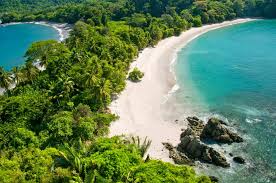
Manuel Antonio National Park combines tropical rainforest, Pacific beaches, and wildlife viewing in one relatively compact protected area. Located near Quepos on Costa Rica’s Central Pacific coast, the park attracts visitors hoping to see monkeys, sloths, tropical birds, and coastal scenery without traveling deep into remote wilderness. However, visiting requires more preparation than simply arriving at the entrance. Tickets must be arranged through the official reservation system, visitor rules limit what you can bring, and popular dates can fill quickly. Trails also vary in difficulty, while beach conditions change with weather and surf. This Manuel Antonio National Park guide explains how to plan your visit, choose walking trails, understand entrance requirements, and decide whether to hire a naturalist guide. It also covers nearby accommodations, transportation, seasonal weather, and practical tips for families and independent travelers. Where Is Manuel Antonio National Park? The park sits just outside Quepos, in Puntarenas Province. Quepos serves as the area’s commercial center, with supermarkets, banks, restaurants, and Marina Pez Vela. Between Quepos and the national park, a winding hillside road passes hotels, restaurants, viewpoints, and vacation rentals. This corridor is commonly called Manuel Antonio. The park entrance lies near the southern end of this road, beyond the main public beach area of Playa Espadilla Norte. Getting to Manuel Antonio from San José From San José or Juan Santamaría International Airport (SJO), the road journey generally takes around three to four and a half hours. Traffic, weather, and your exact departure point can extend the trip. The common driving route follows Route 27 toward the Pacific coast before joining Route 34 south toward Quepos. Travelers can rent a car, arrange a private transfer, book a shared shuttle, or use public buses. Domestic flights to Quepos may also be an option when scheduled services operate. Manuel Antonio National Park Tickets and Entrance Fees Planning your admission is one of the most important parts of visiting the park. How to Buy Manuel Antonio National Park Tickets The official ticketing channel is the SINAC online reservation system. Visitors should select Manuel Antonio National Park, choose their intended date and available entry time, and complete the reservation using the required identification details. Keep your confirmation accessible when arriving at the entrance. Additionally, bring the identification document associated with your booking. Do not depend on purchasing admission from people approaching visitors near the park. Use the official reservation system rather than unofficial ticket sellers. Manuel Antonio National Park Entrance Fees Admission prices depend on visitor residency and age. The park has traditionally used different rates for nonresidents and Costa Rican residents, with separate categories for children and applicable exemptions. Because entrance fees can change, confirm the exact amount in the official reservation system before paying. The booking process should display the applicable admission category and final charge....

4,883 words Updated Oct 2026
Manuel Antonio

How to Get to Manuel Antonio from San Jose

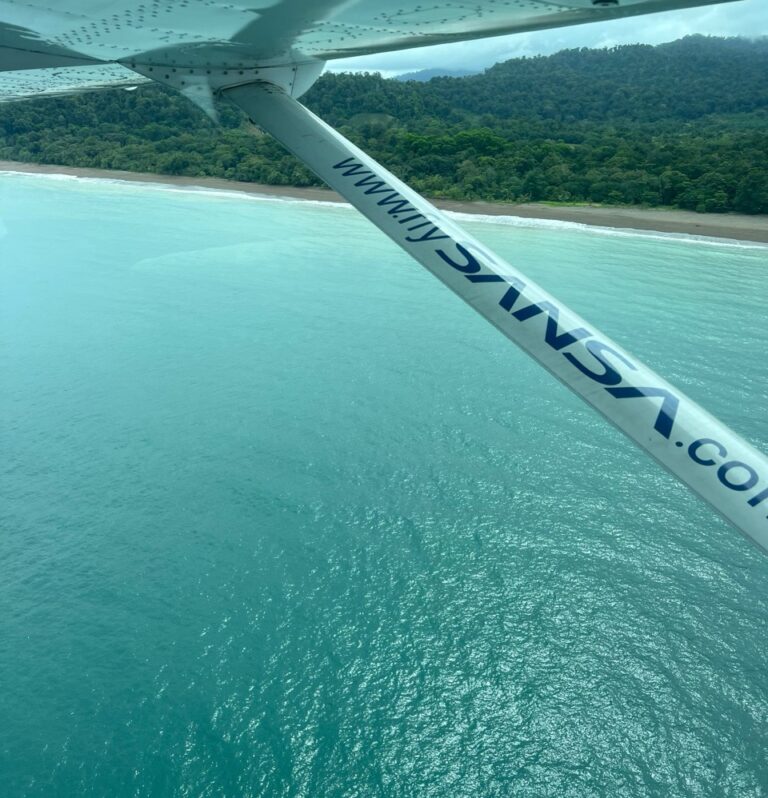
Planning how to get to Manuel Antonio from San Jose is an important part of any Costa Rica itinerary. Manuel Antonio sits on the Central Pacific coast, near the town of Quepos. Visitors come for its rainforest, wildlife, beaches, and national park. However, reaching the area requires some planning, especially after an international flight. Most international travelers arrive at Juan Santamaría International Airport (SJO), near Alajuela. The airport is outside downtown San José, which matters when comparing transportation routes and pickup locations. You have five main ways to reach Manuel Antonio: rental car, private transfer, shared shuttle, domestic flight to Quepos, or public bus. Each has advantages depending on your budget, luggage, arrival time, and travel plans. A rental car provides independence. Private transfers offer direct service without driving. Shared shuttles balance convenience and cost, while public buses are usually the cheapest choice. Domestic flights can shorten the journey, although airport connections may reduce the time saved. San Jose to Manuel Antonio: Distance and Travel Time Manuel Antonio is roughly 160–180 kilometers (99–112 miles) from the San José metropolitan area by road, depending on your starting point and destination. For planning purposes, allow approximately three to four and a half hours for a direct road journey under ordinary conditions. Traffic, heavy rain, roadworks, and holiday congestion can extend that time. The distance also changes depending on whether you start in downtown San José, SJO Airport, or another part of the Central Valley. Quepos is closer than the national park area, so your hotel’s exact location matters. Is Manuel Antonio Close to SJO Airport? Manuel Antonio is not particularly close to SJO Airport. It is farther along the Central Pacific coast than Jacó. Nevertheless, same-day travel is practical for many visitors arriving in the morning or early afternoon. The important consideration is how much time you need for immigration, baggage collection, and transportation pickup. What Is the Fastest Way to Reach Manuel Antonio? A domestic flight to Quepos has the shortest airborne travel time when scheduled service is available. However, it does not automatically provide the shortest door-to-door journey. You must account for airline check-in, baggage procedures, departure schedules, and the transfer from Quepos Airport to your accommodation. A private road transfer may be faster overall when flight connections are inconvenient. San Jose to Manuel Antonio: Transportation Comparison Transportation Approximate travel time Cost structure Best for Rental car 3–4.5+ hours...

6,016 words Updated Oct 2026