Tamarindo, Guanacaste, is the most convenient “beach town with training wheels”: you get surf, sunsets, restaurants, tours, and walkability—without sacrificing access to groceries, pharmacies, and reliable transportation options. It’s lively, English-friendly, and easy to plug into for a long weekend or a multi-week stay—especially for families, solo travelers, and anyone who likes adventure with a soft landing.
What makes Tamarindo work is its geography. You’re based on a long, swimmable bay, with quick access to quieter beaches and wildlife areas nearby. You can surf in the morning, take a sunset catamaran in the afternoon, and still be back in time for dinner and a short walk home.
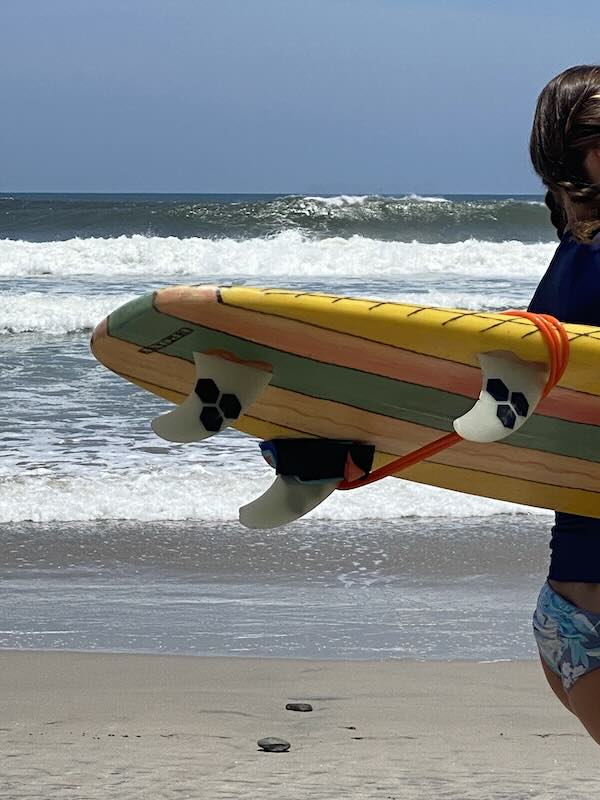
Tamarindo Guanacaste Overview
Tamarindo is a beach hub with real infrastructure: a strong tourism economy, plenty of lodging styles, and enough services that you won’t feel stranded. It’s also a launchpad for the surrounding coast—Playa Langosta, Playa Grande, Hacienda Pinilla, Avellanas, Conchal, Flamingo, and beyond.
What Tamarindo is not: a sleepy fishing village or a hidden gem. It’s popular for a reason, and you’ll feel that in peak season. If you want a quieter vibe but still want Tamarindo’s convenience, you’ll likely prefer staying just outside town (Langosta, Grande, or the hills toward Villarreal).
Tamarindo Guanacaste Essentials
Grocery stores in Tamarindo
Tamarindo’s best-known full-service supermarket is Auto Mercado Tamarindo—good selection, imported items, solid produce, and the easiest “one stop” option for families. There are also smaller markets, minisupers, fruit stands, and specialty shops around town, but Auto Mercado is the “set it and forget it” choice when you just want to stock the fridge.
Pro tip: If you’re arriving late, buy breakfast basics first (fruit, yogurt, coffee, eggs) so your first morning isn’t a scavenger hunt.
Pharmacies and medical basics
Tamarindo has multiple pharmacies; one well-known option is Farmacia Tamarindo, which also notes access to a medical office and travel essentials like sun protection and repellant.
Bring any specialty prescriptions in original packaging, but don’t stress the basics—most travelers can find what they need locally.
Neighborhoods: where Tamarindo “feels” different
- Tamarindo Centro (downtown): walkable, close to the beach, restaurants, and nightlife. Loudest and busiest.
- Playa Langosta: a quieter, more upscale extension south of town with a calmer pace and more “boutique” lodging.
- Hills / Tamarindo Heights / toward Villarreal: more space, views, and privacy—often better for families or longer stays (but you’ll need a car or golf cart).
- Nearby alternatives: Playa Grande (across the estuary), Hacienda Pinilla/Avellanas (resort/surf zone).
Nightlife (and what to expect)
Tamarindo nightlife ranges from casual beach bars to late-night spots. It’s social, often loud near downtown, and busiest during high season and holiday weeks. If you’re traveling with kids or want earlier nights, stay in Langosta or slightly inland and you’ll still be close enough to dip in when you want.
How to get to Tamarindo, Costa Rica
Tamarindo is reachable from Liberia (LIR) or San José (SJO). Liberia is usually the easiest for Guanacaste beach trips; San José offers more international flight options and better connections depending on your origin.
Flights from the U.S., Canada, and Europe
- Liberia International Airport (LIR): typically the most convenient gateway for Tamarindo and the Guanacaste coast. Driving time is roughly 1–1.5 hours depending on traffic and exact drop-off. (Rome2Rio)
- San José International Airport (SJO): more long-haul routes and frequent arrivals, but it’s a longer ground transfer—often 4–6 hours depending on traffic and stops. (Pura Vida Traveling)
From Liberia Airport (LIR) to Tamarindo
- Shuttle (shared or private): the easiest “door-to-door” option, especially with luggage or kids. Typical travel time is around 1–2 hours. (Pura Vida Traveling)
- Rental car: great if you want day trips (Pinilla, Avellanas, Conchal, Flamingo). Driving time is about ~1h20m-ish. (Rome2Rio)
- Bus: cheapest, but slower and less convenient with bags. (Rome2Rio)
From San José Airport (SJO) to Tamarindo
- Shuttle (shared/private): comfortable and straightforward, usually ~4–6 hours depending on traffic and route. (Pura Vida Traveling)
- Bus: budget-friendly; routes vary, and you’ll want to double-check schedules for your travel day. (Rome2Rio)
- Rental car: doable, but you need patience for city traffic and mountain driving.
- Domestic flight: SANSA operates flights from San José to Tamarindo (TNO) with a flight time around 50 minutes, which can be a big quality-of-life upgrade. (flysansa.com)
Where to Stay in Tamarindo Guanacaste
Tamarindo’s lodging is unusually varied for a small beach town, which makes it easy to match your trip style.
Best options by travel style
- Boutique hotels in Tamarindo: ideal for couples, wellness travelers, and anyone who wants design + service without resort scale (Langosta is a strong area for this vibe). (OpenCasa)
- Resort hotels near Tamarindo: better for families who want pools, consistent service, and on-site amenities (often just outside the busiest blocks).
- Vacation rentals / private houses in Tamarindo: best for multi-generational trips and longer stays; look for walkability if you don’t want to drive at night.
- Cabinas and budget hotels: simple, local, and practical—especially if your plan is “surf, eat, sleep, repeat.”
- Hostels in Tamarindo: social, great for solo travelers, and usually close to town.
For more see:
Where to Eat in Tamarindo
Food is one of Tamarindo’s strengths because it caters to everyone—from surfers on a budget to families and anniversary dinners.
The easy way to plan meals
- Quick breakfast: bakeries, coffee bars, fruit bowls, egg plates
- Brunch: smoothie bowls, avocado toast, Costa Rican breakfast (gallo pinto)
- Lunch: casados, tacos, fresh fish plates, beach-friendly cafés
- Shakes and smoothies: post-surf classics; easy to find around town
- Casual dinner: wood-fired pizza, ceviche, grilled seafood, burgers
- Fancy dinner: chef-driven spots and seafood-focused dining (book ahead in high season)
If you want a quieter dinner atmosphere, Langosta tends to be calmer than downtown.
Things to Do in Tamarindo
Tamarindo is a “choose your own intensity” destination. You can keep it mellow (yoga + sunset), go full adrenaline (surf + zipline), or mix culture and nature.
High-intent activities worth building posts around
- Surf lessons in Tamarindo: beginner-friendly waves, lots of reputable schools
- Playa Langosta surfing: a quieter alternative with a different feel than main beach
- Yoga classes in Tamarindo: morning beach flow, studio-based classes, retreats
- Tamarindo tours: estuary/wildlife, snorkeling, sunset sails, day trips to beaches and parks
- Family activities: tide pools, beginner surf, boat tours, wildlife spotting
When to visit Tamarindo
Tamarindo’s seasons are straightforward, but your experience changes a lot depending on when you show up.
Dry season in Tamarindo
Typically the sunniest stretch is December through April, with the driest months often around February.
This is peak travel time: best beach weather, more tours running, and the strongest restaurant scene—but also higher prices and more crowds.
Rainy season in Tamarindo
Rainy season generally runs May through October, with September–October often the wettest period.
The upside: greener landscapes, fewer crowds, and better deals on many “boutique hotels in Tamarindo” and vacation rentals. You just plan smarter—do outdoor activities early, then pivot to food, spa time, shopping, or a late-afternoon massage when the showers roll through.
Rainy season ideas that still hit:
- morning surf sessions
- yoga + wellness classes
- cooking classes / coffee tastings nearby
- day trips timed around weather windows
- sunset watching (often dramatic skies after rain)
Pace and lifestyle in Tamarindo
Tamarindo’s rhythm is beach-town-first: early mornings for surf and workouts, midday heat that slows everyone down, and evenings that revolve around sunset, dinner, and social time. It’s easy to be active here without feeling like you’re on an expedition—one reason it works so well for Baby Boomers who want comfort, families managing logistics, and solo travelers who want community without being trapped in a resort bubble.
Things to be cautious of in Tamarindo
Tamarindo is generally easy, but it’s still travel—pay attention and you’ll avoid most issues.
- Ocean safety: currents can be real. Swim near others, don’t underestimate rip currents, and ask locals about conditions that day.
- Petty theft: don’t leave valuables unattended on the beach, and don’t keep passports/cash in easy-to-grab bags.
- Night walking: downtown is active, but use common sense late at night—especially on quieter side streets.
- ATMs and cards: stick to bank ATMs when possible, and monitor cards (tourist towns attract skimmers everywhere in the world).
- Heat + hydration: Guanacaste sun is not polite. Sunscreen, water, electrolytes.
- Transport at night: if you’re not comfortable driving, use a reputable taxi/shuttle option instead of improvising.
Related Posts
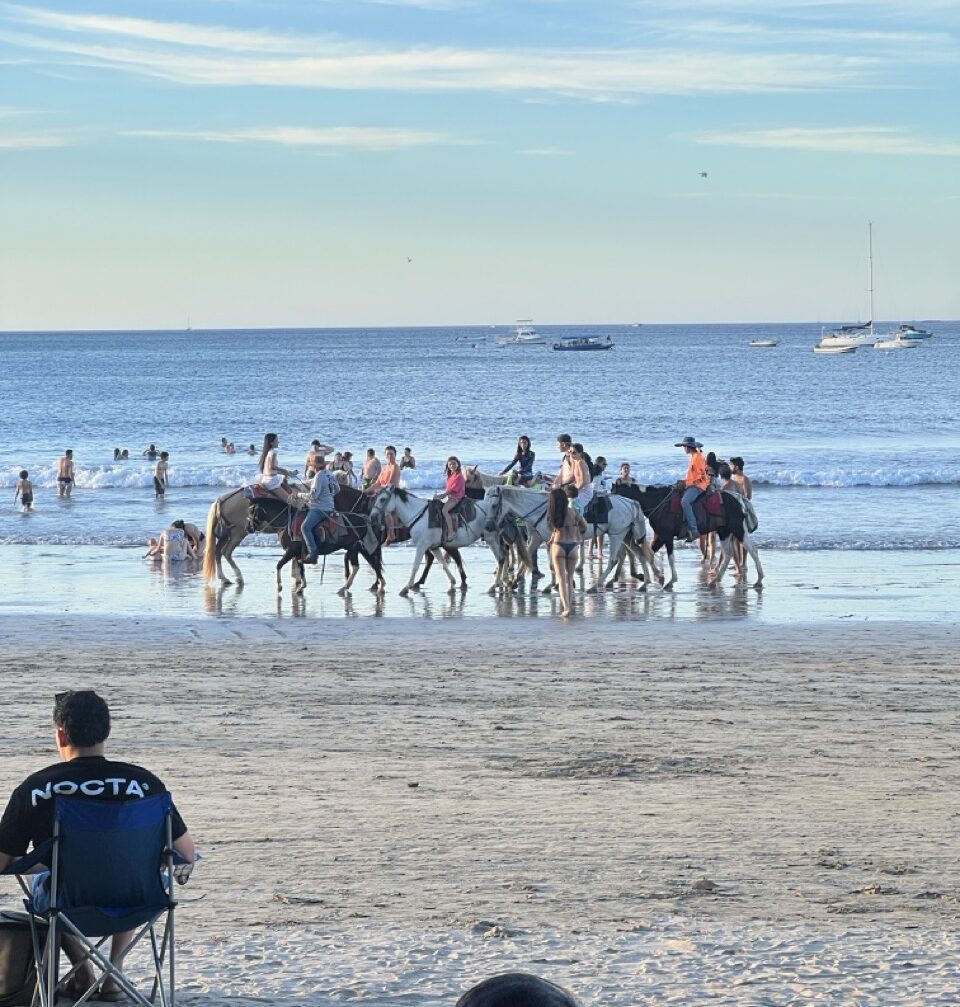
Mountain Biking Trails in Guanacaste
Mountain Biking Trails in Guanacaste offer some of the most diverse…
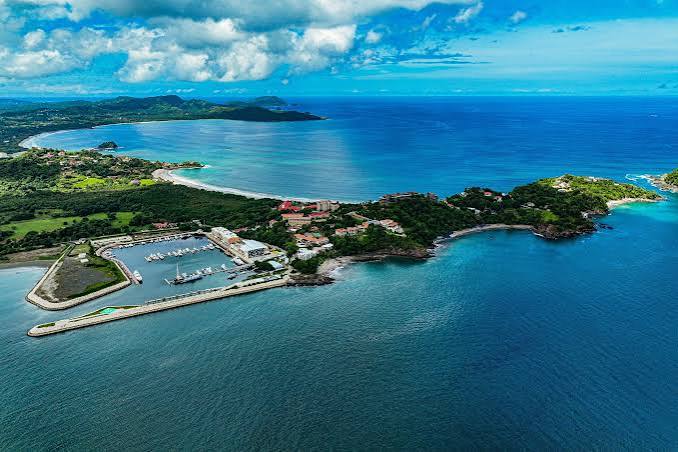
Marina Flamingo: Yacht Life, Sportfishing & Sunset Cruises
Marina Flamingo has become one of the defining attractions of Playa…
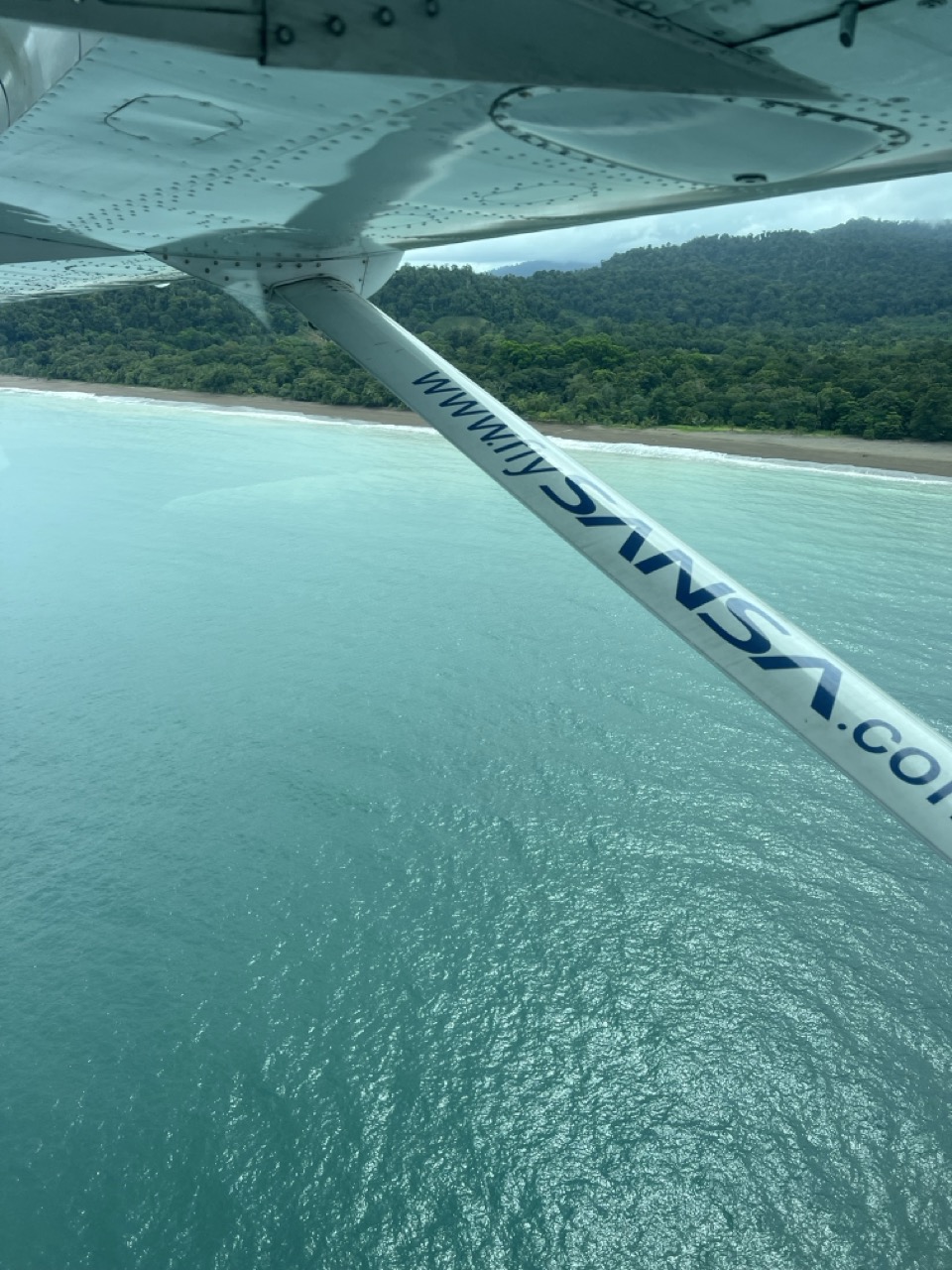
Flying From San José to Tamarindo: What to Expect
Flying from San José to Tamarindo is one of the…