To Help You Choose Which to Visit
Costa Rica offers two very different wildlife-and-beach experiences on opposite coasts: Cahuita, on the southern Caribbean coast, and Manuel Antonio, on the Central Pacific coast. Both deliver rainforest-meets-ocean scenery, abundant wildlife, and easy access from San José. But they feel dramatically different once you arrive.
If you’re deciding between Cahuita vs Manuel Antonio for your Costa Rica itinerary, this guide breaks down the real differences — landscape, wildlife, beaches, accommodations, and overall vibe — so you can choose what fits your travel style.
Overview of Both Destinations
Cahuita is a small Caribbean village known for its laid-back Afro-Caribbean culture and the coastal trails of Cahuita National Park. It’s walkable, quiet, and surrounded by jungle and reef-protected shoreline.
Manuel Antonio, centered around Manuel Antonio National Park, is one of Costa Rica’s most visited destinations. It combines white-sand beaches, dense wildlife, cliffside hotels, and more developed tourism infrastructure.
Both are wildlife-rich. Both are scenic. But the experience differs in scale and energy.
Caribbean vs Pacific: Climate and Atmosphere
The first major difference is geography.
Cahuita sits on the Caribbean coast, where weather patterns differ from those of the Pacific coast. September and October are often among the driest months here, while the Pacific coast tends to be wetter during that time. The Caribbean side feels humid, tropical, and culturally distinct, with reggae rhythms and coconut-infused cuisine shaping the atmosphere.
Manuel Antonio is on the Pacific, with a more defined dry season (roughly December through April) and a pronounced green season from May through November. It’s more built-up, more international, and generally busier.
If you’re traveling in September or October, Cahuita may have better beach conditions. If you’re visiting during peak dry season in January or February, Manuel Antonio offers postcard-perfect Pacific sunsets.
Wildlife Experiences: Dense Park vs Coastal Trail
Both destinations are exceptional for wildlife viewing, but the format differs.
In Cahuita, wildlife encounters happen along a flat, coastal trail inside Cahuita National Park. You can walk independently and still see sloths, monkeys, raccoons, and iguanas. The experience feels intimate and unhurried.
In Manuel Antonio, wildlife viewing is concentrated inside Manuel Antonio National Park. The park limits daily visitor numbers, and many travelers hire certified guides with spotting scopes to spot animals hidden in the canopy. Sightings of sloths, capuchin monkeys, squirrel monkeys, and toucans are common.
Manuel Antonio offers denser biodiversity in a smaller space. Cahuita offers a quieter, less crowded experience with similar species.
For families or travelers who prefer a flat, easy walk without heavy foot traffic, Cahuita can feel more relaxed. For those who want the maximum wildlife concentration in a single compact visit, Manuel Antonio excels.
Beaches and Snorkeling
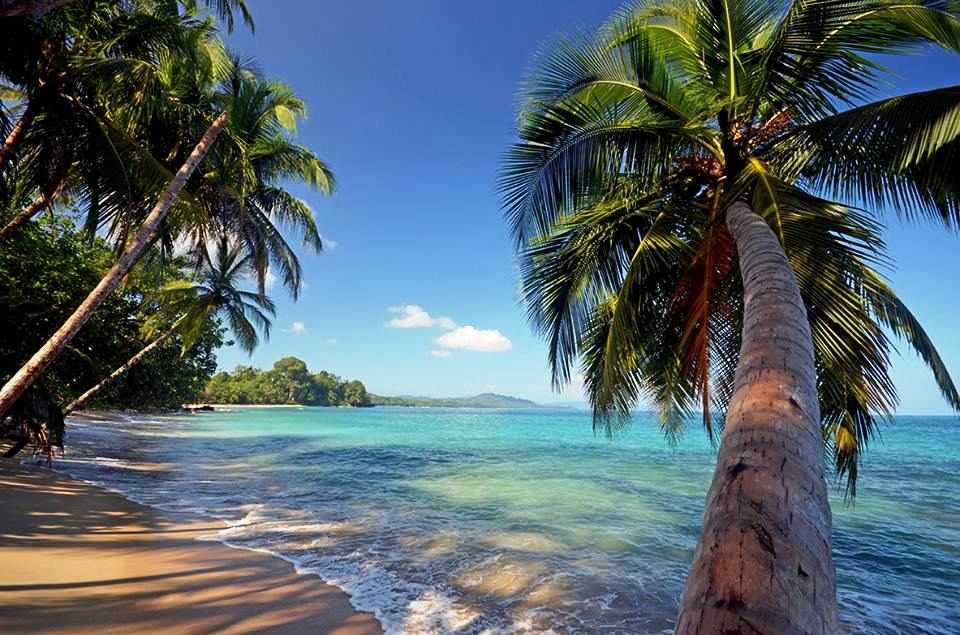
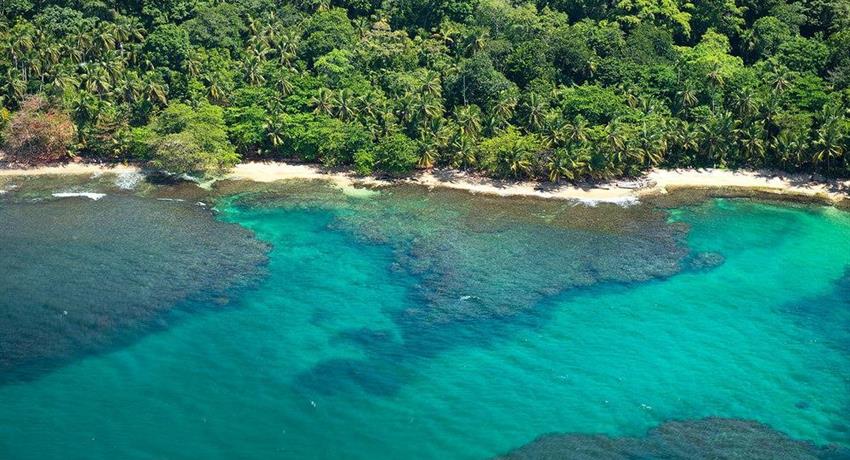
Cahuita’s beaches feel natural and uncrowded. Playa Blanca inside the national park is particularly scenic, and the coral reef offshore allows for guided snorkeling tours when conditions permit. Caribbean waters can be calmer during certain months, but are not lifeguarded.
Manuel Antonio’s beaches are arguably more dramatic and consistently photogenic. Espadilla Beach and the white-sand coves inside the national park are protected and swimmable on most days. The Pacific surf is stronger than the Caribbean, but park beaches tend to be calmer.
If snorkeling is a priority, Cahuita’s reef system gives it an edge. If you want classic white-sand beaches with iconic jungle backdrops, Manuel Antonio stands out.
Accommodation Styles
Cahuita leans toward boutique eco-lodges, small guesthouses, and jungle bungalows. Properties like Atlantida Lodgeand Hotel La Diosa offer comfortable stays without large resort footprints. Vacation rentals are common and often more affordable than Pacific equivalents.
Manuel Antonio is known for cliffside luxury hotels and upscale boutique properties with sweeping ocean views. Hotels like Arenas del Mar Beachfront & Rainforest Resort and Gaia Hotel & Reserve cater to travelers seeking premium service and amenities. There are also mid-range and family-friendly options along the main road between Quepos and the park.
If you want understated local charm, Cahuita fits the bill. If you want elevated amenities and luxury with ocean views, Manuel Antonio delivers.
Vibe and Lifestyle
Cahuita is slower, quieter, and more culturally rooted in Afro-Caribbean traditions. Evenings revolve around small restaurants, beach walks, and low-key bars. It’s ideal for travelers who prioritize authenticity and simplicity.
Manuel Antonio is more energetic. Restaurants, guided tours, ziplining, catamaran cruises, and organized activities are abundant. It feels more international and more polished.
For digital detox and relaxed immersion, Cahuita wins. For a structured itinerary with many tour options and upscale dining, Manuel Antonio offers more variety.
So, Which Should You Choose?
Choose Cahuita if you want:
- A quieter, small-town atmosphere
- Caribbean culture and cuisine
- Reef snorkeling opportunities
- Fewer crowds
- Strong value for boutique stays
Choose Manuel Antonio if you want:
- Concentrated wildlife viewing
- Iconic Pacific beaches
- Cliffside luxury hotels
- Organized tours and adventure activities
- Easier logistics and stronger infrastructure
Both destinations showcase Costa Rica’s biodiversity beautifully. The decision comes down to energy level and travel style.
If your trip leans toward immersive, relaxed Caribbean charm, Cahuita feels special. If you want dramatic scenery, luxury stays, and easy-access wildlife in one of Costa Rica’s most iconic parks, Manuel Antonio is hard to beat.
Related Posts
Cahuita National Park Guide
Wildlife, Snorkeling, and Caribbean Coastal Trails On Costa Rica’s southern…