A Slow-Caribbean Itinerary for Wildlife, Reefs, and Rainforest
Cahuita moves at its own rhythm. Roosters announce the morning. Reggae drifts through town by afternoon. Sloths hang motionless above sandy coastal trails. Five days here is not about rushing through a checklist — it’s about settling into the Caribbean coast’s slower pace and letting nature set the schedule.
For travelers looking for a 5-day Cahuita itinerary, where to stay near Cahuita National Park, or the best things to do in Cahuita, Costa Rica, this guide offers a balanced mix of wildlife, beaches, snorkeling, and downtime.
Cahuita at a Glance
Cahuita sits along Costa Rica’s southern Caribbean coast, about 4 hours from San José and 25 minutes north of Puerto Viejo. The town is compact and easy to navigate. The main road runs parallel to the shoreline, and most hotels, restaurants, and shops cluster near the entrance to Parque Nacional Cahuita.
You don’t need a car to explore the center of town. Bikes are popular, and many travelers walk everywhere. If you plan to visit beaches south toward Punta Uva or Manzanillo, a rental car adds flexibility — especially during rainy months.
Where to Stay in Cahuita
Choosing where to stay shapes your experience.
If you want immediate access to the park entrance and restaurants, staying in town near Playa Blanca is ideal. Hotel La Diosa offers jungle-style rooms just outside the main strip, balancing quiet and convenience. Atlantida Lodge,near Playa Negra, is a beachfront option with lush gardens and easy bike access to town.
For a deeper rainforest feel, Ciudad Perdida Eco Lodge sits surrounded by jungle and wildlife, ideal for couples or wellness travelers seeking more privacy.
Beachfront stays give you sunrise swims and easy park access. Jungle lodges offer wildlife immersion and quiet evenings. Both work well in Cahuita — it simply depends on whether you want ocean steps or forest sounds outside your window.
Day 1: Settle into the Caribbean Rhythm
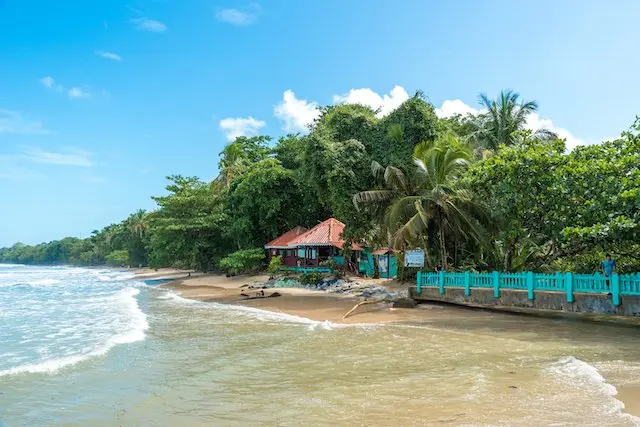
Arrive, unpack, and walk through town. Stop at a local café for fresh fruit juice or Caribbean coffee. Spend the afternoon on Playa Blanca, directly inside the national park entrance, where calm waters often make for easy swimming.
Dinner at Miss Edith’s Restaurant is a classic introduction to Afro-Caribbean flavors — coconut rice and beans, fresh fish, and patacones. The food here tells the story of the region.
Day 2: Cahuita National Park
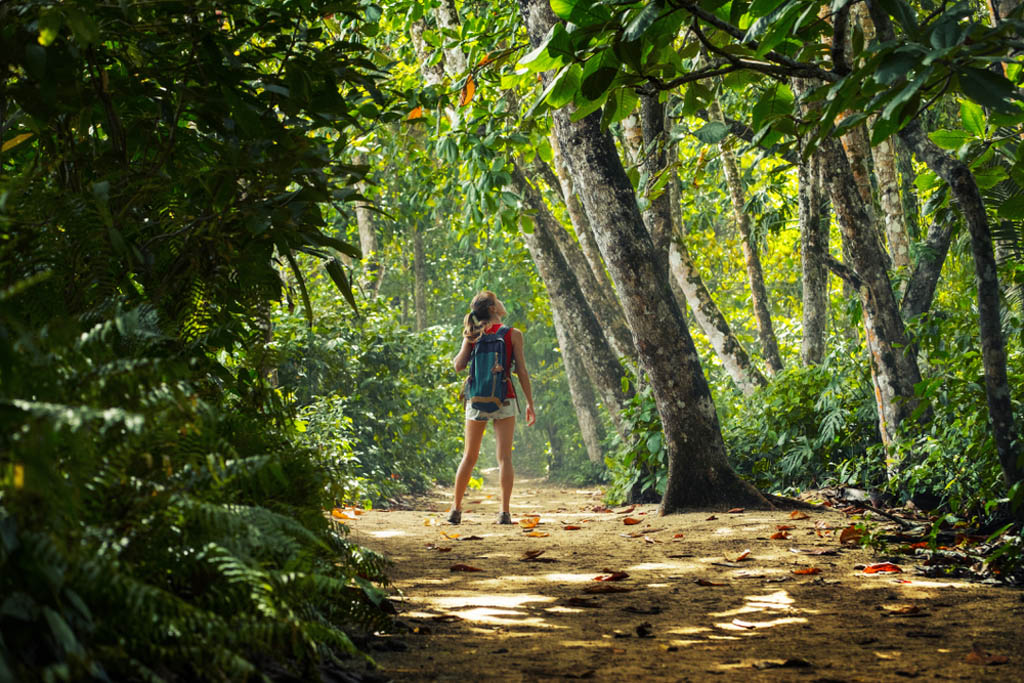
Dedicate a full morning to Cahuita National Park. Enter through the Kelly Creek entrance early, around 7:00 am, when wildlife activity is at its peak. The flat coastal trail is easy to walk and shaded by the rainforest canopy.
Expect to see:
- Howler monkeys
- White-faced capuchins
- Sloths
- Iguanas
- Raccoons
Walk as far as Punta Cahuita if you’re feeling energetic, or turn back after a few hours and enjoy a swim at Playa Blanca.
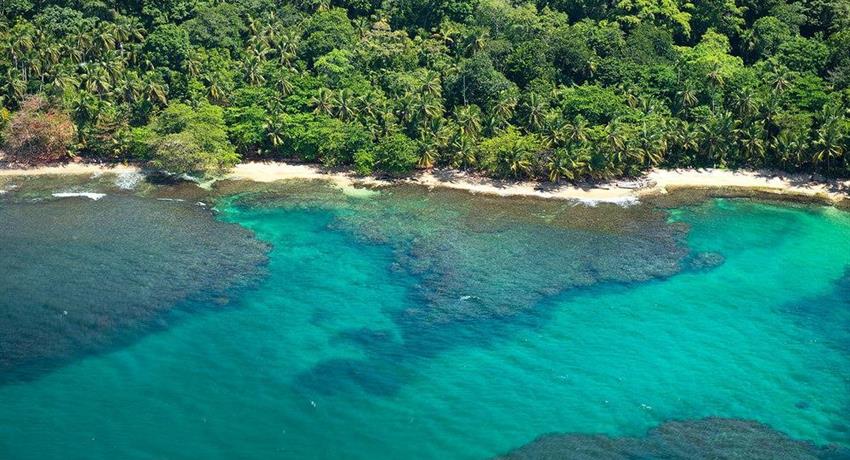
If snorkeling conditions are calm, consider a guided reef tour. Snorkeling is permitted only with certified guides to protect the coral system.
Day 3: Snorkeling and Caribbean Beaches
Book a reef snorkeling tour in the morning when water clarity is best. Visibility improves during calmer months, especially September and October, when the Caribbean often experiences its driest stretch.
Afterward, relax at Playa Negra, known for its dark volcanic sand and fewer crowds.
In the late afternoon, consider driving or biking south toward Punta Uva. The crescent-shaped beach and turquoise waters make it one of the most photogenic spots on the Caribbean coast.
Day 4: Wildlife and Nearby Exploration
Head south to visit the Jaguar Rescue Center near Puerto Viejo. Guided tours focus on wildlife rehabilitation and conservation education — a meaningful addition to the trip.
Alternatively, explore the Gandoca-Manzanillo Wildlife Refuge for a more off-the-beaten-path experience. The forest trails and quiet beaches here offer a wilder contrast to Cahuita’s main park.
Return to town for sunset and dinner at a relaxed beachfront restaurant. Caribbean evenings are about conversation, music, and unhurried meals.
Day 5: Slow Morning and Reflection
Spend your final day embracing Cahuita’s slower pace. Walk the beach at sunrise: rent bikes and cruise along the coastal road. Stop for smoothies or a casual brunch before packing.
This final day is less about activity and more about absorbing the place — the breeze, the sound of waves, the easy smiles of locals who call this coast home.
Best Time to Visit Cahuita
The Caribbean climate differs from that of Costa Rica’s Pacific coast. The driest months often fall between February and April and again in September–October.
Rain can occur year-round, but showers are often brief. Snorkeling visibility depends on recent rainfall and sea conditions, so flexibility helps.
September and October are often overlooked by Pacific-bound travelers, but can be some of the best months for Cahuita.
Why Five Days Works Here
Cahuita rewards travelers who slow down. Five days give you time to:
- Explore the national park without rushing.
- Snorkel coral reefs in good conditions.
- Visit nearby beaches
- Experience Afro-Caribbean culture and cuisine
- Truly unplug
It’s not a destination built around nightlife or luxury resorts. It’s built around biodiversity, reef ecosystems, and a small-town Caribbean atmosphere that feels authentic and unpolished in the best possible way.
For families, couples, and independent travelers seeking wildlife, beach access, and cultural depth without large crowds, five days in Cahuita feels balanced — active in the mornings, relaxed by afternoon, and deeply restorative by the time you leave.
Related Posts
Cahuita National Park Guide
Wildlife, Snorkeling, and Caribbean Coastal Trails On Costa Rica’s southern…