A Complete Travel Guide to the Southern Caribbean’s Wildest Corner
At the very end of Costa Rica’s southern Caribbean road, where pavement narrows and jungle presses close to the sea, you’ll find Manzanillo. This is not a resort town, not a surf party hub, and not a place you stumble into accidentally. Manzanillo is where travelers come when they want nature first, development second, and authenticity always.
As someone who has spent years exploring Costa Rica’s coasts, I often describe Manzanillo as the Caribbean at its most untouched. If Puerto Viejo feels lively and Cahuita feels relaxed, Manzanillo feels wild.
This pillar guide covers everything you need to know about visiting — or staying longer — in Manzanillo, Costa Rica.
Overview of Manzanillo and the Surrounding Area
Manzanillo sits about 12 km south of Puerto Viejo de Talamanca, near the Panamanian border. It is part of the Gandoca-Manzanillo Wildlife Refuge, one of Costa Rica’s most biodiverse coastal protected areas.
The landscape here is a striking mix of coral reef, dense rainforest, mangroves, and golden-sand beaches. Offshore, calm turquoise water makes this one of the best snorkeling areas on the Caribbean coast when conditions cooperate.
The town itself is small — a handful of roads, scattered homes, eco-lodges tucked into jungle lots, and a quiet beachfront. It feels more like a community than a tourist destination.
The Basics of Manzanillo
Manzanillo is minimal by design.
You’ll find a small local grocery store, a few restaurants, and limited commercial infrastructure. There are no pharmacies in town; for larger supermarkets, ATMs, or medical services, you’ll drive 20–25 minutes to Puerto Viejo.
There aren’t formal “neighborhoods” in the way you’d find in larger towns. Most accommodation is spread across the main beachfront area and the jungle-lined road leading to Punta Uva.
Nightlife is virtually nonexistent. Evenings revolve around dinner, ocean sounds, and stargazing. If you want bars and live music, Puerto Viejo is the place — and it’s close enough for a dinner outing.
How to Get to Manzanillo
Manzanillo is reached via San José.
Flights to Costa Rica
Most travelers from the US, Canada, and Europe fly into Juan Santamaría International Airport (SJO) near San José.
From there, you have several options:
Rental Car (Most Flexible)
Driving from San José to Manzanillo takes about 4.5–5 hours via Route 32 through Braulio Carrillo National Park and then south along the Caribbean coastal highway. Roads are paved and generally straightforward.
A rental car is ideal for families, photographers, and travelers planning to explore Punta Uva, Cahuita, and Puerto Viejo.
Shuttle Services
Shared and private shuttles operate daily between San José and Puerto Viejo, with drop-offs in Manzanillo. This is a comfortable option for couples and solo travelers who don’t want to drive.
Public Bus
Direct buses run from San José to Puerto Viejo, and from there you can take a local bus or taxi to Manzanillo. This is the most budget-friendly option, but it takes longer.
For a detailed breakdown, see your upcoming guide: How to Get to Manzanillo from San Jose Airport.
Where to Stay in Manzanillo
Eco-Lodges, Beachfront Cabins, and Jungle Bungalows
Accommodation here is intimate and nature-focused. You won’t find chain hotels — and that’s part of the appeal.
Jungle Eco-Lodges
Properties like Almonds & Corals Boutique Hotel sit within the Gandoca-Manzanillo Refuge and offer elevated jungle bungalows surrounded by wildlife. Expect monkeys overhead and toucans at breakfast.
Eco-lodges are ideal for couples, wellness travelers, and those seeking immersion in nature.
Beachfront Cabins and Bungalows
Small boutique stays and locally owned cabins line the coast. These are perfect for travelers wanting direct beach access and quiet mornings by the sea.
Vacation Rentals and Airbnbs
For long stays or families, vacation rentals in Manzanillo, Costa Rica, provide kitchens and privacy. Many are hidden in jungle gardens within walking distance of the beach.
Where to Eat in Manzanillo
Dining in Manzanillo is simple and Caribbean-rooted.
Local sodas serve rice and beans cooked in coconut milk, fresh seafood, plantains, and patacones. Small beachfront restaurants offer grilled fish and casual dinners.
For greater variety, Puerto Viejo — 20 minutes away — offers Caribbean fusion, international cuisine, smoothie cafés, and nightlife.
Manzanillo’s food scene is about quality over quantity and authenticity over trendiness.
What to Do in Manzanillo
Manzanillo is for travelers who enjoy nature as the main attraction.
Explore Gandoca-Manzanillo Wildlife Refuge
The refuge protects coastal forest, wetlands, and coral reefs. Trails lead through rainforest to remote beaches, with frequent sightings of monkeys, sloths, and tropical birds.
A full guide will be covered in your Gandoca-Manzanillo Wildlife Refuge Guide.
Snorkeling and Reef Exploration
On calm days, offshore reefs offer excellent snorkeling. Visibility varies seasonally, but September and October can be particularly clear months on the Caribbean side.
Wildlife Watching
This is one of the best places in Costa Rica to spot howler monkeys, white-faced capuchins, and even manatees in protected waters.
Kayaking and Beach Walks
The coastline is ideal for long walks and relaxed paddling in calm conditions.
When to Visit Manzanillo
(Caribbean Weather Patterns Explained)
Unlike Costa Rica’s Pacific coast, the Caribbean follows a different rainfall pattern.
Drier Months (Often September–October and February–March)
These months frequently offer some of the sunniest conditions on the Caribbean coast, making them excellent for snorkeling and beach days.
Wetter Months (May–August and November–January)
Rain typically comes in short tropical bursts rather than all-day storms. Lush jungle scenery and fewer crowds make this a beautiful time for wildlife viewing.
Manzanillo works year-round, but understanding Caribbean seasonality helps optimize your experience.
Pace and Lifestyle in Manzanillo
Manzanillo moves slowly. Very slowly.
There are no traffic lights, no shopping districts, no resorts dominating the skyline. Days revolve around sunrise swims, forest walks, and afternoon hammocks.
This appeals strongly to:
- Nature lovers
- Retirees and Baby Boomers seeking tranquility
- Couples wanting privacy
- Wellness travelers
- Independent explorers
If you need nightlife, shopping, and social buzz, Puerto Viejo is a better fit.
Things to Be Cautious Of in Manzanillo
Manzanillo is generally peaceful, but a few considerations matter:
- Limited medical facilities — major services are in Puerto Viejo or Limón.
- Minimal nightlife and infrastructure
- Strong sun exposure on open beaches
- Occasional rip currents during rough sea conditions
- Remote stretches with little lighting at night
Travel insurance, proper reef-safe sunscreen, and cautious ocean awareness are recommended.
Is Manzanillo Worth It?
If your ideal Costa Rica vacation includes national park crowds, resort pools, and extensive restaurant choices, Manzanillo may feel too quiet.
But if you’re looking for one of the most biodiverse, least developed coastal areas in the country — a place where rainforest meets reef and evenings end under star-filled skies — Manzanillo is absolutely worth it.
It’s not flashy. It’s not convenient. It’s not commercial.
And that’s exactly why it remains one of the Caribbean coast’s most rewarding destinations.
Related Posts
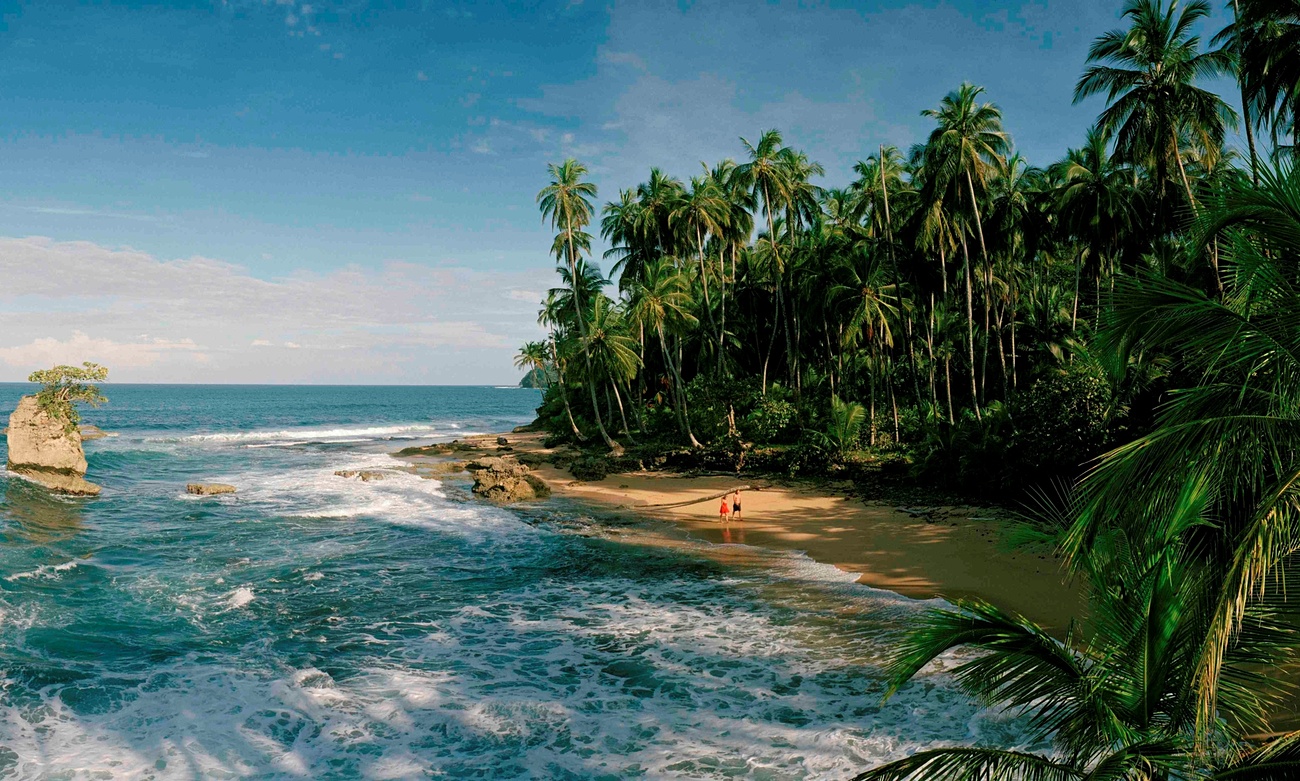
Is Manzanillo Worth It? A Complete Travel Guide
At the very end of Costa Rica’s southern Caribbean road,…
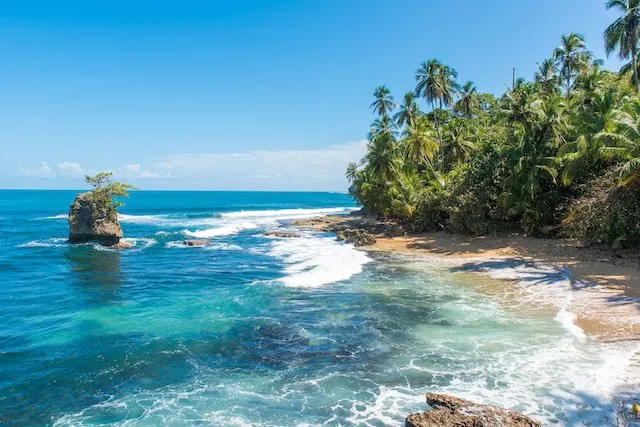
How to Spend 5 Days in Manzanillo
A Slow-Caribbean Itinerary on Costa Rica’s Wild Southern Coast At…
Manzanillo for Couples: A Romantic Caribbean Escape
At the far southern end of Costa Rica’s Caribbean coast,…