Just 20 minutes north of Puerto Viejo de Talamanca lies one of Costa Rica’s most accessible and rewarding national parks: Cahuita National Park. Unlike the steeper jungle trails of Manuel Antonio or the volcanic terrain of Arenal, Cahuita offers flat coastal hiking, coral reef snorkeling, and reliable wildlife sightings — all framed by white-sand beaches and turquoise Caribbean water.
For travelers staying in Puerto Viejo, Cahuita makes an easy half-day or full-day excursion. For others, the laid-back village of Cahuita itself offers a quieter base with direct access to the park.
This guide covers what to expect, where to stay, wildlife tips, and how to make the most of your visit.
Puerto Viejo and Cahuita: How They Connect
Puerto Viejo and Cahuita share the same Afro-Caribbean cultural roots but feel slightly different. Puerto Viejo is livelier and more tourism-driven, while Cahuita remains quieter and more residential.
The two towns are connected by a paved coastal highway (Route 36). Travel time by car is about 20 minutes. Public buses run regularly between them, making it easy to visit without a rental car.
Many travelers stay in Puerto Viejo and set aside one day for Cahuita National Park. Others prefer staying in Cahuita for immediate access to the park and fewer crowds.
Visiting Cahuita National Park: What to Know
Cahuita National Park has two main entrances:
- The Playa Blanca (Kelly Creek) entrance in Cahuita town
- The Puerto Vargas entrance, about 5 km south
Most visitors enter through Playa Blanca because it begins directly on the beach and operates on a donation-based system (while Puerto Vargas has a fixed entrance fee).
The main coastal trail runs approximately 8 kilometers from Playa Blanca to Puerto Vargas. The terrain is flat and mostly shaded, making it one of the best national parks in Costa Rica for:
- Families with children
- Baby Boomers
- Travelers who prefer easy hikes
The trail hugs the shoreline, offering constant views of the Caribbean Sea. Along the way, you’ll likely encounter wildlife.
Wildlife You’re Likely to See
Cahuita is known for its high wildlife density due to its easy terrain.
Common sightings include:
- White-faced capuchin monkeys
- Howler monkeys
- Two- and three-toed sloths
- Raccoons
- Basilisk lizards
- Iguanas
- Coatis
- Numerous tropical birds
Because the trail is flat and close to the canopy, wildlife is often easier to spot than in deeper jungle parks.
Snorkeling is also popular here, especially during calm conditions. The coral reef offshore is one of Costa Rica’s largest, though visibility depends heavily on weather and recent rainfall.
Wildlife Viewing Tips and Seasonal Considerations
The Caribbean coast experiences a different weather pattern than the Pacific coast.
September and October are often among the driest and calmest months on this coast, which can make snorkeling conditions surprisingly good when Guanacaste is in peak rainy season.
Early morning (7–9 a.m.) offers the best wildlife activity and cooler temperatures. Bring:
- Water
- Insect repellent
- Sunscreen
- Closed-toe shoes for the trail
Never feed wildlife — raccoons in particular are known to approach visitors for food, and park regulations prohibit feeding animals.
Where to Stay for Easy Park Access
If your primary goal is visiting Cahuita National Park, staying in Cahuita town makes access effortless.
Hotel La Diosa offers comfortable rooms just minutes from the entrance.
Hotel El Encanto provides affordable lodging close to Playa Blanca.
Travelers who prefer more dining options and nightlife often base themselves in Puerto Viejo and take a day trip north. In that case, properties near Playa Negra or central Puerto Viejo make the drive easiest.
Boutique stays, such as Le Cameleon Boutique Hotel, or jungle lodges near Cocles, offer higher-end comfort while keeping Cahuita within easy reach.
Snorkeling in Cahuita
Snorkeling tours typically depart from Cahuita town when sea conditions allow. Calm mornings after dry stretches offer the best clarity.
Always book with licensed local guides familiar with reef conditions. Ocean visibility varies dramatically depending on rainfall and river runoff.
If snorkeling is your priority, ask locally about current water conditions before booking.
What to Do Beyond the Park
A visit to Cahuita pairs well with other highlights of the southern Caribbean.
After hiking the park, explore the small village center, enjoy Caribbean cuisine, or continue your wildlife focus at the Jaguar Rescue Center near Puerto Viejo.
You can also combine Cahuita with:
- Biking between beaches in Puerto Viejo
- Surfing at Playa Cocles
- Kayaking in Punta Uva
- Exploring Manzanillo Wildlife Refuge
Cahuita works best as part of a broader Caribbean itinerary rather than a standalone stop.
How Much Time Do You Need?
Most visitors spend 2–4 hours in Cahuita National Park, depending on whether they complete the full coastal trail or turn around midway.
If hiking the entire trail, plan for transportation back to town from Puerto Vargas, unless you want to walk the full 16 km round-trip.
Families often choose to walk part of the trail and relax on Playa Blanca before returning.
Is Cahuita National Park Worth It?
For travelers seeking:
- Easy wildlife viewing
- Flat coastal hiking
- Caribbean beach scenery
- A less crowded alternative to Manuel Antonio
Cahuita is absolutely worth a visit.
It may not have the dramatic cliffs of the Pacific coast. Still, its combination of reef, jungle, and accessible trails makes it one of the most enjoyable parks in Costa Rica — especially for multi-generational travelers and those who prefer gentler terrain.
For a full Puerto Viejo itinerary, see the 5-day guide within this content cluster to understand how Cahuita fits into a longer Caribbean stay.
Related Posts
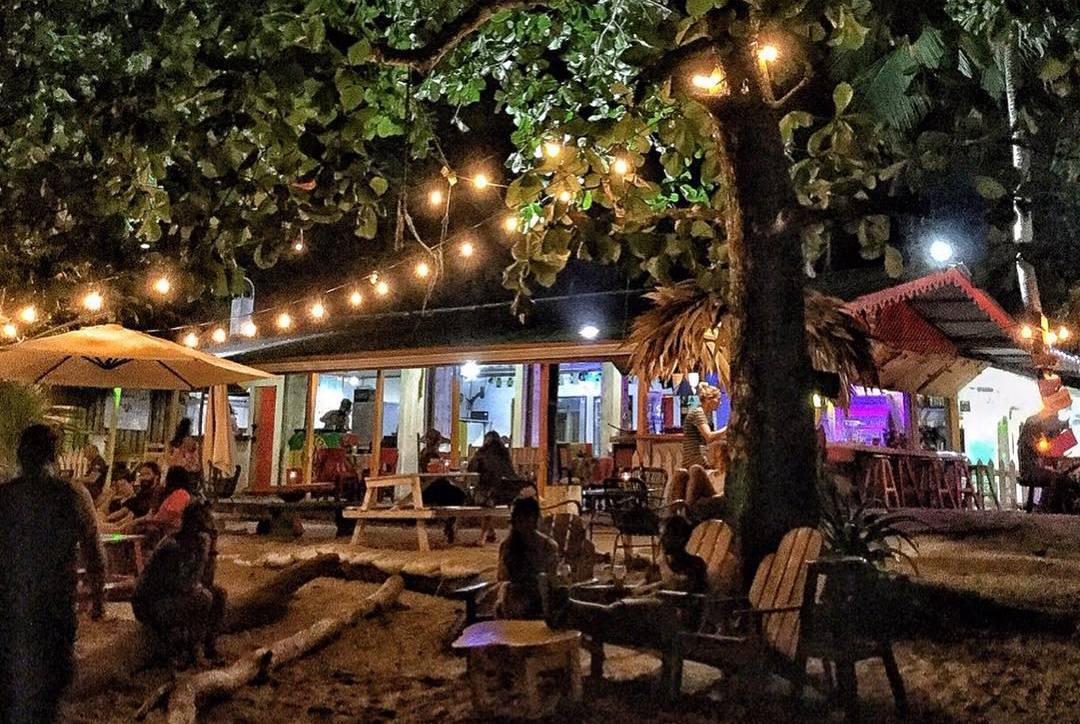
Puerto Viejo Nightlife Guide (Caribbean Vibes)
On Costa Rica’s southern Caribbean coast, nightlife doesn’t revolve around…
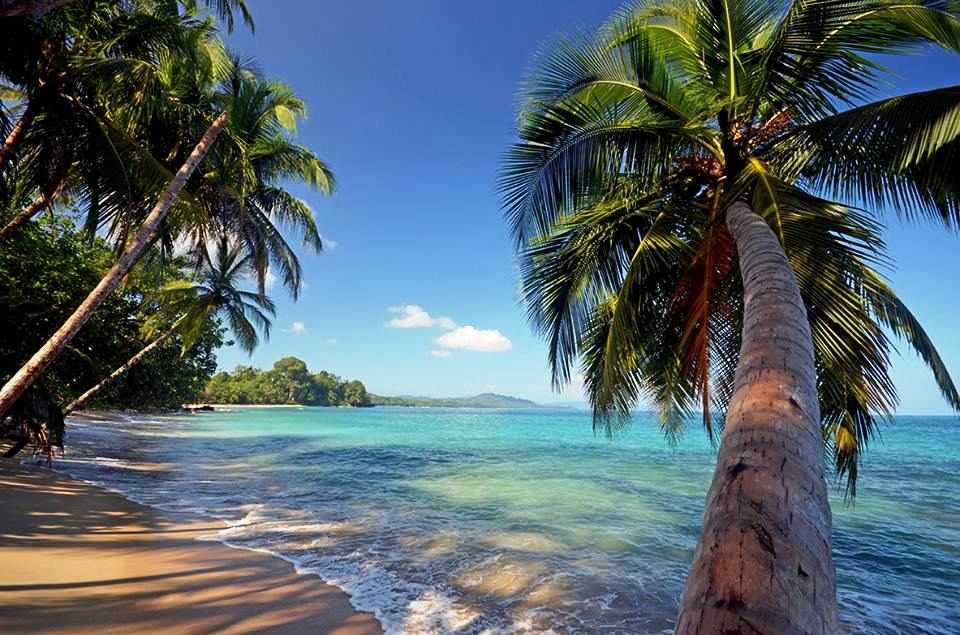
Puerto Viejo vs Tamarindo: Which Costa Rica Beach Town Is Right for You?
Choosing between Puerto Viejo de Talamanca on Costa Rica’s southern…
How to Spend 5 Days in Puerto Viejo de Talamanca
Five days in Puerto Viejo de Talamanca gives you just…