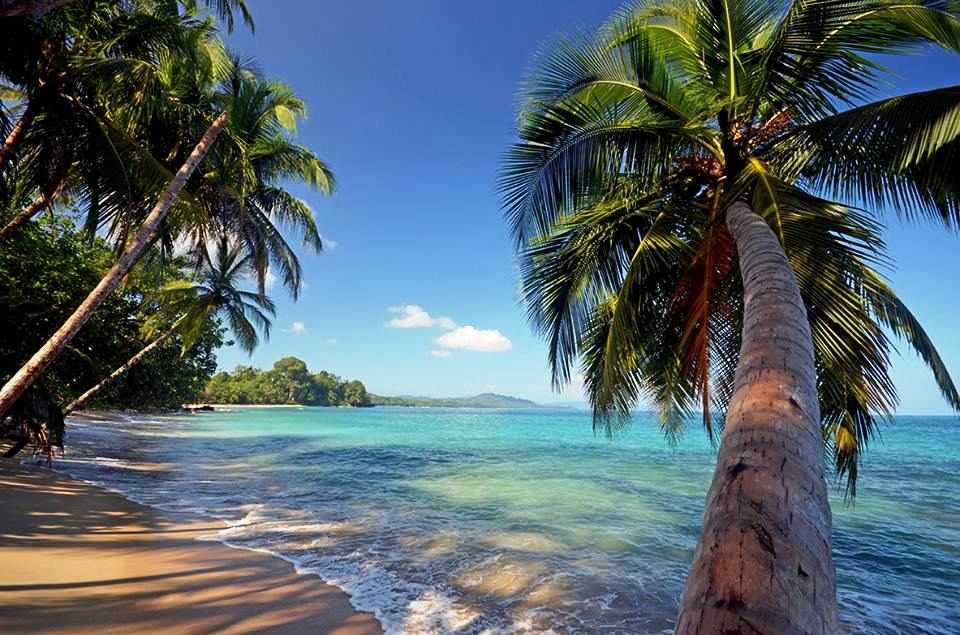
Puerto Viejo de Talamanca is not just another beach town in Costa Rica — it is a cultural shift. Set on the country’s southern Caribbean coast near the Panama border, Puerto Viejo blends Afro-Caribbean heritage, jungle-backed beaches, reggae rhythms, and world-class surf into something entirely different from the Pacific coast.
If you’ve visited Guanacaste or Manuel Antonio, expect a different pace, food, climate, and identity. This is Costa Rica with coconut rice, patois, and calypso.
This pillar guide covers everything you need to know about visiting Puerto Viejo de Talamanca — from where to stay and eat to how to get there and when to visit — and serves as the foundation for deeper guides on Cahuita National Park, the Jaguar Rescue Center, transportation logistics, and more.
Overview of Puerto Viejo and the Southern Caribbean Coast
Puerto Viejo sits in the Talamanca region of Limón Province, about 4.5 to 5 hours from San José. It’s surrounded by some of Costa Rica’s most biodiverse rainforests and bordered by coral reefs, white-sand beaches, and protected reserves.
The main town of Puerto Viejo is compact and walkable, but the region extends south along the coast through:
- Playa Negra (black-sand beach just north of town)
- Playa Cocles (surf-focused, just south)
- Punta Uva (turquoise water and calm swimming)
- Manzanillo (remote, jungle-meets-sea at the Gandoca-Manzanillo Refuge)
You can explore most of the coastline by bike — one of the defining experiences of the area.
The Basics of Puerto Viejo
Grocery Stores and Essentials
Puerto Viejo has several well-stocked supermarkets for short and long stays.
Super Mercado Diamante and Super el Duende Gourmet are reliable options for produce, wine, imported goods, and organic items.
For pharmacies, Farmacia Puerto Viejo covers basic needs. For more serious medical services, Limón (about an hour north) has hospitals and clinics.
ATMs are available in town, but bring a backup card.
Neighborhoods and Beach Areas
Puerto Viejo proper is lively and social. If you prefer quieter settings:
- Playa Negra: Residential, relaxed, fewer crowds.
- Playa Cocles: Surf energy, boutique jungle lodges.
- Punta Uva: Calm swimming, ideal for families.
- Manzanillo: Most remote and nature-focused.
Each area offers a different vibe, so where you stay matters.
Nightlife
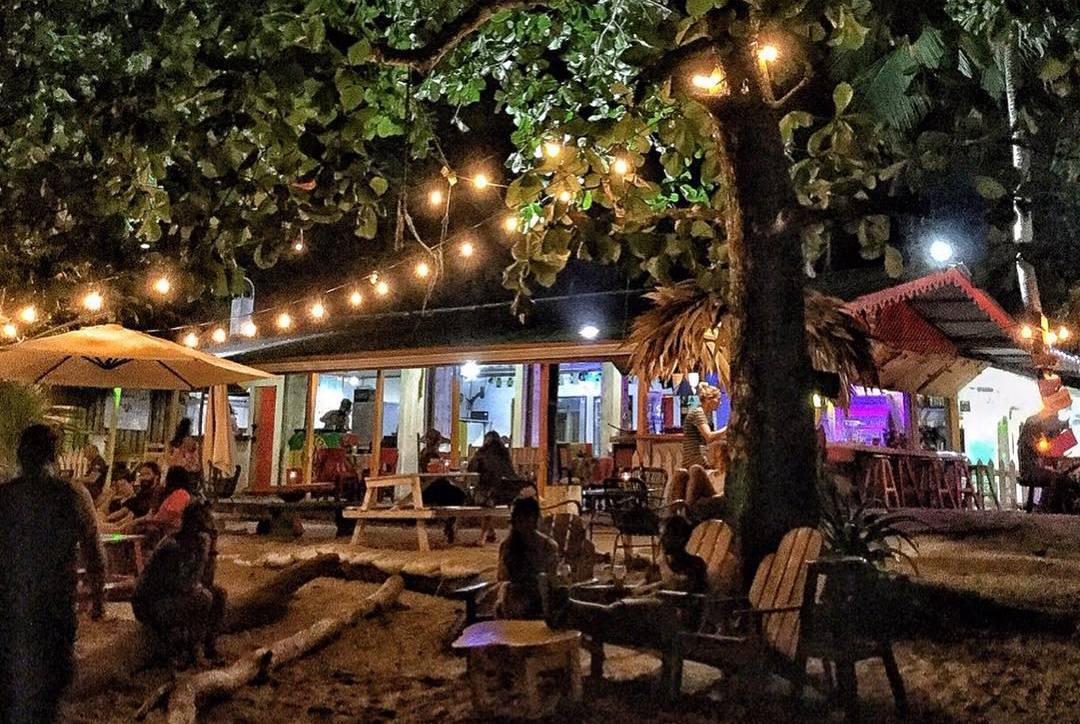
Puerto Viejo nightlife is laid-back but social. Think reggae bars and beachy dance floors rather than big clubs.
Popular spots include Salsa Brava Bar and Johnny’s Place for live music and dancing. Things tend to wind down earlier than in Jacó or Tamarindo.
How to Get to Puerto Viejo
Most international travelers fly into San José (SJO).
Driving from San José
The drive takes about 4.5–5 hours via Route 32 through Braulio Carrillo National Park. The road is fully paved and scenic, but it can be affected by landslides during heavy rains.
This is the most flexible option, especially if you plan to explore Cahuita or Manzanillo.
Shuttle Services
Shared and private shuttles run daily from San José and cost approximately:
- $60–$80 per person (shared)
- $300–$400 per vehicle (private)
Ideal for travelers who prefer not to drive mountain roads.
Public Bus
The direct MEPE bus from Terminal Atlántico Norte in San José runs multiple times daily and takes about 5 hours. It’s affordable (under $15 USD) and reliable.
Domestic Flights
You can fly from San José to Limón with Sansa Airlines (about 40 minutes), then drive one hour south to Puerto Viejo. This option saves time but requires coordination.
A detailed transportation breakdown is covered in the internal guide, “How to Get to Puerto Viejo from San Jose Airport.”
Where to Stay in Puerto Viejo
Accommodation ranges from jungle eco-lodges to beachfront bungalows.
Boutique Jungle Lodges
Le Cameleon Boutique Hotel offers upscale Caribbean design and beach access.
Hotel Aguas Claras is one of the most design-forward boutique hotels in the region.
Eco-Lodges and Nature Retreats
La Kukula Lodge near Playa Cocles blends wildlife and comfort.
Beachfront and Vacation Rentals
Punta Uva and Cocles offer numerous vacation rentals and Airbnbs ideal for families or long stays.
For high-intent searches, boutique hotels in Puerto Viejo, Costa Rica, are mostly concentrated between Cocles and Punta Uva.
Where to Eat in Puerto Viejo
Puerto Viejo’s food scene reflects its Afro-Caribbean roots.
For Caribbean cuisine, Soda Lidia’s Place serves traditional rice and beans with coconut milk and jerk chicken.
For seafood, KOKi Beach Restaurant offers beachfront dining.
Breakfast and smoothie spots include Bread & Chocolate and De Gustibus Bakery.
This region is also one of Costa Rica’s strongest destinations for vegetarian and vegan dining.
What to Do in Puerto Viejo
The activities here combine wildlife, beach culture, and soft adventure.
Visit Cahuita National Park for coral reef snorkeling and wildlife hikes.
Tour the Jaguar Rescue Center to learn about rehabilitation efforts for sloths and other animals.
Surf at Playa Cocles, especially for intermediate waves.
Bike from Puerto Viejo to Punta Uva — a must-do experience along the coastal road.
Snorkeling tours operate from Punta Uva and Manzanillo, weather permitting.
More details are covered in Best Things to Do in Puerto Viejo and Puerto Viejo Tours.
When to Visit Puerto Viejo
Unlike the Pacific coast, the Caribbean has a different rainfall pattern.
The driest months are typically September and October — the opposite of Guanacaste. February–April can also be relatively dry.
Rain is more evenly distributed throughout the year, often in short bursts rather than all-day downpours.
Dry Caribbean months are ideal for snorkeling and calm-water activities. Rainy periods are excellent for wildlife viewing and fewer crowds.
Pace and Lifestyle
Puerto Viejo moves more slowly than most tourist centers in Costa Rica. Biking is more common than driving. English, Spanish, and Caribbean patois are all heard daily.
It attracts surfers, creatives, long-term expats, and travelers looking for culture and nature rather than resort polish.
Things to Be Cautious Of
Petty theft can occur, especially at beaches. Do not leave valuables unattended.
Swim conditions vary — Playa Cocles can have strong currents. Always check local advice.
Road conditions in San José may be affected by closures during heavy rain; monitor Route 32 updates if driving.
Mosquitoes are present year-round. Bring repellent.
Final Thoughts
Puerto Viejo de Talamanca is not for travelers seeking polished resort infrastructure. It’s for those who want culture, rhythm, jungle, reef, and a different perspective on Costa Rica.
If you’re deciding between Pacific and Caribbean coasts, see the comparison guides:
- Differences Between Puerto Viejo and Manuel Antonio
- Differences Between Puerto Viejo and Tamarindo
For many travelers, Puerto Viejo becomes the most memorable part of their Costa Rica trip — not because it is easy, but because it feels authentic.
Related Posts
Puerto Viejo vs Tamarindo: Which Costa Rica Beach Town Is Right for You?
Choosing between Puerto Viejo de Talamanca on Costa Rica’s southern…
How to Spend 5 Days in Puerto Viejo de Talamanca
Five days in Puerto Viejo de Talamanca gives you just…
Puerto Viejo Nightlife Guide (Caribbean Vibes)
On Costa Rica’s southern Caribbean coast, nightlife doesn’t revolve around…