When to Go, What to Expect, and How to Plan Your Visit
On Costa Rica’s northern Caribbean coast, Tortuguero is one of the most important sea turtle nesting sites in the Western Hemisphere. Protected within Tortuguero National Park, this remote stretch of beach has earned global recognition for conservation and research.
Arriving here feels different from the rest of Costa Rica. There are no roads into town — only boats and small planes. Dense rainforest meets a wild Caribbean shoreline, and at night during nesting season, the beach becomes a living conservation corridor where ancient marine migrations unfold in near silence.
For many travelers, witnessing turtle nesting in Tortuguero is a once-in-a-lifetime experience. Timing, lodging, and understanding how tours work are essential to doing it responsibly and successfully.
Understanding Turtle Species and Nesting Cycles
Tortuguero is best known for its green sea turtles, but other species also visit it year-round.
Green Sea Turtles (Chelonia mydas)
- Peak nesting: July through October
- Peak hatchlings: September through November
- Largest population in the Atlantic
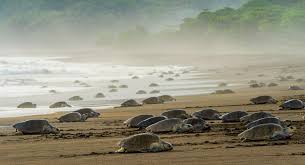
Green turtles are the stars of Tortuguero. During peak months, dozens may come ashore in a single night. They nest under the cover of darkness, laying up to 100 eggs before returning to sea.
Leatherback Turtles (Dermochelys coriacea)
- Nesting season: March through June
- The world’s largest sea turtle species
Leatherbacks arrive earlier in the year and are dramatically larger than green turtles. While sightings are less frequent than during green turtle season, early-season visitors may still see these giants.
Hawksbill and Loggerhead (Occasional Visitors)
These species appear less frequently but are part of the park’s ecological importance.
Nesting tours are strictly regulated. Visitors must join certified guides, cannot use flash photography, and must follow conservation protocols. This is not a casual beach walk — it is a structured wildlife experience designed to protect the turtles.
Where to Stay for the Best Turtle Tour Access
Choosing the right lodge significantly shapes your turtle nesting experience. Since tours depart at night and often require coordination with park authorities, staying at a lodge that organizes licensed excursions is essential.
Tortuga Lodge & Gardens is one of the most established eco-lodges in the region, known for knowledgeable naturalist guides and well-organized turtle tours. Its location on the canal provides easy boat access and a quieter, upscale environment.
For travelers who prefer being close to the village and park entrance, Pachira Lodge offers convenient logistics and guided excursions included in many packages.
Manatus Hotel provides a more boutique, modern stay while still arranging certified nesting tours.
During peak green turtle season (July–September), lodging books months in advance. If turtle nesting is your priority, reserve both your room and tour space early.
What a Turtle Nesting Tour Is Really Like
Tours typically begin after dinner and are assigned in rotating time slots. Groups are small, and departure times depend on the turtles’ activity, as monitored by park rangers.
You’ll walk the beach with a red-filtered flashlight, accompanied by a certified guide. Once a nesting turtle is located and enters the egg-laying phase — when she is in a “trance-like” state — visitors are permitted to observe quietly from behind.
You may see:
- The turtle is digging her nest.
- Egg-laying (only when authorized by the guide)
- The covering and camouflage process
- Hatchlings emerging during the right season
The experience can last one to three hours. It requires patience, minimal noise, and respect for conservation rules.
Beyond Turtle Tours: What Else to Do in Tortuguero
While turtle nesting may be the highlight, Tortuguero offers much more during the day.
Early morning canal tours through Tortuguero National Park are among the best wildlife experiences in Costa Rica. Expect to see monkeys, sloths, caimans, river turtles, toucans, and dozens of bird species.
Kayaking through narrow side canals provides a quieter, more intimate wildlife encounter.
You can also visit the Sea Turtle Conservancy Visitor Center in Tortuguero Village to understand the decades of research that protect these species.
Allow time for relaxation. The humidity and late-night tours make afternoon hammock time not just enjoyable, but necessary.
Seasonal Travel Planning Tips
Because Tortuguero sits on the Caribbean coast, its climate differs from Costa Rica’s Pacific beaches.
- July–October: Prime green turtle nesting. Expect humid weather with intermittent rain.
- September–October: Often surprisingly dry on the Caribbean coast, making it one of the best months for turtle viewing.
- March–June: Leatherback nesting season, warmer conditions, and fewer crowds.
Rain is common year-round, but tours operate unless conditions are unsafe. Lightweight rain gear and breathable clothing are essential.
Book transportation carefully. Most visitors travel from San José via shuttle and boat transfer through La Pavona or Caño Blanco. Domestic flights to Tortuguero are available but weather-dependent.
Important Conservation Considerations
The Costa Rican government and local conservation authorities regulate turtle nesting tours in Tortuguero.
Visitors should know:
- No flash photography is allowed.
- Cell phone lights must remain off.
- Touching turtles or hatchlings is prohibited.
- Beach access at night without a guide is illegal.
Following these rules protects endangered species and ensures Tortuguero remains one of the world’s most successful sea turtle conservation sites.
Who Should Plan a Trip Around Turtle Season?
Tortuguero turtle nesting season is ideal for:
- Families wanting an educational wildlife experience
- Nature enthusiasts and photographers
- Couples seeking meaningful eco-travel
- Birdwatchers are combining canal tours with nesting season
It is less suited for travelers seeking nightlife, surfing, or resort-style beach relaxation.
Witnessing a 300-pound green turtle emerge from the Caribbean surf under a moonlit sky is not a typical vacation moment. It’s humbling, quiet, and deeply moving.
If you time your visit thoughtfully and stay at a lodge that prioritizes conservation and guided access, Tortuguero’s turtle nesting season becomes far more than a tour — it becomes one of Costa Rica’s most unforgettable natural experiences.
Related Posts

Tortuguero, Costa Rica
On Costa Rica’s remote northern Caribbean coast, where rainforest meets…
Best Time to See Turtles in Tortuguero
A Seasonal Guide to Nesting, Hatching, and Planning Your Visit…
Is Tortuguero Worth It? A Complete Travel Guide
Tucked into Costa Rica’s northern Caribbean coast, accessible only by…