A Complete Travel Guide to Costa Rica’s Most Accessible Rainforest-and-Beach Destination
Manuel Antonio is one of Costa Rica’s most visited destinations — and also one of its most debated. Some travelers call it the perfect blend of rainforest, wildlife, and swimmable beaches. Others wonder if it’s too popular.
So, is Manuel Antonio worth it?
For many visitors — especially first-time travelers to Costa Rica — the answer is yes. But it depends on what kind of experience you’re looking for.
This guide breaks down what Manuel Antonio actually offers, who it’s best for, and when another destination might make more sense.
For a full regional overview, see the Manuel Antonio Travel Guide.
Overview: Where Jungle Meets the Pacific
Manuel Antonio sits along Costa Rica’s Central Pacific coast, about three to three and a half hours from Juan Santamaría International Airport (SJO). The area is centered around Manuel Antonio National Park, one of the country’s smallest yet most biodiverse protected areas.
What makes Manuel Antonio unique is the concentration of experiences within a compact space. In a single day, you can hike rainforest trails, spot sloths and monkeys, swim in calm coves, and watch the sun set over the Pacific — all without long drives.
It is not remote wilderness. It is curated accessibility to nature.
The Basics: What the Destination Feels Like
Manuel Antonio is built along a steep jungle-covered hillside between Quepos and the national park entrance. The main road is lined with hotels, restaurants, and ocean-view properties carved into the greenery.
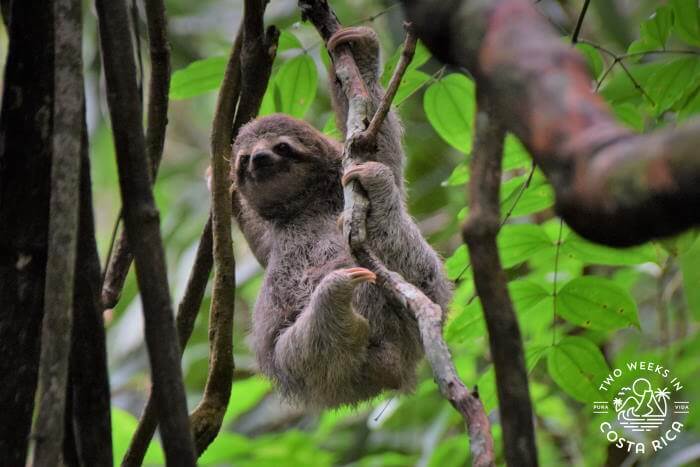
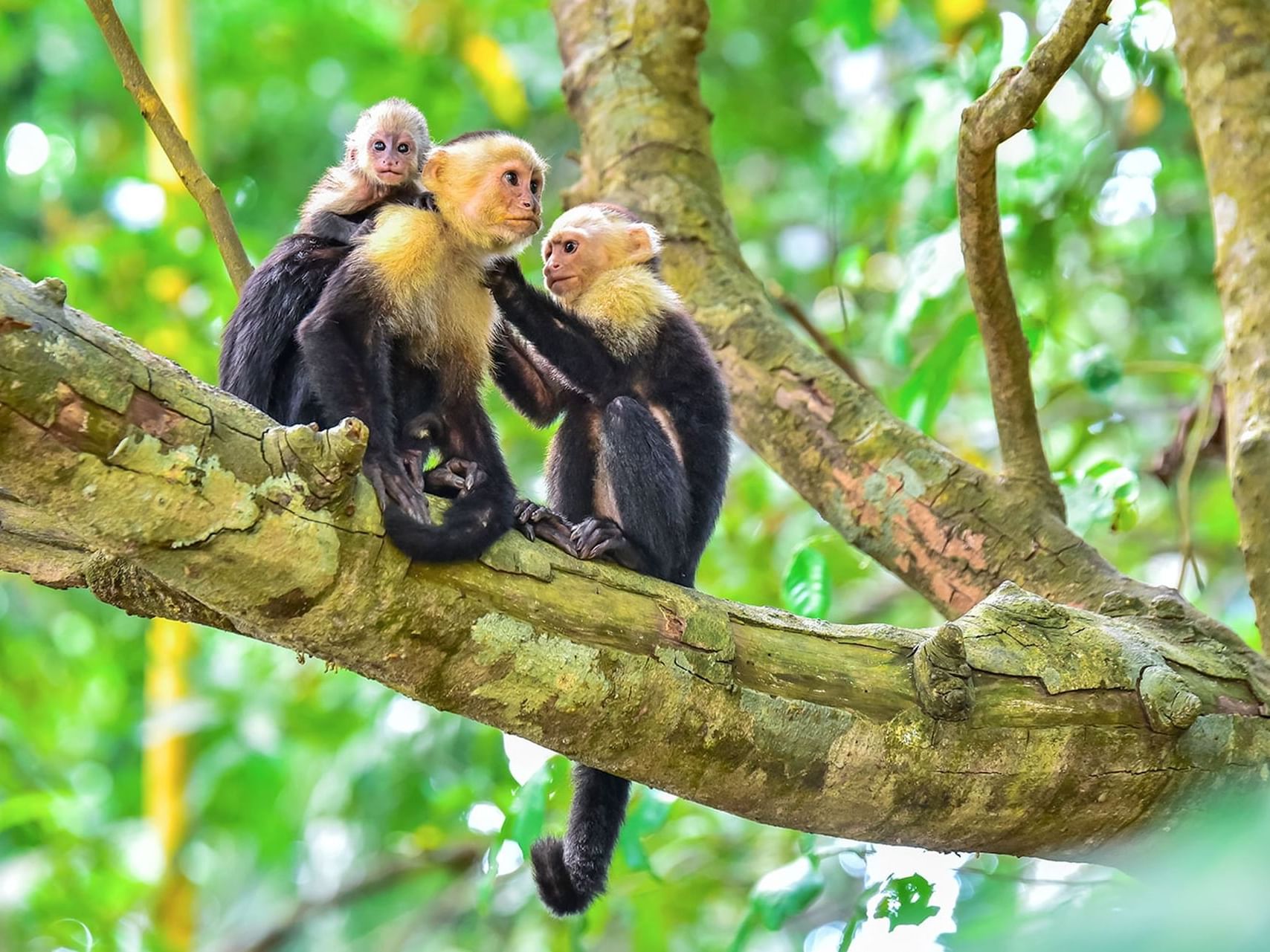
Wildlife is not confined to the park. Monkeys cross power lines. Sloths appear in hotel trees. Scarlet macaws fly overhead at dusk.
Quepos, the neighboring town, offers practical infrastructure: supermarkets, pharmacies, banks, and Marina Pez Velafor sportfishing and boat tours.
Manuel Antonio is tourism-focused, but it doesn’t feel like a party town. It leans toward nature-focused comfort rather than nightlife energy.
Where to Stay: Luxury, Mid-Range, and Family-Friendly Options
One reason Manuel Antonio appeals to a wide audience is the range of accommodations.
Luxury Cliffside Hotels
Travelers seeking upscale ocean views often choose:
Arenas del Mar Beachfront & Rainforest Resort for direct beach access and sustainability focus.
Parador Nature Resort & Spa for panoramic views and landscaped grounds.
Gaia Hotel & Reserve for adults-oriented tranquility.
These properties integrate jungle scenery with polished service.
Mid-Range Boutique Hotels
Travelers looking for comfort without luxury pricing often book:
The Falls Resort at Manuel Antonio has a central location and lush gardens.
Shana by the Beach for proximity to Biesanz Beach.
Family-Friendly Stays
Many hotels along the hill road offer family-friendly rooms and pools. Staying slightly closer to Quepos can simplify grocery access and transportation.
For a full breakdown, see Where to Stay in Manuel Antonio.
Best Things to Do in Manuel Antonio
The national park is the anchor experience. Inside Manuel Antonio National Park, visitors regularly see capuchin monkeys, sloths, iguanas, and tropical birds. The park also protects several scenic beaches ideal for combining wildlife walks with swimming.
Beyond the park, activities include mangrove tours departing from Marina Pez Vela, catamaran sunset cruises, rainforest ziplining, waterfall excursions inland, and sportfishing charters.
For families, the mix of wildlife sightings and beach access makes planning easier. For couples, sunset dining and ocean-view stays create a romantic atmosphere.
See Best Things to Do in Manuel Antonio and Manuel Antonio Tours for detailed activity options.
When Manuel Antonio Is at Its Best
Dry season, from December through April, offers the most consistent sunshine and beach weather. This is also peak season, and park tickets often sell out days in advance.
Rainy season, from May through October, brings greener forest landscapes and fewer crowds. Mornings are often clear, with afternoon showers typical. September and October tend to see the heaviest rainfall.
Wildlife remains active year-round, and some travelers prefer the lush atmosphere of the green season.
Who Manuel Antonio Is Best Suited For
Manuel Antonio works particularly well for:
First-time visitors to Costa Rica who want wildlife without the hassle of remote logistics.
Families seeking accessible beaches and high-probability animal sightings.
Baby Boomers prefer paved roads and comfortable accommodations.
Couples want rainforest scenery with reliable dining options.
Travelers who want a balance of comfort and biodiversity.
It offers one of the most efficient “return on experience” ratios in the country.
Who Might Prefer Another Destination
If you prioritize strong nightlife and surf culture, Jacó may be a better fit. See Differences Between Manuel Antonio and Jaco To Help You Choose Which to Visit.
If you want a long surf beach and larger town infrastructure, Tamarindo might feel more dynamic. See Differences Between Manuel Antonio and Tamarindo To Help You Decide Which One to Visit.
If you prefer remote, off-the-grid settings with fewer visitors, destinations like the Osa Peninsula or the Nicoya Peninsula’s quieter beaches may appeal more.
So, Is Manuel Antonio Worth It?
If your goal is to see wildlife easily, enjoy protected beaches, stay in scenic ocean-view hotels, and avoid complicated travel logistics, Manuel Antonio is absolutely worth it.
It may not feel undiscovered. It is popular for a reason. But it delivers consistently — especially for travelers who want Costa Rica’s biodiversity without sacrificing infrastructure.
For many visitors, Manuel Antonio provides the most balanced and accessible introduction to the country’s rainforest-meets-ocean identity.
If you’re planning a longer stay, see How to Spend 5 Days in Manuel Antonio to build a well-paced itinerary.
Related Posts
Do You Need a Guide for Manuel Antonio National Park?
Manuel Antonio is one of Costa Rica’s most visited destinations…
How to Spend 5 Days in Manuel Antonio
A Balanced Itinerary of Wildlife, Beaches, and Pacific Sunsets Manuel…