For many travelers, Alajuela is the gateway to Costa Rica. Home to Juan Santamaría International Airport (SJO), it’s where wheels touch down before the real journey begins. Roughly 75 miles (120 km) northwest lies La Fortuna, a lush, adventure-rich town at the base of the iconic Arenal Volcano.
Whether you’re an independent traveler, a multi-generational family, or a couple seeking wellness and rainforest immersion, understanding your transportation options from Alajuela to La Fortuna can shape the tone of your entire trip.
Below is a detailed, experience-driven guide to help you choose the best route — by shuttle, public bus, or rental car — with realistic travel times, cost comparisons, and seasonal considerations.
Context: Alajuela to La Fortuna at a Glance
- Distance: ~75 miles / 120 km
- Driving Time: 2.5–3.5 hours (longer in rainy season)
- Best For: Nature lovers, adventure travelers, wellness seekers
- Road Type: Mostly paved highways with winding mountain sections
Why This Route Matters
Alajuela sits in Costa Rica’s Central Valley — urban, temperate, and agricultural. La Fortuna, by contrast, is all rainforest drama: waterfalls, hanging bridges, hot springs, and the majestic Arenal Volcano rising from mist.
The journey between them transitions from coffee farms and sugarcane fields to rolling highlands and eventually to the humid lowland rainforest.
Option 1: Shared or Private Shuttle
For many Baby Boomers, families, and first-time visitors, a shuttle offers the most seamless balance of comfort and simplicity.
Shared Shuttle
Travel Time: 3–4 hours
Cost: $55–$75 USD per person
Departure Times: Typically morning and early afternoon
Pick-up: Hotel or airport in Alajuela
Drop-off: Hotel in La Fortuna
Shared shuttles are comfortable, air-conditioned minibuses. They may make a few hotel stops along the way.
Pros
- Door-to-door convenience
- No navigation stress
- Ideal after a long flight
- English-speaking drivers common
Cons
- Fixed departure times
- Slightly longer due to multiple stops
- Less flexibility for scenic detours
Private Shuttle
Travel Time: 2.5–3 hours
Cost: $180–$300 USD total (vehicle, up to 6–8 passengers)
Private transfers are ideal for:
- Affluent families
- Small groups
- Travelers with lots of luggage
- Wellness travelers seeking minimal stress.
Drivers often double as informal guides and can stop at roadside cafés, fruit stands, or scenic viewpoints.
Best For: Comfort-focused travelers who don’t want to drive mountain roads.
Option 2: Public Bus (Budget-Friendly, Local Experience)
If you prefer traveling like a local and don’t mind longer transit times, the public bus is reliable but requires patience.
Travel Time: 4.5–6 hours
Cost: $6–$10 USD
Route: Typically requires a transfer in Ciudad Quesada
What to Expect
- Bus from Alajuela to Ciudad Quesada (~2 hours)
- Transfer to La Fortuna bus (~2–3 hours)
Buses are safe and widely used by locals. However:
- Luggage storage is basic.
- Schedules may change seasonally.
- Limited English spoken
- No guaranteed luggage space during busy periods
Best For:
- Solo travelers
- Backpackers
- Culturally curious visitors
- Budget-conscious travelers
For affluent families or travelers with tight schedules, the time trade-off often outweighs the savings.
Option 3: Rental Car (Maximum Freedom)
For many seasoned travelers — especially Americans, Canadians, and Europeans accustomed to road trips — renting a car offers the most flexibility.
Travel Time: 2.5–3.5 hours
Daily Rental Cost: $60–$120 USD
Insurance (mandatory in Costa Rica): Often adds $20–$40 per day
Driving Route Overview
The most common route:
Alajuela → Route 1 → Route 702 → Route 142 around Lake Arenal → La Fortuna
The drive is scenic, particularly as you wind around Lake Arenal, where views open dramatically on clear days.
Pros
- Stop at Poás Volcano (if pre-booked entry)
- Visit coffee farms en route.
- Explore Lake Arenal viewpoints.
- Freedom to explore La Fortuna’s waterfalls and hot springs independently
Cons
- Mountain curves and occasional fog
- Rainy season potholes
- Night driving is not recommended.
- Insurance confusion at rental counters
Expert Tip: Choose a reputable rental agency with transparent insurance policies. A small SUV provides better clearance during the green season (May–November).
Best For: Independent travelers, adventure seekers, photographers, and families planning multiple excursions.
Seasonal Driving Considerations
Costa Rica has two primary seasons:
Dry Season (December–April)
- Best road conditions
- Clear volcano views
- Higher traffic during holidays
- Booking required
Green Season (May–November)
- Afternoon rains common
- Lush scenery
- Occasional road washouts
- Fog in mountain areas
Important:
During heavy rains (especially September–October), allow extra travel time. Always avoid driving unfamiliar mountain roads at night.
Travel Time & Cost Comparison
| Public Bus | 4.5–6 hrs | $6–$10 | Budget, solo travelers |
| Shared Shuttle | 3–4 hrs | $55–$75 pp | Convenience without driving |
| Private Shuttle | 2.5–3 hrs | $180–$300 total | Families, groups |
| Rental Car | 2.5–3.5 hrs | $80–$160/day avg | Flexible, independent trips |
Which Option Is Right for You?
Choose a Shuttle If:
- You’re arriving after a long international flight.
- You prefer low-stress logistics.
- You want predictable costs.
Choose the Bus If:
- You enjoy immersive local experiences.
- You have flexible timing.
- You’re traveling light.
Choose a Rental Car If:
- You plan to explore beyond La Fortuna.
- You’re visiting multiple regions.
- You’re comfortable with winding mountain roads.
Final Thoughts: Setting the Tone for Your Trip
The journey from Alajuela to La Fortuna is more than transit — it’s a transition from Costa Rica’s agricultural heartland into one of its most biodiverse regions.
If your trip centers on:
- Wellness & hot springs → A private shuttle eases you into relaxation.
- Adventure & exploration → A rental car maximizes flexibility.
- Cultural immersion → The bus connects you with everyday Costa Rica.
No matter how you travel, the first glimpse of Arenal Volcano rising above the rainforest signals you’ve arrived somewhere extraordinary.
Related Posts
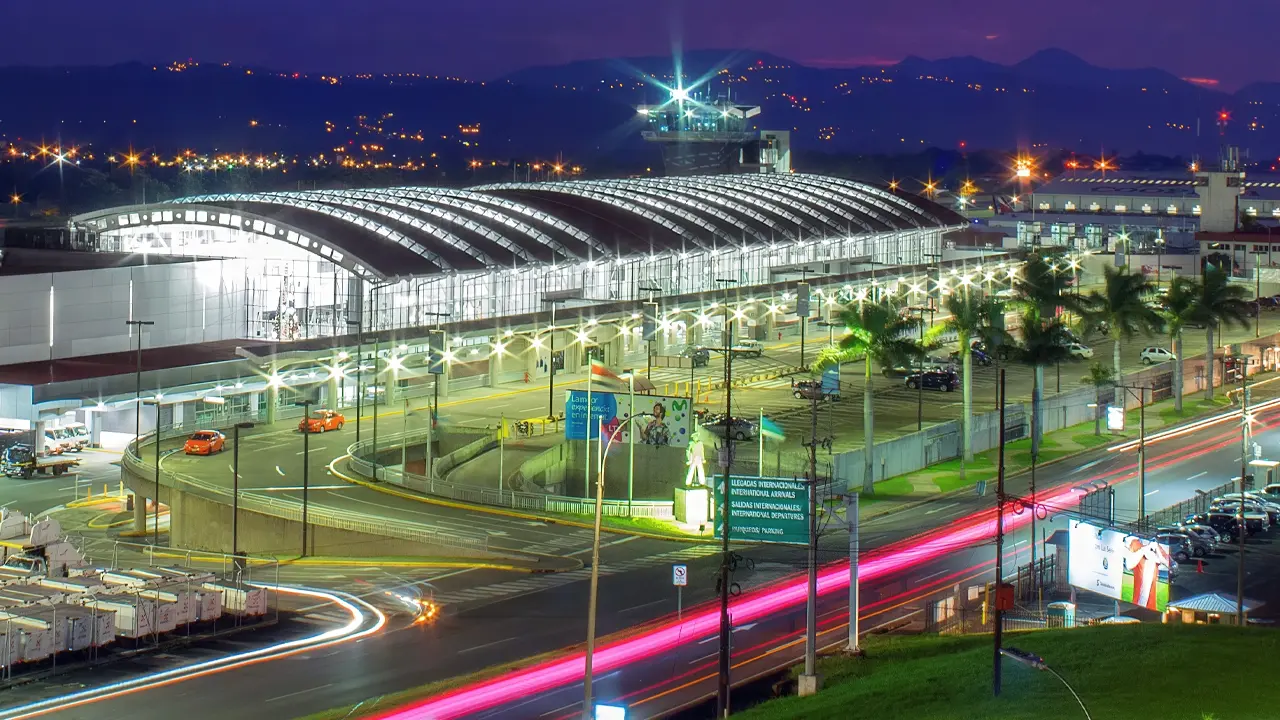
Car Rental in Alajuela: What Travelers Should Know
For many travelers arriving in Costa Rica, Alajuela is more…

Coffee Tours in Alajuela, Costa Rica
A Complete Visitor Guide from the Heart of the Central…
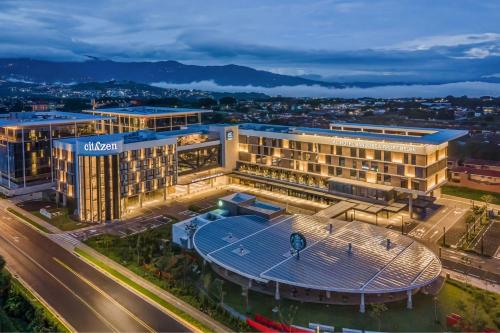
Best Hotels Near San José Airport (SJO) in Alajuela
For many travelers to Costa Rica, Alajuela is the first…