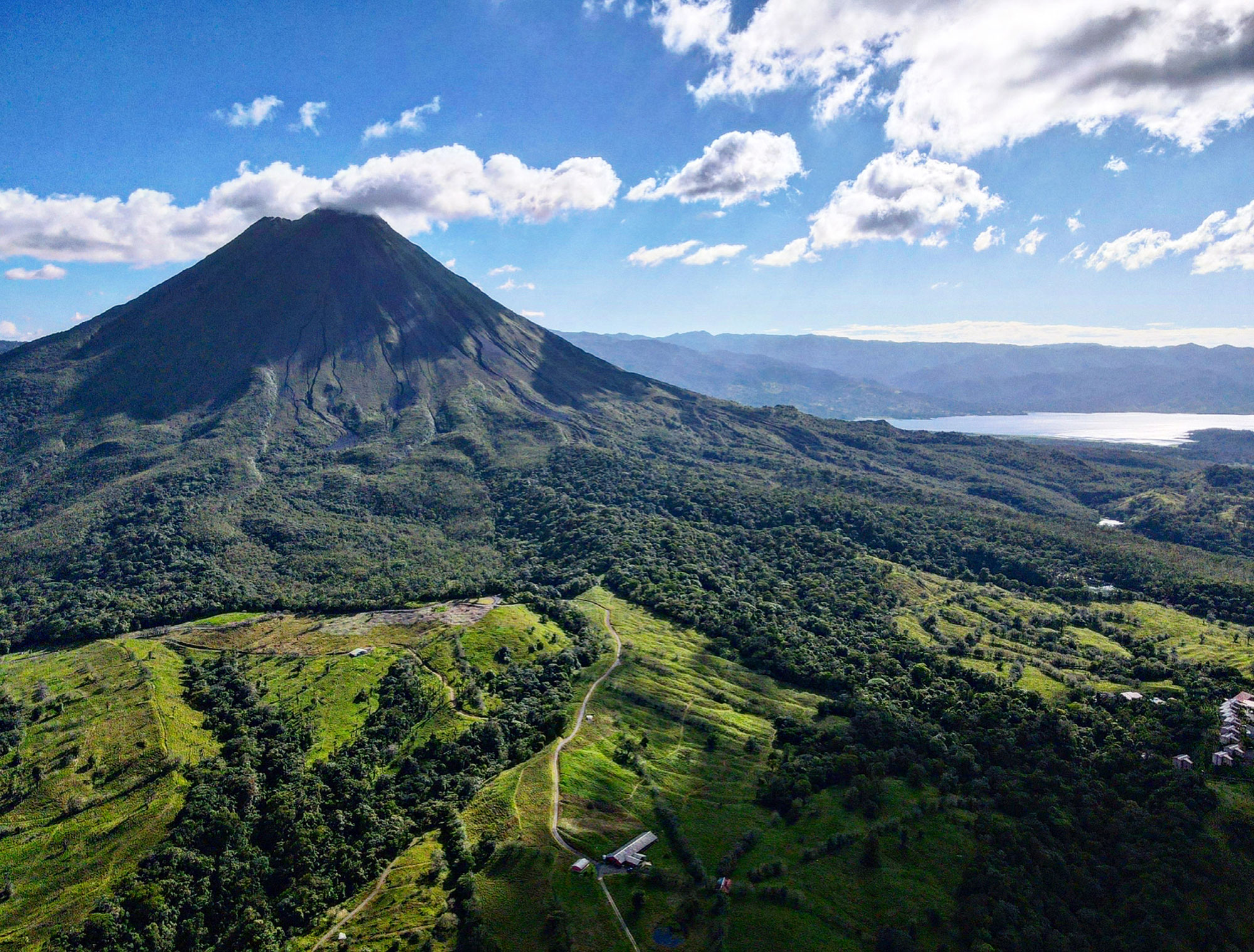
Just 45 minutes from downtown Alajuela, Poás Volcano National Park offers one of the most accessible active volcano experiences in the world. For travelers landing at Juan Santamaría International Airport (SJO), this dramatic crater — steaming, otherworldly, and often wrapped in swirling mist — is the perfect introduction to Costa Rica’s geological power.
Whether you’re a Baby Boomer couple easing into a wellness-focused journey, a multi-generational family seeking an educational outdoor experience, or an independent traveler building an adventure itinerary, here’s everything you need to know about visiting Poás Volcano from Alajuela.
Alajuela: Gateway to Costa Rica’s Volcanic Highlands
Most travelers rush through Alajuela on their way to the beach or rainforest. That’s a mistake.
Located in Costa Rica’s fertile Central Valley, Alajuela sits at roughly 3,000 feet (900 m) elevation, surrounded by coffee plantations, sugarcane fields, and cool mountain air. It’s calmer than neighboring San José and significantly closer to the highland parks.
Its strategic location makes it the ideal base for:
- Early access to Poás Volcano
- Coffee farm tours
- Waterfall hikes
- Cultural visits to local markets and historic churches
- Day trips before heading north toward La Fortuna and Arenal Volcano
For travelers adjusting after a long international flight, Alajuela offers a gentle introduction to Costa Rica’s landscape and rhythm.
Poás Volcano National Park: What Makes It Special
Elevation: 8,885 ft (2,708 m)
Drive Time from Alajuela: 45–60 minutes
Hike Difficulty: Easy, paved walk
Crater Type: Active stratovolcano with acidic crater lake
Poás is one of the most active volcanoes in Costa Rica. Its massive main crater — over a mile wide — contains a striking turquoise acidic lake that vents sulfuric steam into the air.
Unlike more strenuous volcano hikes in Costa Rica, visiting Poás involves:
- A short, paved 10–15 minute walk from the parking area
- Guardrails and observation platforms
- Time-controlled viewing windows for safety
This makes it particularly well-suited for:
- Older travelers
- Families with children
- Visitors are easing into higher elevations.
- Travelers with moderate mobility concerns
Safety & Monitoring
Because Poás remains active, access is closely monitored by Costa Rica’s National Park Service (SINAC). The park has reopened and closed multiple times in recent years, depending on volcanic activity. Always verify status before departure.
Entry Reservations & Logistics (Important)
Advance online reservations are mandatory.
Walk-up entry is not permitted.
You must:
- Purchase tickets online through the official SINAC system
- Select a specific entry time.
- Arrive at least 15 minutes early.
Visitor Limits: Strict hourly caps
Time at Crater Viewpoint: Typically 20–30 minutes
For affluent families or travelers on tight itineraries, consider booking a guided experience that includes transportation from Alajuela. Guides provide geological context and monitor weather timing, which can dramatically impact visibility.
Seasonal Weather Considerations
Poás sits nearly 9,000 feet above sea level. Weather shifts quickly.
Best Time of Day: Early Morning
Cloud cover frequently rolls in by late morning. The clearest crater views typically occur between 8:00 and 10:00 AM.
Staying overnight in Alajuela lets you arrive at opening time, before clouds obscure the crater.
Dry Season (December–April)
- Higher chance of clear views
- Cooler mornings (bring a light jacket)
- Peak tourism during holidays
Green Season (May–November)
- Lush surrounding cloud forest
- Fewer crowds
- Morning visits are still ideal.
- Heaviest rain typically in September–October
Even during the rainy season, mornings are often clear before afternoon cloud build-up.
Where to Stay in Alajuela for Early Volcano Access
For early crater visibility, proximity matters. Choose accommodations north or west of downtown Alajuela for faster access to the mountains.
Boutique & Upscale Options
Ideal for wellness travelers and couples:
- Hacienda-style properties surrounded by coffee fields
- Small eco-lodges with volcano views on clear days
- Boutique airport hotels with garden settings
These properties offer:
- Quiet evenings
- On-site dining
- Early breakfast arrangements
- Secure parking for rental cars
Family-Friendly Stays
Look for:
- Properties with spacious suites
- Swimming pools
- Easy highway access
- Flexible breakfast hours
For families heading next to La Fortuna and Arenal Volcano, Alajuela makes a practical first-night stop before continuing north.
Best Things to Do in Alajuela Alongside Poás
Pairing Poás with nearby experiences creates a richer, slower-paced highlands itinerary.
Visit a Coffee Farm
The slopes surrounding Poás are prime coffee-growing territory. Many estates offer guided tastings and sustainability tours — ideal for cultural enthusiasts and wellness travelers interested in agro-ecology.
Explore La Paz Waterfall Gardens
Located on the same mountain route as Poás, this park features:
- Multiple accessible waterfalls
- Paved walking trails
- Wildlife exhibits
It’s a popular addition for families or travelers wanting a more immersive nature experience.
Central Park & Alajuela Cathedral
For a cultural pause:
- Visit Juan Santamaría Park
- Explore local markets
- Enjoy traditional Costa Rican cuisine in a soda (local diner)
Combine with a Scenic Drive Toward Lake Arenal
For road trip enthusiasts continuing north, the highland drive eventually descends toward Lake Arenal and onward to La Fortuna — one of the most scenic transitions in Costa Rica.
Practical Tips for Visiting Poás
- Bring a light rain jacket, even in the dry season
- Wear layers — temperatures are cooler than in Alajuela.
- Avoid strenuous activity immediately if sensitive to altitude.
- Follow all ranger instructions strictly.
- Check the official park status the morning of your visit.
Sulfur fumes can be strong at times. Visitors with respiratory sensitivity should consult a physician before visiting active volcanic sites.
Is Poás Volcano Worth It?
Absolutely — particularly because of its accessibility.
Few places in the world allow you to stand safely on the rim of an active volcanic crater after such a short walk. For travelers short on time or easing into Costa Rica’s more rugged landscapes, Poás delivers high drama with minimal effort.
For Baby Boomers and wellness-focused travelers, it’s a rare opportunity to experience raw geological power without a strenuous trek.
For families, it’s a living science lesson.
For adventure enthusiasts, it’s the perfect prologue before heading deeper into Costa Rica’s volcanic spine — toward Arenal, Rincón de la Vieja, or Tenorio.
Suggested 1–2 Night Alajuela + Poás Itinerary
Day 1:
Arrive SJO → Check into Alajuela hotel → Relax, local dinner
Day 2:
Early Poás Volcano visit → Coffee tour → Afternoon free time or waterfall stop
Day 3:
Continue to La Fortuna (2.5–3.5 hour drive)
Poás Volcano isn’t just a day trip — it’s a powerful introduction to Costa Rica’s volcanic identity and an ideal anchor for an Alajuela-focused itinerary.
Related Posts
How to Get from Alajuela to La Fortuna (Shuttle, Bus, Rental Car)
For many travelers, Alajuela is the gateway to Costa Rica.…

How to Spend 1 Night in Alajuela, Costa Rica
Most travelers don’t plan to “visit” Alajuela — they land…

Car Rental in Alajuela: What Travelers Should Know
For many travelers arriving in Costa Rica, Alajuela is more…