If you’re searching for “coffee farm stays near San José, Costa Rica” or wondering where to experience authentic Costa Rican coffee culture without traveling deep into remote regions, the highland towns of Heredia, Naranjo, and Atenas offer one of the most rewarding — and accessible — introductions to the country’s agricultural heart.
Located within 30–90 minutes of San José International Airport (SJO), these Central Valley coffee regions combine volcanic soil, mountain views, mild climates, and a slower pace of life that appeals to Baby Boomers, affluent families, independent travelers, and long-stay visitors alike.
This pillar guide introduces the region and connects you to deeper resources across our Coffee Regions content cluster.
Overview: The Coffee Highlands of Costa Rica
Costa Rica’s coffee identity was born in the Central Valley. The slopes surrounding Heredia, Naranjo, and Atenas provide ideal conditions for high-quality Arabica beans: rich volcanic soil, distinct wet and dry seasons, and elevations between 3,000 and 5,000 feet.
Each town offers a distinct atmosphere:
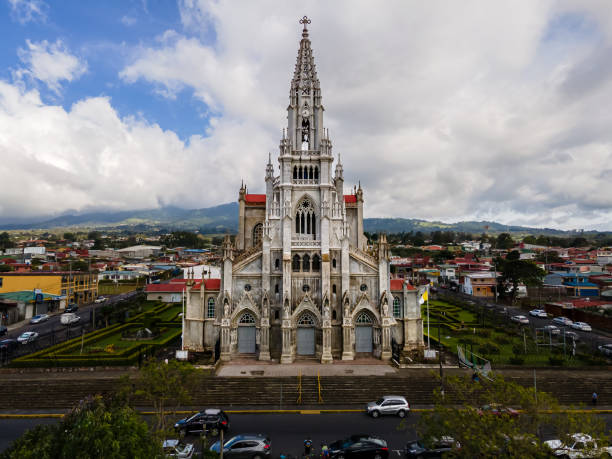
Heredia sits closest to San José and blends university-town energy with historic colonial architecture and nearby coffee estates.
Naranjo feels more rural and agricultural, with rolling hills dominated by family-run coffee farms and expansive valley views.
Atenas, known internationally for its temperate climate, attracts expats, retirees, and wellness travelers seeking scenic mountain living with easy access to the capital.
Together, they form a coffee corridor that balances authenticity with convenience.
For a deeper dive into each town:
- → Heredia Travel Guide
- → Naranjo Costa Rica Coffee Farms
- → Where to Stay in Atenas, Costa Rica
What Everyday Life Looks Like in the Coffee Regions
Unlike resort towns, these highland communities are working agricultural centers.
Grocery Stores & Essentials
You’ll find:
- Local supermarkets and fresh produce markets
- Pharmacies in town centers
- Hardware stores and banks
- Small medical clinics
Heredia offers the most urban conveniences. Atenas and Naranjo feel smaller but still provide essential services.
Town Layout
Most towns revolve around a central park and church, with shops radiating outward. Roads wind uphill quickly; neighborhoods often climb into hillside communities overlooking the valley.
Climate
Temperatures range from the mid-60s to mid-80s °F (18–30°C) depending on elevation. Evenings are cooler than in coastal areas, which appeals to long-stay travelers and retirees.
For more on Atenas’ reputation:
- → Is Atenas the Best Climate in Costa Rica?
Nightlife
This is not a party destination. Evenings are quiet. Restaurants close earlier than in beach towns. The appeal here is conversation, fresh air, and mountain sunsets.
How to Get to Heredia, Naranjo & Atenas
All three towns are accessed via Juan Santamaría International Airport (SJO).
Direct flights operate year-round from:
- Major U.S. hubs (Miami, Dallas, New York, Los Angeles)
- Canadian cities (Toronto, Montreal)
- European gateways (London, Frankfurt, Madrid via connections)
From SJO:
- Heredia: 20–30 minutes
- Atenas: 35–45 minutes
- Naranjo: 60–75 minutes
Roads are paved but include mountain curves. Traffic is heaviest near San José during weekday rush hours.
Because of elevation changes and rural access roads, most visitors prefer renting a car.
Where to Stay in the Coffee Regions
One of the strongest draws of this area is the availability of coffee farm stays near San José, Costa Rica.
Boutique Coffee Estates
Working farms offering guest accommodations provide immersive experiences — sunrise over coffee fields, fresh-roasted beans at breakfast, and panoramic valley views.
These are ideal for:
- Cultural enthusiasts
- Wellness travelers
- Couples seeking quiet
Mountain Lodges & Eco-Lodges
Scattered throughout the hills, these properties emphasize nature, birdwatching, and sustainability.
Vacation Rentals
Athens in particular offers numerous long-stay rentals and expat-friendly homes with mountain views.
For a detailed breakdown:
- → Where to Stay in Atenas, Costa Rica
Where to Eat in the Coffee Highlands
Food here is rooted in simplicity and freshness.
Expect:
- Traditional sodas serving casados (rice, beans, protein, salad)
- Local bakeries
- Coffee cafés roasting regional beans
- Farm-to-table restaurants in Atenas and Heredia
Many coffee estates also offer tasting experiences and light lunches.
For travelers seeking culinary depth without resort pricing, the Coffee Regions offer authentic, affordable options.
What to Do in the Coffee Regions
Coffee Tours
The primary draw.
Many farms offer guided experiences explaining cultivation, harvesting, and roasting. Harvest season (typically November–March) adds visible picking activity.
Explore:
- → Best Coffee Tours Near San José
- → Coffee Harvest Season in Costa Rica
Scenic Drives
Mountain roads between Atenas and Naranjo offer some of the Central Valley’s most photogenic viewpoints.
Hiking & Waterfalls
Nearby cloud forests and lesser-known waterfall trails offer half-day nature escapes free of major crowds.
Day Trips
The region makes an excellent base for:
- → Best Day Trips from San José
Including volcano visits, waterfall gardens, and scenic drives toward La Fortuna.
Getting Around the Coffee Regions
Public buses connect towns, but schedules can be limited and routes indirect.
A rental car offers:
- Flexibility for farm visits
- Access to hillside lodges
- Scenic mountain drives
- Independence from bus timetables
For short stays focused on one town, local taxis and ride services may suffice.
For travelers exploring multiple coffee areas, a rental vehicle is strongly recommended.
When to Visit the Coffee Regions
Dry Season (December–April)
Clearer skies, easier driving conditions, and higher visitor numbers. Ideal for scenic views.
Green Season (May–November)
Lush landscapes, afternoon rains, fewer tourists. September and October see heavier rainfall.
Coffee Harvest Season (November–March)
The most immersive time for farm visits: active picking, processing, and vibrant agricultural energy.
For detailed timing:
- → Coffee Harvest Season in Costa Rica
Pace and Lifestyle
The Coffee Regions move at a slower tempo than beach towns or major tourist hubs.
Mornings begin early. Evenings are quiet. Community life revolves around markets, farms, and local gatherings.
Athens in particular has developed a strong expat presence. If you’re considering relocation:
- → Living in Atenas, Costa Rica
Heredia retains a more local, university-driven atmosphere. Naranjo feels deeply agricultural and traditional.
Things to Be Cautious Of
Mountain roads are narrow and winding.
Afternoon rains during the green season can reduce visibility.
Elevation shifts bring cooler evenings — pack layers.
Driving at night requires attention, particularly on rural routes.
While the region is generally safe, follow standard precautions when traveling in rural areas and when handling valuables.
Why Choose the Coffee Regions?
For travelers wanting proximity to San José without sacrificing authenticity, these highland towns offer:
- Cultural depth
- Scenic mountain living
- Agricultural immersion
- Cooler climate
- Access to both the city and nature
If your travel style leans toward meaningful experiences rather than resort isolation, Heredia, Naranjo, and Atenas provide one of Costa Rica’s most balanced and livable regions.
From here, you can dive deeper into specific town guides, coffee estate profiles, and seasonal harvest planning — building a Central Valley itinerary that reflects the country’s agricultural soul rather than just its beaches.
Related Posts
Living in Atenas or Heredia: What Expats Should Know
For many expats considering Costa Rica, the decision isn’t between…

Is Atenas Really the Best Climate in Costa Rica?
For decades, Atenas has carried a bold reputation. You’ll hear…
Heredia Travel Guide: Culture, Coffee & Colonial Streets
Often overshadowed by San José and the beaches beyond, Heredia…