A few day trips from the Central Valley deliver as much natural drama in such a compact radius as Poás Volcano National Park and La Paz Waterfall Gardens. Located in Costa Rica’s cool highlands north of Alajuela, these two attractions sit along the same scenic mountain route — making them ideal to combine in a single, well-planned day.
For travelers staying near San José International Airport (SJO), in Alajuela, or in the surrounding coffee-growing hills, this pairing offers volcanic landscapes, cloud forest trails, and accessible waterfalls without committing to a multi-day transfer.
The key is timing.
The Setting: Costa Rica’s Central Valley Highlands
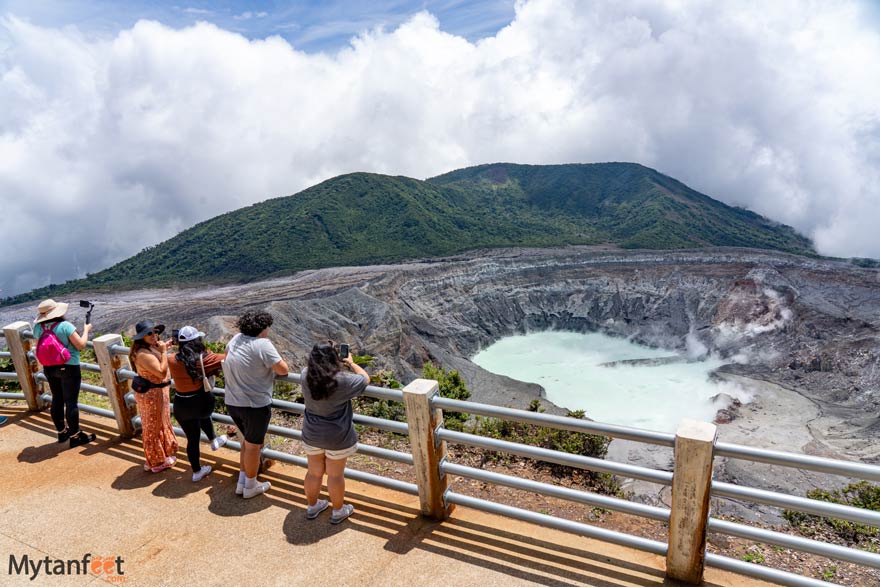
Poás Volcano rises to 8,885 feet (2,708 meters), its massive crater lake steaming beneath shifting mountain clouds. Coffee plantations, dairy farms, strawberry stands, and cool cloud forest define the surrounding region.
La Paz Waterfall Gardens lies on the same mountain corridor, slightly lower in elevation, where dense rainforest supports five major waterfalls along paved trails.
Because both attractions share the same access road network, combining them is logistically straightforward — as long as you plan your schedule around crater visibility.
Why Timing Matters
Poás Volcano operates under a strict timed-entry system, and crater visibility is highly dependent on morning weather patterns.
Cloud cover typically builds between 10:30 a.m. and noon.
To maximize your chances of seeing the crater clearly, book one of the earliest available entry slots — ideally between 8:00 and 9:00 a.m.
La Paz Waterfall Gardens, by contrast, is not weather-sensitive in the same way. Waterfalls are visible in all conditions and often look even more dramatic in mist or light rain.
This makes Poás the priority stop in the morning and La Paz the natural follow-up.
Suggested One-Day Itinerary
Early Morning
Depart Alajuela or San José by 6:30–7:00 a.m.
Arrive at Poás 15–20 minutes before your assigned entry time.
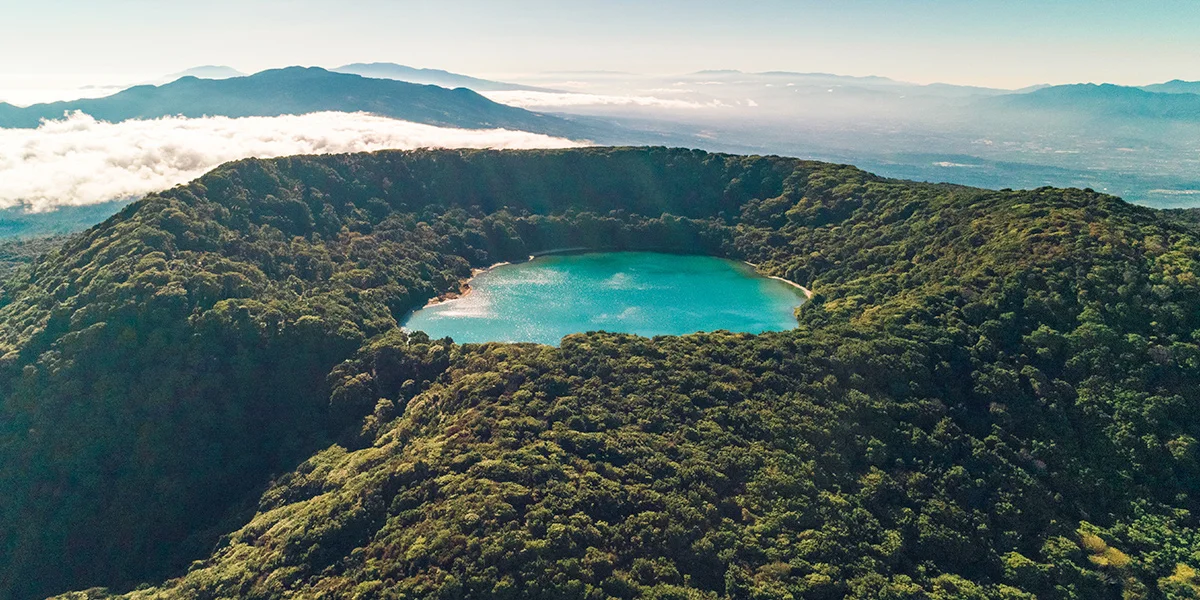
Spend approximately 60–90 minutes inside the park, including the crater overlook and, if time permits, the short walk to Laguna Botos.
Late Morning to Early Afternoon
Drive 30–40 minutes toward La Paz Waterfall Gardens.
Plan 2–3 hours to explore waterfall trails and wildlife exhibits at a relaxed pace. Trails are well-maintained and suitable for most ages, though they involve stairs.
Optional Late Afternoon
Stop at a local café or roadside strawberry stand on the descent back toward Alajuela.
Total active sightseeing time: 4–5 hours
Total day duration including driving: 6–7 hours
Driving and Logistics
From Alajuela to Poás: 45–60 minutes
From Poás to La Paz: 30–40 minutes
From La Paz back to Alajuela: 1–1.5 hours
Roads are paved but winding. During the dry season (December–April), driving conditions are generally clear and stable.
In the green season (May–November), expect afternoon rain and occasional fog at higher elevations. Descending before late afternoon reduces visibility challenges.
A rental car offers the most flexibility. Guided tours also operate from San José and Alajuela, bundling both attractions into a single organized day.
For travelers uncomfortable with mountain driving, a guided option can remove stress — especially for Baby Boomers or families with younger children.
Where to Stay for Easy Access
Staying nearby the night before significantly improves the experience.
Highland Boutique Lodges
Small properties north of Alajuela allow you to reach Poás early without navigating city traffic. Many offer early breakfast options to accommodate timed entry.
These are ideal for couples, wellness travelers, and families wanting a quieter base.
Hotels in Alajuela
For late arrivals into SJO, staying in Alajuela makes logistical sense. You can depart early the next morning, return by mid-afternoon, and then continue toward La Fortuna or the Pacific coast.
What to Expect at Each Attraction
Poás Volcano is structured and time-controlled. The walk to the crater is short and paved. Viewing time at the overlook is limited but powerful.
La Paz Waterfall Gardens is more immersive. Trails lead you alongside multiple waterfalls, and wildlife exhibits include rescued animals native to Costa Rica.
Poás offers geological intensity.
La Paz offers lush biodiversity and extended walking opportunities.
Together, they create balance.
Who This Combination Works Best For
This pairing works especially well for:
Families seeking accessible nature experiences without long hikes.
Multi-generational travelers balancing comfort and scenery.
Short-stay visitors based near San José.
Wellness travelers looking for cooler mountain air.
It’s less ideal for travelers focused on remote wilderness trekking or those based far from the Central Valley.
Practical Tips
Reserve Poás tickets online in advance — they cannot be purchased at the gate.
Dress in layers. Temperatures at Poás are significantly cooler than in San José.
Wear sturdy walking shoes for La Paz, where trails include stairs and damp sections.
Bring rain protection, even in the dry season.
Start early. The earlier you arrive at Poás, the better your chances of visibility.
Final Thoughts
Combining Poás Volcano and La Paz Waterfall Gardens in one day is not only possible — it’s one of the most efficient and rewarding day trips from the Central Valley.
By prioritizing the crater early and allowing flexibility for weather shifts, you can experience two distinct sides of Costa Rica’s highland ecosystem in a single outing.
For many travelers, this pairing becomes the moment Costa Rica shifts from beautiful to unforgettable — a steaming crater in the morning, cascading waterfalls by afternoon.
Related Posts
Poás Volcano Tickets & Reservation Guide
If you’re planning to visit Poás Volcano National Park, securing…
Poás Volcano for Families: What Parents Should Know
For families traveling to Costa Rica, visiting a volcano is…
Poás Volcano National Park: The Complete Visitor Guide
Few places in Costa Rica deliver such an immediate, dramatic…