Volcanoes define Costa Rica — but not all volcano experiences are the same.
If you’re planning a trip and debating between Poás Volcano National Park and Arenal Volcano near La Fortuna, you’re choosing between two very different types of landscapes, logistics, and travel styles.
Both are iconic. Both are accessible. But they deliver entirely different experiences.
This guide will help you decide which volcano fits your itinerary, pace, and expectations.
Overview: Two Volcanoes, Two Experiences
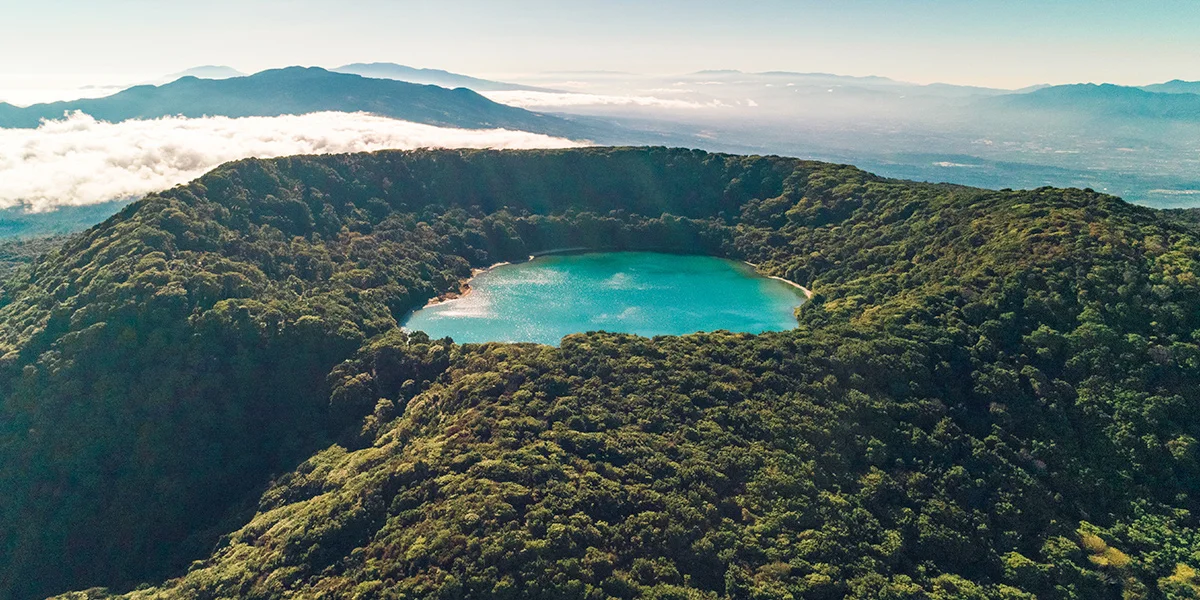
Poás Volcano sits in the Central Valley highlands, about 45–60 minutes from San José International Airport (SJO). It’s known for its massive active crater lake and short, paved access trail.
Arenal Volcano, located near La Fortuna about three hours from San José, is the classic symmetrical cone that appears on postcards. Although currently in a resting phase (with no visible lava), it dominates the surrounding rainforest landscape.
Poás is a high-impact, half-day experience.
Arenal is a multi-day destination.
Crater Viewpoint vs Classic Cone Volcano
The most significant difference comes down to geography and perspective.
At Poás, you stand directly on the rim of a massive crater. You look down into an active volcanic basin where a turquoise acidic lake vents steam. It’s intimate, dramatic, and immediate.
At Arenal, you don’t stand at the crater. Instead, you view the volcano from surrounding trails, lakes, and hot springs. The experience is broader and more immersive — the volcano becomes part of the landscape rather than the single focal point.
Poás delivers concentrated geological drama in under an hour.
Arenal delivers atmosphere over several days.
Accessibility: Which Is Easier?
Poás Volcano is one of the most accessible active volcanoes in the world.
From:
- Alajuela: 45–60 minutes
- San José: ~1.5 hours
The walk to the crater is paved and takes about 10–15 minutes. Timed entry slots control visitor flow.
This makes Poás ideal for:
- Baby Boomers
- Families with young children
- Travelers with limited mobility
- Visitors on short layovers
Arenal requires more time commitment.
From San José or Alajuela, the drive to La Fortuna takes approximately 3–3.5 hours. While roads are paved, the journey involves mountain curves and changing weather conditions.
However, once there, the infrastructure is excellent and designed for tourism.
If you’re short on time, Poás wins for efficiency.
If you have several days, Arenal offers depth.
Hiking & Activities: What Can You Actually Do?
At Poás, activities are limited within the national park:
- Crater viewpoint
- Laguna Botos trail
- Visitor center
Because Poás is highly regulated due to volcanic activity, hiking is minimal. The experience is focused and structured.
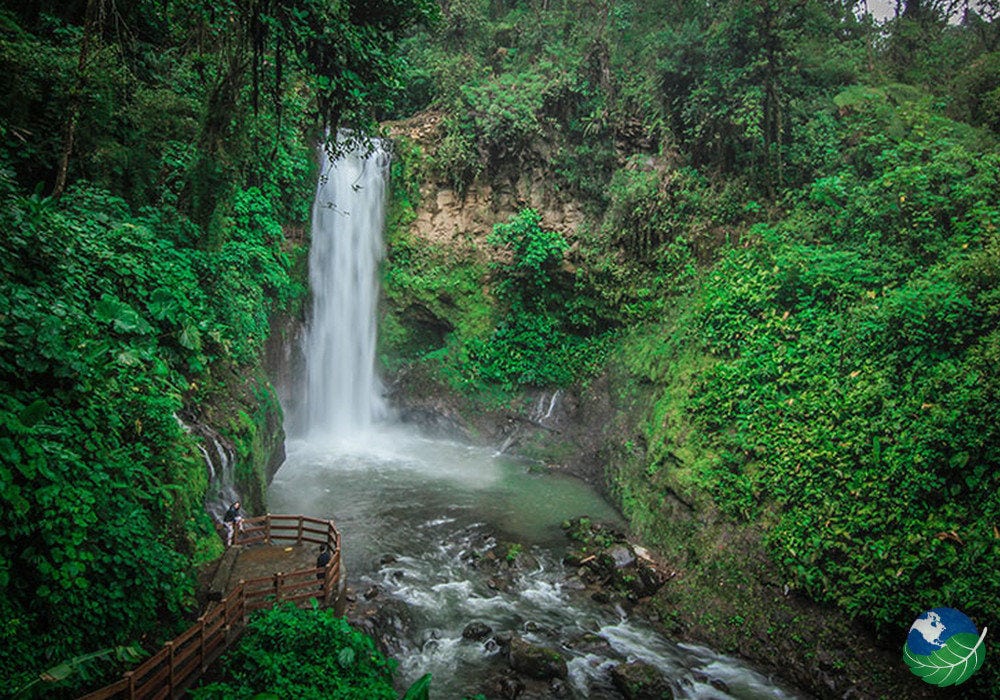
However, the surrounding region offers complementary activities such as coffee tours and nearby waterfall gardens.
At Arenal, activities are extensive:
- Hiking in Arenal Volcano National Park
- Hanging bridges
- Waterfall visits (La Fortuna Waterfall)
- Wildlife tours
- Ziplining
- Hot springs
- Kayaking on Lake Arenal
Arenal functions as a full adventure base.
If your priority is a single dramatic volcanic view, Poás delivers.
If you want a wide range of outdoor activities, Arenal offers significantly more variety.
Accommodation: Mountain Highlands vs Rainforest Resort
Staying near Poás typically means boutique lodges in the Central Valley highlands or hotels in Alajuela.
Expect:
- Coffee plantation settings
- Cooler temperatures
- Quiet mountain atmosphere
- Smaller properties
It’s well-suited for:
- Couples
- Wellness travelers
- Short stays
- First or last nights near SJO
Near Arenal, accommodation ranges widely:
- Luxury hot spring resorts
- Family-friendly hotels
- Eco-lodges
- Boutique jungle properties
Arenal offers more options overall and caters strongly to affluent families and adventure travelers seeking multi-day immersion.
If you’re looking for a one- or two-night highland escape, Poás works beautifully.
If you’re planning a longer stay in the rainforest, Arenal is better equipped.
Which Volcano Is Best for Different Travelers?
Short trips (3–5 days total in Costa Rica):
Poás fits more easily into a compact itinerary.
Multi-region itineraries (7+ days):
Arenal offers a wider variety.
Travelers flying into SJO who don’t want long drives:
Poás is significantly closer.
Adventure-focused travelers:
Arenal provides more physical activity options.
Older travelers or those preferring minimal walking:
Poás is easier and more structured.
Families wanting activity-packed days:
Arenal may offer more engagement.
Weather Considerations
Both volcanoes are weather-dependent.
Poás sits at a higher altitude and is often cloud-covered by late morning. Early entry is crucial for visibility.
Arenal also experiences cloud cover, particularly during the green season, but its lower elevation often provides more flexible viewing opportunities throughout the day.
Neither volcano guarantees clear views — but Poás requires more precise timing.
So… Which Should You Choose?
Choose Poás Volcano if:
You’re based near San José or Alajuela.
You want an accessible, dramatic crater experience.
You have limited time.
You prefer minimal hiking.
Choose Arenal Volcano if:
You want a multi-day adventure hub.
You enjoy hiking, hot springs, and wildlife.
You’re comfortable with a longer drive.
You’re building a rainforest-centered itinerary.
For many travelers, the ideal solution isn’t choosing — it’s sequencing.
Poás makes an excellent introduction to Costa Rica’s volcanic identity shortly after arrival. Arenal deepens the experience later in the trip.
Final Thoughts
Poás and Arenal are not interchangeable — they represent two distinct ways to experience Costa Rica’s volcanic landscape.
One offers proximity and intensity.
The other offers immersion and variety.
Your choice depends less on which volcano is “better” and more on how you want your trip to feel.
Related Posts
Is Poás Volcano Worth Visiting? A Complete Guide
If you’re planning a trip to Costa Rica and weighing…
Poás Volcano National Park: The Complete Visitor Guide
Few places in Costa Rica deliver such an immediate, dramatic…
Poás Volcano and La Paz Waterfall Gardens: How to Combine Them in One Day
A few day trips from the Central Valley deliver as…