Discovering the Heart of Costa Rican Coffee Culture in the Central Valley
San José sits in the fertile Central Valley, where volcanic soil, high elevation, and consistent rainfall create ideal conditions for growing some of the world’s most respected Arabica coffee. Long before eco-tourism defined Costa Rica’s global reputation, coffee shaped its economy, architecture, and social structure.
For travelers spending a night or two in the capital before heading to the rainforest or beach, a coffee tour in San José offers meaningful cultural context. It explains why Costa Rica banned low-grade robusta beans, how smallholder farms operate, and how the country built a reputation for quality over quantity.
Here’s how to experience Costa Rican coffee culture while based in San José.
Why Coffee Matters in Costa Rica
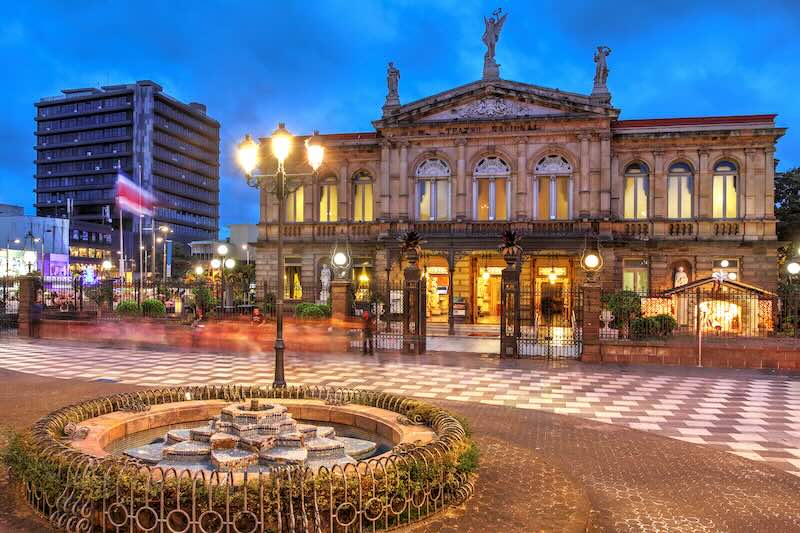
Coffee arrived in Costa Rica in the late 1700s and quickly became the country’s primary export. The wealth generated during the 19th century financed institutions like the National Theater of Costa Rica, a landmark often funded by coffee barons.
Today, Costa Rica produces exclusively Arabica beans, grown primarily in high-altitude regions like Tarrazú, the West Valley, and the Central Valley surrounding San José. Strict quality regulations and traceability standards distinguish Costa Rican coffee from mass-produced varieties elsewhere.
Understanding this history adds depth to every cup you drink.
Best Coffee Tours Near San José
Doka Estate Coffee Tour (Alajuela)
Located on the slopes of Poás Volcano, Doka Estate Coffee Tour is one of the most established coffee experiences near San José.
What to expect:
- Walk through working plantations.
- See traditional wet-mill processing.
- Learn about roasting and grading.
- Guided tasting session
Distance from downtown: ~45 minutes
Best for: First-time visitors, families, structured tours
Doka can easily be paired with a visit to Poás Volcano for a half-day excursion.
Hacienda Alsacia (Starbucks Global Research Farm)
Hacienda Alsacia is Starbucks’ global agronomy research center located near Poás Volcano.
While corporate-owned, the tour offers:
- Scientific insight into disease-resistant coffee varieties
- Sustainable farming techniques
- Stunning views of the Central Valley
- Modern tasting experiences
Distance from San José: ~1 hour
Best for: Coffee enthusiasts interested in innovation and sustainability
Café Britt Coffee Tour (Heredia)
Café Britt offers one of the most entertaining and accessible coffee tours in the Central Valley. Known for its theatrical presentation style, it blends humor with detailed production education.
Distance: ~30 minutes from central San José
Best for: Short stays, easy logistics, first-time coffee learners
Where to Stay for Easy Access to Coffee Tours
If coffee tours are a priority, consider staying in neighborhoods with easy access west of the city.
Escazú
Upscale and convenient for morning departures toward Poás and Alajuela.
InterContinental Costa Rica at Multiplaza Mall offers comfort and quick access to the highway.
Alajuela (Near SJO Airport)
Ideal for early departures and closer proximity to coffee farms.
Courtyard by Marriott San Jose Airport Alajuela offers practical convenience.
Downtown / Barrio Amón
For a cultural stay combined with museums and dining, Hotel Grano de Oro offers central access, though travel time to farms will be slightly longer.
What to Combine with a Coffee Tour
A coffee excursion pairs well with:
- A visit to Poás Volcano National Park
- Exploring the town of Grecia
- Lunch in Heredia
- Museum visits in downtown San José
If you only have one full day in the city, a morning coffee tour followed by afternoon museum visits provides an ideal balance.
Seasonal Harvest Considerations
Costa Rica’s coffee harvest typically runs from November through March, depending on elevation.
During harvest season, you may:
- See active picking in progress.
- Observe fresh processing at wet mills.
- Experience more vibrant farm activity.
Outside harvest months, tours still operate year-round, focusing on education, sustainability practices, and roasting techniques.
The dry season (December–April) generally offers clearer skies for mountain views. Rainy season (May–November) often means lush green plantations and fewer crowds, though afternoon showers are common.
Coffee Culture in San José Itself
Beyond plantation tours, San José has an evolving specialty coffee scene.
Visit Caféoteca in Barrio Escalante to sample beans from multiple Costa Rican regions and learn about tasting notes and brewing methods. It’s an excellent complement to a farm visit.
For a traditional Costa Rican breakfast, order gallo pinto with locally brewed coffee at neighborhood sodas.
Is a Coffee Tour Worth It?
For travelers interested in culture, sustainability, and agriculture, absolutely.
Coffee is not just a beverage in Costa Rica — it is a historical and economic pillar. A well-run coffee tour explains how a small Central American nation built a global reputation on quality control, environmental stewardship, and education.
Whether you choose a traditional estate like Doka, a research-driven experience at Hacienda Alsacia, or a theatrical introduction at Café Britt, you’ll leave with a deeper understanding of Costa Rica’s identity — and a better appreciation for the cup in your hand.
In San José, coffee is not just something you drink. It’s something you learn.
Related Posts
San José, Costa Rica: The Complete Travel Guide to the Capital
San José is often treated as a gateway — the…
San José for First-Time Visitors to Costa Rica
What to Know Before You Head to the Beach or…
San José vs La Fortuna: Which Should You Visit First?
For most international travelers, the journey to Costa Rica begins…