What Expats and Long-Term Visitors Should Know
Playa Potrero isn’t a resort town pretending to be a community. It’s an actual community that happens to sit along a calm Pacific bay.
Located on Guanacaste’s Gold Coast, about one hour from Daniel Oduber Quirós International Airport (LIR), Potrero sits just north of Playa Flamingo and south of Playa Penca. Over the years, it has quietly evolved into one of the more livable coastal pockets in northwest Costa Rica — particularly for expats, retirees, and long-term visitors who want ocean access without heavy tourism.
If you’re considering more than a vacation here, this is what daily life really looks like.
For a broader overview, see Playa Potrero, Costa Rica.
The Lifestyle: Slow, Coastal, Residential
Living in Playa Potrero means adjusting to a slower rhythm.
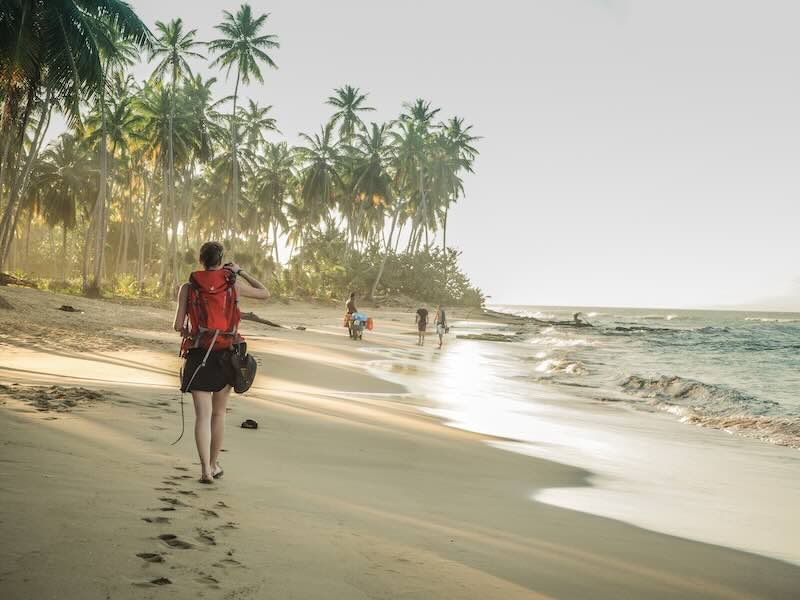
Mornings begin early — often with a beach walk while the water is calm and the air still cool. Midday slows significantly due to heat, especially during the dry season (December–April). Evenings are about sunset, dinner, and quiet conversation.
There is no true “downtown.” Instead, life spreads out across residential streets, beachfront homes, and small businesses.
You won’t find large shopping centers, chain stores, or nightlife scenes. What you will find are neighbors who know each other, casual restaurants like Las Brisas and The Shack, and a mix of Costa Rican families and long-term foreign residents.
For many expats, that balance between community and calm is the draw.
The Surrounding Area
One of Potrero’s biggest advantages is location.
You’re minutes from Marina Flamingo for boating and sportfishing. Playa Flamingo adds more dining and marina energy. Tamarindo, about 40 minutes away, offers larger supermarkets and medical services.
Liberia, roughly an hour inland, provides hospitals, banks, and government offices.
Potrero itself feels quiet — but you’re never isolated.
Where to Stay for Long-Term Living
Most long-term residents live in private homes or condos rather than hotels.
Search terms like “long-term rentals in Playa Potrero, Costa Rica” or “vacation rentals in Playa Potrero, Costa Rica” will reveal a wide range of properties — from modest apartments to ocean-view hillside villas.
For snowbirds and retirees, hillside communities offer breezes and sunset views. Beachfront homes provide walkability but may come with higher humidity and salt-air maintenance.
Short-term visitors often start with a 1–3 month rental before committing to longer leases.
No high-rise condos are dominating the skyline. Housing remains mostly low-density and residential in character.
What Daily Life Actually Looks Like
Grocery shopping happens at local stores like Super Massai Potrero, with larger trips to Tamarindo or Liberia for a broader selection.
Dining is casual. You’ll rotate between familiar spots rather than exploring dozens of new restaurants.
Outdoor living defines the lifestyle. Beach walks, paddleboarding, sailing excursions from Marina Flamingo, and occasional fishing trips are part of the rhythm.
For residents, the beach becomes background rather than spectacle.
Cost of Living Considerations
Playa Potrero is more affordable than some gated luxury communities nearby, but it’s not the cheapest beach in Costa Rica.
Long-term rental costs vary widely depending on proximity to the beach and ocean views. A modest apartment in the countryside may cost significantly less than a hillside villa with a pool and Pacific views.
Utilities, especially electricity, can fluctuate during the dry season when air conditioning runs heavily.
Dining out regularly will increase monthly expenses compared to cooking at home.
Healthcare costs in Costa Rica are generally lower than in the U.S., but expats typically maintain private insurance or enroll in Costa Rica’s public healthcare system (Caja) after residency.
Vehicle ownership is common. While Potrero is small, daily life without a car can feel limiting for errands, appointments, and regional travel.
Who Thrives Living in Playa Potrero
Playa Potrero suits:
• Retirees seeking calm coastal living
• Remote workers are comfortable with a slower pace
• Couples wanting residential authenticity
• Long-term visitors escaping colder climates
• Families prioritizing beach access over nightlife
It may not suit:
• Digital nomads seeking coworking hubs and social scenes
• Those needing walkable city infrastructure
• Travelers wanting constant activity
Seasonal Reality
Dry season (December–April) is sunny and beautiful — but hot. Hills turn golden, and air conditioning becomes important.
Rainy season (May–October) brings greener landscapes and afternoon showers. Many residents actually prefer this time because temperatures feel cooler and crowds thin out.
Understanding seasonality helps set realistic expectations about comfort and activity levels.
Is Playa Potrero a Good Place to Live?
For the right person, yes.
Living in Playa Potrero is less about curated vacation moments and more about steady coastal living. It’s grocery runs, sunset swims, and knowing your restaurant servers by name.
It’s not glamorous in a headline-grabbing way. It’s consistent.
If you’re considering relocating, spending at least one to three months renting before making larger commitments is wise. Experience both seasons if possible.
For many long-term visitors, Playa Potrero isn’t a dramatic choice — it’s a comfortable one.