If you’re planning time in northern Costa Rica, you’ll likely face this decision:
Río Celeste in Tenorio Volcano National Park — or La Fortuna Waterfall near Arenal Volcano?
Both are iconic. Both are photogenic. Both involve hiking.
But they offer very different experiences in terms of accessibility, scenery, swimming opportunities, and logistics.
This guide breaks down the key differences so you can decide which waterfall (or river) fits your travel style, fitness level, and itinerary.
Overview: Two Very Different Natural Experiences
Río Celeste
Location: Tenorio Volcano National Park (near Bijagua)
Famous for: Electric turquoise river color
Setting: Primary rainforest, geothermal activity
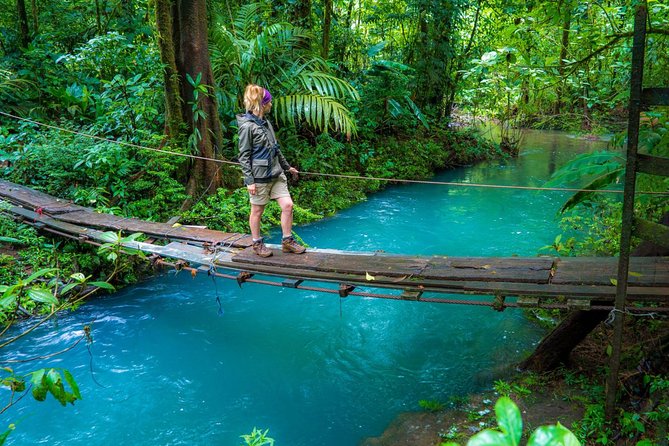
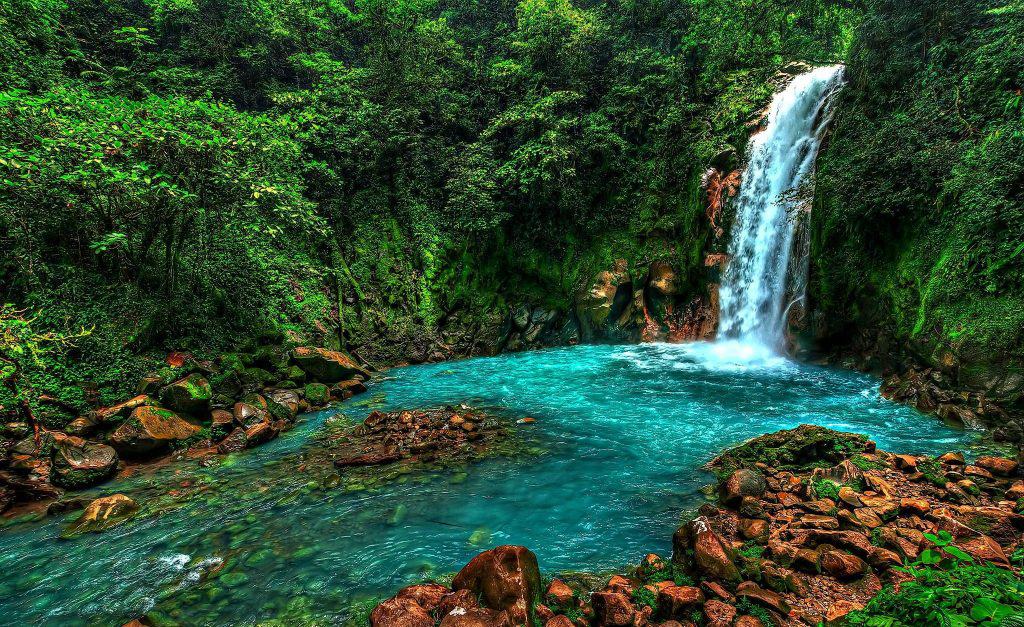
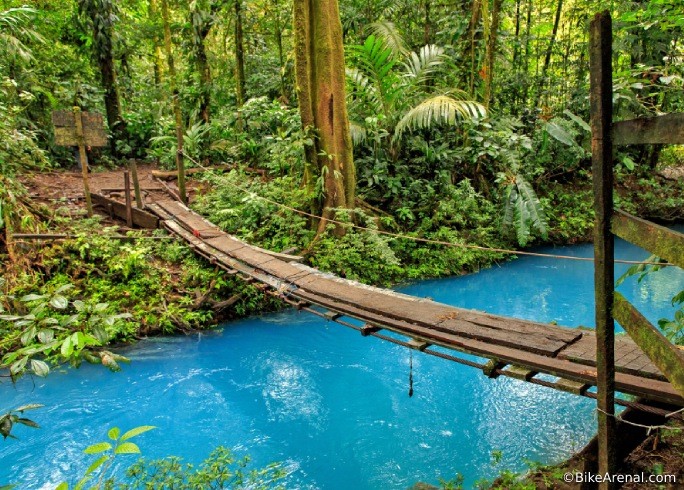
Río Celeste is a full rainforest hike culminating in a surreal blue waterfall. The highlight is not just the waterfall — it’s the river’s unique mineral reaction that creates its color.
La Fortuna Waterfall
Location: Near La Fortuna town (Arenal region)
Famous for: 70-meter waterfall and swimming pool
Setting: Jungle canyon close to town
La Fortuna Waterfall is more accessible, centered on a single dramatic cascade with a swimmable pool at the base.
Accessibility & Hiking Difficulty
Río Celeste Hiking Experience
- Approx. 6–7 km (3.7–4.3 miles) round trip
- Moderate difficulty
- Muddy sections in the rainy season
- Rolling terrain + stairs at waterfall
This is a half-day commitment and requires proper hiking shoes.
Best for:
- Active travelers
- Adventure enthusiasts
- Those who are comfortable with longer forest hikes
La Fortuna Waterfall Hiking Experience
- Approx. 500+ steps down (and back up)
- Short but steep staircase
- 10–15 minute descent
- 15–25 minute climb out
The challenge here is vertical, not distance.
Best for:
- Travelers short on time
- Families with school-age children
- Visitors based in La Fortuna
For baby boomers or travelers with knee concerns, the stairs can feel strenuous — but the overall visit is shorter than Río Celeste.
Scenery & Photography Comparison
Río Celeste: Surreal & Geological
- Bright turquoise river
- Dense rainforest canopy
- Los Teñideros (color-changing confluence)
- Volcanic bubbling features
The river’s color, caused by mineral light scattering, makes this one of Costa Rica’s most unusual natural phenomena.
Photography tip:
Visit in the dry season or after minimal rain for the strongest blue intensity.
La Fortuna Waterfall: Classic Tropical Cascade
- 70-meter vertical drop
- Emerald pool
- Dramatic canyon walls
- Mist and spray for atmospheric shots
This is the archetypal composition of a rainforest waterfall.
Photography tip:
Early morning for fewer crowds and softer light.
Swimming Experience
This is one of the biggest differences.
Can You Swim in Río Celeste?
Inside Tenorio Volcano National Park: No.
Swimming is prohibited to protect the ecosystem and for safety reasons.
There are some downstream areas outside the park where swimming may be allowed, but not at the main waterfall.
Can You Swim at La Fortuna Waterfall?
Yes — in designated areas at the base of the waterfall, conditions permitting.
Water is:
- Cool and refreshing
- Sometimes strong after the rain
- Rocky at entry points
For families and travelers wanting an immersive waterfall swim, La Fortuna offers a better experience.
Travel Logistics Comparison
Río Celeste
From La Fortuna:
- 1–1.5 hours by car
- Rural roads
- Best as early departure
From Guanacaste (Liberia):
- 1.5–2 hours
Requires more planning and travel time.
La Fortuna Waterfall
From downtown La Fortuna:
- 10–15 minutes by car
Highly convenient for travelers already staying in Arenal.
Much easier to integrate into a 2–3 day La Fortuna itinerary.
Time Commitment
Río Celeste
- 3–4 hours inside the park
- Half-day minimum
- Better with an overnight in Bijagua or an early departure
La Fortuna Waterfall
- 1.5–2 hours total visit
- Easy half-day activity
- Combine with hot springs or volcano hiking.
Seasonal Considerations
Río Celeste
- Heavy rain can temporarily turn the river brown.
- Best color during dry season (Dec–April)
- Muddier trails in the green season
The weather directly affects the main attraction.
La Fortuna Waterfall
- Water volume increases during the rainy season.
- Swimming conditions vary after storms.
- Color remains fairly consistent year-round.
More reliable visually, though swimming safety depends on river flow.
Who Should Choose Río Celeste?
Choose Río Celeste if you:
- I am fascinated by geological phenomena.
- Enjoy longer rainforest hikes.
- Want something unique and less conventional.
- Are you combining La Fortuna with Guanacaste?
It feels more remote and scientifically intriguing.
Who Should Choose La Fortuna Waterfall?
Choose La Fortuna Waterfall if you:
- Want to swim beneath a waterfall.
- Have limited time in Arenal
- Prefer shorter, more accessible hikes.
- Are you traveling with kids or mixed fitness levels?
It delivers a classic Costa Rica jungle moment with less logistical effort.
Can You Visit Both?
Yes — and many travelers do.
They complement each other well:
Day 1: La Fortuna Waterfall (shorter, swim-friendly)
Day 2 or 3: Río Celeste (longer, more immersive)
If time is limited to one, your choice should depend on:
- Fitness level
- Travel logistics
- Weather forecast
- Interest in swimming vs hiking
Final Verdict: Río Celeste vs La Fortuna Waterfall
If you want an otherworldly natural phenomenon and don’t mind a longer hike:
Río Celeste wins for uniqueness.
If you want a dramatic waterfall you can swim in with minimal driving:
La Fortuna Waterfall is the more convenient and interactive choice.
Both are worth seeing. They serve different travel priorities.
Choose based on your pace, your base location, and what kind of memory you want to create — a surreal blue river deep in rainforest, or a refreshing swim beneath a towering jungle cascade.
Related Posts
Is Río Celeste Worth Visiting? An Honest Guide
Few natural attractions in Costa Rica generate as much anticipation…
How to Get to Río Celeste from La Fortuna or Guanacaste
A Practical Transportation Guide to Tenorio Volcano National Park Tucked…
Tenorio Volcano National Park Guide (Beyond Río Celeste)
Rainforest Trails, Wildlife & Geothermal Wonders in Northern Costa Rica…