A Seasonal Guide to Costa Rica’s Wildest Rainforest
Corcovado National Park is one of the most biologically intense places in Central America — but it is also one of the most weather-dependent.
Located on the remote Osa Peninsula along Costa Rica’s southern Pacific coast, Corcovado experiences dramatic seasonal shifts that directly affect:
- Trail conditions
- Wildlife visibility
- Boat access
- Overnight stays
- Permit availability
Choosing the best time to visit Corcovado National Park depends on what kind of experience you want.
For a full overview of the park, see:
Understanding Corcovado’s Climate
Corcovado has two primary seasons:
- Dry Season (December–April)
- Green / Rainy Season (May–November)
Unlike Costa Rica’s northern Pacific, the Osa Peninsula receives significant rainfall year-round. Even in the “dry” season, expect humidity and occasional showers.
Corcovado is hot, humid, and intense in any month — but seasonal differences matter.
Dry Season (December–April)
Why Many Consider This the Best Time
The dry season is the most popular and predictable time to visit Corcovado.
Expect:
- Less rainfall
- More stable trail conditions
- Calmer Pacific waters (for Drake Bay access)
- Higher visitor demand
Boat access from Drake Bay is more reliable during these months.
If you’re planning access routes, see:
How to Visit Corcovado National Park
Wildlife in Dry Season
During drier months:
- Animals concentrate near rivers and water sources.
- Tapir sightings near Sirena increase
- Trail visibility improves
Sirena Station remains the top wildlife sector year-round:
Drawbacks of the Dry Season
- Higher permit demand (book well in advance)
- Hotter daytime temperatures
- Less dramatic rainforest greenery compared to the peak rainy season
If you are visiting for the first time, the dry season is often the safest time to visit.
Green / Rainy Season (May–November)
The green season transforms Corcovado into a dense, vibrant rainforest.
Expect:
- Afternoon rain showers
- Lush vegetation
- Fewer visitors
- Muddier trails
September and October are typically the wettest months.
Wildlife in Green Season
The rainy season can offer:
- Increased amphibian activity
- More bird vocalization
- Stronger forest soundscape
- Active insect life
Mammal sightings remain possible year-round, though trail conditions may slow movement.
Full species overview:
Trail & Accessibility Considerations
This is where season matters most.
Dry Season:
- Easier hiking
- More stable river crossings
- Safer overland access from Puerto Jiménez
Rainy Season:
- Muddy, slippery trails
- Higher rivers
- Potential temporary station closures
- Rougher seas for boat access
If accessing via Drake Bay, ocean conditions become a factor.
Comparison guide:
Where to Stay Depending on the Season
Dry Season: Flexibility in Bases
Both Drake Bay and Puerto Jiménez function smoothly.
- Boat transfers are more predictable.
- Multi-day treks easier
- Sirena’s overnight stays are highly in demand.
Overnight guide:
Rainy Season: Choose Base Carefully
During peak rains:
- Drake Bay boat transfers may be affected by swells.
- Overland access from Puerto Jiménez may involve muddy routes.
Eco-lodges in both towns may temporarily close in September–October.
Booking flexibility is essential.
Month-by-Month Snapshot
December–April
Best overall conditions. Peak demand. Reliable access.
May–June
Beginning of the rains. Lush scenery. Moderate visitor numbers.
July–August
Often, there is a short “mini-dry” window. Good compromise month.
September–October
Heaviest rainfall. Fewer visitors. Some logistical challenges.
November
Transition month. Improving conditions toward the dry season.
So, When Is the Best Time to Visit?
Best for First-Time Visitors
December–April
Best for Wildlife Photography in Lush Conditions
May–August
Best for Fewer Crowds
May, June, November
Most Challenging Months
September–October
If you’re deciding whether the effort is worth it at all, read:
Final Thoughts
Corcovado is not a “perfect weather” destination. It is a rainforest — humid, dynamic, and unpredictable.
Dry season offers ease and reliability.
The rainy season offers intensity and immersion.
The best time to visit Corcovado National Park ultimately depends on:
- Your tolerance for mud and humidity
- Your flexibility with logistics
- Your wildlife goals
- Your overall Costa Rica itinerary
What remains constant is this: Corcovado is wild year-round.
Choose the season that matches your comfort level — and prepare for one of the most powerful rainforest experiences in the Americas.
Related Posts
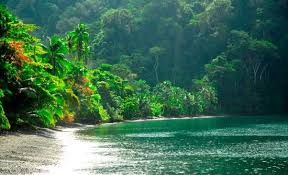
Corcovado National Park for First-Time Visitors
What You Need to Know Before Stepping Into Costa Rica’s…
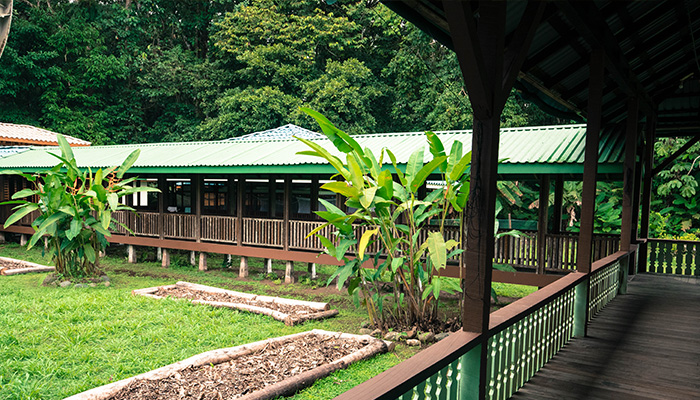
Sirena Ranger Station: What to Expect (Overnight Guide)
If you’re planning a visit to Corcovado National Park, there…
Corcovado National Park from Drake Bay: What to Expect
If you’re traveling to the Osa Peninsula, there’s a strong…