Corcovado National Park is not a place you show up and explore.
Located on Costa Rica’s remote Osa Peninsula, Corcovado protects one of the most biodiverse tracts of lowland tropical rainforest in the world. Its ecosystems are fragile, wildlife is abundant, and access is strictly regulated.
If you’re researching Corcovado National Park permits, guides, and logistics, this guide walks you through exactly how to plan your visit — step by step.
For a full overview of the park, start here:
Overview: Where You’re Going
Corcovado spans over 164 square miles (424 km²) of protected land on the Osa Peninsula in southern Costa Rica.
It includes:
- Primary rainforest
- Remote beaches
- River systems
- Mountain trails
- Multiple ranger stations
The park is accessed from two main gateway towns:
- Drake Bay (northwest coast)
- Puerto Jiménez (east side, Golfo Dulce)
Each offers different entry stations and experiences.
If you’re comparing bases, see:
Do You Need a Permit to Visit Corcovado?
Yes — and you cannot enter independently.
1. Certified Guide Is Mandatory
All visitors must enter with a licensed guide registered with the park.
This is non-negotiable.
The guide requirement protects:
- Wildlife
- Visitors
- Sensitive ecosystems
Independent hiking is not allowed.
2. Advance Permit Reservation Is Required
Visitor numbers are capped daily at each ranger station.
Permits must be:
- Reserved in advance
- Processed through authorized tour operators
- Linked to your licensed guide
Walk-up entry is extremely unlikely during peak season.
How to Choose Your Corcovado Entry Station
Your experience depends heavily on which ranger station you choose.
Sirena Ranger Station
Best for wildlife density
- Highest chance of tapir sightings
- Flatter trails
- Accessed by boat from Drake Bay
- Overnight stays available
Ideal for first-time visitors.
Detailed guide:
San Pedrillo Station
Best for waterfalls & moderate hiking
- Closer to Drake Bay
- Coastal rainforest
- Slightly fewer large mammal sightings
Good for day trips.
More here:
La Leona Station
Best for coastal overland hiking
- Accessed from Puerto Jiménez
- Beach and forest trails
- Longer, more strenuous hikes
Good for experienced hikers.
Los Patos Station
Best for multi-day expeditions
- Mountain access
- Challenging terrain
- Less visited
Advanced trekking route.
How to Visit Corcovado from Each Gateway
From Drake Bay
Most visitors access:
- Sirena
- San Pedrillo
Boat transfer is required.
Full logistics here:
How to Visit Corcovado from Drake Bay
Drake Bay is ideal for combining Corcovado with marine experiences like snorkeling.
From Puerto Jiménez
Access typically includes:
- La Leona
- Los Patos
- Multi-day treks toward Sirena
Overland routes are more common.
Guide here:
How to Visit Corcovado from Puerto Jiménez
Puerto Jiménez offers more infrastructure and road access.
Where to Stay Near Corcovado
Your accommodation affects your logistics.
Eco-Lodges in Drake Bay
- Guided packages included
- Boat transport coordinated
- Ideal for shorter visits
Hotels & Guesthouses in Puerto Jiménez
- Flexible dining
- Road access
- Budget-friendly options
Overnight at Sirena Ranger Station
An overnight stay at the Corcovado National Park Sirena Station is one of Costa Rica’s most immersive wildlife experiences.
Expect:
- Dorm-style accommodation
- Set meal times
- Early morning wildlife viewing
Details here:
What to Plan in Advance
Corcovado rewards preparation.
You should secure:
- Park permits
- Licensed guide
- Entry station selection
- Accommodation
- Transportation to the gateway town
- Travel insurance
Peak dry season (December–April) books weeks in advance.
What to Pack
Corcovado is hot, humid, and physically demanding.
Bring:
- Lightweight hiking shoes
- Long sleeves (sun & insects)
- Refillable water bottle
- Sun protection
- Insect repellent
- Waterproof protection for electronics
Swimming in rivers is not permitted due to wildlife.
Seasonal Considerations
Dry Season (December–April)
- Easier trail conditions
- Calmer boat transfers
- Higher visitor demand
- Best for first-time visitors
Green Season (May–November)
- Lush rainforest
- Fewer crowds
- Muddier trails
- Heavier rainfall (especially September–October)
Some sections may close temporarily due to flooding.
Full timing guide:
Is Visiting Corcovado Worth the Effort?
Corcovado is not casual tourism.
It is:
- Hot
- Physically demanding
- Logistically structured
- Deeply immersive
But for travelers seeking wildlife density, biodiversity, and true rainforest immersion, it often becomes the highlight of Costa Rica.
If you’re still deciding, read:
Final Thoughts
Visiting Corcovado requires more planning than most national parks — and that’s intentional.
Permits are limited to protect wildlife. Guides are mandatory to ensure safety. Access is structured to protect Central America’s most important ecosystem.
For travelers willing to prepare in advance and respect the park’s regulations, Corcovado offers something increasingly rare:
A rainforest that still feels wild.
Plan early. Choose the right entrance. Book a qualified guide.
And step into one of the most extraordinary protected landscapes in the Americas.
Related Posts
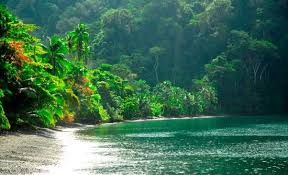
Best Time to Visit Corcovado National Park
A Seasonal Guide to Costa Rica’s Wildest Rainforest Corcovado National…
Corcovado National Park from Drake Bay: What to Expect
If you’re traveling to the Osa Peninsula, there’s a strong…
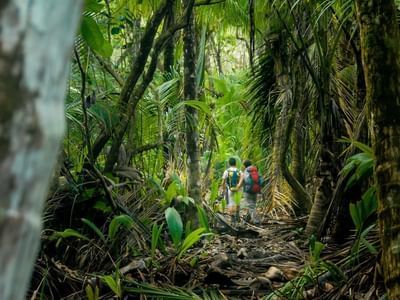
Overnight vs Day Trip to Corcovado: Which Is Better?
Corcovado National Park is one of the most biologically intense…