The Ultimate Guide to Drake Bay & the Osa Peninsula
If you ask Costa Ricans where the country still feels wild, many will point to the Osa Peninsula. And if you want access to that wilderness without giving up comfort entirely, Drake Bay is your gateway.
Remote, boat-accessed, and wrapped in rainforest that spills into the Pacific, Drake Bay is one of Costa Rica’s most biologically intense destinations. It’s the launching point for Corcovado National Park tours from Drake Bay, snorkeling trips to Caño Island Biological Reserve, whale watching excursions, and some of the most immersive jungle experiences in the country.
This pillar guide covers everything you need to know about visiting Drake Bay — including logistics, where to stay, what to do, and when to go.
Overview: Where Is Drake Bay?
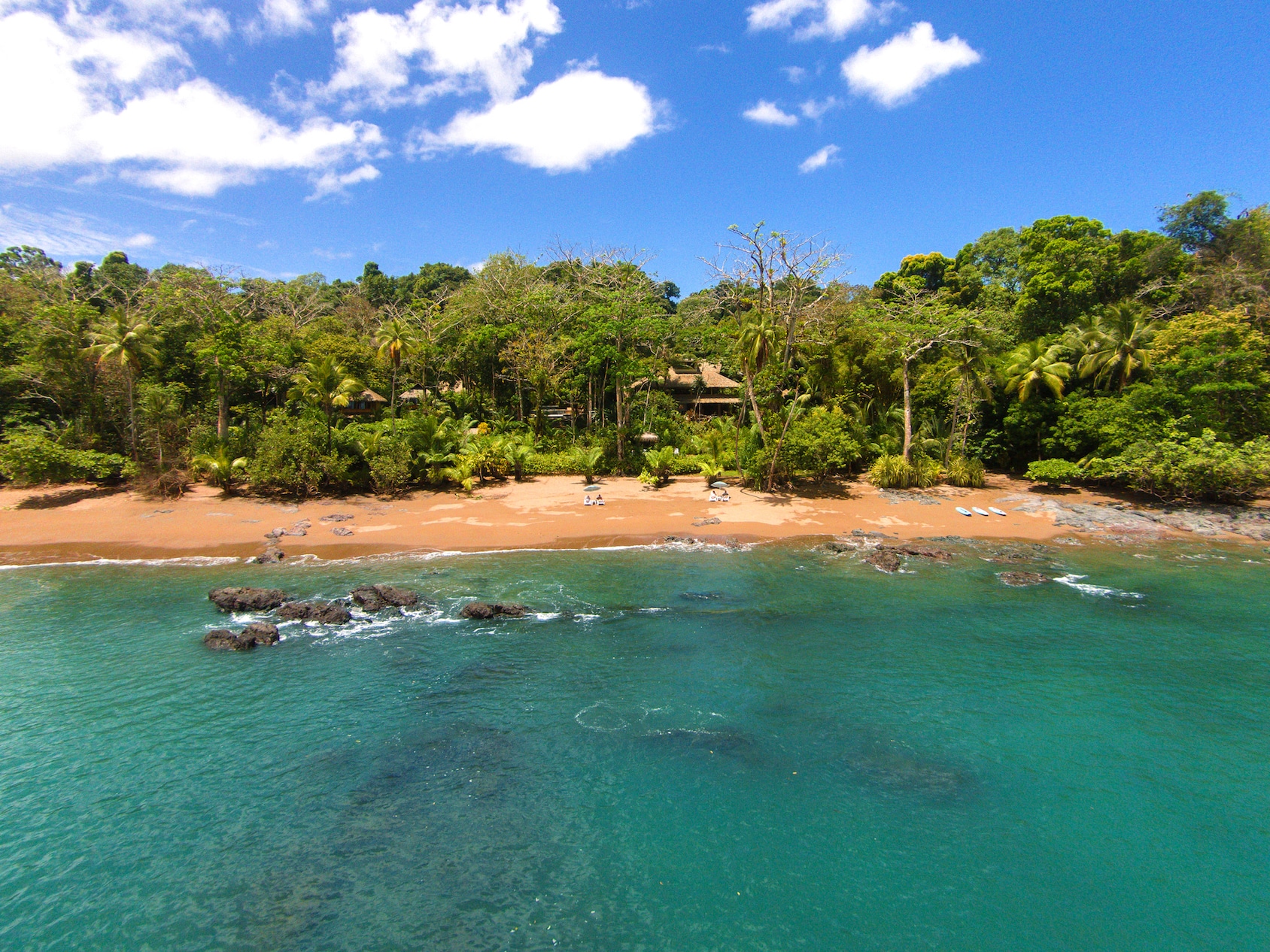
Drake Bay sits on the northern edge of the Osa Peninsula, along Costa Rica’s remote southern Pacific coast.
It is:
- About 45 minutes by domestic flight from San José
- 1.5 hours by boat from Sierpe
- 6–8 hours by road from San José (depending on conditions)
Drake Bay serves as one of the primary access points to Corcovado National Park, widely considered one of the most biodiverse places on Earth.
Unlike larger beach towns, Drake Bay remains low-density and conservation-focused.
The Basics: What Drake Bay Is Really Like
Drake Bay is not a typical Costa Rican beach town.
Expect:
- A small village layout
- No supermarkets
- Limited paved roads
- Intermittent Wi-Fi
- Cash-based transactions in some places
The “town” consists of:
- A few small grocery shops
- Local sodas
- Tour operator offices
- Jungle-backed cabins and lodges
The remoteness is part of the appeal.
If you’re looking for nightlife, large resorts, or high-end shopping, this is not your destination.
If you’re looking for rainforest immersion with Pacific views, it absolutely is.
How to Get to Drake Bay
Reaching Drake Bay requires planning — but that’s part of what keeps it special.
International Arrival
Most US, Canadian, and European travelers fly into:
- San José International Airport (SJO)
Liberia (LIR) is technically possible, but it is significantly farther by land.
Option 1: Domestic Flight to Drake Bay Airstrip (Fastest)
From San José, small regional airlines operate daily flights to the Drake Bay airstrip.
Flight time: ~45–50 minutes.
Pros:
- Fastest access
- Scenic aerial views
- Avoids rough roads
Cons:
- Weight limits on luggage
- Weather-related delays possible
Best for:
- Baby boomers
- Families
- Travelers with limited time
See full logistics breakdown in:
How to Get to Drake Bay
Option 2: Boat Transfer from Sierpe (Most Popular)
Drive or shuttle to Sierpe, then take a boat transfer through mangroves and along the Pacific coast.
Boat time: ~1–1.5 hours.
Pros:
- Scenic mangrove experience
- Lower cost than flights
- Memorable arrival
Cons:
- Ocean conditions can be rough.
- Luggage may get wet
- Requires careful timing
This is the classic arrival route.
Option 3: Self-Drive (Most Rugged)
Driving to Drake Bay involves:
- Long stretches of unpaved road
- River crossings (seasonal)
- 4×4 vehicle required
Travel time from San José: 6–8 hours.
Best for experienced drivers comfortable with rural conditions.
Where to Stay in Drake Bay
Accommodations focus on eco-luxury, sustainability, and immersion in nature.
Eco-Lodges
Many properties are:
- Solar-powered
- Open-air design
- Wildlife-surrounded
- Integrated into the rainforest canopy
Ideal for travelers prioritizing sustainability and nature immersion.
Jungle Cabins
Mid-range options offer:
- Simple comfort
- Private decks
- Direct beach or jungle access
Boutique Wilderness Resorts
Higher-end properties provide:
- All-inclusive packages
- Guided excursions
- Elevated dining experiences
- Concierge coordination for Corcovado tours
For travelers seeking luxury eco-lodges in Drake Bay, this is where the region excels.
Where to Eat in Drake Bay
Dining options are small-scale but satisfying.
Expect:
- Lodge restaurants with fresh seafood
- Traditional Costa Rican sodas
- Casual beachfront cafés
Because infrastructure is limited, many travelers eat most of their meals at their lodges.
Fresh fish, rice and beans, plantains, and tropical fruit dominate menus.
What to Do in Drake Bay
Drake Bay is an activity hub for nature-focused travelers.
Corcovado National Park Tours from Drake Bay
The headline experience.
Day tours typically include:
- Early boat transfer to park entrance
- Guided rainforest hike
- Wildlife spotting
- The boat returns in the afternoon.
Corcovado is home to:
- Tapirs
- Scarlet macaws
- Spider monkeys
- Sloths
- Peccaries
- Rare jaguars (rarely seen but present)
For details, see:
Corcovado National Park from Drake Bay
Caño Island Snorkeling
Caño Island Biological Reserve snorkeling tours offer:
- Clear Pacific waters
- Coral reef systems
- Reef fish
- Sea turtles
- White-tip reef sharks
The dry season typically offers the best underwater visibility.
See:
Caño Island Snorkeling Guide
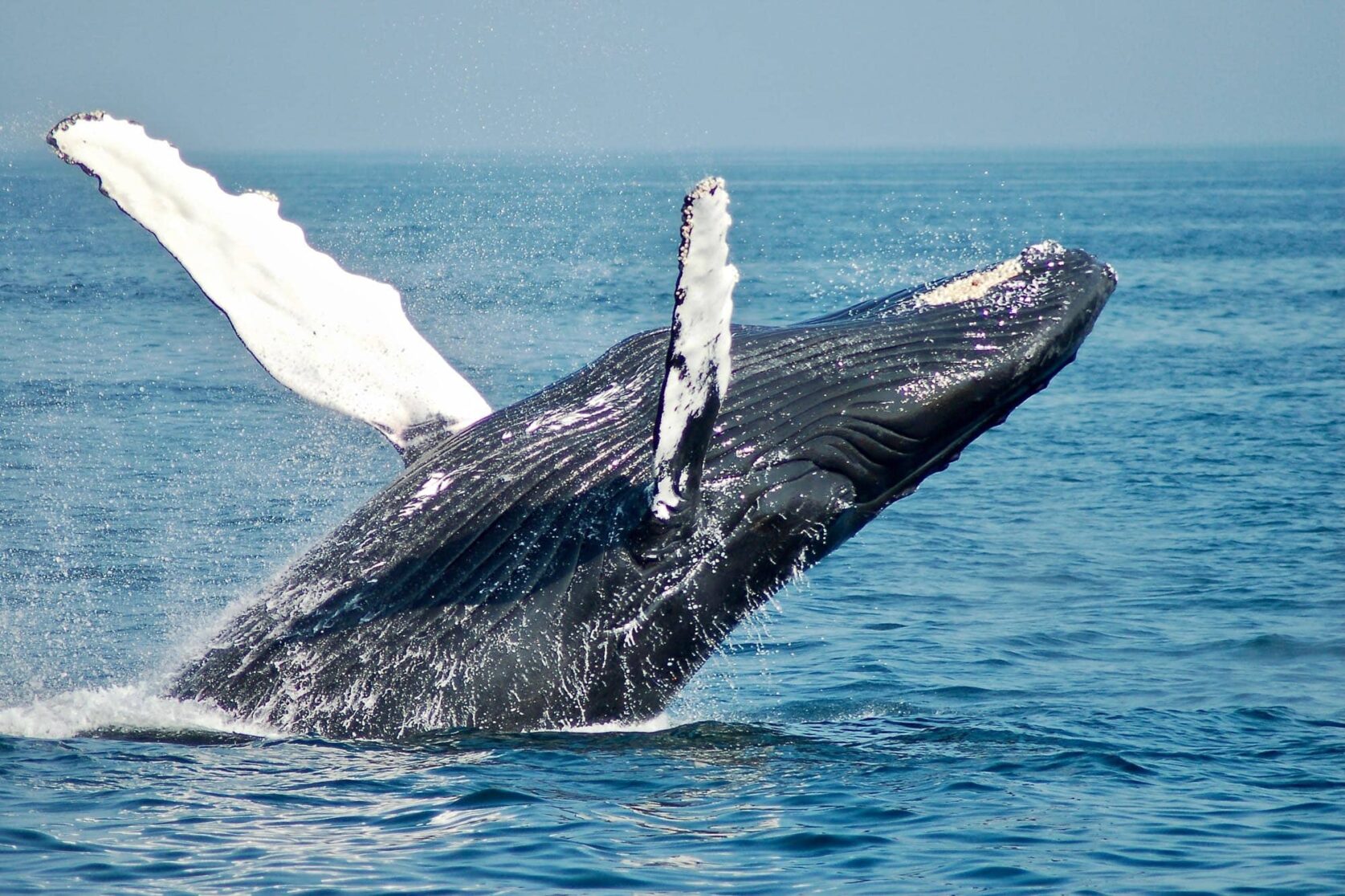
Whale Watching in Drake Bay
Humpback whales migrate through these waters:
- Northern hemisphere whales: December–April
- Southern hemisphere whales: July–October
Drake Bay whale watching tours can include dolphins and other marine life.
See:
Whale Watching in Drake Bay
Jungle Hikes & Beach Walks
Even outside Corcovado, trails around Drake Bay offer:
- Scarlet macaws
- Toucans
- Monkeys
- Coastal rainforest ecosystems
How to Get Around Drake Bay
There are no taxis in the traditional sense.
Transportation includes:
- Lodge-arranged boat transfers
- Guided tour pickups
- Walking between nearby accommodations
- Limited ATV transport in some areas
Most movement happens by boat or on foot.
Plan logistics through your lodge.
When to Visit Drake Bay
Drake Bay has distinct seasonal rhythms.
Dry Season (December–April)
- Best snorkeling visibility
- Easier hiking conditions
- More predictable weather
- Higher visitor numbers
Ideal for first-time visitors.
Green Season (May–November)
- Lush rainforest
- Fewer crowds
- Whale watching peak (July–October)
- Afternoon rain common
September and October are the wettest months, and some lodges close temporarily.
For detailed guidance, see:
Best Time to Visit Drake Bay
Pace & Experience of Visiting Drake Bay
Drake Bay is not fast-paced.
There are:
- No nightclubs
- No big shopping areas
- Limited infrastructure
Days revolve around:
- Early departures
- Wildlife sightings
- Ocean excursions
- Rainforest hikes
- Sunset over the Pacific
Evenings are quiet — often with the sound of insects and distant surf.
This is a destination for travelers who appreciate immersion over entertainment.
Things to Be Cautious Of
- Sudden tropical storms
- Rough ocean conditions during boat transfers
- Limited medical facilities
- Cash access limitations
- High humidity
Travel insurance is recommended due to weather-related logistical changes.
Always follow the guide’s instructions on wildlife tours and ocean excursions.
Is Drake Bay Worth Visiting?
If you are seeking:
- One of the most biodiverse regions in Costa Rica
- Direct access to Corcovado National Park
- Remote Pacific rainforest experience
- Whale watching and snorkeling opportunities
Then yes — Drake Bay is absolutely worth visiting.
If you prefer:
- Luxury city infrastructure
- Nightlife
- Easy road access
- Large-scale resorts
It may feel too remote.
Why Drake Bay Stands Apart
Costa Rica has many beautiful destinations. Few feel truly wild.
Drake Bay still does.
It requires effort to reach. It demands flexibility. It rewards patience.
And for travelers willing to embrace remoteness, it offers something increasingly rare: a coastline where rainforest still meets ocean without interruption.
For wildlife-driven travelers, photographers, birdwatchers, and adventure enthusiasts, Drake Bay is not just another stop.
It is the Osa Peninsula’s gateway — and one of Costa Rica’s most extraordinary experiences.
Related Posts
Whale Watching in Drake Bay (When & What You’ll See)
A Complete Guide to Whale Season on Costa Rica’s Osa…
Is Drake Bay Worth Visiting? An Honest Travel Guide
Drake Bay sits on the edge of the Osa Peninsula,…
Drake Bay vs Puerto Jiménez: Which Osa Destination Is Better?
If you’re planning a trip to Costa Rica’s wild Osa…