A Complete Guide to Seeing Humpback Whales on Costa Rica’s Osa Peninsula
Golfo Dulce is best known for its resident dolphins and calm, fjord-like waters — but during certain months of the year, something even more extraordinary happens.
Humpback whales arrive.
Because Golfo Dulce sits along a major Pacific migration corridor, it benefits from two separate humpback whale migration seasons each year — one from the Northern Hemisphere and one from the Southern Hemisphere. This rare overlap makes whale watching in Golfo Dulce one of Costa Rica’s most underrated marine wildlife experiences.
For a full overview of the region, see:
Why Golfo Dulce Attracts Humpback Whales
Golfo Dulce is not a typical open Pacific coastline. It is:
- Deep (over 200 meters in the inner basin)
- Protected by a narrow entrance
- Nutrient-rich due to limited water exchange
- Surrounded by rainforest
This fjord-like structure creates relatively calm interior waters — an appealing environment for humpback whales, particularly mothers with calves.
Marine ecosystem overview:
Why Golfo Dulce Is One of the Only Tropical Fjords in the World
The sheltered conditions provide a safer nursery environment compared to exposed ocean waters.
Humpback Whale Migration Seasons in Golfo Dulce
One of the most unique aspects of whale watching in southern Costa Rica is the dual migration cycle.
Northern Hemisphere Migration
Best Months: December – March
Whales migrate from:
- Alaska
- Western Canada
- U.S. Pacific Northwest
They travel south to warmer waters to:
- Mate
- Give birth
- Nurse calves
During these months, whales may be spotted in and near Golfo Dulce, especially closer to the gulf’s entrance.
Southern Hemisphere Migration
Best Months: July – October
Whales migrate north from:
- Antarctica
- Southern Chile
This second migration creates a rare opportunity — whale activity in two separate parts of the year.
For seasonal planning, see:
Best Time to Visit Golfo Dulce
What You’ll See on a Whale Watching Tour
While sightings are never guaranteed, tours may include:
- Breaching behavior
- Tail slaps
- Pectoral fin waves
- Mothers swimming with calves
- Surface blows are visible from a distance.
Sightings are often calmer and less crowded than whale watching hubs further north in Costa Rica.
Dolphin & Whale Overlap
Even during whale season, resident dolphins remain present.
Dolphin guide:
Dolphin Watching in Golfo Dulce
It’s common to see:
- Bottlenose dolphins
- Pantropical spotted dolphins
- Seabirds feeding
Whale watching trips often double as broader marine wildlife tours.
Where to Stay for Whale Watching
Puerto Jiménez
Most whale-watching departures depart from Puerto Jiménez.
Advantages:
- Easy marina access
- Range of accommodations
- Combination with Corcovado access
Town guide:
Golfito
Golfito also offers marine tour operators and easier road access from the Interamericana.
Comparison guide:
Eco-Lodges Along the Gulf
Many higher-end eco-lodges arrange:
- Private whale watching tours
- Small-group marine excursions
- Multi-day wildlife itineraries
Lodge guide:
Best Eco-Lodges in Golfo Dulce
These are ideal for travelers seeking privacy and guided interpretation.
Best Time of Day for Whale Watching
Most tours depart in the morning because:
- Water is calmer
- Wind is lighter
- Wildlife activity is higher.
- Rain (in the green season) typically falls later in the day.
Early departures increase comfort and visibility.
Ocean & Safety Considerations
Although Golfo Dulce is more sheltered than open Pacific coastlines, whale watching still involves:
- Small boat travel
- Exposure to the sun
- Light swells near the gulf entrance
Choose licensed operators who:
- Maintain respectful distances from whales.
- Avoid sudden speed changes.
- Follow Costa Rican marine wildlife regulations.
Travel insurance and sun protection are strongly recommended.
Seasonal Weather Differences
Dry Season (December–April)
- Northern whale migration
- More predictable weather
- Higher visitor numbers
- Easier travel logistics
Green Season (May–November)
- Southern whale migration (July–October peak)
- Lush rainforest scenery
- Afternoon rain common
- Fewer boats on the water
The green season can offer more intimate whale encounters due to lower tourism levels.
Who Whale Watching in Golfo Dulce Is Best For
Ideal for:
- Baby Boomers seeking low-impact marine experiences
- Families with older children
- Wildlife photographers
- Eco-conscious travelers
- Couples seeking meaningful nature encounters
It may not suit:
- Travelers seeking guaranteed daily sightings
- Visitors are uncomfortable with small boats
- Those expecting large-scale tour infrastructure
Honest evaluation here:
Is Golfo Dulce Worth Visiting?
Final Thoughts
Whale watching in Golfo Dulce is not as widely marketed as tours in Manuel Antonio or Uvita — and that’s part of its appeal.
Here, you may find:
- Fewer boats
- Less noise
- A rainforest backdrop instead of high-rise hotels
And twice a year, humpback whales pass through these deep tropical waters — mothers and calves navigating one of the only tropical fjord-like systems in the world.
For travelers seeking a quieter, more immersive marine wildlife experience, Golfo Dulce offers something rare:
Two migration seasons.
Calm protected waters.
And one of Costa Rica’s most extraordinary natural stages.
Related Posts
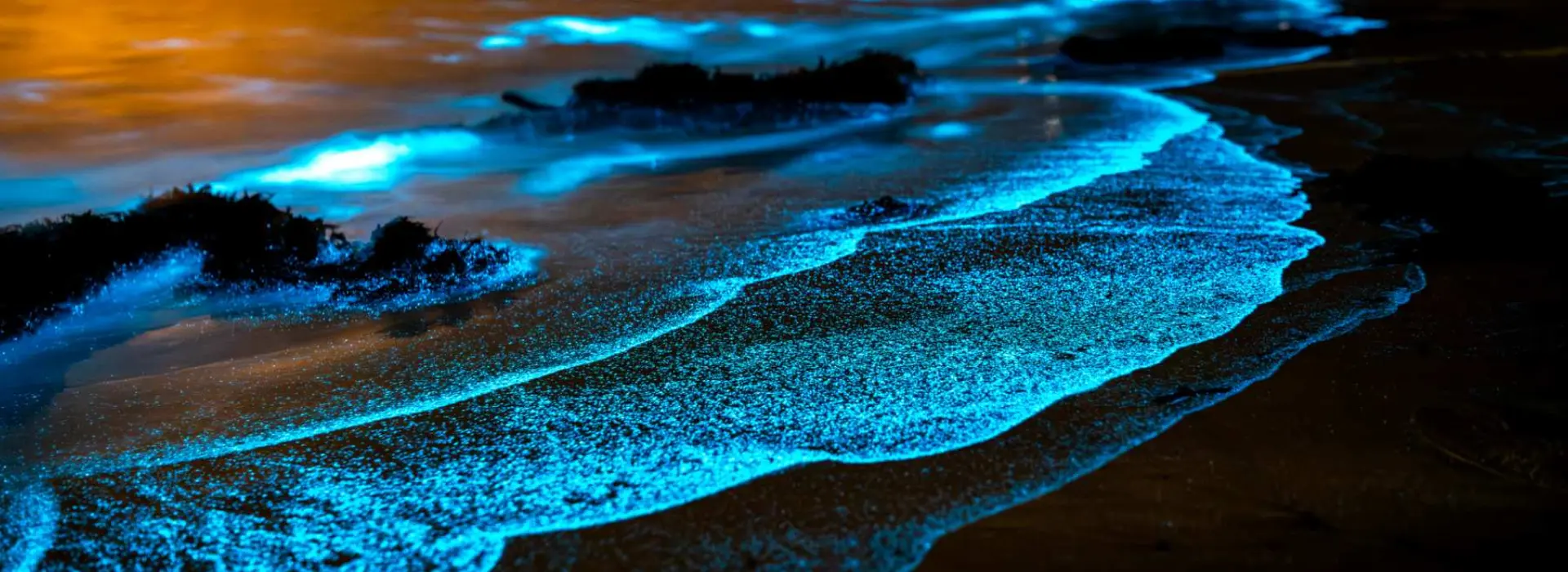
Bioluminescence in Golfo Dulce: When & Where to See It
A Nighttime Phenomenon in Costa Rica’s Tropical Fjord Long after…
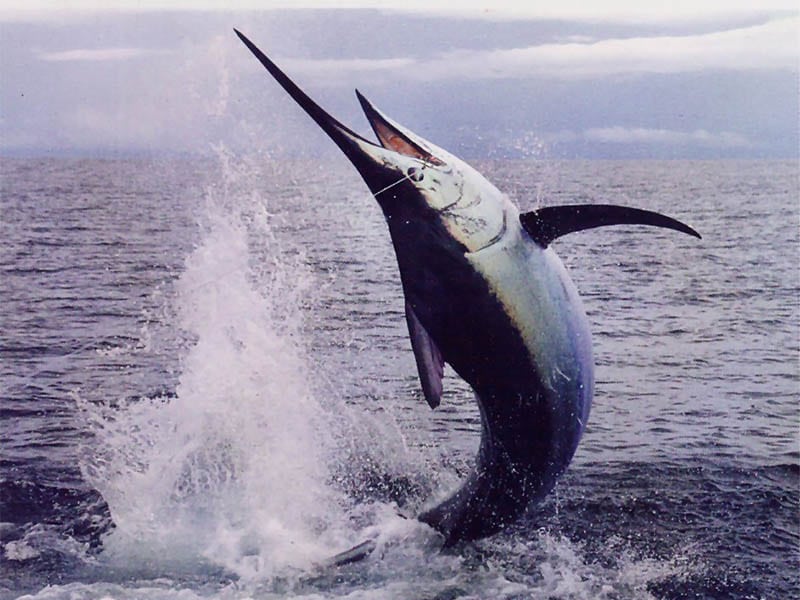
Fishing in Golfo Dulce from Puerto Jiménez
Inshore & Offshore Sportfishing on Costa Rica’s Osa Peninsula Puerto…
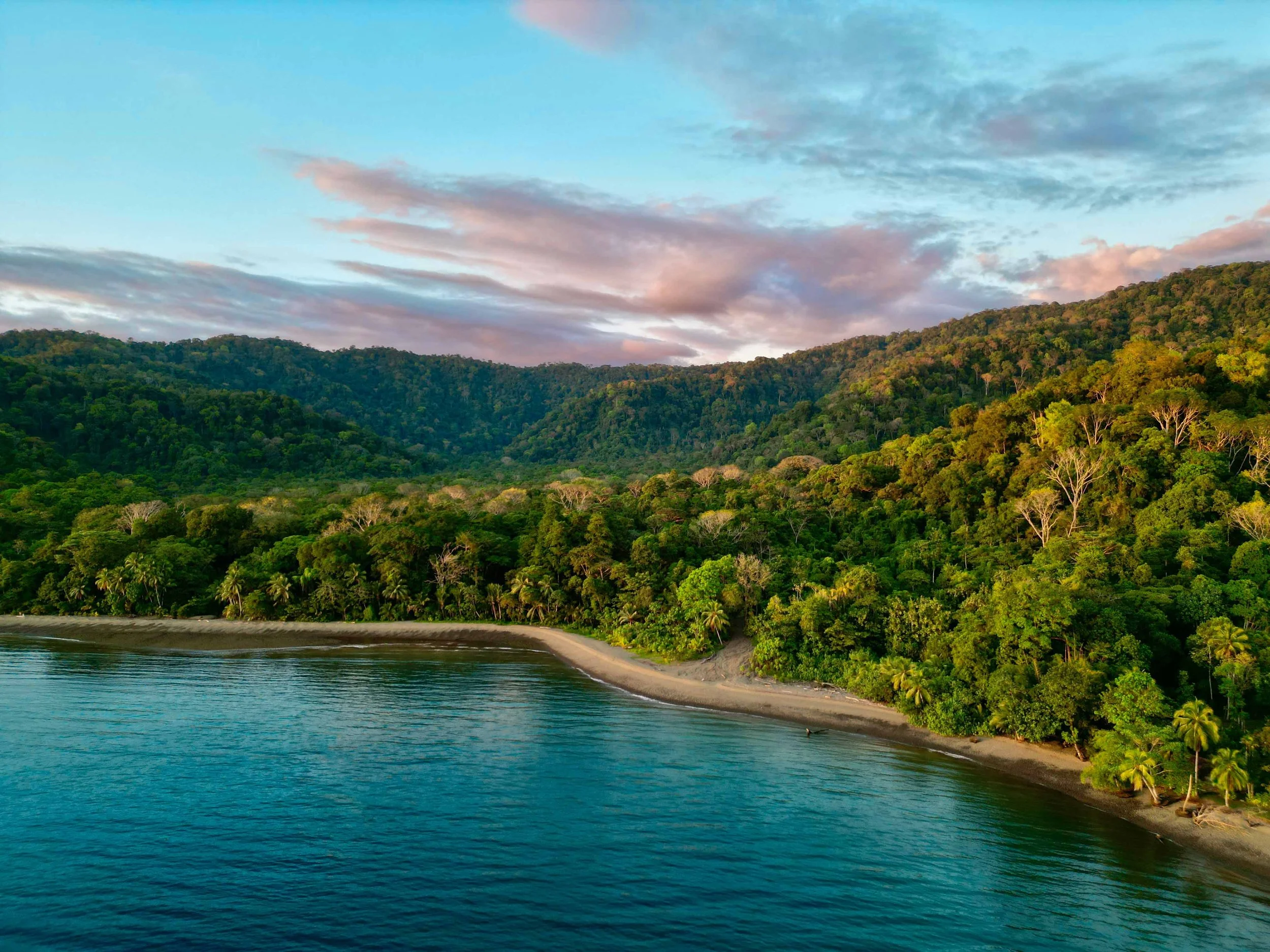
Best Time to Visit Golfo Dulce (Rainfall & Marine Wildlife)
A Seasonal Guide to Costa Rica’s Tropical Fjord Golfo Dulce,…