The Best Way to Reach Costa Rica’s Osa Peninsula Gateway
Puerto Jiménez sits on the eastern side of the Osa Peninsula along the calm waters of Golfo Dulce. It’s the primary overland access point for Corcovado National Park from Puerto Jiménez, as well as a hub for fishing, wildlife tours, and rainforest expeditions.
But getting there requires a decision:
Should you fly or drive?
Both options are viable. The right choice depends on your timeline, budget, comfort level, and travel season.
For a full destination overview, see:
Overview: Where You’re Going
Puerto Jiménez is remote but not isolated.
It offers:
- A small regional airport
- Paved road access from San José
- Grocery stores and basic services
- Direct access to La Leona and Los Patos ranger stations in Corcovado
Guide here:
Corcovado National Park from Puerto Jiménez
While it feels wild, logistics are manageable with planning.
International Arrival: Step One
Most travelers from the US, Canada, and Europe arrive via:
San José International Airport (SJO)
From San José, you have two primary options:
- Domestic flight
- Rental car drive
Option 1: Domestic Flight to Puerto Jiménez
Flight Overview
- Departure: San José (SJO) domestic terminal
- Duration: ~45–50 minutes
- Arrival: Puerto Jiménez airstrip (PJM)
- Small regional aircraft
This is the fastest and most efficient route.
Full transport overview:
Advantages of Flying
- Saves 5–7 hours of driving
- Avoids mountain and coastal road conditions
- Ideal for shorter itineraries
- Less physically tiring after an international flight
Particularly recommended for:
- Families
- Travelers with limited time
- Older travelers
- Those visiting during the rainy season
Considerations
- Weight limits on luggage
- Weather delays possible
- Higher cost than driving
- Limited daily departure times
Flights operate year-round but can be affected by heavy weather.
Option 2: Driving to Puerto Jiménez
Driving Time
- Approximately 6–8 hours from San José
- Depends on traffic, stops, and weather
The route is mostly paved and scenic.
Road Overview
The typical route includes:
- Highway 34 (coastal route)
- Turn inland toward the Osa Peninsula.
- Final stretch to Puerto Jiménez
Most of the road is paved, but sections may have potholes or uneven surfaces.
Do You Need a 4×4?
For reaching the town itself:
- 4×4 is not mandatory in the dry season
- Recommended during the rainy season
If you plan to:
- Explore remote beaches
- Access La Leona trailhead
- Visit rural areas outside town.
A 4×4 becomes more useful.
Seasonal Road Conditions
Season matters significantly.
Dry Season (December–April)
- Generally stable road conditions
- Easier driving
- Lower risk of flooding
- Most predictable travel window
Ideal for first-time drivers on the Osa Peninsula.
Seasonal guide:
Best Time to Visit Puerto Jiménez
Rainy Season (May–November)
- Heavy afternoon rain is common.
- Occasional localized flooding
- Muddy secondary roads
- Slower travel times
September and October are typically the wettest months.
Driving during the green season requires flexibility and careful timing.
Cost Comparison: Flight vs Drive
| Time | 45–50 minutes | 6–8 hours |
| Cost | Higher | Lower (fuel + rental) |
| Comfort | Quick, minimal effort | Long travel day |
| Flexibility | Fixed departure times | Full control |
| Scenic Experience | Aerial views | Coastal & jungle landscapes |
When to Choose a Flight
Choose a domestic flight if:
- You have limited vacation days.
- You’re combining Puerto Jiménez with another region.
- You’re visiting during the rainy season.
- You prefer convenience over cost savings.
When to Choose to Drive
Drive if:
- You’re comfortable with long road trips.
- You want scenic flexibility.
- You plan to explore multiple stops en route.
- You prefer lower transportation costs.
- You want your own vehicle during your stay.
Combining Puerto Jiménez with Other Destinations
Many travelers combine Puerto Jiménez with:
- Drake Bay
- Manuel Antonio
- Uvita
- San José
If comparing gateways, see:
Driving allows easier multi-stop itineraries.
Final Thoughts: Which Is Better?
If time is limited and convenience matters most, fly.
If flexibility, road exploration, and cost control matter more, drive.
Both options are safe and commonly used.
Puerto Jiménez is remote — but it’s not unreachable. With proper planning, reaching the Osa Peninsula is part of the adventure.
And whether you arrive by small plane over rainforest canopy or by coastal highway through southern Costa Rica, the destination remains the same:
A gateway to one of the most biodiverse regions on Earth.
Related Posts
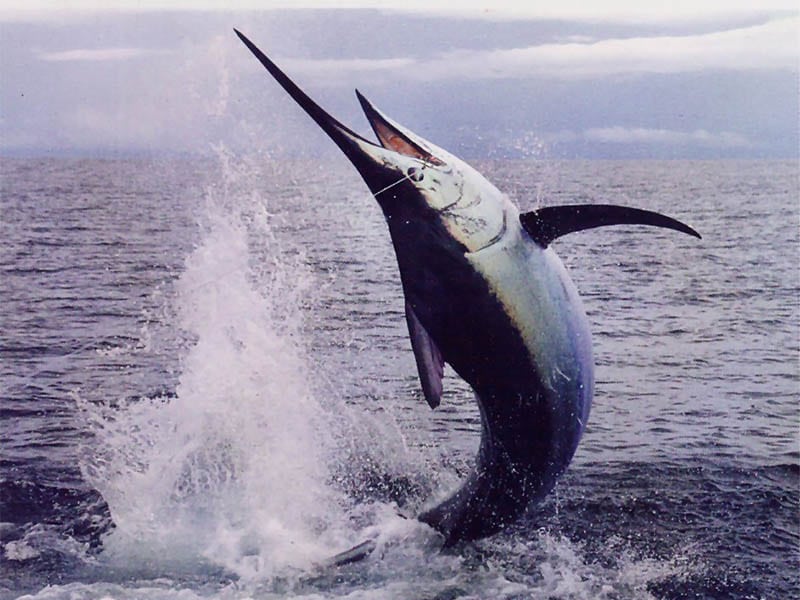
Fishing in Golfo Dulce from Puerto Jiménez
Inshore & Offshore Sportfishing on Costa Rica’s Osa Peninsula Puerto…
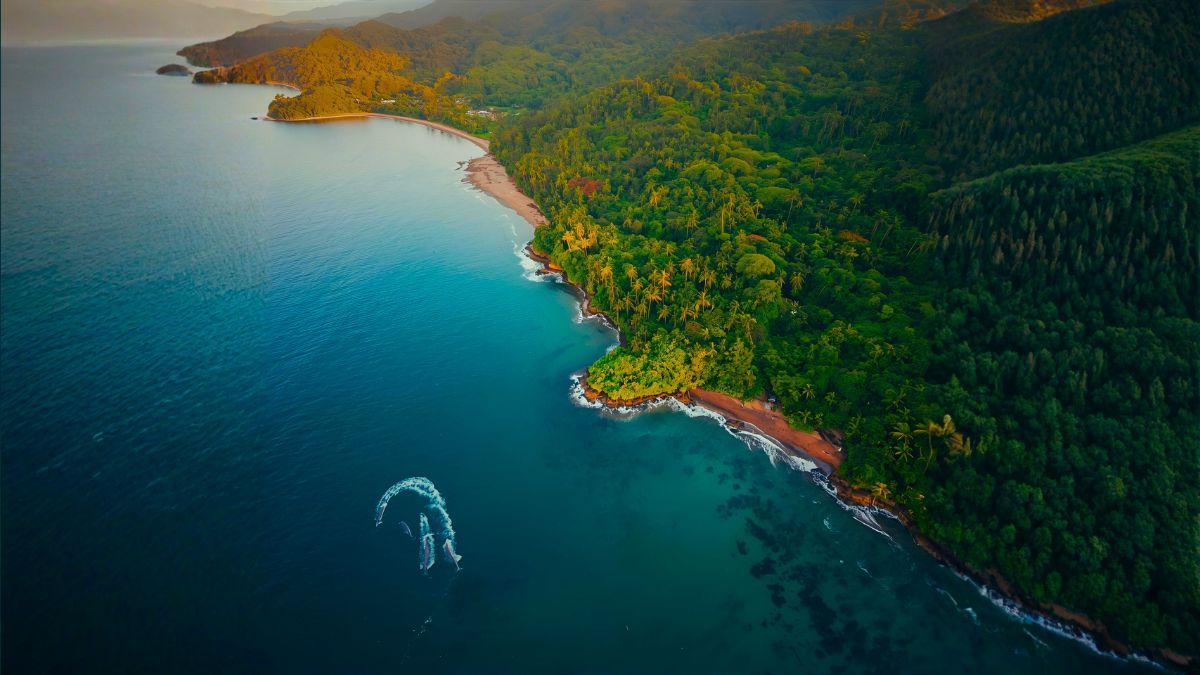
Puerto Jiménez for Serious Wildlife Enthusiasts
A Field Guide to Costa Rica’s Most Biodiverse Frontier If…
Puerto Jiménez vs Drake Bay: Which Is Better for Corcovado?
If you’re planning a visit to Corcovado National Park, one…