A Field Guide to Costa Rica’s Most Biodiverse Frontier
If your Costa Rica itinerary revolves around wildlife — not beaches, not nightlife, not zip lines — then Puerto Jiménez deserves serious consideration.
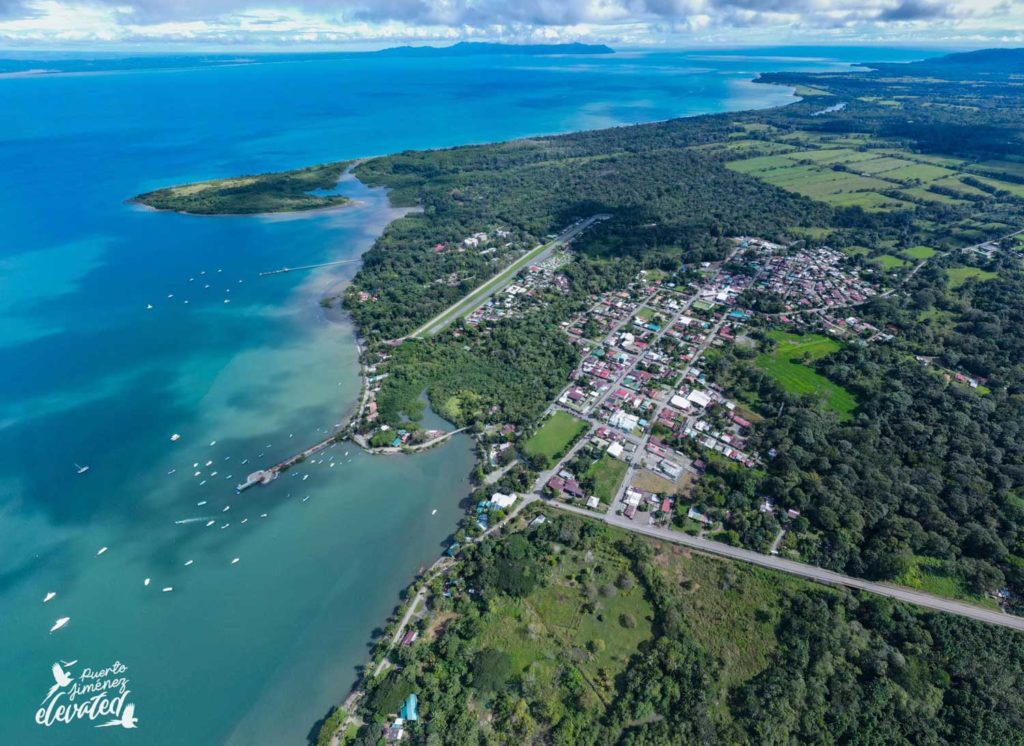
Located on the eastern edge of the Osa Peninsula, Puerto Jiménez is not just a town. It’s a gateway to one of the most biologically intense regions in the Americas. With direct access to Corcovado National Park, proximity to Golfo Dulce, and surrounding rainforest reserves, this is where serious wildlife travelers come to observe, not just visit.
For a general destination overview, see:
Why Puerto Jiménez Is a Wildlife Hotspot
The Osa Peninsula contains an estimated 2.5% of the world’s biodiversity. That concentration is not theoretical — you see it, hear it, and feel it almost immediately.
From Puerto Jiménez, you have access to:
- Primary rainforest
- Mangrove ecosystems
- Coastal wetlands
- Tropical fjord marine systems
- Lowland jungle corridors
This ecological overlap creates extraordinary wildlife density.
Park overview:
Wildlife Density: What Makes It Exceptional
Unlike other regions of Costa Rica, where wildlife can feel dispersed, the Osa Peninsula supports:
- All four Costa Rican monkey species
- Scarlet macaws in stable populations
- Tapirs (especially near Sirena Station)
- Sloths
- Anteaters
- Coatis
- Hundreds of bird species
- Dolphins and whales in Golfo Dulce
Wildlife sightings here are not guaranteed — but statistically, your chances are among the highest in the country.
For specific access routes:
Corcovado National Park from Puerto Jiménez
Where to Stay for Prime Wildlife Access
In Town (Convenient Access)
Staying in Puerto Jiménez itself offers:
- Early departures to ranger stations
- Easy access to guided tours
- Marina access for marine wildlife outings
However, wildlife density increases as you move farther from town.
Jungle Eco-Lodges Near Corcovado
Properties bordering rainforest reserves provide:
- Scarlet macaws flying overhead.
- Howler monkeys at dawn
- Night frog calls
- On-site naturalist guides
Luxury-focused wildlife stays:
Luxury Jungle Lodges Near Puerto Jiménez
These are ideal for photographers and birdwatchers who want to be active directly on the property.
Coastal & Mangrove Properties Along Golfo Dulce
Staying along the Gulf provides:
- Dolphin activity
- Waterbirds
- Mangrove wildlife
- Kayak access
Marine overview:
Golfo Dulce: Unique Marine Ecosystem
Best Times of Day for Wildlife Sightings
Timing often matters more than location.
Early Morning (Sunrise – 9:00 AM)
Best overall wildlife window:
- Monkeys active
- Birds feeding
- Cooler temperatures
- Mammals crossing trails
Serious wildlife enthusiasts plan hikes before the heat builds.
Late Afternoon (3:30 PM – Sunset)
- Increased bird activity
- Coastal wildlife movement
- Scenic light for photography
Night Walks
Guided night hikes may reveal:
- Tree frogs
- Insects
- Opossums
- Sleeping birds
- Occasionally snakes
Night exploration requires experienced local guides.
Seasonal Wildlife Patterns
Puerto Jiménez offers wildlife year-round, but seasonal differences matter.
Dry Season (December–April)
- Easier trail conditions
- Animals congregate near water sources.
- Clearer skies for bird photography
- More predictable logistics
This is peak travel season.
Seasonal planning:
Best Time to Visit Puerto Jiménez
Green Season (May–November)
- Lush vegetation
- Amphibian activity increases
- Fewer visitors
- Afternoon rain common
September–October are typically the wettest months, but rainforest activity can feel heightened.
Marine Wildlife in Golfo Dulce
Puerto Jiménez also provides access to marine species uncommon in other regions.
You may encounter:
- Bottlenose dolphins
- Pantropical spotted dolphins
- Humpback whales (seasonal)
- Sea turtles
Kayaking and boat tours offer excellent opportunities for observation.
Experience guide:
Kayaking & Dolphin Watching in Golfo Dulce
Who Puerto Jiménez Is Best For
Puerto Jiménez is ideal for:
- Birdwatchers
- Wildlife photographers
- Naturalists
- Experienced hikers
- Independent travelers
- Baby Boomers seeking serious nature immersion
- Families with older children interested in conservation
It may not suit:
- Travelers seeking nightlife
- Resort-style beach vacations
- Visitors are uncomfortable with humidity and rustic conditions.
If evaluating the destination more broadly:
Is Puerto Jiménez Worth Visiting?
Practical Advice for Serious Wildlife Travelers
- Hire certified naturalist guides for Corcovado.
- Start hikes early
- Bring binoculars and camera protection.
- Dress for humidity
- Allow multiple days — wildlife encounters improve with time.
- Remain patient and quiet.
Corcovado requires guided access at most entry points.
Logistics overview:
Final Thoughts
Puerto Jiménez is not designed for casual sightseeing. It is a working gateway to the wilderness.
For serious wildlife enthusiasts, it offers something rare:
- High species density
- Multiple ecosystems in proximity
- Accessible ranger stations
- Marine and terrestrial biodiversity combined
If your idea of a perfect day involves pre-dawn rainforest hikes, listening for macaws overhead, watching dolphins surface in a tropical fjord, and reviewing wildlife photos by evening light, Puerto Jiménez is not just worth visiting.
It’s one of the best places in Costa Rica to do exactly that.
Related Posts
Road Trip Around the Osa Peninsula from Puerto Jiménez
A 4x4 Journey Through Costa Rica’s Wildest Corner If you…
Fishing in Golfo Dulce from Puerto Jiménez
Inshore & Offshore Sportfishing on Costa Rica’s Osa Peninsula Puerto…
Puerto Jiménez vs Drake Bay: Which Is Better for Corcovado?
If you’re planning a visit to Corcovado National Park, one…