Is Arenal Volcano Active? Eruption History & Visitor Safety
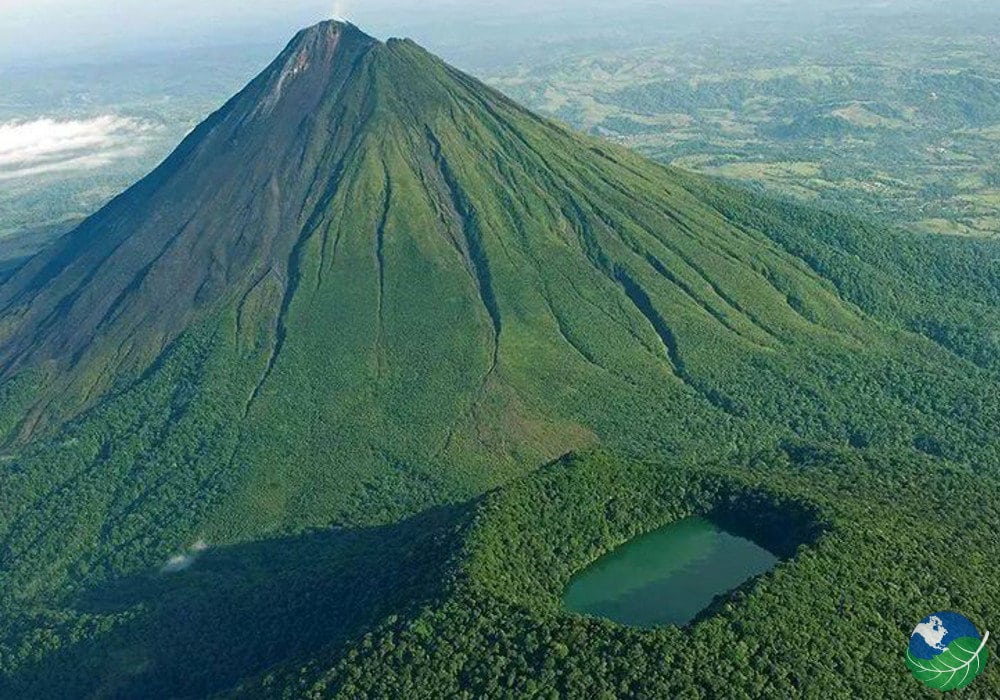
Is Arenal Volcano active? Yes. Arenal remains classified as an active volcano, although its prolonged eruptive period ended in 2010. The frequent lava flows and explosive displays that once attracted visitors to northern Costa Rica are no longer part of the usual travel experience. However, an active volcano does not need to erupt continuously. Arenal still has the potential for future eruptions, which makes scientific monitoring and visitor restrictions important. For travelers planning a trip to La Fortuna, the distinction matters. You can explore volcanic landscapes, walk through regenerating forests, and enjoy the region's hot springs without expecting to see flowing lava. But is Arenal Volcano safe to visit? Authorized tourist areas are established destinations, provided visitors follow current regulations and official advisories. No volcanic environment is completely risk-free. This guide explains Arenal's eruption history, what its current classification means, how scientists monitor the volcano, and what travelers should know before visiting. Arenal Volcano: Location and Geological Overview Arenal Volcano stands near La Fortuna in northern Costa Rica, approximately 1,670 meters (5,479 feet) above sea level. It is a stratovolcano, a type of volcano built through repeated eruptions that deposit layers of lava, ash, and other volcanic material. These deposits gradually create the steep-sided shape associated with Arenal. The volcano rises above a landscape of tropical forest, rural communities, and Lake Arenal. Its surrounding protected areas include Arenal Volcano National Park. Nearby, geothermal hot springs have helped establish La Fortuna as a major tourism destination. The region's scenery reflects a long history of volcanic activity. Older lava deposits remain visible in some areas, while vegetation has gradually returned to landscapes affected by previous eruptions. Today, visitors experience Arenal primarily through authorized hiking trails, viewpoints, nature reserves, and nearby attractions. Is Arenal Volcano Active Right Now? Arenal remains geologically active, but that does not mean it is continuously erupting. The volcano's last recorded eruptive period ended in 2010, according to the Smithsonian Global Volcanism Program. Since then, the regular lava flows and explosions associated with its earlier activity have ceased. However, geological classifications describe a volcano's potential for future activity, not simply what visitors can observe on a particular day. Active, Dormant, and Erupting: What's the Difference? These terms are often confused. An active volcano has erupted in geologically recent history and retains the potential for future eruptions. A currently erupting volcano is undergoing an eruption at the time being discussed. A dormant or resting volcano is generally understood as one that is not currently erupting but could become active again. However, scientists do not always use these terms in exactly the same way. Arenal's long period of reduced eruptive activity does not make it extinct. Similarly, the presence of geothermal heat does not mean that lava is moving toward the surface or that an eruption is imminent. Current-status note: This article describes Arenal's established geological history. It does not constitute a live volcanic activity report. Before visiting, consult the latest updates from OVSICORI-UNA, the Red Sismológica Nacional, and relevant Costa Rican authorities. When Did Arenal Volcano Last Erupt? The Smithsonian Global Volcanism Program records Arenal's last known eruption in 2010. However, that date marks the end of a prolonged eruptive period rather than one isolated event. Arenal began erupting in July 1968. During the following decades, its activity varied in intensity. At different times, the volcano produced lava flows, explosive events, ash emissions, and other volcanic phenomena. These displays made Arenal widely known among visitors interested in active volcanism. For years, glowing lava could sometimes be observed after dark from suitable locations. However, that historical experience should not be confused with current conditions. Travelers visiting La Fortuna today should not expect regular lava flows or nighttime eruptions.…