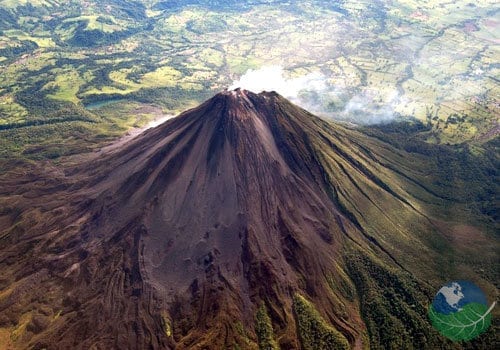
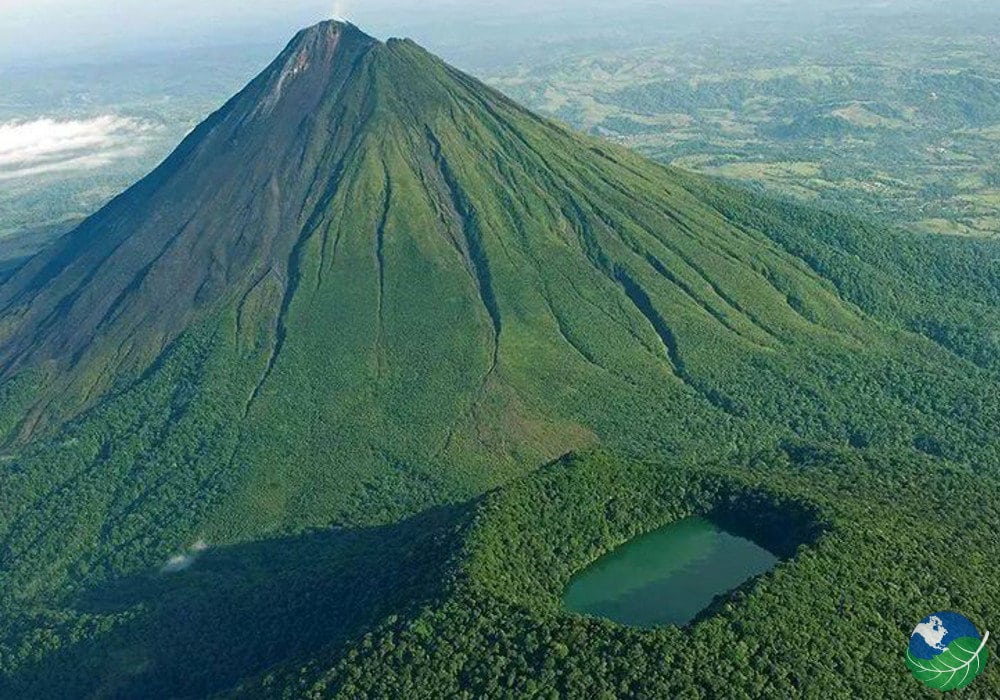
Arenal Volcano for Wellness Travelers

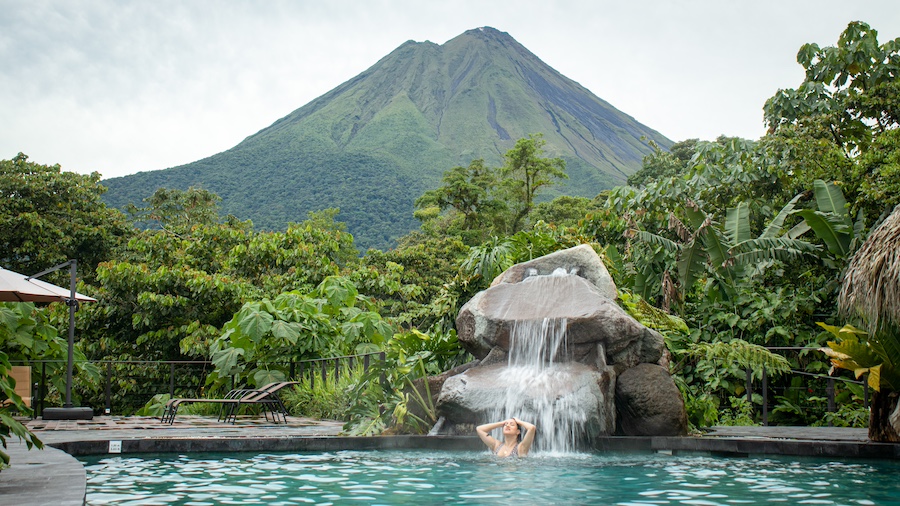
Arenal Volcano wellness travel offers a chance to explore Costa Rica without filling every day with tours. Around La Fortuna, warm hot springs, rainforest trails, and comfortable lodges make it easy to plan a slower vacation. You might spend a morning watching birds, enjoy a quiet afternoon at a thermal resort, or take a gentle walk near the volcano. Lake Arenal also offers opportunities to spend time outdoors. The goal isn't to follow a strict wellness program. Instead, you can choose a few activities and leave enough time to enjoy them. This guide explains how to plan a wellness-focused Arenal vacation, including where to stay, what to do, and when to visit. Why Choose Arenal Volcano for Wellness Travel? Arenal Volcano rises approximately 1,670 meters (5,479 feet) above sea level in northern Costa Rica. It stands near La Fortuna, surrounded by forests, rivers, and volcanic landscapes. Arenal entered a long period of eruptive activity in 1968. That phase ended in 2010, so visitors should not expect to see flowing lava. However, geothermal heat remains an important feature of the region. It warms underground water that supplies many local thermal attractions. Arenal's appeal goes beyond its hot springs. Visitors can explore forest trails, observe wildlife, or spend time near Lake Arenal. The main attractions are spread across the region. Arenal Volcano National Park, La Fortuna, and the thermal resorts are separate places. Therefore, some activities require transportation. Both Juan Santamaría International Airport (SJO) and Guanacaste Airport (LIR) provide access to the region. Travel from either airport generally takes several hours. For a more relaxed vacation, choose accommodation close to the experiences that matter most to you. Arenal Volcano Hot Springs and Geothermal Wellness The Arenal Volcano hot springs are among the region's main attractions. Rainwater can move underground through cracks and porous rock. Geothermal heat warms the water before it returns toward the surface. Along the way, the water may absorb naturally occurring minerals. However, mineral content and temperatures vary between sources. Thermal resorts use these waters in pools, channels, and landscaped gardens. Some offer several temperatures, allowing visitors to choose what feels comfortable. The experience can be enjoyable without making medical claims. Warm water, natural surroundings, and time away from a busy schedule may help visitors feel relaxed. However, hot springs are not a substitute for medical treatment. Their mineral content should not be presented as a cure for health conditions. How to Enjoy Hot Springs Comfortably Start with a pool that feels comfortable rather than choosing the hottest option. Take breaks between soaking sessions and drink water regularly. If you feel dizzy or overheated, leave the pool. Some resorts provide cooler pools alongside warmer thermal areas. Moving between them is optional, not a necessary wellness practice. Before visiting, check whether the facility accepts day guests. Some thermal areas have different access rules for overnight visitors. If you prefer a quieter experience, ask about reservations, visitor capacity, and less busy periods. Best Arenal Wellness Resorts and Nature Lodges Accommodation plays an important role in a wellness-focused vacation. A thermal resort may allow you to enjoy hot springs without arranging transportation. Meanwhile, a nature lodge may offer easier access to forest walks and wildlife observation. These four properties provide different experiences around Arenal. Nayara Springs: Private Thermal Pools Nayara Springs is an adults-only luxury hotel near Arenal Volcano. Its villas feature private thermal plunge pools. Guests can also arrange spa treatments and enjoy the property's dining facilities. This setting may appeal to couples who prefer privacy and fewer scheduled activities. However, Nayara Springs is separate from Nayara Gardens and Nayara Tented Camp. The properties belong to the wider Nayara collection but have different accommodation styles and guest policies. Before booking, confirm current amenities and whether spa treatments require advance reservations.…

Best Hotels with Arenal Volcano Views

Choosing a hotel with a view of Arenal Volcano can make a stay in La Fortuna especially rewarding. On clear days, the volcano rises above the surrounding rainforest, creating one of Costa Rica's most recognizable landscapes. However, not every hotel offers the same view. Some properties have open terraces facing the volcano, while others provide glimpses through tropical gardens. Even within one resort, room orientation can make a difference. Weather is another important factor. Clouds frequently cover Arenal's summit, so no hotel can promise an unobstructed view throughout your stay. This guide compares the best hotels with Arenal Volcano views, explains their locations, and offers practical advice for booking the right room. Where Are the Best Arenal Volcano View Hotels Located? Arenal Volcano stands near La Fortuna in northern Costa Rica. It reaches approximately 1,670 meters (5,479 feet) above sea level. The volcano experienced a long eruptive period beginning in 1968. Its main eruptive activity ended in 2010, so visitors should not expect to see flowing lava. Today, the surrounding region includes rainforest reserves, thermal resorts, Lake Arenal, and Arenal Volcano National Park. Hotels are spread across several areas, each offering a different experience. Downtown La Fortuna is convenient for restaurants, shops, and tours. However, buildings and trees can interrupt volcano views. The Route 142 corridor has many established resorts and hotels. Some properties offer open views across gardens or surrounding countryside. Hillside resorts may provide wider panoramas, while accommodations near El Castillo offer different perspectives of the volcano. Still, location alone doesn't guarantee a clear view. Room placement, vegetation, and weather all matter. Best Hotels with Arenal Volcano Views The following hotels offer different accommodation styles, from private luxury villas to nature-focused lodges. Each property has its own advantages. However, travelers should confirm the exact view offered by their chosen room category before booking. 1. Nayara Springs — Best for Adults-Only Luxury Best for: Couples, honeymooners, and travelers seeking privacy. Nayara Springs is an adults-only luxury hotel within the Nayara collection near La Fortuna. The property features private villas with thermal plunge pools, landscaped grounds, and spa services. Its accommodation style appeals to travelers who prefer spending time at the hotel rather than scheduling several daily excursions. However, the property's tropical vegetation can affect sightlines. A private plunge pool doesn't automatically mean the villa has an unobstructed volcano view. Before booking, confirm whether your chosen villa category offers a direct or partial view of Arenal. Nayara Springs is also distinct from Nayara Gardens and Nayara Tented Camp. Although the properties share the Nayara name, their accommodation styles and guest policies differ. For travelers prioritizing privacy over wide panoramas, Nayara Springs may be a suitable choice. 2. Nayara Gardens — Best for Upscale Comfort and Families Best for: Families and travelers seeking comfortable resort accommodation. Nayara Gardens is another property within the Nayara collection. It offers spacious accommodations surrounded by tropical gardens, along with dining and resort facilities. The setting appeals to travelers who want to combine relaxation with access to La Fortuna's activities. However, gardens and vegetation may limit volcano visibility from certain rooms. Some accommodation descriptions emphasize private outdoor spaces rather than direct volcano views. Therefore, check the exact room category before reserving. Nayara Gardens is also more suitable for families than the adults-only Nayara Springs. Travelers choosing between the two should compare guest policies, room features, and their preferred level of privacy.…

Arenal Volcano vs Poás Volcano

Choosing between Arenal Volcano and Poás Volcano depends on what you want to experience in Costa Rica. Both are active volcanic systems, but visiting them feels very different. Arenal is known for its steep volcanic cone, rainforest trails, geothermal hot springs, and nearby attractions. Poás, meanwhile, is famous for its large summit crater and acidic lake. The biggest difference is how visitors experience each volcano. At Arenal, you explore the surrounding landscape and admire the cone from a distance. At Poás, you may be able to look toward the active crater from an official viewpoint, depending on current restrictions. Travel time also matters. Poás is generally more convenient for visitors staying near San José. Arenal is better suited to travelers planning several days around La Fortuna. This Arenal Volcano vs Poás Volcano comparison explains the differences in scenery, hiking, accessibility, accommodation, weather, and volcanic safety. Arenal Volcano: What Makes It Different? Arenal Volcano rises approximately 1,670 meters (5,479 feet) above sea level in northern Costa Rica. Located near La Fortuna, it is a stratovolcano with a distinctive cone-shaped profile. Arenal began a prolonged eruptive period in July 1968. Activity continued for decades before declining in 2010. Although Arenal remains classified as an active volcano, visitors should not expect the lava flows once visible on its slopes. Today, the surrounding region offers a wide range of activities. Travelers can explore Arenal Volcano National Park, visit rainforest reserves, enjoy geothermal hot springs, or spend time near Lake Arenal. The volcano itself is usually viewed from surrounding trails, roads, hotels, and observation areas. Climbing the active cone is prohibited. For visitors interested in a multi-day nature vacation, Arenal offers considerably more than a single national park visit. Poás Volcano: What Makes It Different? Poás Volcano stands in Costa Rica's Central Volcanic Mountain Range, north of the San José metropolitan area. Its summit reaches approximately 2,708 meters (8,885 feet), making it substantially higher than Arenal. Poás is known for its active crater, volcanic gases, and highly acidic crater lake. The crater lake's appearance changes with volcanic conditions. Its water may appear blue-green, gray, or partly obscured by steam. Unlike Arenal, Poás has experienced more recent eruptive unrest, including significant activity in 2025. These conditions can affect park access, visitor safety rules, and the availability of crater viewpoints. When authorities permit entry, visitors may be able to approach an official observation area overlooking the crater. However, access is not guaranteed. The park may close or operate under restrictions because of volcanic activity. For travelers interested in geology, Poás offers a different experience from viewing Arenal's exterior slopes. Arenal Volcano vs Poás Volcano: Quick Comparison CategoryArenal VolcanoPoás VolcanoLocationNear La Fortuna, northern Costa RicaCentral Volcanic Mountain RangeElevationApprox. 1,670 mApprox. 2,708 mMain landscapeSteep volcanic coneLarge summit craterVisitor experienceForest trails and volcano viewsCrater viewing when permittedVolcanic activityQuieter since 2010More recent eruptive unrestPark accessEstablished visitor trailsSubject to volcanic restrictionsHikingForest and older lava terrainLimited routes depending on accessClimateWarm and humidCooler and often windyFrom San JoséLonger journeyGenerally closerFrom Guanacaste AirportPractical for northern itinerariesLonger cross-country journeyNearby attractionsHot springs, waterfalls, Lake ArenalCoffee farms, Central Valley attractionsAccommodationWide range of resorts and lodgesRural lodges and Central Valley hotelsSuggested visit2–4 nightsShort visit or day trip if openBest forNature and multi-day activitiesCrater geology and shorter itineraries Poás's access rules can change quickly. Always confirm current conditions before making travel plans. Cone vs Crater: Which Volcano Has Better Scenery? The landscape is one of the clearest differences between Arenal and Poás. Arenal Volcano: A Cone Above the Rainforest Arenal has a steep volcanic cone surrounded by forest and open countryside. From certain viewpoints, visitors can see older volcanic deposits and vegetation returning to previously affected areas. Lake Arenal adds another perspective, with the volcano rising above the surrounding hills. However, cloud cover often hides the summit.…
Best Viewpoints of Arenal Volcano

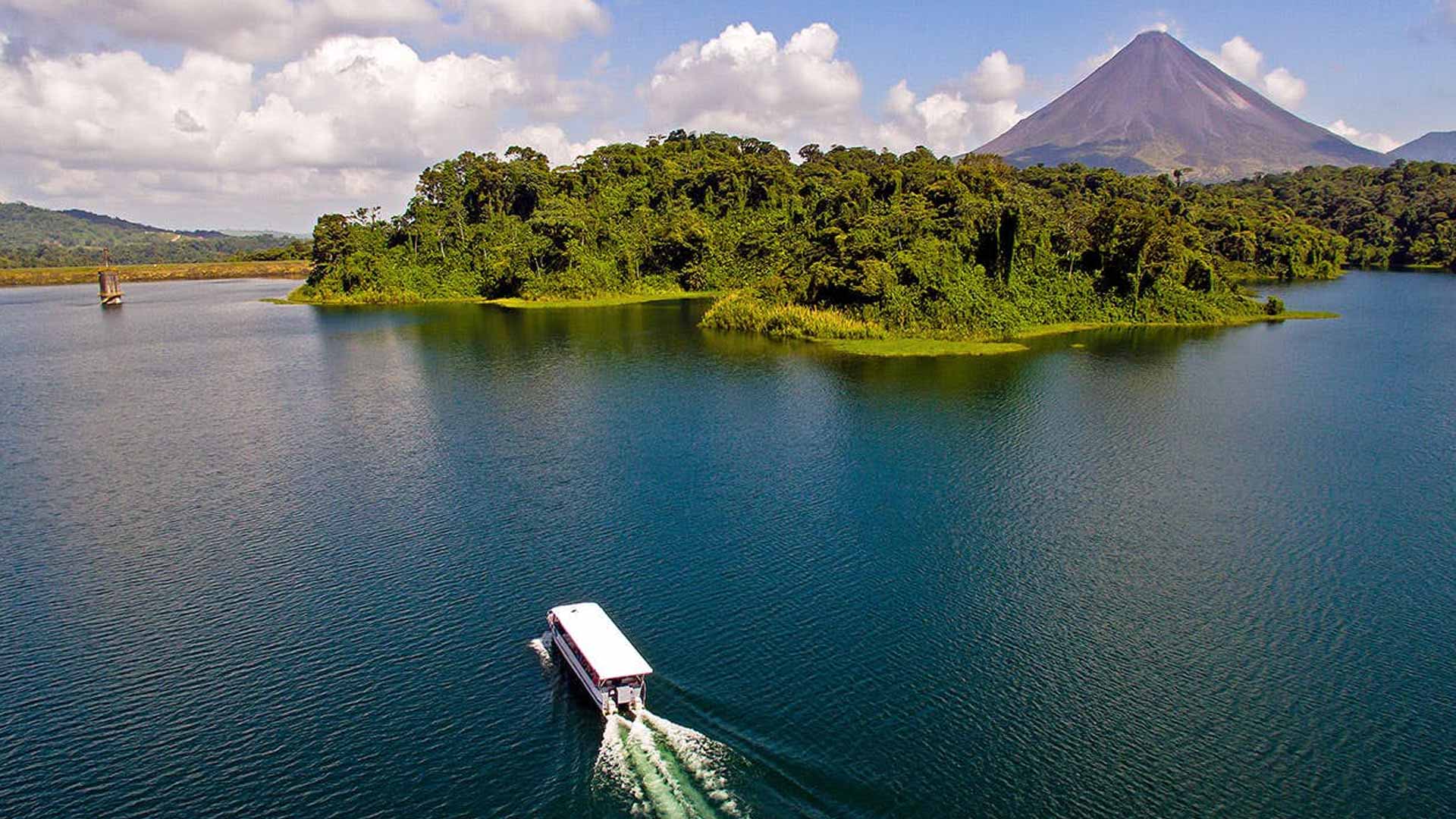
Arenal Volcano rises above the rainforest near La Fortuna, creating one of Costa Rica's most recognizable landscapes. Its steep volcanic cone can be seen from national park trails, lakeside roads, nature reserves, and selected hotels. However, finding the best viewpoints of Arenal Volcano involves more than choosing a location. Clouds frequently gather around the summit, sometimes hiding the entire cone while nearby areas remain sunny. Some viewpoints offer wide landscapes with Lake Arenal in the foreground. Others provide closer perspectives framed by forest, volcanic rock, or open countryside. Access also varies. Certain viewpoints are inside national parks or private attractions, while others are available only to hotel guests. This guide compares six viewing areas, explains what makes each one different, and offers practical photography advice. It also covers weather, timing, and how to plan a visit without relying on guaranteed clear skies. Understanding Arenal Volcano and Its Surrounding Landscape Arenal Volcano stands near La Fortuna in northern Costa Rica. It reaches approximately 1,670 meters (5,479 feet) above sea level. The volcano is a stratovolcano formed through repeated eruptions of lava and other volcanic material. Arenal began a prolonged eruptive period in July 1968. Activity continued for decades before declining in 2010. Today, the volcano remains geologically active but is not producing the frequent visible lava flows associated with its earlier eruptive period. Visitors observe Arenal from surrounding trails, roads, hotels, and designated viewing areas. Climbing the active volcanic cone is prohibited. The surrounding landscape includes Arenal Volcano National Park, Lake Arenal, rainforest reserves, farmland, and thermal resorts. These different environments create varied photography opportunities. For example, national park trails provide volcanic rock and forest foregrounds. Meanwhile, lakeside viewpoints offer broader compositions with water and hills. Why Is Arenal Volcano Sometimes Hidden by Clouds? Arenal's location and surrounding climate strongly influence visibility. Warm, moist air moves through the region and interacts with the volcano's slopes. As air rises and cools, clouds can develop around the mountain. Consequently, the summit may disappear even when the surrounding countryside looks relatively clear. Rainfall also occurs throughout the year. Arenal does not follow the same pronounced dry-season pattern as Costa Rica's northwestern Pacific coast. This means that December through April does not guarantee clear skies. Likewise, the wetter months can still produce periods of good visibility. Early mornings sometimes offer favorable conditions. However, there is no reliable daily window when the summit is guaranteed to appear. For photographers, flexibility is more useful than following a fixed schedule. Spending several days in the region may provide more opportunities to photograph the volcano under changing conditions. Best Viewpoints of Arenal Volcano The following locations offer different perspectives of Arenal. Some require paid admission, while others involve private accommodation or roadside access. 1. Arenal Volcano National Park — Best for Volcanic Landscapes Arenal Volcano National Park is one of the most established places to observe the volcano. The park protects forest and volcanic terrain affected by earlier eruptions. Trails in the main visitor sector include Las Coladas and El Ceibo. The Peninsula sector provides another area to explore when officially accessible. Las Coladas is particularly interesting for visitors who want to photograph volcanic terrain. Older lava deposits, rocky ground, and regenerating vegetation create a distinctive foreground. However, open views are not available along every section of the trail. Trees, terrain, and clouds can interrupt sightlines. Visitors should also expect uneven surfaces and changing trail conditions. The park does not permit climbing the active cone. Therefore, photographs must be taken from authorized trails and observation areas.…