Arenal Volcano and Lake Arenal shape one of northern Costa Rica’s most recognizable landscapes. The volcano rises above forested hills, while the lake stretches west through a broad valley.
From certain viewpoints, the two appear to form a single natural landscape. However, their history is more complicated.
Arenal Volcano formed through geological processes over thousands of years. Lake Arenal existed naturally too, but the modern reservoir is much larger than the original lake. Its expansion during the 1970s changed nearby communities, roads, farmland, and the regional environment.
Today, the lake supports hydroelectric power generation and tourism. The volcano attracts visitors interested in geology, rainforest trails, and volcanic scenery.
Understanding their connection adds another dimension to a trip. This guide explains the area’s history, how the hydroelectric system works, and what travelers can explore.
Where Are Arenal Volcano and Lake Arenal Located?
Arenal Volcano stands in northern Costa Rica, near La Fortuna in Alajuela Province. The volcano reaches approximately 1,670 meters (5,479 feet) above sea level.
It is a stratovolcano, formed through repeated eruptions of lava and other volcanic material.
Arenal entered a major eruptive period in July 1968. Activity continued for decades before the volcano entered a quieter phase in 2010. Today, visitors should not expect the glowing lava flows once associated with the mountain.
Lake Arenal extends west of the volcano toward Nuevo Arenal and Tilarán. It is generally recognized as Costa Rica’s largest lake by surface area.
The modern reservoir covers roughly 85 square kilometers, although reported measurements vary with water levels and survey methods.
Several communities surround the wider region. La Fortuna serves as the main tourism center, while El Castillo offers access to quieter forested areas. Nuevo Arenal and Tilarán provide connections to the lake’s western side.
The lake receives water from rainfall and surrounding streams. Its water supply is not limited to runoff from the volcano itself.
The History of Lake Arenal: From Natural Lake to Reservoir
One of the most important facts about Lake Arenal is that it was not created entirely by the hydroelectric project.
A smaller natural lake existed before the 1970s. However, Costa Rica needed additional electricity as its population and economy grew.
The government, through the Instituto Costarricense de Electricidad (ICE), developed a major hydroelectric project in the Arenal region.
Construction during the 1970s included a dam and supporting infrastructure. The project entered operation in 1979, transforming the original lake into a much larger reservoir.
Water levels rose, covering former agricultural areas, roads, and settlements.
The project became a major part of Costa Rica’s electricity system. However, its effects reached far beyond energy production.
Why Was Lake Arenal Expanded?
Hydroelectric plants generate electricity using moving water.
A reservoir stores water that can later be directed through turbines. As water passes through the system, it drives equipment that generates electricity.
The Arenal project was developed to increase Costa Rica’s electricity supply and use domestic water resources.
Its infrastructure became part of a larger hydroelectric system associated with Arenal, Corobicí, and Sandillal.
However, the electricity comes from the movement of water, not from the volcano’s underground heat.
That distinction matters because Arenal is also known for geothermal hot springs. The hot springs and hydroelectric reservoir are separate systems.
The Communities That Were Relocated
The reservoir expansion affected people who had lived and worked in the valley for generations.
The original settlements of Arenal and Tronadora were among the communities affected by rising water levels.
Residents were relocated, and new settlements developed outside the flooded area.
The modern town of Nuevo Arenal reflects this history. Its name refers to the relocation of the earlier community.
Homes, agricultural land, roads, and familiar places were lost beneath the expanded reservoir.
Although the project provided important infrastructure, relocation changed local lives and community relationships.
For travelers, this history explains why Lake Arenal is more than a scenic body of water.
How Are Arenal Volcano and Lake Arenal Connected?
The relationship between Arenal Volcano and Lake Arenal involves geography, water, and tourism.
However, they are not connected in every way visitors might assume.
1. A Shared Geographic Landscape
The volcano rises near the eastern end of Lake Arenal.
Together, they create views that appear in many photographs of northern Costa Rica.
Forested hills, rainfall, and changing cloud cover shape the surrounding landscape.
However, the volcano did not create the modern reservoir. Human engineering expanded an existing lake.
2. Water and Hydroelectric Energy
Rainfall and streams feed Lake Arenal’s watershed.
The reservoir stores water for hydroelectric generation. Managed releases move through infrastructure that uses the water’s energy to produce electricity.
This system contributes to Costa Rica’s renewable electricity supply.
However, its contribution changes with rainfall, reservoir levels, and national electricity demand.
It would be misleading to assign Lake Arenal a fixed share of Costa Rica’s electricity production without current official figures.
Also, renewable electricity generation should not be confused with the country’s total energy consumption. Transportation and other sectors use different energy sources.
3. Tourism and Outdoor Recreation
Arenal Volcano attracts visitors interested in hiking, volcanic history, and rainforest scenery.
Lake Arenal provides opportunities for kayaking, windsurfing, photography, and scenic driving.
Together, they offer different perspectives on the region.
Visitors can explore volcanic landscapes one day and spend time near open water the next.
This combination makes the area appealing to travelers interested in both nature and local history.
Environmental and Cultural Impact of the Lake Arenal Dam
The hydroelectric project brought important benefits, but it also changed the surrounding environment.
Hydroelectricity allows Costa Rica to generate power without burning fuel directly at the power plant.
The reservoir also became a setting for recreation and tourism.
However, the expansion flooded agricultural land and former settlements. It also changed habitats and the movement of water through the region.
Reservoirs can affect river flows, sediment movement, and aquatic ecosystems.
New shoreline environments may support certain birds and fish. Still, those habitats do not replace every ecosystem that existed before flooding.
The social effects were equally significant.
Families had to leave familiar places, while relocated communities adapted to new surroundings.
Understanding these changes provides a more complete picture of the region’s development.
Where to Stay Near Lake Arenal
Most visitors choose La Fortuna because it offers restaurants, hotels, hot springs, and tour services.
However, staying closer to the lake can provide a different experience.
La Fortuna
La Fortuna is the most convenient base for travelers planning several activities.
You can arrange national park visits, hot spring experiences, and lake excursions from town.
However, accommodation in central La Fortuna does not necessarily provide lake views.
Transportation is usually required to reach Lake Arenal.
El Castillo
El Castillo is a small community southwest of Arenal Volcano.
Its surrounding hills contain lodges and accommodations with access to forested landscapes.
Some properties offer views toward the volcano or lake, depending on their position.
The area may appeal to visitors interested in wildlife observation and quieter surroundings.
However, road conditions and travel times vary between properties.
Nuevo Arenal
Nuevo Arenal sits near the lake’s northern shoreline.
It provides access to lakeside scenery, local restaurants, and Route 142.
The town also has historical significance because of the reservoir’s expansion and community relocation.
Staying here may suit travelers who want to explore the lake rather than focus entirely on La Fortuna.
Arenal Observatory Lodge & Trails
Arenal Observatory Lodge & Trails is located near the volcano in the El Castillo area.
The property is known for its forest trails, wildlife observation opportunities, and views of the surrounding landscape.
It is a practical option for visitors interested in hiking and photography.
However, it should not be described as a hotel directly on Lake Arenal’s shoreline.
Other well-known properties, including Nayara Springs and The Springs Resort & Spa, are in the wider Arenal region. They are not lakefront hotels.
Best Things to Do Around Lake Arenal
Lake Arenal offers experiences that differ from hiking near the volcano.
The landscape is more open, and wind plays an important role in many activities.
Kayaking and Stand-Up Paddleboarding
Guided kayaking and paddleboarding may be available through operators working around the lake.
These activities allow visitors to explore the water at a slower pace.
However, Lake Arenal can become windy. Conditions may change during the day, and calm water is never guaranteed.
Before booking, ask about safety equipment, experience requirements, and weather policies.
Choose a reputable operator and follow local advice about suitable paddling areas.
Windsurfing and Kitesurfing
Lake Arenal has a long reputation as a windsurfing destination.
Strong trade winds often affect the area, particularly during parts of the December-to-April period.
These conditions attract experienced wind sports enthusiasts.
However, strong wind also creates challenges for beginners.
Lessons, equipment rentals, and operating locations may change. Confirm current services before planning a trip specifically for windsurfing or kitesurfing.
Scenic Driving Along Route 142
Route 142 connects La Fortuna with communities around Lake Arenal, including Nuevo Arenal and Tilarán.
The road passes forested hills, rural landscapes, and viewpoints overlooking the water.
Some sections offer views of Arenal Volcano when clouds permit.
However, Route 142 does not form a complete shoreline loop around the lake.
Roads can be winding, and weather may affect visibility.
Stop for photographs only where parking is permitted and safe. Avoid blocking narrow roads or private entrances.
Birdwatching Around Lake Arenal
The lake and surrounding forests provide habitats for many bird species.
Visitors may observe waterbirds along the shoreline and forest birds in nearby vegetation.
Herons and kingfishers are among the birds associated with freshwater habitats in Costa Rica.
However, sightings depend on location, season, and conditions.
A local guide can help identify species and choose suitable observation areas.
Photography and Lake Viewpoints
Lake Arenal offers changing views throughout the day.
Cloud cover can hide the volcano, while shifting light changes the appearance of the water and surrounding hills.
Reflections are possible when conditions are suitable. However, wind often disturbs the surface.
Rather than expecting one specific photograph, allow time to explore different viewpoints.
Combining Lake Arenal with Arenal Volcano National Park
Visiting both destinations provides a broader understanding of the region.
Arenal Volcano National Park contains trails through forest and volcanic landscapes.
Visitors can learn about the volcano’s history while observing vegetation growing around older volcanic deposits.
However, climbing the active volcanic cone is prohibited.
After a park visit, travelers can explore viewpoints or arrange an activity near Lake Arenal.
A guided kayaking trip may be possible on the same day, although weather and travel time should influence the schedule.
For a more relaxed experience, consider visiting the lake on a separate day.
Hot springs near La Fortuna can also be added to an itinerary. However, they are separate attractions rather than part of Lake Arenal itself.
Best Time to Visit Lake Arenal
Lake Arenal receives rainfall throughout the year. Its climate differs from the drier Pacific coast of Guanacaste.
Weather can change quickly, especially around the volcano and surrounding hills.
December to April: Wind Sports Season
Trade winds are often stronger during this period.
As a result, windsurfing conditions may appeal to experienced riders.
However, strong winds can make kayaking and paddleboarding more difficult.
The volcano may also remain covered by clouds, even during Costa Rica’s main tourism season.
May to November: Green Season
Rainfall supports the region’s green landscapes.
However, wet weather can affect hiking trails, visibility, and water activities.
Some mornings may offer suitable conditions for paddling, but this is not guaranteed.
Before planning a lake excursion, check the forecast and ask local operators about current conditions.
Responsible Tourism Around Lake Arenal
Lake Arenal supports wildlife, recreation, and important water infrastructure.
Visitors can help protect the area by using established access points and disposing of waste properly.
Avoid disturbing birds or other wildlife along the shoreline.
When kayaking or participating in water sports, follow local boating rules and safety instructions.
Sunscreen and insect protection are useful, but no sunscreen label guarantees zero environmental impact. Choose products thoughtfully and avoid contaminating the water.
Some shoreline areas are privately owned. Others may be restricted because of hydroelectric operations.
Respect posted signs and never enter dam facilities or other restricted infrastructure without authorization.
Are Arenal Volcano and Lake Arenal Worth Visiting Together?
Visiting Arenal Volcano and Lake Arenal offers a more complete understanding of northern Costa Rica.
The volcano reveals the region’s geological history. Meanwhile, the lake shows how people have reshaped the landscape to produce electricity.
Both places also support tourism, from rainforest walks to water sports and scenic drives.
However, the reservoir’s history includes relocated communities and environmental changes. Those details deserve attention alongside the project’s contribution to renewable electricity.
Travelers with limited time can visit the national park and enjoy lake viewpoints during the same trip. With an additional day, there is more time for kayaking, photography, or exploring Nuevo Arenal.
Together, Arenal Volcano and Lake Arenal provide an opportunity to understand the relationship between Costa Rica’s natural landscape, infrastructure, and local communities.
Related Posts
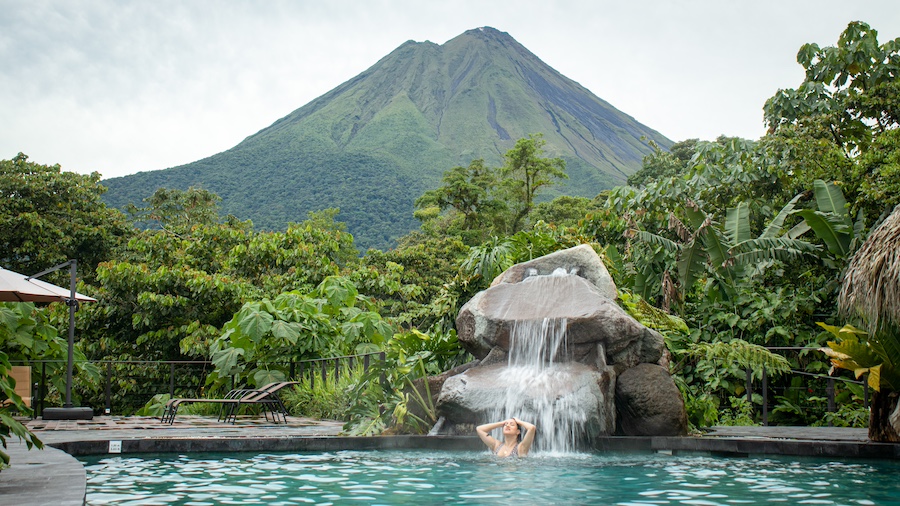
Arenal Volcano for Wellness Travelers
Arenal Volcano wellness travel offers a chance to explore Costa Rica without filling every day with tours. Around La Fortuna, warm hot springs, rainforest trails, and comfortable lodges make it easy to plan a slower vacation. You might spend a morning watching birds, enjoy a quiet afternoon at a thermal resort, or take a gentle walk near the volcano. Lake Arenal also offers opportunities to spend time outdoors. The goal isn't to follow a strict wellness program. Instead, you can choose a few activities and leave enough time to enjoy them. This guide explains how to plan a wellness-focused Arenal vacation, including where to stay, what to do, and when to visit. Why Choose Arenal Volcano for Wellness Travel? Arenal Volcano rises approximately 1,670 meters (5,479 feet) above sea level in northern Costa Rica. It stands near La Fortuna, surrounded by forests, rivers, and volcanic landscapes. Arenal entered a long period of eruptive activity in 1968. That phase ended in 2010, so visitors should not expect to see flowing lava. However, geothermal heat remains an important feature of the region. It warms underground water that supplies many local thermal attractions. Arenal's appeal goes beyond its hot springs. Visitors can explore forest trails, observe wildlife, or spend time near Lake Arenal. The main attractions are spread across the region. Arenal Volcano National Park, La Fortuna, and the thermal resorts are separate places. Therefore, some activities require transportation.…
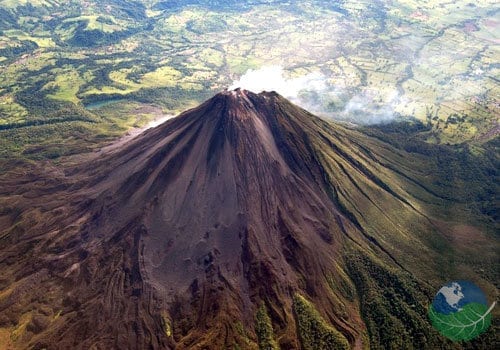
Arenal Volcano vs Poás Volcano
Choosing between Arenal Volcano and Poás Volcano depends on what you want to experience in Costa Rica. Both are active volcanic systems, but visiting them feels very different. Arenal is known for its steep volcanic cone, rainforest trails, geothermal hot springs, and nearby attractions. Poás, meanwhile, is famous for its large summit crater and acidic lake. The biggest difference is how visitors experience each volcano. At Arenal, you explore the surrounding landscape and admire the cone from a distance. At Poás, you may be able to look toward the active crater from an official viewpoint, depending on current restrictions. Travel time also matters. Poás is generally more convenient for visitors staying near San José. Arenal is better suited to travelers planning several days around La Fortuna. This Arenal Volcano vs Poás Volcano comparison explains the differences in scenery, hiking, accessibility, accommodation, weather, and volcanic safety. Arenal Volcano: What Makes It Different? Arenal Volcano rises approximately 1,670 meters (5,479 feet) above sea level in northern Costa Rica. Located near La Fortuna, it is a stratovolcano with a distinctive cone-shaped profile. Arenal began a prolonged eruptive period in July 1968. Activity continued for decades before declining in 2010. Although Arenal remains classified as an active volcano, visitors should not expect the lava flows once visible on its slopes.…
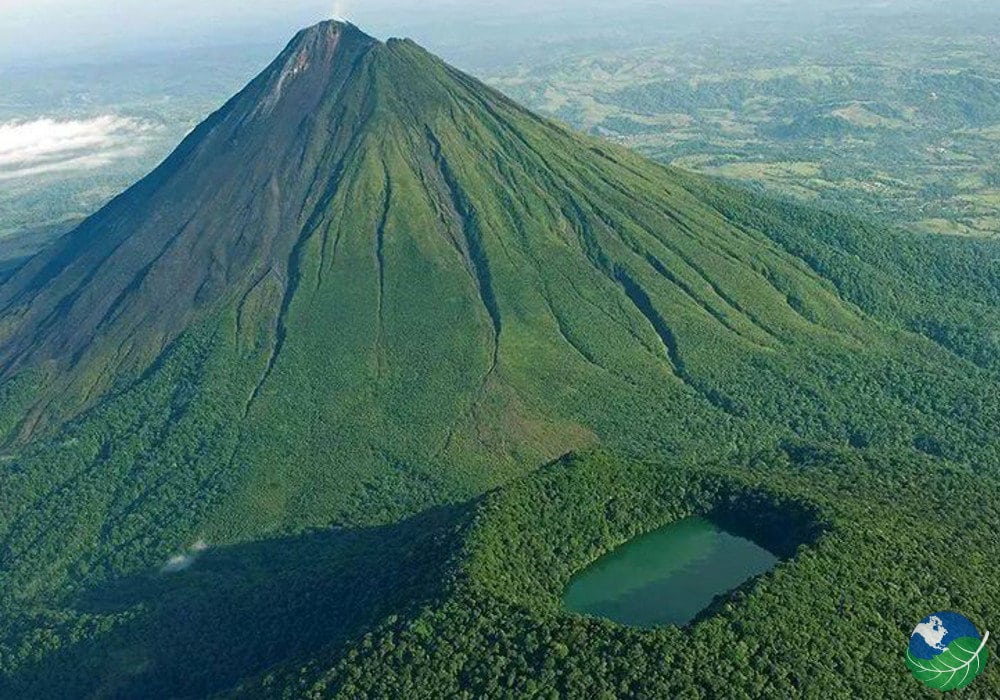
Is Arenal Volcano Active? Eruption History & Visitor Safety
Is Arenal Volcano active? Yes. Arenal remains classified as an active volcano, although its prolonged eruptive period ended in 2010. The frequent lava flows and explosive displays that once attracted visitors to northern Costa Rica are no longer part of the usual travel experience. However, an active volcano does not need to erupt continuously. Arenal still has the potential for future eruptions, which makes scientific monitoring and visitor restrictions important. For travelers planning a trip to La Fortuna, the distinction matters. You can explore volcanic landscapes, walk through regenerating forests, and enjoy the region's hot springs without expecting to see flowing lava. But is Arenal Volcano safe to visit? Authorized tourist areas are established destinations, provided visitors follow current regulations and official advisories. No volcanic environment is completely risk-free. This guide explains Arenal's eruption history, what its current classification means, how scientists monitor the volcano, and what travelers should know before visiting. Arenal Volcano: Location and Geological Overview Arenal Volcano stands near La Fortuna in northern Costa Rica, approximately 1,670 meters (5,479 feet) above sea level. It is a stratovolcano, a type of volcano built through repeated eruptions that deposit layers of lava, ash, and other volcanic material. These deposits gradually create the steep-sided shape associated with Arenal. The volcano rises above a landscape of tropical forest, rural communities, and Lake Arenal. Its surrounding protected areas include Arenal Volcano National Park.…