Leatherback sea turtles have crossed the world’s oceans for more than 100 million years. They survived the extinction of the dinosaurs, adapted to dramatic changes in Earth’s climate, and continue to undertake some of the longest migrations of any marine animal. Yet today, these remarkable reptiles face unprecedented threats that have placed their future at risk.
Costa Rica plays a critical role in the conservation of leatherback turtles. The country’s Caribbean and Pacific coastlines provide important nesting beaches, while protected areas, scientific research, and community-based conservation programs are helping safeguard one of the planet’s most endangered marine species.
For travelers visiting Costa Rica, learning about leatherback turtle conservation adds a deeper appreciation to wildlife experiences and highlights the importance of responsible tourism.
What Makes Leatherback Turtles Unique?
Leatherback turtles are unlike any other sea turtle.
Instead of a hard shell covered with scales, they have a flexible, leathery carapace made of tough connective tissue. This unique adaptation allows them to dive deeper and swim farther than any other sea turtle.
They are also the largest living sea turtle species.
Adults commonly reach lengths of more than 6 feet (2 meters) and can weigh over 1,000 pounds (450 kilograms), although exceptionally large individuals have exceeded these measurements.
Their powerful front flippers can span nearly 9 feet (2.7 meters), helping them travel thousands of miles across the Pacific and Atlantic Oceans.
An Extraordinary Migration
Leatherback turtles are among the greatest long-distance travelers in the animal kingdom.
After nesting on tropical beaches, they migrate across entire ocean basins in search of jellyfish, their primary food source.
Some individuals travel more than 10,000 miles (16,000 kilometers) in a single year.
Unlike many marine species that remain close to warm waters, leatherbacks can tolerate surprisingly cold temperatures thanks to their large body size, specialized circulation, and thick layer of insulating fat.
These adaptations allow them to forage in waters where few other sea turtles can survive.
Leatherback Turtles in Costa Rica
Costa Rica is home to some of the most important leatherback nesting beaches in the Eastern Pacific and the Caribbean.
Along the Caribbean coast, Tortuguero National Park and Gandoca-Manzanillo Wildlife Refuge receive nesting females each year.
On the Pacific coast, Las Baulas National Marine Park near Playa Grande protects one of the country’s best-known leatherback nesting sites.
Although nesting numbers have declined over recent decades, these beaches remain vital for the species’ survival.
The Leatherback Nesting Season
Leatherback turtles generally nest earlier than green sea turtles.
Along Costa Rica’s Caribbean coast, the primary nesting season usually extends from March through July, although exact timing varies each year slightly.
On the Pacific coast, nesting also occurs during the first half of the year, with peak activity often falling between October and February in some locations, depending on the nesting beach.
Because turtles follow natural cycles rather than fixed calendars, visitors should always confirm current conditions before planning a wildlife trip.
Why Leatherback Populations Are Declining
Despite surviving for millions of years, leatherback turtles now face numerous human-caused threats.
No single problem explains the decline.
Instead, several challenges affect turtles throughout every stage of their lives.
Plastic Pollution
Floating plastic bags closely resemble jellyfish.
When turtles mistake plastic for food, they may suffer internal injuries, starvation, or death.
Plastic pollution has become one of the greatest threats facing marine turtles worldwide.
Fishing Gear
Leatherbacks frequently become entangled in fishing nets, longlines, and other commercial fishing equipment.
Many drown before reaching the surface to breathe.
Reducing accidental capture remains one of the highest priorities for marine conservation organizations.
Coastal Development
Healthy nesting beaches require dark, undisturbed shorelines.
Hotels, roads, artificial lighting, and beachfront construction can discourage females from nesting or disorient hatchlings as they search for the ocean.
Protecting natural beaches is essential for successful reproduction.
Climate Change
Rising sea levels and stronger storms gradually erode nesting beaches.
In addition, warmer sand temperatures can influence the sex ratio of hatchlings because turtle sex is determined by incubation temperature.
Long-term climate change therefore creates additional challenges for future populations.
Conservation Efforts in Costa Rica
Costa Rica has become an international leader in sea turtle conservation.
Government agencies, universities, nonprofit organizations, and local communities work together to protect nesting beaches and improve hatchling survival.
Their efforts include:
- Nighttime beach patrols.
- Scientific monitoring.
- Habitat protection.
- Public education.
- Sustainable ecotourism.
- Community outreach.
These programs have significantly increased awareness while generating valuable scientific data.
Protected Areas
Several protected areas play an essential role in leatherback conservation.
Las Baulas National Marine Park
Created specifically to protect leatherback turtles, Las Baulas National Marine Park safeguards one of the Eastern Pacific’s most important nesting beaches.
Strict regulations help reduce disturbance during nesting season while supporting scientific research.
Tortuguero National Park
Although best known for green sea turtles, Tortuguero also supports nesting leatherbacks each year.
Visitors traveling early in the nesting season may be fortunate enough to observe this giant species.
Gandoca-Manzanillo Wildlife Refuge
Located near Costa Rica’s southern Caribbean border, this protected area provides another important nesting beach while supporting broader marine conservation efforts.
How Responsible Tourism Helps
Tourism has become one of the strongest allies of sea turtle conservation.
Guided turtle tours generate income that supports local communities while creating economic incentives to protect wildlife rather than exploit it.
Visitors contribute simply by choosing licensed guides and following park regulations.
Every responsible tour helps fund conservation through entrance fees, local employment, and increased public awareness.
What Visitors Should Do
Watching a nesting leatherback turtle is an unforgettable privilege.
To help protect these endangered animals:
- Join only authorized tours.
- Never use flash photography.
- Keep noise to a minimum.
- Stay behind the turtle unless instructed otherwise.
- Never touch turtles or hatchlings.
- Follow your guide’s instructions.
These simple actions help ensure turtles can complete the nesting process naturally.
Why Leatherbacks Matter
Leatherback turtles play an important ecological role by feeding primarily on jellyfish.
Without natural predators, jellyfish populations can increase dramatically, affecting marine ecosystems and commercial fisheries.
By helping regulate jellyfish numbers, leatherbacks contribute to healthier oceans.
Protecting them benefits countless other marine species.
Frequently Asked Questions
Are leatherback turtles endangered?
Yes. Leatherback turtles are considered globally vulnerable, and some regional populations are critically endangered.
Where can you see leatherback turtles in Costa Rica?
Las Baulas National Marine Park, Tortuguero National Park, and Gandoca-Manzanillo Wildlife Refuge are among the country’s best-known nesting locations.
What do leatherback turtles eat?
Their diet consists primarily of jellyfish and other soft-bodied marine organisms.
Can visitors watch leatherback turtles nesting?
Yes. During nesting season, authorized guided tours allow visitors to observe turtles responsibly while minimizing disturbance.
How can travelers help conservation?
Choose licensed tour operators, avoid disturbing nesting turtles, reduce plastic waste, and support organizations working to protect marine wildlife.
Final Thoughts
Leatherback turtles are among the ocean’s most extraordinary survivors.
Their epic migrations, remarkable size, and ancient evolutionary history make them one of the world’s most fascinating marine animals. Yet their future depends on continued conservation efforts across the globe.
Costa Rica has become one of the most important places for protecting these gentle giants through protected areas, scientific research, responsible tourism, and community involvement.
For travelers, witnessing a leatherback turtle nesting is far more than a memorable wildlife encounter.
It is a reminder of the delicate balance between people and nature—and of the responsibility we all share to protect one of the ocean’s oldest travelers for generations to come.
Related Posts
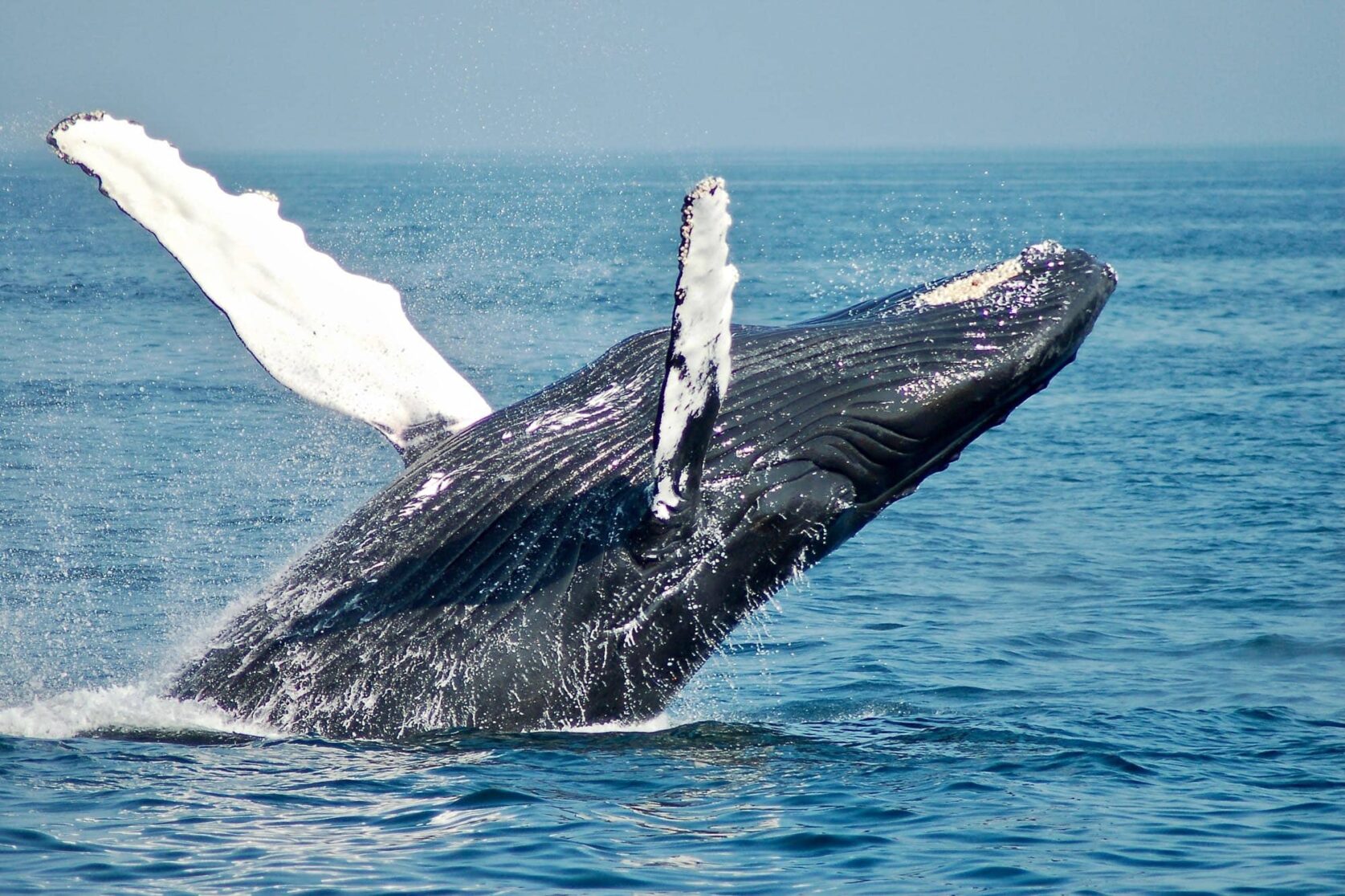
Whale Watching in Drake Bay: An Unforgettable Marine Wildlife Experience on Costa Rica’s Osa Peninsula
Drake Bay is best known as the gateway to Corcovado…
Turtle Nesting in Tortuguero: Costa Rica’s Most Extraordinary Wildlife Experience
Few wildlife experiences compare to watching a sea turtle emerge…
Marine Conservation Efforts in Costa Rica: Protecting One of the World’s Richest Marine Ecosystems
Costa Rica is internationally recognized as one of the world’s…