Costa Rica is celebrated for its extraordinary biodiversity, and while much of the attention goes to its rainforests and national parks, the country’s marine ecosystems are equally remarkable. Along the Pacific and Caribbean coasts, visitors can observe humpback whales, dolphins, sea turtles, rays, tropical fish, and countless seabirds in their natural habitats.
These unforgettable experiences have helped marine tourism become an important part of Costa Rica’s economy. At the same time, they have created a responsibility to ensure that wildlife remains protected for future generations.
Responsible marine wildlife tourism is about more than following regulations. It means respecting animals, minimizing our impact, and supporting local communities and conservation efforts that help preserve Costa Rica’s oceans.
Whether you’re joining a whale-watching excursion, snorkeling around Caño Island, or watching sea turtles nest on a Caribbean beach, your choices as a traveler can make a meaningful difference.
What Is Responsible Marine Wildlife Tourism?
Responsible marine wildlife tourism allows visitors to observe wild animals without disrupting their natural behavior.
Rather than chasing wildlife or encouraging close interactions, ethical tourism focuses on education, conservation, and respect.
The goal is simple.
Allow marine animals to continue behaving naturally while allowing visitors to appreciate them from a safe distance.
This approach benefits both wildlife and travelers by creating authentic experiences that do not compromise fragile ecosystems.
Why It Matters
Marine ecosystems are under increasing pressure around the world.
Climate change, pollution, overfishing, coastal development, and plastic waste all affect ocean wildlife.
Tourism can either contribute to these problems or help solve them.
When visitors choose responsible operators, they support businesses that invest in conservation, employ local guides, and follow regulations designed to protect marine species.
Every ethical tour sends a message that wildlife has greater value alive than exploited.
Costa Rica’s Commitment to Conservation
Costa Rica has earned an international reputation for environmental protection.
Approximately one-quarter of the country’s land is protected through national parks, wildlife refuges, and biological reserves.
Marine conservation has also become a national priority.
Protected areas such as Marino Ballena National Park, Caño Island Biological Reserve, Las Baulas National Marine Park, and Tortuguero National Park safeguard critical habitats for whales, dolphins, sea turtles, coral reefs, and countless marine species.
These protected areas form the foundation of Costa Rica’s marine tourism industry.
Responsible Whale Watching
Whale watching is one of Costa Rica’s most popular wildlife activities.
Responsible operators follow strict guidelines designed to minimize disturbance to humpback whales.
Good practices include:
- Maintaining legal viewing distances.
- Approaching whales slowly.
- Avoiding sudden changes in direction.
- Limiting engine noise.
- Never surrounding whales with multiple boats.
- Giving mothers with calves extra space.
These guidelines allow visitors to enjoy spectacular encounters while protecting the animals’ natural behavior.
Responsible Dolphin Watching
Dolphins are naturally curious and often approach boats on their own.
Responsible operators allow dolphins to choose the interaction rather than pursuing them.
Boats should never attempt to separate mothers from calves or repeatedly chase pods across the water.
When dolphins voluntarily swim beside a boat, the experience becomes far more rewarding because it happens entirely on the animals’ terms.
Respecting Sea Turtles
Sea turtles are especially vulnerable during nesting season.
Artificial light, loud noises, and careless behavior can interrupt nesting females or disorient hatchlings trying to reach the ocean.
When joining a turtle tour:
- Follow your guide’s instructions.
- Never use flash photography.
- Avoid bright lights.
- Remain quiet.
- Do not touch turtles or hatchlings.
- Stay in designated viewing areas.
These simple actions significantly improve nesting success.
Coral Reefs and Snorkeling
Coral reefs are living ecosystems that require decades to grow.
Unfortunately, they are easily damaged.
When snorkeling or diving:
- Never stand on coral.
- Maintain good buoyancy.
- Avoid touching marine life.
- Keep fins away from reef structures.
- Never collect shells or coral fragments.
Even accidental contact can damage organisms that have taken many years to develop.
Reduce Plastic Waste
Plastic pollution is one of the greatest threats facing marine ecosystems.
Sea turtles mistake plastic bags for jellyfish.
Seabirds ingest floating debris.
Microplastics enter the food chain and affect marine species at every level.
Visitors can reduce their impact by:
- Carrying a reusable water bottle.
- Refusing single-use plastics.
- Properly disposing of trash.
- Participating in beach cleanups when possible.
Small actions become significant when adopted by thousands of travelers.
Choose Certified Local Operators
One of the best ways to support conservation is by choosing responsible local businesses.
Look for operators that:
- Employ certified naturalist guides.
- Follow national regulations.
- Maintain small group sizes.
- Educate visitors.
- Support conservation projects.
- Respect wildlife viewing guidelines.
Choosing ethical companies helps strengthen sustainable tourism throughout Costa Rica.
Wildlife Photography Ethics
Photography allows visitors to preserve incredible memories.
However, taking a good photograph should never come before an animal’s well-being.
Responsible wildlife photographers:
- Avoid blocking animal movement.
- Never use flash around nesting turtles.
- Maintain respectful distances.
- Remain patient rather than forcing encounters.
- Allow wildlife to behave naturally.
Often, the most meaningful photographs come from simply waiting quietly.
Why Local Communities Matter
Marine conservation succeeds when local communities benefit.
Many coastal communities now depend on sustainable tourism rather than activities that once threatened wildlife.
Guides, boat captains, hotel owners, restaurants, transportation providers, and conservation organizations all benefit when healthy ecosystems attract visitors.
Supporting local businesses helps create long-term incentives to protect marine habitats.
What Travelers Can Do
Responsible travel begins long before arriving in Costa Rica.
Simple choices make a real difference.
- Book tours with licensed operators.
- Follow wildlife viewing regulations.
- Respect protected areas.
- Avoid purchasing products made from marine animals.
- Reduce plastic waste.
- Stay on marked trails and designated beaches.
- Learn about the species you’re hoping to see.
Education remains one of the most powerful conservation tools.
Frequently Asked Questions
Why is responsible marine tourism important?
It protects wildlife, supports conservation, and allows future generations to experience healthy marine ecosystems.
Can boats get close to whales?
Licensed operators must follow regulations that establish safe viewing distances and minimize disturbance.
Should I swim with wild dolphins?
No. Wild dolphins should always be observed from a respectful distance without attempting to interact directly.
Is flash photography allowed during turtle nesting?
No. Flash photography can disturb nesting turtles and disorient hatchlings.
How can tourists help conservation?
Choose responsible operators, reduce waste, respect wildlife regulations, and support local conservation initiatives.
Final Thoughts
Costa Rica’s marine wildlife is one of the country’s greatest natural treasures.
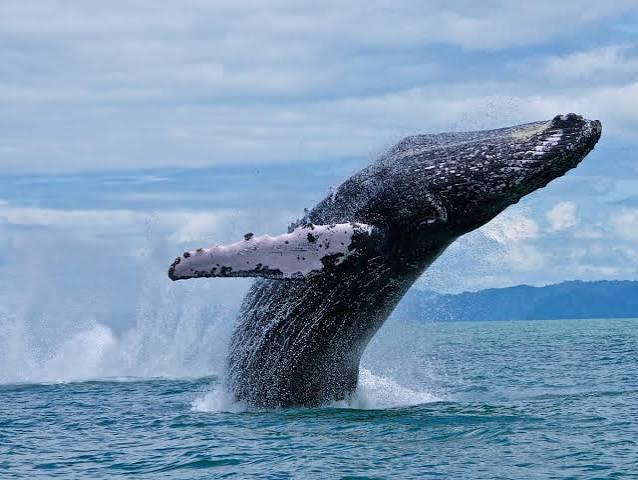
From humpback whales breaching off the Pacific coast to dolphins swimming through Golfo Dulce and sea turtles nesting beneath Caribbean stars, these experiences create memories that last a lifetime.
Protecting them depends on the choices made by governments, conservation organizations, local communities, tour operators, and travelers alike.
By practicing responsible marine wildlife tourism, visitors do far more than enjoy extraordinary wildlife encounters.
They become active participants in preserving Costa Rica’s oceans, ensuring that future generations will continue to experience the same incredible marine biodiversity that makes this country one of the world’s leading ecotourism destinations.
Related Posts
Best Time for Whale Watching in Costa Rica
Costa Rica is one of the world’s best destinations for…
Whale Watching in Uvita: Costa Rica’s Best Place to See Humpback Whales
If there is one destination that defines whale watching in…
Marine Conservation Efforts in Costa Rica: Protecting One of the World’s Richest Marine Ecosystems
Costa Rica is internationally recognized as one of the world’s…