Playa Grande Costa Rica is a long Pacific beach north of Tamarindo, known for surfing, coastal scenery, and its role in leatherback sea turtle conservation. Located in Guanacaste Province, the beach forms part of the protected landscape of Las Baulas National Marine Park.
Although Playa Grande sits close to Tamarindo, the two destinations offer different experiences. Tamarindo has a busy commercial center with restaurants, shops, and nightlife. Meanwhile, Playa Grande has residential areas, smaller accommodation properties, and fewer businesses concentrated near the beach.
However, visitors should understand an important distinction: Playa Grande’s history as a leatherback nesting beach does not mean turtle-viewing tours are currently available.
This guide explains what to expect from the beach, surfing, wildlife conservation, accommodation, restaurants, and transportation. It also helps you decide whether Playa Grande or nearby Tamarindo is the better base for your vacation.
Where Is Playa Grande Costa Rica?
Playa Grande lies on Guanacaste’s northern Pacific coast, immediately north of the Tamarindo estuary.
The beach and surrounding community belong to the greater Cabo Velas area of Santa Cruz canton. However, the residential community and protected coastal areas should not be treated as identical.
Playa Grande is geographically close to Tamarindo. Nevertheless, reaching it by road requires driving around the estuary.
Depending on traffic and your starting point, the drive from central Tamarindo often takes around 25–40 minutes.
Guanacaste Airport, near Liberia, is generally the most convenient major international airport. The journey commonly takes around one to two hours, although conditions vary.
For travelers planning a longer Guanacaste vacation, Playa Grande provides access to surrounding beaches without requiring accommodation in central Tamarindo.
What Makes Playa Grande Special?
Playa Grande combines an established surfing beach with an important conservation setting.
Its broad sandy shoreline faces the open Pacific. As a result, waves, currents, and tides play a significant role in beach activities.
The surrounding area also contains residential neighborhoods, vacation rentals, small hotels, and local businesses.
However, Playa Grande isn’t an undeveloped wilderness. Visitors should expect a coastal community with tourism infrastructure alongside protected habitats.
The conservation landscape is especially important because Playa Grande has historically provided nesting habitat for leatherback sea turtles.
Playa Grande and Las Baulas National Marine Park
Las Baulas National Marine Park protects coastal and marine habitats around Tamarindo Bay.
The protected area includes nesting beaches and ecologically important estuarine environments.
Playa Grande, Playa Ventanas, and Playa Langosta are associated with the park’s leatherback conservation work.
In addition, the Tamarindo estuary supports mangrove habitats used by birds and other wildlife.
The park’s purpose extends beyond protecting individual animals. It also safeguards the coastal conditions that nesting turtles and other species need.
For visitors, this means respecting designated access areas, wildlife restrictions, and park regulations.
Before visiting, check the latest guidance from Costa Rica’s National System of Conservation Areas (SINAC).
Leatherback Turtle Nesting at Playa Grande
Leatherback sea turtles are central to Playa Grande’s conservation history.
The leatherback, Dermochelys coriacea, is the world’s largest living sea turtle species.
Unlike hard-shelled sea turtles, leatherbacks have a flexible, leathery covering over their shell structure.
They travel long distances through the ocean and return to suitable beaches to lay eggs.
Do Leatherback Turtles Still Nest at Playa Grande?
Playa Grande remains recognized as leatherback nesting habitat.
However, nesting activity has declined substantially compared with historical levels.
The Eastern Pacific leatherback population has experienced severe declines over recent decades. Therefore, visitors should not expect to see nesting turtles simply because they arrive during the traditional nesting season.
According to NOAA Fisheries, Pacific leatherbacks face threats that include accidental capture in fishing gear, habitat degradation, and human disturbance.
Consequently, protecting nesting beaches remains important even when nesting events are uncommon.
When Is Turtle Nesting Season?
The period traditionally associated with leatherback nesting at Playa Grande runs approximately from October through February.
However, this describes a biological season, not a guaranteed opportunity to observe turtles.
Nesting dates and activity vary, and the number of turtles arriving can be very low.
Therefore, travelers should not plan a Playa Grande vacation around an expectation of seeing leatherbacks.
Are Turtle Tours Available at Playa Grande?
This is one of the most important questions for visitors.
SINAC’s Spanish-language park information states that turtle observation is not available.
Some older tourism information and park materials describe guided nighttime turtle observation. However, historical descriptions do not establish that tours are currently authorized.
As a result, travelers should not assume that commercial nighttime nesting tours are operating.
Before making plans, contact the park administration through official SINAC channels to confirm current restrictions.
Do not enter protected nesting areas after permitted visiting hours or follow an unauthorized guide onto the beach.
Likewise, avoid flash photography, bright lights, touching turtles, or disturbing nesting habitat.
Visitors can still appreciate Playa Grande’s conservation significance without witnessing a nesting event.
Playa Grande Beach: Swimming and Ocean Conditions
Playa Grande has a long sandy shoreline exposed to Pacific swell.
The beach attracts surfers and visitors who enjoy walking, photography, and coastal scenery.
However, the same conditions that create surfable waves can make recreational swimming hazardous.
Can You Swim at Playa Grande?
Swimming conditions vary with tides, currents, swell, and weather.
Some sections may appear manageable during certain conditions, but appearances alone cannot establish safety.
In addition, strong waves and rip currents can affect exposed Pacific beaches.
No particular tide guarantees safe swimming.
Before entering the water, seek current advice from qualified local surf instructors or lifeguards, where available.
Families should supervise children closely and avoid entering the ocean when conditions are unsuitable.
The Tamarindo estuary mouth requires particular caution because of currents and wildlife hazards.
If your priority is calm, sheltered swimming, Playa Grande may not be the most suitable beach.
Surfing at Playa Grande Costa Rica
Surfing is one of Playa Grande’s main attractions.
The beach has established surfable sections, and its open Pacific exposure can produce appealing waves under suitable conditions.
However, surf quality and difficulty vary throughout the day.
Swell direction, wind, tides, and currents all influence the experience.
Is Playa Grande Good for Beginner Surfers?
Some conditions may suit beginners receiving appropriate instruction.
Nevertheless, Playa Grande shouldn’t be described as uniformly beginner-friendly.
Wave strength and currents can make certain sections challenging, particularly during larger swells.
Therefore, first-time surfers should choose qualified instruction and follow current local guidance.
Nearby Tamarindo has an established selection of surf schools and beginner lessons.
Playa Grande vs Tamarindo for Surfing
Both beaches offer surfing, but their conditions and services differ.
Tamarindo has a concentrated surf-school scene and convenient access to restaurants and shops.
Meanwhile, Playa Grande attracts surfers interested in its beach breaks and surrounding coastal setting.
However, Playa Grande isn’t always less crowded or more powerful than Tamarindo.
The better choice depends on your experience, the specific break, and current conditions.
Best Things to Do in Playa Grande
Although surfing is a major attraction, visitors can enjoy several activities without entering the ocean.
Walk Along Playa Grande Beach
The long shoreline provides opportunities for beach walks and coastal photography.
During suitable conditions, visitors can explore different sections of the beach and enjoy views of the Pacific.
However, tides and waves may affect particular walking routes.
Always follow protected-area access rules.
Enjoy a Pacific Sunset
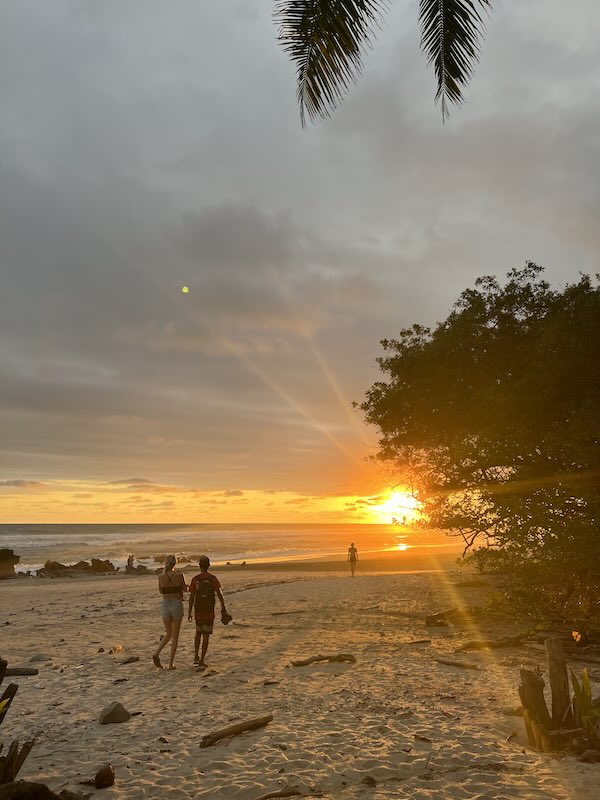
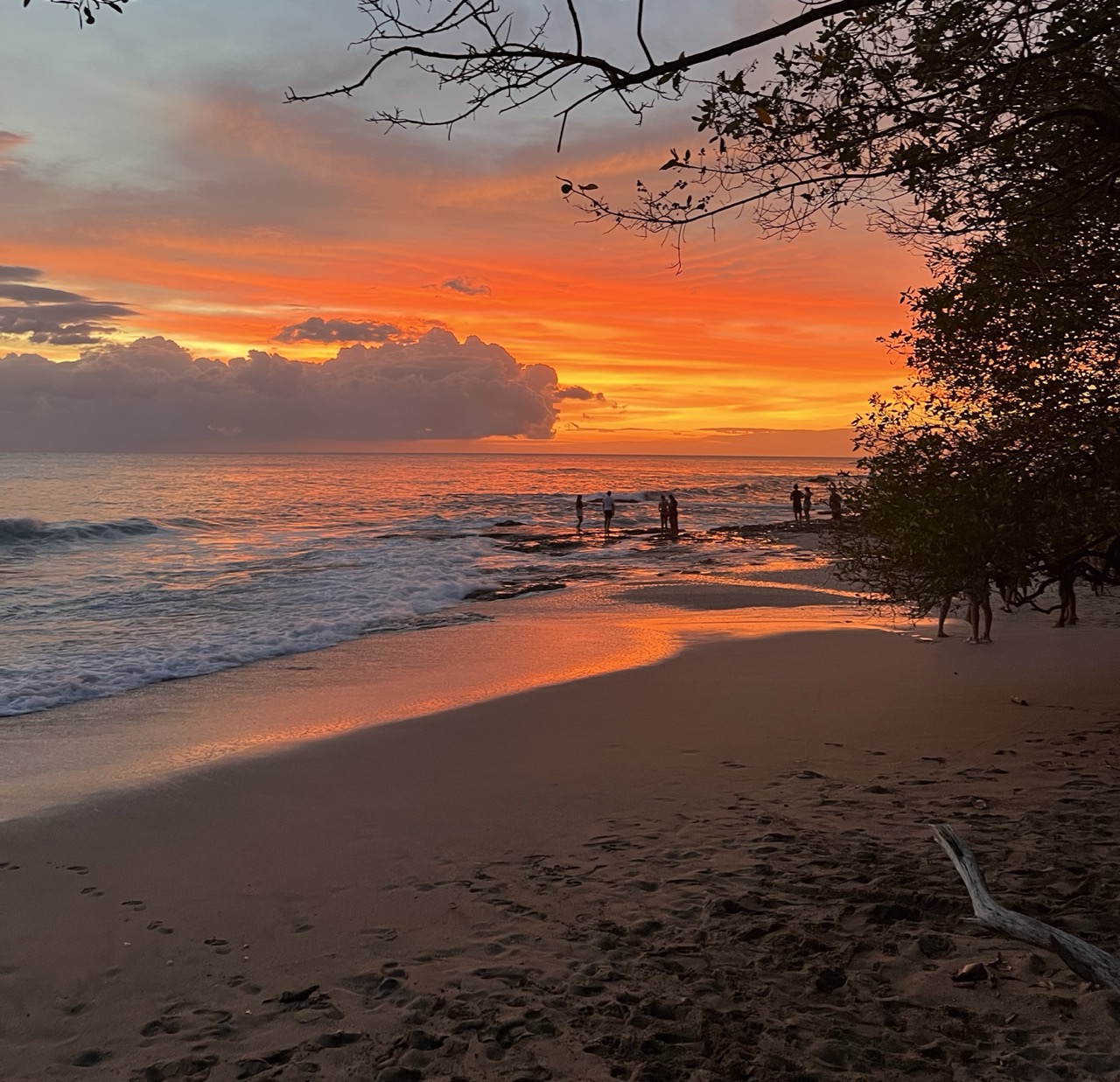
Playa Grande faces the Pacific, making sunset viewing a popular activity.
The changing light provides attractive conditions for photography and relaxed beach walks.
However, visitors should plan their departure around current park access hours.
During the turtle nesting season, SINAC lists an earlier beach departure time.
Learn About Coastal Conservation
Playa Grande offers an opportunity to understand why protected nesting beaches matter.
Visitors can learn about leatherback turtles, coastal habitats, and the threats affecting marine wildlife.
Official park information provides a useful starting point.
Importantly, responsible tourism doesn’t require direct contact with wildlife.
Explore Nearby Beaches
The surrounding Guanacaste coast offers additional places to explore.
Playa Langosta, south of Tamarindo, has a shoreline with rocky sections and changing surf conditions.
Other nearby communities offer restaurants, accommodation, and coastal activities.
However, driving times vary, and visitors should plan around the road network rather than assuming neighboring beaches are directly connected.
Visit Tamarindo
Tamarindo provides a wider concentration of organized activities.
Visitors can arrange surf lessons, restaurants, shopping, and selected coastal excursions.
Wildlife and the Tamarindo Estuary
The Tamarindo estuary forms part of the wider protected coastal environment.
Its mangrove habitats support birds, reptiles, and other wildlife.
Guided estuary excursions may offer opportunities to observe these ecosystems.
However, sightings are never guaranteed.
Visitors should avoid swimming, wading, or independently exploring unfamiliar estuary waters.
Crocodiles inhabit suitable estuarine environments, and currents can create additional hazards.
Instead, choose an established guide who follows protected-area requirements.
Where to Stay in Playa Grande
Playa Grande offers smaller hotels, guesthouses, vacation rentals, and residential accommodation.
However, amenities vary considerably.
Small Hotels and Guesthouses
Smaller properties may appeal to couples or solo travelers who prefer accommodation outside a busy commercial center.
Before booking, check the actual distance to the beach, available dining, parking, and transportation options.
Don’t assume that every property provides direct beach access.
Vacation Rentals and Villas
Vacation rentals can work well for families and longer stays.
Kitchens and separate bedrooms may offer additional convenience.
However, pools, air conditioning, internet quality, and ocean views depend on the individual property.
Confirm these features directly before booking.
Where Should You Stay?
Accommodation near a convenient beach access point may suit travelers focused on surfing and coastal activities.
Meanwhile, properties farther inland may require a car for beach visits and dining.
For remote workers, reliable internet and a suitable workspace deserve particular attention.
Restaurants and Everyday Services
Playa Grande has restaurants and cafés, although the selection is smaller than in central Tamarindo.
Visitors can find places to eat within the wider community, but availability depends on location and season.
Therefore, check current opening hours before making plans.
Accommodation with a kitchen can simplify meals, especially for families and longer stays.
For a wider range of restaurants, supermarkets, and shops, Tamarindo offers additional options.
However, reaching Tamarindo requires transportation planning, particularly after dark.
How to Get to Playa Grande From Tamarindo
Although the beaches are close geographically, the estuary separates their shorelines.
Driving From Tamarindo
Driving requires traveling inland and around the Tamarindo estuary.
Depending on traffic, road conditions, and your exact destination, the journey commonly takes around 25–40 minutes.
A rental car can be useful for travelers staying several days or visiting surrounding beaches.
Crossing the Tamarindo Estuary by Boat
Small-boat crossings have historically connected the Tamarindo side of the estuary with the Playa Grande side.
However, current schedules, boarding locations, safety arrangements, and operator availability require confirmation.
A crossing doesn’t necessarily deliver visitors directly to their accommodation.
In addition, weather, tides, and operating conditions can affect service.
Never attempt to swim across the estuary.
Families should confirm appropriate life jackets before using any boat service.
For a reliable return after dark, arrange suitable road transportation rather than depending on an unconfirmed boat crossing.
Playa Grande vs Tamarindo: Which Should You Choose?
| Category | Playa Grande | Tamarindo |
|---|---|---|
| Atmosphere | More residential and spread out | Busier commercial center |
| Beach | Long, exposed Pacific shoreline | Sandy beach with established tourism services |
| Surfing | Established beach breaks | Extensive surf instruction |
| Restaurants | Smaller selection | Wider selection |
| Nightlife | Limited concentration | More bars and entertainment |
| Accommodation | Small hotels and rentals | Broad range of hotels and rentals |
| Transportation | Car often useful | Central area more walkable |
| Conservation | Protected nesting habitat | Access to nearby protected ecosystems |
Choose Playa Grande if you prefer a residential coastal setting and want to spend time surfing or exploring the beach.
Choose Tamarindo if you want more restaurants, shops, and organized activities close to your accommodation.
Neither destination guarantees safe swimming or a quiet environment at every location.
Best Time to Visit Playa Grande
Guanacaste generally experiences a dry season from December through April.
During this period, rainfall is usually lower, making outdoor planning easier.
However, holidays can increase accommodation demand.
The wetter season generally runs from May through November. Rainfall becomes more frequent, although conditions vary.
Surf conditions can change throughout the year, so neither season guarantees ideal waves.
The traditional leatherback nesting period overlaps partly with the dry season. Nevertheless, this does not mean turtle observation is available.
Responsible Travel and Beach Safety
Visitors can help protect Playa Grande by following park rules and respecting wildlife habitats.
Avoid disturbing nesting areas, leaving litter, or using bright lights near sensitive coastal environments.
Do not drive on the beach or enter restricted areas.
Additionally, check ocean conditions before swimming or surfing.
Bring sun protection and drinking water, and plan transportation before traveling after dark.
For current regulations, consult SINAC rather than relying on older tourism descriptions.
Frequently Asked Questions
Is Playa Grande part of Las Baulas National Marine Park?
The beach forms part of the protected coastal landscape associated with Las Baulas National Marine Park. However, surrounding residential and commercial properties should not all be assumed to lie inside the park.
Can you see leatherback turtles at Playa Grande?
Leatherbacks have historically nested here, but nesting activity has declined substantially. SINAC’s current Spanish-language park information states that turtle observation is unavailable.
Is Playa Grande good for families?
It can be suitable for families interested in beach walks, nature, and accommodation outside central Tamarindo. However, swimming conditions require caution.
Can you walk from Tamarindo to Playa Grande?
The estuary separates the beaches. Do not attempt to swim or wade across it. Use an appropriate road route or a verified boat service.
How many days should you spend in Playa Grande?
Two or three days can provide time for beach activities and relaxation. A longer stay works for visitors planning to surf or explore Guanacaste.
Final Verdict: Is Playa Grande Worth Visiting?
Playa Grande Costa Rica is worth visiting for its surfing, long Pacific shoreline, and important conservation history.
Its location near Tamarindo gives travelers access to additional restaurants and activities while offering a different coastal setting.
However, Playa Grande isn’t the right destination for everyone. Swimming conditions can be challenging, transportation requires planning, and turtle observation should not be expected.
For surfers, nature-minded travelers, and visitors interested in coastal conservation, Playa Grande offers a rewarding place to explore Guanacaste.
Related Posts
Surf Camps in Santa Teresa: What to Know Before Booking
Surf camps in Santa Teresa offer travelers a way to learn…
Yoga in Tamarindo Costa Rica: Retreats and Wellness
Yoga in Tamarindo Costa Rica combines the convenience of an established…

Tamarindo with Kids: Best Things to Do on a Family Vacation
Tamarindo with kids offers a mix of beach activities, beginner surf…