Is Arenal Volcano active? Yes. Arenal remains classified as an active volcano, although its prolonged eruptive period ended in 2010. The frequent lava flows and explosive displays that once attracted visitors to northern Costa Rica are no longer part of the usual travel experience.
However, an active volcano does not need to erupt continuously. Arenal still has the potential for future eruptions, which makes scientific monitoring and visitor restrictions important.
For travelers planning a trip to La Fortuna, the distinction matters. You can explore volcanic landscapes, walk through regenerating forests, and enjoy the region’s hot springs without expecting to see flowing lava.
But is Arenal Volcano safe to visit? Authorized tourist areas are established destinations, provided visitors follow current regulations and official advisories. No volcanic environment is completely risk-free.
This guide explains Arenal’s eruption history, what its current classification means, how scientists monitor the volcano, and what travelers should know before visiting.
Arenal Volcano: Location and Geological Overview
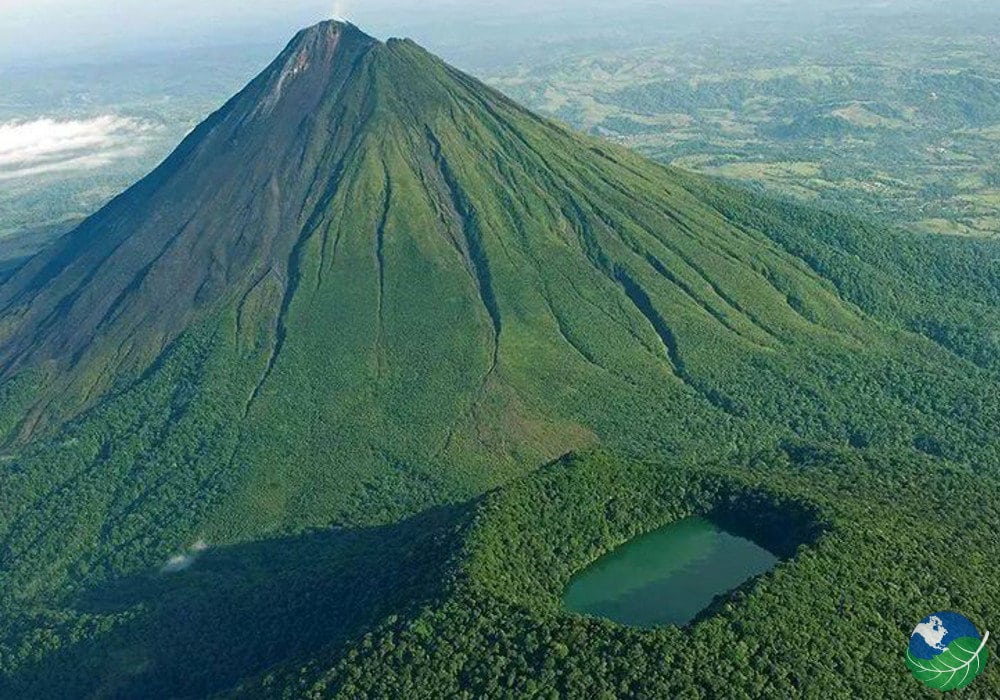
Arenal Volcano stands near La Fortuna in northern Costa Rica, approximately 1,670 meters (5,479 feet) above sea level.
It is a stratovolcano, a type of volcano built through repeated eruptions that deposit layers of lava, ash, and other volcanic material.
These deposits gradually create the steep-sided shape associated with Arenal.
The volcano rises above a landscape of tropical forest, rural communities, and Lake Arenal. Its surrounding protected areas include Arenal Volcano National Park.
Nearby, geothermal hot springs have helped establish La Fortuna as a major tourism destination.
The region’s scenery reflects a long history of volcanic activity. Older lava deposits remain visible in some areas, while vegetation has gradually returned to landscapes affected by previous eruptions.
Today, visitors experience Arenal primarily through authorized hiking trails, viewpoints, nature reserves, and nearby attractions.
Is Arenal Volcano Active Right Now?
Arenal remains geologically active, but that does not mean it is continuously erupting.
The volcano’s last recorded eruptive period ended in 2010, according to the Smithsonian Global Volcanism Program.
Since then, the regular lava flows and explosions associated with its earlier activity have ceased.
However, geological classifications describe a volcano’s potential for future activity, not simply what visitors can observe on a particular day.
Active, Dormant, and Erupting: What’s the Difference?
These terms are often confused.
An active volcano has erupted in geologically recent history and retains the potential for future eruptions.
A currently erupting volcano is undergoing an eruption at the time being discussed.
A dormant or resting volcano is generally understood as one that is not currently erupting but could become active again. However, scientists do not always use these terms in exactly the same way.
Arenal’s long period of reduced eruptive activity does not make it extinct.
Similarly, the presence of geothermal heat does not mean that lava is moving toward the surface or that an eruption is imminent.
Current-status note: This article describes Arenal’s established geological history. It does not constitute a live volcanic activity report. Before visiting, consult the latest updates from OVSICORI-UNA, the Red Sismológica Nacional, and relevant Costa Rican authorities.
When Did Arenal Volcano Last Erupt?
The Smithsonian Global Volcanism Program records Arenal’s last known eruption in 2010.
However, that date marks the end of a prolonged eruptive period rather than one isolated event.
Arenal began erupting in July 1968. During the following decades, its activity varied in intensity.
At different times, the volcano produced lava flows, explosive events, ash emissions, and other volcanic phenomena.
These displays made Arenal widely known among visitors interested in active volcanism.
For years, glowing lava could sometimes be observed after dark from suitable locations.
However, that historical experience should not be confused with current conditions.
Travelers visiting La Fortuna today should not expect regular lava flows or nighttime eruptions.
The 1968 Arenal Volcano Eruption: What Happened?
On July 29, 1968, Arenal erupted violently after a long period without documented major eruptive activity.
The event devastated nearby communities and caused significant loss of life.
The eruption also transformed parts of the surrounding landscape, depositing volcanic material across areas previously covered by vegetation and agricultural land.
Arenal’s activity continued after the initial eruption.
During subsequent decades, additional lava flows and volcanic deposits changed the terrain around the mountain.
Therefore, not every hardened lava field visible today dates from July 1968.
Some deposits formed during later stages of the eruptive period.
Over time, vegetation began returning to affected areas.
Today, visitors can observe parts of this ecological recovery along authorized trails and in surrounding nature reserves.
The 1968 eruption remains central to understanding both Arenal’s modern landscape and the importance of volcanic risk management.
Why Did Arenal Volcano Stop Erupting in 2010?
Arenal’s eruptive activity declined substantially in 2010.
However, the end of a prolonged eruptive phase does not mean a volcano has permanently stopped functioning.
Volcanic systems can alternate between periods of activity and relative quiet.
These changes involve complex underground processes, including magma movement and variations in pressure.
Scientists study these processes through geological observations and monitoring data.
Nevertheless, the precise timing of future eruptions cannot be established simply from the end of a previous eruptive period.
It would also be misleading to suggest that Arenal’s magma supply has permanently disappeared or that the volcano can no longer erupt.
For travelers, the practical conclusion is straightforward: Arenal is not known for the frequent visible lava displays of its past, but it remains an active volcanic system.
Could Arenal Volcano Erupt Again?
Yes. Future eruptions are possible because Arenal remains geologically active.
However, the possibility of another eruption is not the same as evidence that one is imminent.
Scientists examine several types of information when assessing volcanic behavior.
Changes in seismic activity, volcanic gases, ground deformation, and surface conditions may provide clues about processes occurring underground.
Even so, volcanic systems are complex. Not every earthquake indicates an approaching eruption, and not every change leads to eruptive activity.
There is no scientifically justified way to promise visitors that Arenal will remain quiet indefinitely.
Likewise, it would be irresponsible to predict a future eruption date without supporting evidence.
Travelers should rely on scientific reports and official advisories rather than social media rumors or sensational headlines.
How Is Arenal Volcano Monitored?
Costa Rica has scientific institutions that study volcanic activity and help authorities assess potential hazards.
Their work provides information about changes in volcanic behavior and supports public safety decisions.
OVSICORI-UNA
The Observatorio Vulcanológico y Sismológico de Costa Rica is part of the Universidad Nacional.
It studies volcanic and seismic activity across Costa Rica and publishes scientific information about monitored volcanoes.
Its reports help explain changes in volcanic conditions.
Red Sismológica Nacional (RSN)
The Red Sismológica Nacional is associated with the Universidad de Costa Rica and the Instituto Costarricense de Electricidad.
It studies earthquakes and volcanic processes, providing additional scientific observations.
National Emergency Commission (CNE)
Costa Rica’s Comisión Nacional de Prevención de Riesgos y Atención de Emergencias coordinates emergency management and public risk communication.
It may issue alerts or coordinate responses when natural hazards threaten communities.
What Do Scientists Monitor?
Volcanic monitoring can include seismic measurements, observations of gas emissions, ground deformation, and thermal changes.
Scientists may also conduct field inspections and review historical activity.
However, not every volcano uses the same equipment or monitoring schedule.
These observations help experts assess changes, but monitoring cannot guarantee advance warning of every hazardous event.
For travelers, official scientific updates are more useful than speculation about the volcano’s appearance.
Is Arenal Volcano Safe to Visit?
Arenal is an established tourism destination, and visitors can explore authorized areas when conditions permit.
However, safety depends on several factors.
Current volcanic activity, weather, trail conditions, and individual behavior all influence risk.
The absence of visible eruptions does not mean visitors can enter restricted areas.
Likewise, a marked trail does not eliminate hazards such as slippery surfaces or falling branches during severe weather.
Costa Rica’s park authorities may restrict access when conditions require it.
Visitors should follow these decisions rather than assuming that a previously accessible location remains open.
For most travelers, responsible planning means checking current advisories, using authorized entrances, and choosing activities suited to their abilities.
Arenal Volcano National Park Safety Rules
Arenal Volcano National Park provides designated trails through forest and older volcanic landscapes.
However, visitors cannot climb the active cone or enter restricted slopes.
Park regulations require visitors to remain on authorized paths and follow instructions from park personnel.
These rules protect both visitors and the surrounding environment.
Hardened lava deposits may look stable, but uneven rock and loose surfaces can create hazards.
Forest trails may also contain exposed roots, mud, and slippery sections after rainfall.
Visitors should wear appropriate footwear and avoid leaving designated routes for photographs.
It is equally important to distinguish official national park trails from private attractions.
Arenal 1968, Mirador El Silencio, and Arenal Observatory Lodge & Trails operate separately from the national park.
Each property has its own access arrangements and visitor rules.
Before hiking, confirm current information through SINAC.
What Can You See at Arenal Volcano Today?
Arenal remains an interesting destination even without visible eruptions.
Its geological history is evident across the surrounding landscape.
The Volcanic Cone
Arenal’s steep cone rises above forest and countryside near La Fortuna.
From certain viewpoints, visitors can photograph the volcano against surrounding hills and vegetation.
However, clouds frequently obscure the summit.
A cloudy mountain does not necessarily indicate volcanic activity.
Older Lava Deposits
Authorized trails provide opportunities to observe hardened volcanic material.
These deposits formed during different stages of Arenal’s eruptive history.
They offer a visible reminder of how eruptions transformed the landscape.
However, visitors should remain on designated routes rather than exploring volcanic rock independently.
Regenerating Forest
Vegetation has gradually returned to areas affected by previous eruptions.
This recovery provides an opportunity to observe how tropical ecosystems change over time.
Forest trails also create a different experience from exposed volcanic viewpoints.
Wildlife
The wider Arenal region supports diverse wildlife.
Visitors may encounter birds, monkeys, coatis, insects, and reptiles.
However, sightings vary with habitat, weather, and time of day.
Wildlife should never be approached, handled, or fed.
Geothermal Hot Springs
The La Fortuna region is known for geothermal bathing.
Underground heat associated with the volcanic system warms water that reaches the surface in parts of the region.
However, the existence of hot springs does not mean Arenal is currently erupting.
Visitors can enjoy thermal facilities without expecting visible volcanic activity.
Best Things to Do Near Arenal Volcano Without an Eruption
Arenal’s surrounding region offers enough activities for several days.
Hike in Arenal Volcano National Park
The national park provides authorized routes through forest and volcanic terrain.
Trails such as Las Coladas and El Ceibo allow visitors to explore different environments when open.
A guided hike can also provide information about the volcano’s history and ecological recovery.
However, national park access should be confirmed before arrival.
Relax in Geothermal Hot Springs
Hot spring resorts and other authorized facilities offer opportunities to enjoy thermal bathing.
Access policies and admission arrangements vary by property.
Thermal facilities are generally separate from national park admission.
Explore Lake Arenal
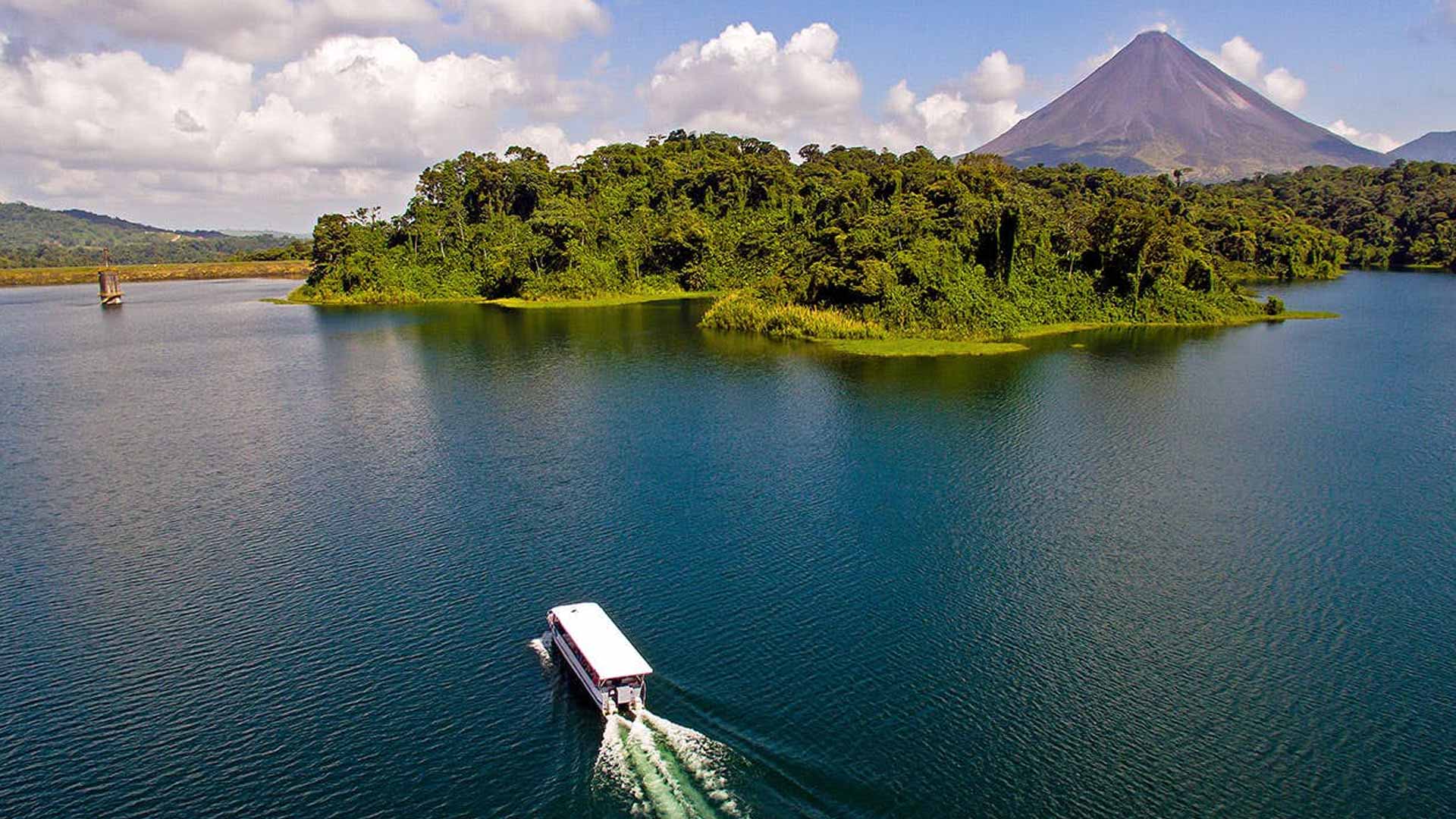
Lake Arenal provides scenic views of the volcano and surrounding countryside.
Travelers can enjoy lakeside drives or arrange water-based activities with local operators.
However, wind and weather conditions can affect kayaking and other excursions.
Visit Rainforest Reserves
The wider La Fortuna region includes private nature reserves and hanging bridge attractions.
These areas provide opportunities to explore tropical forest and observe wildlife.
They operate separately from Arenal Volcano National Park and may require advance reservations.
Where to Stay Near Arenal Volcano
La Fortuna offers a wide range of accommodation, from small hotels to luxury resorts.
Staying downtown provides convenient access to restaurants, shops, and tour operators.
Properties along Route 142 may offer access to thermal facilities and views toward Arenal.
Examples include Nayara Gardens, Nayara Springs, The Springs Resort & Spa, and Tabacón Thermal Resort & Spa.
However, their locations, facilities, and volcano views differ.
Not every room faces Arenal, and not every property provides the same thermal bathing experience.
Travelers interested in forest trails may also consider Arenal Observatory Lodge & Trails.
Its private trail network is separate from the official national park.
Before booking, confirm the exact room category, transportation arrangements, and access to desired facilities.
Weather and Visibility Around Arenal Volcano
Arenal’s climate differs from Costa Rica’s drier northwestern Pacific region.
Rainfall occurs throughout the year, and clouds frequently gather around the volcano.
Therefore, December through April does not guarantee clear skies or dry hiking conditions.
Likewise, the months from May through November can include periods of good visibility.
Morning visits sometimes provide favorable conditions, but the summit may remain cloudy throughout the day.
Heavy rainfall can also affect roads, hiking trails, and outdoor excursions.
Travelers should check local forecasts and allow flexibility when planning activities.
If the volcano is hidden by clouds, consider visiting a forest reserve or thermal facility rather than waiting at one viewpoint.
Practical Safety Tips for Visiting Arenal Volcano
A few precautions can help travelers prepare for a visit.
- Check the latest information from OVSICORI-UNA, RSN, CNE, and SINAC.
- Stay on authorized trails and respect restricted areas.
- Wear shoes with reliable grip for rocky or muddy terrain.
- Carry sufficient drinking water and rain protection.
- Avoid exposed trails during thunderstorms or severe weather.
- Follow instructions from park staff and qualified guides.
- Confirm admission arrangements before visiting private attractions.
- Review travel insurance coverage for hiking, rafting, canyoning, or other planned activities.
Travel insurance policies vary, and some adventure activities may require additional coverage.
Most importantly, never enter restricted volcanic areas because a viewpoint appears accessible or the volcano seems quiet.
Is Arenal Volcano Worth Visiting If It Is Not Erupting?
Yes. Arenal’s appeal extends well beyond visible eruptions.
The region combines volcanic history, forest landscapes, geothermal hot springs, and outdoor activities.
Visitors can explore older lava deposits, learn about the 1968 eruption, and observe vegetation returning to affected areas.
Meanwhile, La Fortuna provides accommodation and activities for travelers with different interests.
However, realistic expectations matter.
You should not plan a trip around seeing glowing lava or witnessing an eruption.
Instead, focus on the national park, surrounding scenery, and opportunities to understand Costa Rica’s volcanic landscape.
Ultimately, the answer to “is Arenal Volcano active?” remains yes in the geological sense.
Its last recorded eruptive period ended in 2010, but future activity remains possible.
Before visiting, consult current official reports, respect park restrictions, and choose activities suited to the conditions.
Related Posts

Arenal Volcano National Park Hiking Guide
Hiking in Arenal Volcano National Park offers a close look…
Best Viewpoints of Arenal Volcano
Arenal Volcano rises above the rainforest near La Fortuna, creating one of Costa Rica's most recognizable landscapes. Its steep volcanic cone can be seen from national park trails, lakeside roads, nature reserves, and selected hotels. However, finding the best viewpoints of Arenal Volcano involves more than choosing a location. Clouds frequently gather around the summit, sometimes hiding the entire cone while nearby areas remain sunny. Some viewpoints offer wide landscapes with Lake Arenal in the foreground. Others provide closer perspectives framed by forest, volcanic rock, or open countryside. Access also varies. Certain viewpoints are inside national parks or private attractions, while others are available only to hotel guests. This guide compares six viewing areas, explains what makes each one different, and offers practical photography advice. It also covers weather, timing, and how to plan a visit without relying on guaranteed clear skies. Understanding Arenal Volcano and Its Surrounding Landscape Arenal Volcano stands near La Fortuna in northern Costa Rica. It reaches approximately 1,670 meters (5,479 feet) above sea level. The volcano is a stratovolcano formed through repeated eruptions of lava and other volcanic material. Arenal began a prolonged eruptive period in July 1968. Activity continued for decades before declining in 2010. Today, the volcano remains geologically active but is not producing the frequent visible lava flows associated with its earlier eruptive period.…
Arenal Volcano and Lake Arenal
Arenal Volcano and Lake Arenal shape one of northern Costa…