The best time to surf Pavones depends on what kind of experience you’re looking for. Some travelers visit hoping to ride the legendary left-hand point break at its best, while others prefer smaller waves, fewer crowds, or easier travel conditions.
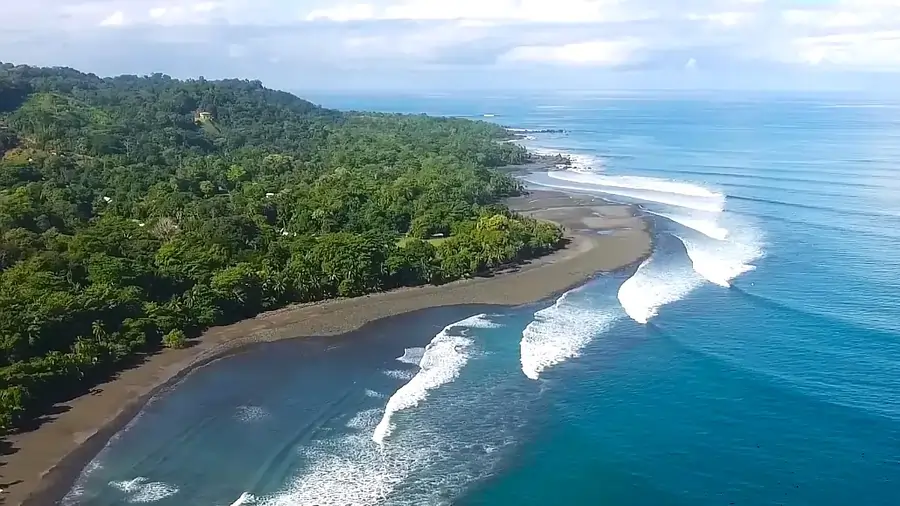
Unlike many surf destinations, Pavones does not produce perfect waves every day. The famous point break relies on south and southwest swells reaching the protected waters of the Golfo Dulce. When those swells arrive under favorable wind and tide conditions, Pavones delivers some of the longest rides in Costa Rica. Between major swells, however, the wave can become much smaller or nearly flat.
Understanding Costa Rica’s surf seasons will help you choose the best time to plan your trip and set realistic expectations before you arrive.
When Is the Best Surf Season in Pavones?
For most surfers, the best surf season in Pavones runs from April through October.
During these months, storms in the Southern Hemisphere generate larger south and southwest swells that travel across the Pacific Ocean toward Costa Rica. Pavones faces these swells better than many other destinations, allowing the famous point break to come alive when conditions align.
This period also overlaps with Costa Rica’s rainy season. While afternoon showers become common, they do not necessarily interfere with surfing. In fact, many of Pavones’ most memorable sessions happen during these months.
Surfers planning a trip specifically for the famous left-hand wave generally target this part of the year.
Surfing Pavones During the Dry Season
Costa Rica’s dry season typically runs from December through April.
Weather is generally sunnier, roads are easier to navigate, and rainfall becomes less frequent. These conditions make traveling around the Southern Pacific more comfortable, especially for visitors planning a road trip.
However, large south swells occur less often during this period. The point may still produce enjoyable waves, but long, powerful rides become less consistent.
This season can be a good choice for travelers who want to combine surfing with wildlife tours, hiking, waterfalls, and exploring the Golfo Dulce without planning their vacation entirely around the surf forecast.
Surfing Pavones During the Rainy Season
The rainy season usually begins in May and continues through November.
Although many travelers worry about rain, experienced surfers often consider this the most exciting time to visit Pavones.
The Southern Hemisphere sends stronger swells toward Costa Rica during these months, creating the conditions needed for the famous left-hand point break.
Rain typically falls in the afternoon or evening rather than throughout the day. Mornings frequently offer clean conditions before clouds build later in the day.
The surrounding rainforest also becomes incredibly lush, rivers flow strongly, and wildlife activity increases throughout the region.
Visitors should allow additional travel time, as heavy rain can occasionally affect road conditions.
Monthly Surf Conditions
December to February
These months offer warm weather, less rain, and relatively small surf compared to the peak swell season.
Conditions can still be enjoyable, especially for intermediate surfers, but long rides become less frequent.
March and April
Surf activity gradually begins to improve.
April often marks the beginning of stronger Southern Hemisphere swells while still benefiting from relatively stable weather.
Many experienced surfers consider this an excellent shoulder season.
May to July
The surf season is fully underway.
Consistent south swells become more common, and Pavones starts producing the long rides that attract surfers from around the world.
Rainfall also increases, particularly during the afternoons.
August to October
These months frequently deliver the largest and most consistent swells of the year.
When strong south swells combine with favorable wind and tide, Pavones can produce exceptionally long rides.
Crowds also increase whenever promising forecasts appear.
November
November is often a transition month.
Conditions vary from year to year. Some south swells continue arriving, while rainfall gradually begins to decrease toward the end of the month.
Travelers should monitor forecasts carefully if planning a November surf trip.
Does Pavones Break Every Day?
No.
This is one of the biggest misconceptions about Pavones.
The point needs enough swell energy to wrap into the Golfo Dulce. Without sufficient south or southwest swell, waves can be relatively small or may only break across part of the point.
Many first-time visitors arrive expecting perfect conditions every day because of Pavones’ worldwide reputation.
Experienced surfers know that flexibility is part of the experience. Waiting for the right swell is often rewarded with extraordinary sessions that cannot happen elsewhere.
How Swell Direction Affects the Wave
Not every Pacific swell reaches Pavones equally.
The point works best with swells arriving from the south and southwest. These directions allow wave energy to wrap around the point and produce the long peeling walls that have made Pavones famous.
West or northwest swells generally produce less impressive conditions because of the area’s geography.
Before planning a trip, many surfers monitor marine forecasts rather than relying only on seasonal averages.
Best Time of Day to Surf Pavones
Morning is usually the best time to surf.
Early sessions often bring lighter winds, smoother wave faces, and more comfortable temperatures.
As the day progresses, onshore winds may develop and reduce wave quality.
However, local conditions vary daily. Tide, wind direction, and swell size all influence the best session.
Checking local forecasts and speaking with experienced surfers or surf schools can help you decide when to paddle out.
Does the Tide Matter?
Yes.
Like many point breaks, Pavones changes throughout the tidal cycle.
The preferred tide depends on swell size and the shape of the point at any given time. Some experienced surfers prefer a rising tide under certain conditions, while others choose different stages depending on the forecast.
Rather than following one simple rule, visitors should combine tide charts with local advice and current surf reports.
How Crowded Does Pavones Get?
Most of the year, Pavones feels far less crowded than surf destinations such as Tamarindo or Jacó.
However, everything changes when a significant swell appears on the forecast.
Surfers from across Costa Rica often travel to Pavones as soon as promising conditions develop. International visitors may also schedule their vacations around major swell windows.
Fortunately, the long point spreads surfers over several sections. Even so, the primary takeoff area can become competitive on the best days.
Respecting local surfers and following proper surf etiquette helps create a better experience for everyone.
Is There a Bad Time to Visit?
Not necessarily.
Every season offers something different.
Travelers focused entirely on surfing usually prefer the rainy season because it delivers the strongest swells.
Visitors combining surfing with wildlife, birdwatching, kayaking, and exploring the Osa Peninsula may appreciate the dry season’s easier travel conditions.
Instead of asking whether there is a bad time to visit, it’s better to decide which experience matters most for your trip.
Planning Your Surf Trip
Because Pavones depends on swell, flexibility is valuable.
Stay several days rather than planning only a single surf session. A longer visit increases your chances of catching favorable conditions.
Watching long-range surf forecasts before traveling can also improve your odds of arriving during an active swell period.
Finally, remember that Pavones offers much more than surfing. Even if conditions are smaller than expected, visitors can enjoy wildlife, rainforest hikes, waterfalls, yoga, fishing, and the peaceful atmosphere of Costa Rica’s Southern Pacific coast.
Frequently Asked Questions
What is the best month to surf Pavones?
Many experienced surfers consider August through October the most consistent months for large south swells, although excellent conditions can occur anytime between April and October.
Can I surf Pavones during the dry season?
Yes. Surfing is possible year-round, but large swells are generally less frequent between December and April.
Does it rain all day during surf season?
Usually not. Rain often arrives during the afternoon or evening, while mornings may remain dry and calm.
Is Pavones crowded?
Most of the year, Pavones remains relatively quiet. However, major swell events attract surfers from throughout Costa Rica and abroad.
How many days should I stay?
If surfing is your primary goal, spending at least four or five days gives you a much better chance of experiencing good conditions.
Final Thoughts
The best time to surf Pavones depends on your expectations. If your dream is to ride the famous left-hand point break at its full potential, plan your visit between April and October and allow several days for the right swell to arrive.
If you prefer quieter beaches, easier travel, and a more relaxed vacation, the dry season remains an excellent time to explore the region, even if the surf is less consistent.
No matter when you visit, Pavones offers something increasingly rare: a world-class surf destination surrounded by rainforest, wildlife, and a peaceful community that still feels far removed from Costa Rica’s busiest beach towns.
Related Posts
Wildlife Experiences Near Pavones
Pavones is best known for its legendary left-hand point break,…
Surfing the Famous Pavones Left Break
Surfing the famous Pavones left break is a dream for…