Golfo Dulce is one of Costa Rica’s most remarkable natural destinations. Located along the country’s Southern Pacific coast, this tropical gulf is surrounded by rainforest, quiet beaches, mangroves, rivers, and small coastal communities. While many travelers visit the region to surf in Pavones or explore Corcovado National Park, Golfo Dulce offers countless opportunities for wildlife viewing, outdoor adventure, and cultural experiences.
Unlike Costa Rica’s busier beach destinations, the atmosphere here feels peaceful and unhurried. Days often begin with dolphins swimming through calm waters, continue with rainforest hikes or kayaking, and end with spectacular sunsets over one of the few tropical fjord-like gulfs in the world.
Whether you’re staying in Pavones, Golfito, Puerto Jiménez, or another nearby community, these are some of the best things to do around Golfo Dulce.
Explore the Waters of Golfo Dulce
The gulf itself is the region’s greatest attraction.
Its calm waters create ideal conditions for boat tours, kayaking, paddleboarding, fishing, and wildlife cruises throughout much of the year. Because the gulf is naturally protected from large Pacific swells, activities are often possible even when the open ocean is rough.
Many visitors spend at least one day exploring the coastline from the water, discovering secluded beaches, mangrove forests, and rainforest-covered hills that are inaccessible by road.
Go Dolphin Watching
One of the most popular experiences around Golfo Dulce is searching for dolphins.
Both bottlenose dolphins and pantropical spotted dolphins live in the gulf year-round. Sightings are common during boat tours, particularly in the morning when the water is calmer.
Watching dolphins swim alongside the boat while rainforest-covered mountains rise behind them is one of the area’s signature experiences.
Responsible tour operators maintain safe distances and allow the animals to behave naturally without chasing them.
Visit Corcovado National Park
No trip to the region is complete without visiting Corcovado National Park.
Often described as one of the most biologically intense places on Earth, the park protects an extraordinary diversity of wildlife and tropical rainforest.
Visitors can choose between guided day trips or multi-day adventures depending on their schedule.
Common wildlife sightings include:
- Tapirs
- Scarlet macaws
- Four monkey species
- Sloths
- Coatis
- Toucans
- Poison dart frogs
Corcovado is accessible from both Puerto Jiménez and Drake Bay.
Go Kayaking Through the Mangroves
Kayaking provides one of the quietest ways to explore Golfo Dulce.
Paddling through mangrove channels allows visitors to observe birds, monkeys, reptiles, and marine life without disturbing the surrounding ecosystem.
Morning tours are particularly rewarding because wildlife tends to be more active before temperatures rise.
Many guided excursions also explain the ecological importance of mangroves and their role in protecting Costa Rica’s coastline.
Discover the Beaches
Although the region is famous for rainforest, Golfo Dulce is also home to beautiful beaches.
Many remain uncrowded throughout the year.
Depending on where you’re staying, you may discover:
- Quiet swimming beaches
- Remote coves
- Surf beaches
- Black-sand beaches
- Palm-lined shorelines
Several beaches are perfect for relaxing after a morning wildlife tour or rainforest hike.
Go Sport Fishing
Golfo Dulce has long been recognized as an excellent fishing destination.
Its calm waters support a wide variety of species, while offshore waters provide opportunities for larger game fish.
Half-day and full-day fishing charters depart from several communities throughout the gulf.
Many operators promote catch-and-release practices for species such as roosterfish and sailfish.
Watch Birds in the Rainforest
Southern Costa Rica is one of the country’s premier birdwatching destinations.
The forests surrounding Golfo Dulce support hundreds of bird species, including:
- Scarlet macaws
- Toucans
- Motmots
- Kingfishers
- Herons
- Hawks
- Hummingbirds
Early morning walks provide the greatest activity, especially near forest edges and mangrove habitats.
Bird photographers often spend several days exploring different ecosystems throughout the region.
Visit Golfito
Golfito combines history, nature, and local culture.
Originally developed as a banana company town, it now serves as an important gateway to southern Costa Rica.
Visitors can stroll along the waterfront, enjoy local restaurants, browse small shops, or visit Golfito National Wildlife Refuge for panoramic views over the gulf.
The town also serves as a transportation hub for travelers continuing toward Pavones or Puerto Jiménez.
Experience Pavones
Even if you don’t surf, Pavones is worth visiting.
The village offers a relaxed atmosphere, beautiful beaches, and one of Costa Rica’s most famous coastal viewpoints.
Watching experienced surfers ride the legendary left-hand point break is an attraction in itself.
The surrounding rainforest also creates opportunities for birdwatching, photography, and quiet beach walks.
Explore Puerto Jiménez
Puerto Jiménez is one of the main gateways to the Osa Peninsula.
Unlike Pavones, it offers more restaurants, supermarkets, accommodations, and transportation services.
Many travelers use Puerto Jiménez as a base for Corcovado National Park, wildlife tours, and boat excursions across Golfo Dulce.
The waterfront is particularly pleasant during the evening when locals gather to enjoy cooler temperatures and sunset views.
Visit Botanical Gardens and Eco-Lodges
Several eco-lodges around Golfo Dulce protect large areas of private rainforest.
Many welcome day visitors for guided nature walks, botanical gardens, birdwatching, or educational tours focusing on conservation.
These properties often provide excellent opportunities to observe wildlife away from larger crowds.
Some also offer farm-to-table dining experiences using locally grown ingredients.
Look for Wildlife at Night
The rainforest changes dramatically after sunset.
Several lodges and certified guides offer night walks where visitors search for frogs, insects, snakes, spiders, and nocturnal mammals.
Although these walks move slowly, they reveal a completely different side of the rainforest ecosystem.
Flashlights are usually provided, and guides help visitors safely observe wildlife without disturbing it.
Enjoy Local Cuisine
Fresh seafood plays an important role throughout the Golfo Dulce region.
Depending on the community, visitors can enjoy:
- Fresh ceviche
- Grilled fish
- Shrimp dishes
- Tropical fruit smoothies
- Casados
- Homemade desserts
Many small restaurants are family-owned and focus on locally sourced ingredients rather than elaborate menus.
Dining here feels relaxed, reflecting the slower pace of life found throughout southern Costa Rica.
Take a Sunset Boat Tour
Sunsets over Golfo Dulce can be spectacular.
As the light fades, the surrounding rainforest reflects across calm water while dolphins occasionally appear near the boat.
Some sunset cruises combine wildlife viewing with refreshments and photo opportunities.
For many visitors, this becomes one of the most memorable evenings of their trip.
Best Time to Visit Golfo Dulce
Activities are available throughout the year.
The dry season generally offers easier road travel and more predictable weather.
The rainy season transforms the rainforest into vibrant shades of green while increasing river flow and waterfall activity.
Wildlife can be observed year-round, although whale watching follows seasonal migration patterns.
Regardless of when you visit, early mornings usually provide the calmest conditions for boat tours and wildlife viewing.
How Many Days Should You Spend Around Golfo Dulce?
Most travelers benefit from spending at least three or four days exploring the region.
This allows enough time to combine several experiences, such as:
- Corcovado National Park
- Wildlife boat tours
- Kayaking
- Birdwatching
- Beach time
- Visiting Pavones or Puerto Jiménez
Those interested in photography, wildlife, or surfing often stay a full week.
The slower pace encourages visitors to spend more time enjoying nature instead of rushing between destinations.
Frequently Asked Questions
Is Golfo Dulce worth visiting?
Absolutely. Golfo Dulce combines wildlife, rainforest, beaches, and outdoor adventures while remaining much quieter than many of Costa Rica’s better-known destinations.
Can you swim in Golfo Dulce?
Yes. Several beaches around the gulf offer calm swimming conditions, although visitors should always pay attention to local conditions.
Is Golfo Dulce good for families?
Yes. Calm waters, wildlife tours, boat excursions, and easy nature experiences make the region suitable for many families.
What is Golfo Dulce known for?
The gulf is famous for dolphins, rainforest, Corcovado National Park, biodiversity, sport fishing, kayaking, and its peaceful atmosphere.
How far is Pavones from Golfo Dulce?
Pavones sits along the eastern side of Golfo Dulce, making it one of the region’s best-known coastal communities.
Final Thoughts
Golfo Dulce offers far more than a gateway to Corcovado National Park or a stop on the way to Pavones. It is one of Costa Rica’s richest regions for wildlife, outdoor adventure, and peaceful coastal scenery.
Whether you’re kayaking through mangroves, watching dolphins at sunrise, hiking in the rainforest, or relaxing on a quiet beach, you’ll quickly discover why so many travelers consider Golfo Dulce one of Costa Rica’s best-kept secrets.
The region rewards those who slow down, spend several days exploring, and appreciate the extraordinary landscapes that make southern Costa Rica unlike anywhere else in the country.
Related Posts
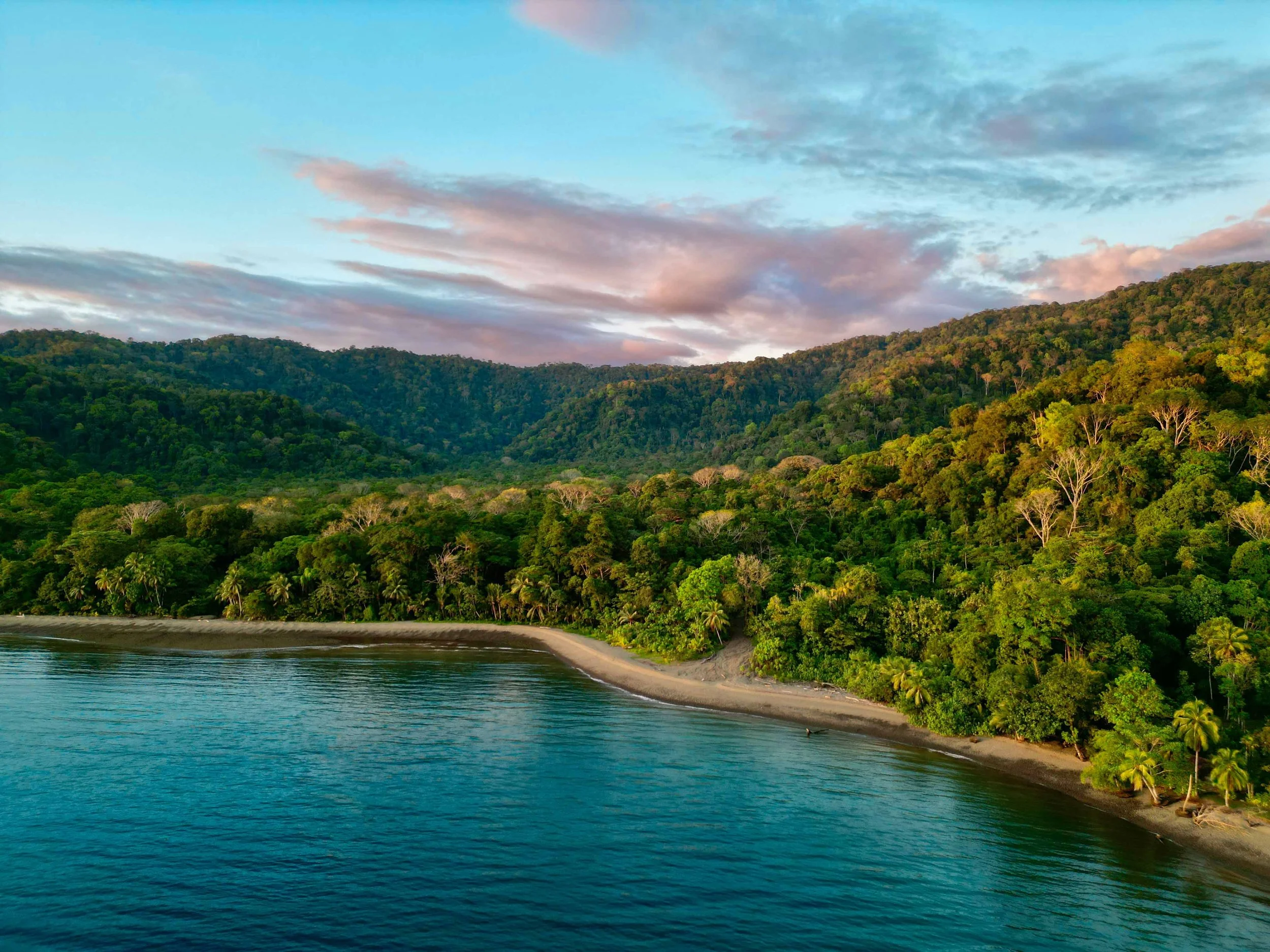
Golfo Dulce Nature Travel for Serious Wildlife Lovers
If you plan trips around wildlife, ecosystems, and conservation rather…
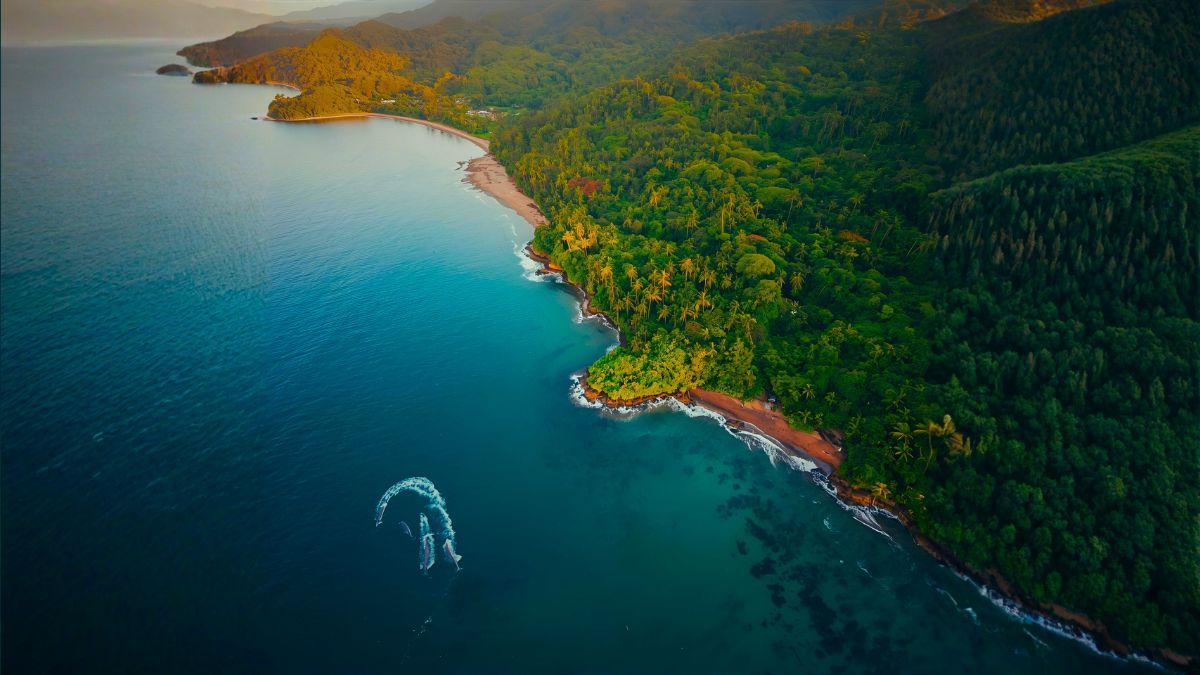
Dolphin Watching in Golfo Dulce: One of Costa Rica’s Best Marine Wildlife Experiences
While Costa Rica is internationally known for humpback whale watching,…
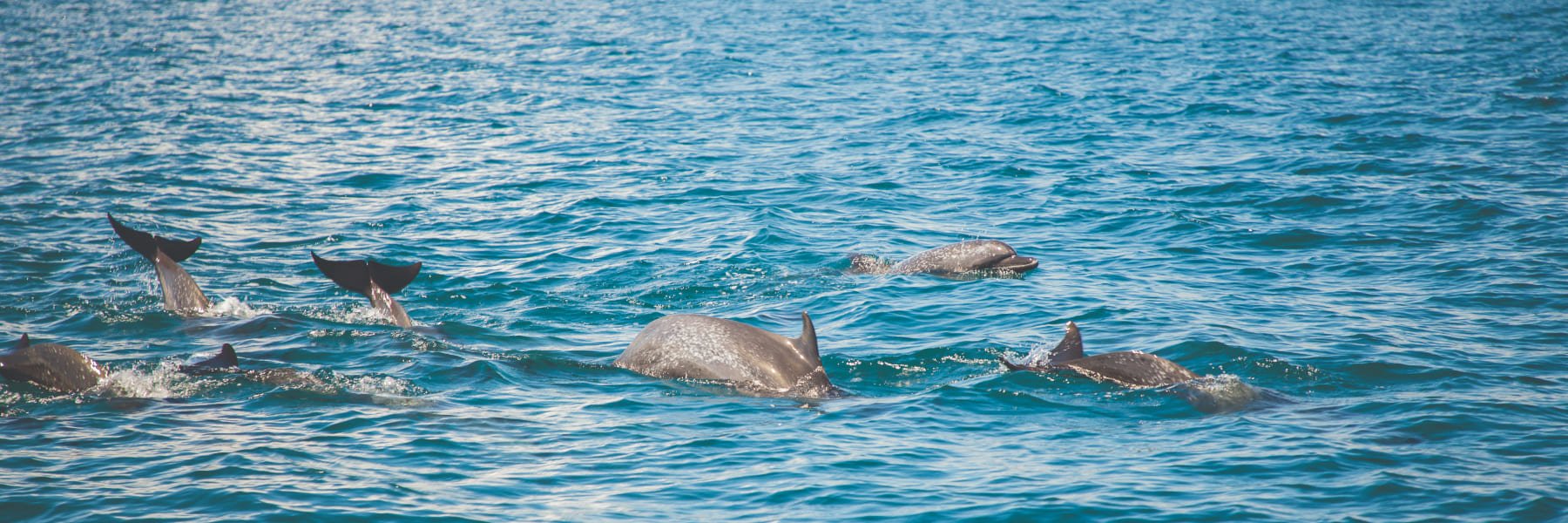
Kayaking in Golfo Dulce: Dolphin Watching from Puerto Jiménez
Kayaking in Golfo Dulce offers one of the calmest and most…