Everything You Need to Know Before You Go
Few places in Costa Rica pack as much biodiversity into such a compact space as Manuel Antonio National Park. Located along the Central Pacific coast near Quepos, this small but extraordinarily dense reserve blends rainforest trails, white-sand beaches, and reliable wildlife sightings — often within a single morning walk.
For many travelers, Manuel Antonio National Park is the highlight of their Costa Rica itinerary. It’s accessible, well-maintained, and ideal for families, couples, solo travelers, and Baby Boomers alike.
This guide covers everything from ticketing logistics to where to stay for the easiest access.
Overview of Manuel Antonio and the Surrounding Area
Manuel Antonio sits about three hours south of San José. The region is divided into:
• Quepos (working town with marina, banks, larger supermarkets)
• The Manuel Antonio hill road (hotel corridor)
• The national park itself
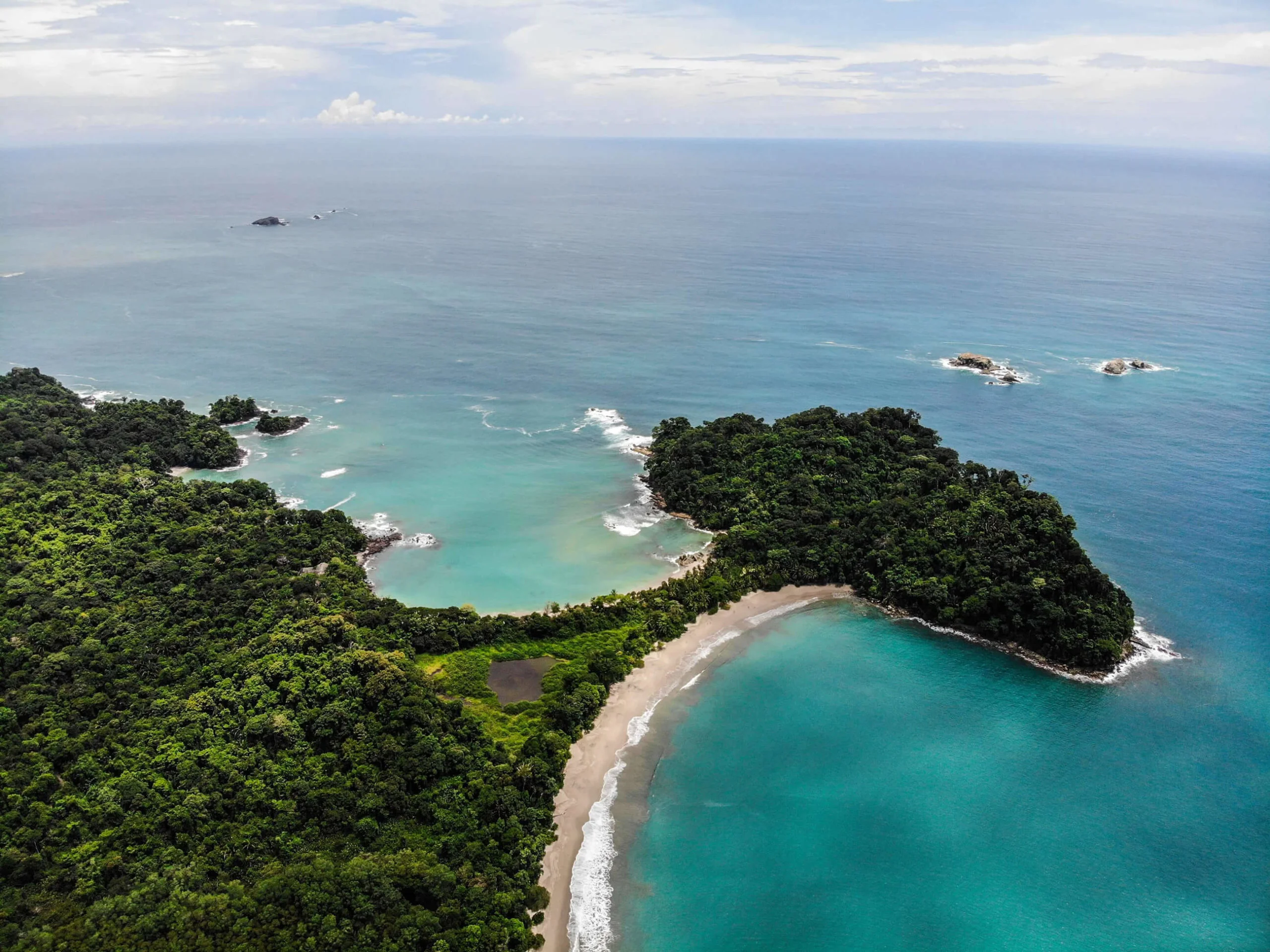
The park protects both lowland tropical rainforest and several postcard-perfect beaches, including Playa Manuel Antonio and Playa Espadilla Sur. Despite being one of Costa Rica’s smallest national parks, it’s consistently one of the most biodiverse.
Wildlife sightings often include:
• White-faced capuchin monkeys
• Howler monkeys
• Two- and three-toed sloths
• Iguanas
• Scarlet macaws
• Coatis
Visiting Manuel Antonio National Park: The Basics
Official Ticketing
All tickets must be purchased in advance through the official government site:
SINAC – Manuel Antonio National Park Tickets
Tickets are not sold at the entrance. Same-day visits are often unavailable during high season.
Important:
• The park is closed on Tuesdays.
• Entry is time-slotted.
• Daily visitor numbers are capped.
Booking at least several days in advance is strongly recommended during December–April.
Entry Logistics
• Arrive 15–20 minutes before your time slot.
• Bring your passport or official ID.
• No outside food is allowed (strictly enforced).
• Reusable water bottles are permitted.
• Single-use plastics are restricted.
The main entrance is located at the end of the Manuel Antonio road, near Playa Espadilla Norte.
Parking is available along the road, though unofficial parking attendants are common. Use designated lots.
What to Expect Inside the Park
The park has well-marked, mostly flat trails suitable for a wide range of fitness levels.
Popular routes include:
• Sendero Perezoso (Sloth Trail)
• Punta Catedral Trail (coastal viewpoints)
• Playa Manuel Antonio access trail
Most visitors spend 3–5 hours inside, combining wildlife spotting with beach time.
Guided tours significantly increase wildlife sightings. Naturalist guides use spotting scopes to locate sloths and camouflaged animals you might otherwise miss.
Beaches Inside the Park
Playa Manuel Antonio
Arguably one of the most photographed beaches in Costa Rica. Calm water and bright sand make it ideal for swimming.
Playa Espadilla Sur
Often less crowded, slightly more open to swell.
Swimming is generally safe, but there are no lifeguards inside the park. Conditions vary seasonally.
Where to Stay for Easy Park Access
If visiting the park is your primary goal, staying along the Manuel Antonio hill road minimizes commute time.
Luxury Options:
• Arenas del Mar Beachfront & Rainforest Resort – closest luxury beachfront option
• Parador Nature Resort & Spa – expansive grounds and views
Boutique Hotels:
• The Falls Resort at Manuel Antonio
Staying in Quepos is more affordable, but it requires a short drive or a bus ride to the park entrance.
For a full breakdown of accommodations, see Where to Stay in Manuel Antonio.
Best Things to Do in Manuel Antonio Beyond the Park
While the national park is the centerpiece, the region offers much more.
• Mangrove boat tours departing from Marina Pez Vela
• Offshore sportfishing
• Catamaran sunset cruises
• Rainforest ziplining
• Waterfall excursions inland
See Best Things to Do in Manuel Antonio and Manuel Antonio Tours for a deeper activity guide.
Seasonal Considerations
Dry Season (December–April)
• Busiest time of year
• Clear skies and reliable beach weather
• Park tickets sell out quickly
Arrive early in the day to avoid peak heat and crowds.
Rainy Season (May–October)
• Lush green forest
• Fewer visitors
• Afternoon showers are common
Wildlife remains active year-round. September and October see the heaviest rainfall, though mornings are often clear.
Practical Tips for a Better Visit
• Hire a certified guide if wildlife is your priority.
• Wear lightweight, breathable clothing.
• Bring sunscreen and insect repellent.
• Use reef-safe sunscreen if swimming.
• Do not feed wildlife — fines are enforced.
Monkeys and raccoons are known for stealing food. Keep belongings secure.
Is Manuel Antonio National Park Worth It?
For travelers wanting a high probability of wildlife sightings without remote travel, Manuel Antonio National Park delivers one of Costa Rica’s most concentrated nature experiences.
It’s accessible, family-friendly, and scenic — a rare combination in tropical destinations.
For planning your full stay:
How to Spend 5 Days in Manuel Antonio
Things to Do in Manuel Antonio with Kids For an Unforgettable Beach Vacation
With thoughtful planning and advance tickets, Manuel Antonio National Park remains one of the most rewarding rainforest-and-beach experiences in Costa Rica.
Related Posts
Manuel Antonio vs Jaco: Differences to Help You Choose Which to Visit
Manuel Antonio vs Jaco is one of the most common comparisons…
Is Manuel Antonio Worth It?
A Complete Travel Guide to Costa Rica’s Most Accessible Rainforest-and-Beach…
How to Get to Manuel Antonio from San José (SJO)
For many travelers, the journey from San José to Manuel…