If you’re planning a trip to Costa Rica, is Manuel Antonio worth it? For many travelers, the answer is yes. This Central Pacific destination combines rainforest wildlife, scenic beaches, and established tourism services within a relatively small area. However, its popularity, prices, and steep terrain may not suit everyone.
Manuel Antonio is particularly appealing to first-time visitors who want to explore tropical forests without traveling deep into remote regions. Families and couples also appreciate the range of accommodations and organized activities. Still, travelers seeking solitude, extensive surfing, or a quieter coastal community may prefer another destination.
This guide examines what makes Manuel Antonio worth visiting, where it falls short, and how to decide whether it belongs on your Costa Rica itinerary.
Where Is Manuel Antonio, Costa Rica?
Manuel Antonio lies on Costa Rica’s Central Pacific coast in Puntarenas Province, just south of Quepos. The area includes forested hillsides, beaches, hotels, restaurants, and the entrance to Manuel Antonio National Park.
Unlike a traditional beach town, Manuel Antonio does not have one compact commercial center. Instead, accommodations and businesses stretch along a winding road connecting Quepos with the national park area.
How Far Is Manuel Antonio from San José?
Manuel Antonio is approximately 160–180 kilometers (99–112 miles) from the San José airport area by road, depending on the route and starting point.
From Juan Santamaría International Airport (SJO), allow roughly three to four and a half hours for the drive. Traffic, weather, and holiday congestion can increase travel time.
Rental cars, private transfers, shared shuttles, and public transportation provide different ways to reach the destination.
Is Manuel Antonio Easy to Get Around?
Getting around requires some planning because the main road climbs through steep hills.
Although some hotels sit near restaurants or beaches, others require transportation for everyday activities.
Local buses connect Quepos with the Manuel Antonio area. Taxis and organized tour transfers provide additional options.
However, travelers with mobility limitations should carefully review accommodation access, walking distances, and trail conditions before booking.
What Is Manuel Antonio Really Like?
Manuel Antonio combines tropical vegetation with a developed tourism environment.
Hotels and restaurants occupy forested hillsides, while coastal viewpoints overlook the Pacific Ocean. Nearby Quepos provides supermarkets, pharmacies, banks, and other services.
Wildlife can appear outside protected areas, particularly where forest habitat remains. However, sightings vary and should never be expected at every accommodation.
The atmosphere is generally more relaxed than Jacó’s nightlife-oriented town center. Still, Manuel Antonio is not an isolated wilderness destination. Popular beaches, busy roads, and tourism businesses are part of the experience.
For visitors who appreciate nature alongside restaurants and comfortable accommodations, this balance can be a significant advantage.
Reasons Manuel Antonio Is Worth Visiting
Manuel Antonio National Park
Manuel Antonio National Park is the area’s main attraction.
The park protects coastal rainforest habitats, walking trails, and beaches. Visitors can explore forested paths before spending time along the Pacific shoreline.
Wildlife observation is another major reason to visit. However, animal encounters depend on weather, habitat, and individual behavior.
The park also has visitor limits and admission requirements. Therefore, travelers should arrange tickets through the official SINAC online reservation system before arriving.
The regular operating schedule includes a Tuesday closure, although current hours and restrictions should always be confirmed.
Wildlife Viewing Opportunities
Manuel Antonio supports several species that attract nature enthusiasts.
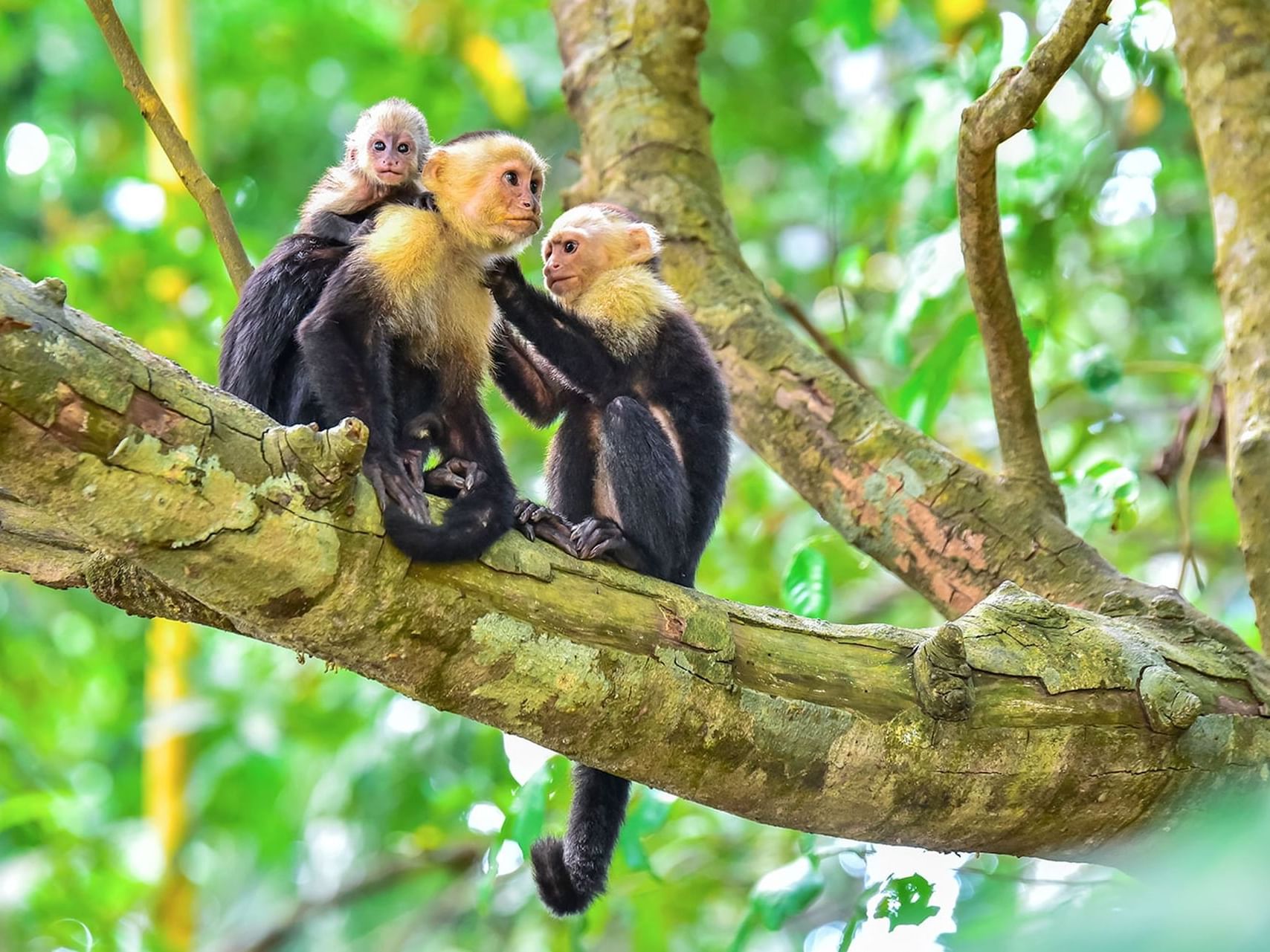
Possible sightings include white-faced capuchin monkeys, howler monkeys, Central American squirrel monkeys, sloths, iguanas, and tropical birds.
However, spotting wildlife requires patience. Animals may remain hidden in dense vegetation or move away from busy trails.
A qualified naturalist guide can help visitors identify species and understand the surrounding ecosystem. Guides may also use spotting scopes to observe animals from a respectful distance.
Never feed or approach wildlife, even when animals appear comfortable around visitors.
Manuel Antonio Beaches
Another reason Manuel Antonio is worth visiting is its variety of coastal settings.
Playa Espadilla Norte is a public beach outside the national park. It offers a long shoreline and access to nearby businesses.
Inside the park, Playa Manuel Antonio and Playa Espadilla Sur combine forest scenery with Pacific Ocean views. Visitors must follow park admission and operating requirements to access these beaches.
Playa Biesanz provides another beach option outside the park, although reaching it generally involves walking from the nearby road.
Swimming conditions vary throughout the area. Rip currents, changing tides, and surf can create hazards, so visitors should follow local warnings.
Variety of Activities
Manuel Antonio offers more than national park hiking.
Damas Island mangrove excursions introduce visitors to coastal wetland habitats. Depending on the tour, travelers may explore waterways by boat or kayak.
Catamaran cruises provide coastal scenery and sometimes snorkeling opportunities. Meanwhile, ziplining and inland waterfall excursions offer alternatives for active visitors.
Quepos is also an established sportfishing center, with charters operating from Marina Pez Vela.
However, mangrove tours and marina-based boating activities do not necessarily share departure locations. Always confirm the meeting point with your operator.
Accommodation and Visitor Infrastructure
Manuel Antonio has a broad range of accommodations, restaurants, and organized activities.
This infrastructure makes it possible to enjoy rainforest experiences without arranging every detail independently.
However, convenience depends on where you stay. A hotel on a steep hillside may require transportation even when nearby attractions appear close on a map.
Reasons Manuel Antonio Might Not Be Worth It
Crowds and Popularity
Manuel Antonio attracts substantial tourism, particularly during holiday periods and the drier months.
Consequently, popular beaches, restaurants, and national park trails can become busy.
Visitors seeking quiet, isolated rainforest experiences may find the developed tourism environment less appealing.
Higher Costs in Popular Tourism Areas
Accommodation, organized excursions, transportation, and park admission can increase travel expenses.
However, costs vary by season and travel style. Manuel Antonio also has simpler accommodations and opportunities to explore independently.
Comparing total trip costs is more useful than assuming the destination is always expensive.
Steep Terrain and Transportation
The hillside layout can be inconvenient for travelers expecting a fully walkable beach town.
Although local buses and taxis provide alternatives, some accommodations require additional planning.
This is particularly important for visitors traveling with young children or anyone who prefers minimal walking on steep roads.
Limited Remote-Wilderness Atmosphere
Manuel Antonio offers accessible nature experiences within an established tourism destination.
However, travelers seeking remote rainforest exploration may prefer parts of the Osa Peninsula.
These alternatives often require more transportation planning and may have fewer visitor services.
Weather and Beach Conditions
Rain can affect outdoor activities, especially during the green season.
Additionally, ocean conditions change throughout the year. Beaches that appear sheltered are not necessarily safe for swimming.
Travelers should remain flexible and avoid scheduling every activity around ideal weather.
Where to Stay in Manuel Antonio
Luxury Hotels and Rainforest Resorts
Manuel Antonio has several established upscale accommodation options.
Arenas del Mar Beachfront & Rainforest Resort, Parador Nature Resort & Spa, and Gaia Hotel & Reserve are among the properties travelers may consider.
However, locations, access arrangements, and amenities differ. Check current details directly before reserving.
Midrange and Boutique Accommodations
Smaller hotels provide alternatives to larger resorts.
Properties such as The Falls Resort at Manuel Antonio and Shana by the Beach are worth comparing based on location, facilities, and transportation needs.
However, hotel classifications and prices vary by travel date.
Family-Friendly and Budget Accommodations
Families may prioritize pools, room layouts, and convenient transportation.
Budget travelers can also consider accommodations closer to Quepos, where restaurants and everyday services are concentrated.
Best Things to Do in Manuel Antonio
A rewarding visit does not require booking an excursion every day.
Start with Manuel Antonio National Park, allowing enough time for rainforest trails and beach visits.
Then choose an additional activity based on your interests. Wildlife enthusiasts may enjoy a mangrove excursion, while ocean lovers can consider a coastal cruise.
Meanwhile, travelers seeking adventure can explore ziplining or guided waterfall trips.
A relaxed afternoon at the beach or hotel also provides balance.
Best Time to Visit Manuel Antonio
Dry Season: December to April
Costa Rica’s Central Pacific coast generally experiences drier conditions from December through April.
These months can be convenient for beach visits and outdoor activities.
However, popular holiday periods bring greater demand for accommodations and park reservations.
Green Season: May to November
Rainfall increases during the green season, often developing during the afternoon or evening.
The landscape becomes lush, although wet weather can affect hiking, transportation, and ocean excursions.
Morning activities may be easier to organize, but clear skies are never guaranteed.
September and October
September and October are generally among the wetter months along the Central Pacific coast.
Consequently, travelers should allow flexibility for weather-sensitive activities.
Consult the National Meteorological Institute for current forecasts.
When Is Manuel Antonio Least Crowded?
Periods outside major holidays and peak vacation dates may offer a quieter experience.
However, visitor numbers vary by day, season, and local events.
Weekday visits and advance reservations can make planning easier.
Is Manuel Antonio Expensive?
Manuel Antonio can accommodate different budgets, although costs depend heavily on travel preferences.
Accommodation is often one of the largest expenses. Upscale resorts cost more than simpler guesthouses, particularly during busy travel periods.
National park admission and guided tours add to the budget. Boat excursions and private transportation can also increase spending.
However, visitors can manage expenses by using local buses, comparing accommodations, and selecting only a few organized activities.
Before booking, confirm whether prices are per person, per room, or per group. Also check taxes, transportation, and cancellation policies.
Who Is Manuel Antonio Worth Visiting For?
First-Time Visitors to Costa Rica
Manuel Antonio may appeal to first-time visitors who want rainforest experiences, beaches, and established tourism services in one region.
Families with Children
Families can combine wildlife walks with beach time and age-appropriate excursions.
However, parents should check swimming conditions and activity restrictions carefully.
Couples and Honeymooners
Rainforest accommodations, coastal scenery, and relaxed dining make Manuel Antonio attractive to many couples.
Older Adults
The area offers organized excursions and comfortable accommodations, but steep roads and uneven trails require consideration.
Choose activities according to individual mobility and fitness needs.
Nature and Wildlife Enthusiasts
The national park and surrounding habitats provide opportunities to observe tropical wildlife.
However, visitors should not expect guaranteed sightings.
Travelers Without a Rental Car
Manuel Antonio is possible to visit without driving.
Local buses, taxis, and organized tours provide transportation options, although accommodation location remains important.
Who Might Prefer Another Costa Rica Destination?
Manuel Antonio vs Jacó
Jacó may be preferable for travelers prioritizing surfing, nightlife, and a flatter commercial center.
It also generally requires less driving from San José.
Manuel Antonio vs Tamarindo
Tamarindo offers an established surf-town atmosphere and access to Guanacaste attractions.
Travelers interested in regular surfing and a more concentrated beach-town setting may prefer it.
Manuel Antonio vs the Osa Peninsula
The Osa Peninsula offers more remote rainforest experiences, including access to Corcovado National Park.
However, reaching some destinations requires additional transportation and advance planning.
Manuel Antonio vs Quieter Nicoya Peninsula Beaches
Some communities on the Nicoya Peninsula offer a slower coastal atmosphere.
However, conditions and infrastructure vary significantly between destinations, so research individual towns rather than treating the entire peninsula as one experience.
How Many Days Do You Need in Manuel Antonio?
Two Days
Two days may be enough for travelers mainly interested in the national park and a short beach visit.
Three Days
Three days provide additional time for a mangrove excursion, coastal cruise, or relaxed afternoon.
Four to Five Days
Four or five days allow more flexibility for wildlife experiences, outdoor activities, and changing weather.
However, not every traveler needs a long stay.
Practical Tips Before Visiting Manuel Antonio
Reserve national park tickets in advance through SINAC and confirm the current operating schedule.
Choose accommodations based on location, transportation, and accessibility rather than photographs alone.
Additionally, check beach conditions before swimming and never feed wildlife.
For excursions, confirm meeting points, transportation arrangements, and cancellation policies.
Finally, allow enough time for the road journey from SJO Airport, particularly during busy travel periods.
Frequently Asked Questions: Is Manuel Antonio Worth It?
Is Manuel Antonio worth visiting?
Yes, for travelers interested in rainforest wildlife, beaches, and comfortable tourism infrastructure. However, it may not suit those seeking remote wilderness.
Is Manuel Antonio too touristy?
It is a developed tourism destination, especially around the national park. Whether that feels excessive depends on your expectations.
Is Manuel Antonio National Park worth visiting?
The park is worthwhile for many nature enthusiasts because it combines rainforest trails, wildlife habitats, and beaches.
How many days do you need in Manuel Antonio?
Two to three days suit many visitors. Four or five days provide additional time for excursions and relaxation.
Is Manuel Antonio expensive?
Costs vary by accommodation, season, and activities. Budget-friendly choices exist alongside luxury options.
Is Manuel Antonio worth visiting with kids?
It can be a good family destination, particularly for wildlife experiences. However, beach safety and activity requirements need attention.
Is Manuel Antonio good for couples?
Yes. Coastal scenery, rainforest accommodations, and relaxed dining appeal to many couples.
Can you visit Manuel Antonio without a car?
Yes. Local buses, taxis, and organized tours provide alternatives to renting a vehicle.
Is Manuel Antonio better than Jacó?
Manuel Antonio may suit wildlife enthusiasts, while Jacó may appeal more to surfers and nightlife-oriented travelers.
Is Manuel Antonio better than Tamarindo?
Neither is universally better. Manuel Antonio emphasizes rainforest experiences, while Tamarindo offers a more established surf-town atmosphere.
What is the best month to visit Manuel Antonio?
There is no single best month. Drier conditions generally occur between December and April, while the green season offers a different landscape.
Is Manuel Antonio worth visiting during the rainy season?
Yes, if you allow flexibility for showers and changing outdoor conditions.
Final Verdict: Is Manuel Antonio Worth It?
So, is Manuel Antonio worth it? For travelers seeking rainforest wildlife, beaches, and established visitor services, it is often a rewarding choice.
The national park provides a strong reason to visit, while surrounding beaches and organized excursions add variety. However, crowds, transportation challenges, and tourism-related expenses deserve consideration.
If you prefer remote wilderness or a highly walkable surf town, another destination may be a better match.
Ultimately, Manuel Antonio is worth visiting when its combination of nature, comfort, and coastal activities aligns with your travel priorities.
Related Posts
How to Spend 5 Days in Manuel Antonio: Wildlife, Beaches, and Pacific Sunsets
Spending 5 days in Manuel Antonio gives you time to explore one of Costa Rica's most appealing coastal regions without filling every hour with activities. Located on the Central Pacific coast near Quepos, Manuel Antonio combines tropical rainforest, wildlife, beaches, and outdoor adventures within a relatively compact area. A well-planned Manuel Antonio itinerary can include a national park visit, mangrove exploration, a coastal boat trip, and several relaxed afternoons by the ocean. Moreover, the region offers accommodations ranging from simple guesthouses to upscale rainforest resorts. This five-day plan balances exploration with downtime. It includes arrival and departure days, so travelers with late flights or early departures may need to adjust the schedule. Before Your 5-Day Manuel Antonio Itinerary A little preparation makes it easier to enjoy your stay. Transportation, accommodation location, and national park reservations deserve attention before arrival. How to Get to Manuel Antonio Manuel Antonio is near Quepos, approximately 160–180 kilometers (99–112 miles) by road from the San José area, depending on your starting point. From Juan Santamaría International Airport (SJO), allow approximately three to four and a half hours for a direct road journey. Traffic, weather, and holiday congestion can extend the trip. Travelers can rent a car, arrange a private transfer, book a shared shuttle, or use public transportation. However, shared shuttles and buses may take longer because of schedules and additional stops. Do You Need a Rental Car?…
Manuel Antonio vs Jaco: Which Costa Rica Beach Destination Should You Choose?
Choosing between Manuel Antonio vs Jaco depends on the kind of Costa…
Manuel Antonio vs Tamarindo: Which One to Visit?
Choosing between Manuel Antonio vs Tamarindo comes down to what you want…