Manuel Antonio se ubica en la costa del Pacífico Central de Costa Rica, cerca del pueblo de Quepos, a unos 165 km (102 millas) del Aeropuerto Internacional Juan Santamaría (SJO).
Es uno de los destinos de selva y playa más accesibles del país: lo suficientemente cerca para llegar el mismo día del aterrizaje, pero lo bastante apartado para sentirse inmerso en la naturaleza.
Para la mayoría de viajeros provenientes de Estados Unidos, Canadá o Europa, SJO es la principal puerta de entrada, y afortunadamente llegar a Manuel Antonio es sencillo gracias a varias opciones de transporte según presupuesto, comodidad y estilo de viaje.
Entendiendo la Ruta
- Duración del trayecto: 3 a 3.5 horas
- Ruta principal: Ruta 27 hacia el oeste + Ruta 34 (Costanera Sur) hacia el sur
- Condición de carretera:
en ingles
Here is your content properly structured in clear, professional English, organized the way it should appear on a website or blog:
How to Get from San José (SJO) to Manuel Antonio, Costa Rica
Introduction
Manuel Antonio sits along Costa Rica’s Central Pacific coast near the town of Quepos, approximately 165 kilometers (102 miles) from Juan Santamaría International Airport (SJO).
It’s one of the country’s most accessible rainforest-and-beach destinations — close enough for a same-day transfer after landing, yet far enough to feel immersed in nature.
For most travelers arriving from the US, Canada, or Europe, SJO is the primary gateway. Fortunately, getting from San José Airport to Manuel Antonio is straightforward, with several transportation options depending on your budget, comfort level, and travel style.
Understanding the Route
- Driving time: 3 to 3.5 hours (under normal traffic conditions)
- Main route: Route 27 west toward the Pacific, then south along Route 34 (Costanera Sur)
- Road conditions: Fully paved highways
- Tolls: Approximately $5–$8 total
This is not a rugged off-road journey — it’s one of the smoother long-distance drives in Costa Rica.
Transportation Options
Option 1: Driving from San José to Manuel Antonio (Rental Car)
Renting a car offers the most flexibility, especially if you plan to explore beyond Manuel Antonio National Park.
Major rental companies operate directly at SJO, including:
- Adobe Rent a Car
- Alamo Costa Rica
- Vamos Rent-A-Car
Travel time: 3–3.5 hours
Estimated rental cost: $50–$90 per day (depending on vehicle type and insurance)
Tolls: $5–$8
Pros
- Flexible schedule
- Easy access to beaches, restaurants, and excursions
- Ideal for families and longer stays
Considerations
- Traffic leaving San José can be heavy during weekday rush hours
- Night driving is not recommended for first-time visitors
Best for: Families, independent travelers, long stays.
Option 2: Domestic Flight from San José to Quepos
If you prefer to minimize road travel, flying is the fastest option.
SANSA Airlines operates short domestic flights from San José to Quepos Airport (XQP).
Flight time: ~25 minutes
Transfer from Quepos to Manuel Antonio: 10–15 minutes by taxi
Estimated cost: $100–$150 one-way
Flights operate on small turboprop aircraft and provide scenic views of the Pacific coastline.
Pros
- Fastest overall option
- Avoids highway traffic
- Beautiful aerial views
Considerations
- Luggage weight restrictions
- Possible weather delays during rainy season
Best for: Luxury travelers, short stays, Baby Boomers preferring minimal driving.
Option 3: Shared or Private Shuttle
Shuttle services offer door-to-door transportation between SJO and Manuel Antonio.
Shared Shuttle
- $55–$70 per person
- 3.5–4 hours
- Fixed departure times
Private Shuttle
- $220–$300 per vehicle
- 3–3.5 hours
- Flexible departure time
Reliable companies include Interbus Costa Rica and RideCR.
Pros
- No driving stress
- Air-conditioned and comfortable
- Good balance between cost and convenience
Best for: Couples, small groups, travelers who prefer not to drive.
Option 4: Public Bus
The most budget-friendly option is the public bus operated by Transportes Tracopa.
Cost: $10–$15
Travel time: Around 4 hours
Buses run several times daily between San José and Quepos. From Quepos, take a short local bus or taxi up to Manuel Antonio.
Pros
- Lowest cost
- Reliable schedule
Considerations
- Limited luggage flexibility
- Slower
- Requires transfer to reach Manuel Antonio hill road
Best for: Budget travelers and backpackers.
Travel Time & Cost Comparison
| Option | Travel Time | Estimated Cost |
|---|---|---|
| Rental Car | 3–3.5 hrs | $50–$90 per day |
| Domestic Flight | ~1 hr total | $100–$150 one-way |
| Shared Shuttle | 3.5–4 hrs | $55–$70 per person |
| Private Shuttle | 3–3.5 hrs | $220–$300 per vehicle |
| Public Bus | 4+ hrs | $10–$15 |
Seasonal Considerations
Dry Season (December–April)
- Excellent road conditions
- Increased traffic during holidays and Easter week
- Advance booking recommended for shuttles and flights
Rainy Season (May–October)
- Common afternoon showers
- Roads remain paved and passable year-round
- Heavy rain may reduce visibility
- September and October typically see the most rainfall
Travel remains possible year-round.
Safety & Practical Travel Tips
- Avoid driving at night if unfamiliar with Costa Rican roads
- Keep small bills or a credit card ready for toll booths
- Download offline maps in case of weak signal
- Allow extra time if landing during rush hour (4–7 PM weekdays)
- Confirm baggage limits if flying domestically
Costa Rica’s main highways are generally safe and well-maintained, but attentive driving is essential.
Which Option Is Best for You?
Families: Rental car or private shuttle
Luxury Travelers: Domestic flight or private shuttle
Solo Travelers: Shared shuttle
Budget Travelers: Public bus
Short Stays: Domestic flight
Final Recommendation
For most travelers, renting a car or taking a shuttle provides the best balance of cost, flexibility, and ease.
If minimizing travel time is your top priority, flying to Quepos is the most efficient option.
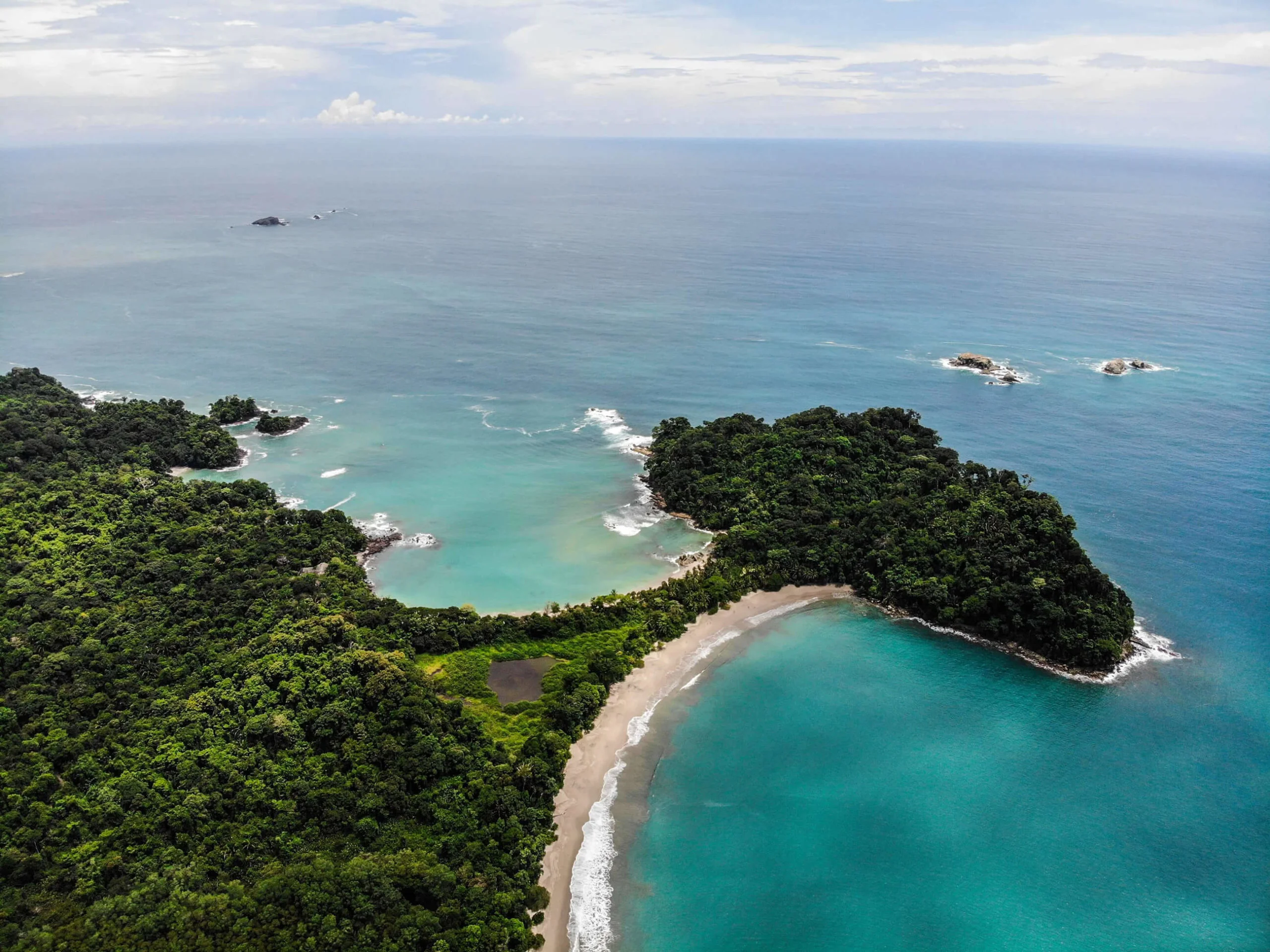
Once you arrive, Manuel Antonio rewards the journey with rainforest trails, abundant wildlife, and beaches where the jungle meets the ocean.
With the right transfer choice, getting there becomes the simplest part of the adventure.
Related Posts

Is Manuel Antonio Good for Families? What Parents Should Know
For many families planning a Costa Rica trip, Manuel Antonio…
Where to Stay in Manuel Antonio, Costa Rica
Best Areas, Hotels & Resorts for Every Type of Traveler…
Manuel Antonio vs Jaco: Differences to Help You Choose Which to Visit
Manuel Antonio vs Jaco is one of the most common comparisons…