2 days in San José gives travelers enough time to experience Costa Rica’s culture, history, coffee traditions, and dining scene before heading to the beaches or rainforests.
Often overlooked as a transit city, San José rewards visitors who slow down and explore its museums, historic neighborhoods, markets, and vibrant culinary culture.
This itinerary is designed for curious, culturally minded travelers who want to experience the best of San José in just 48 hours.
2 Days in San José: Understanding the City
Downtown San José is compact and walkable during the day. Avenida Central runs through the city’s pedestrian heart, connecting key landmarks. Barrio Amón and Barrio Otoya feature historic mansions and boutique hotels. Barrio Escalante is the culinary hotspot.
Beyond downtown, Escazú and Santa Ana offer upscale hotels and a sense of residential calm. Rohrmoser borders La Sabana Metropolitan Park and provides a quieter base close to the center.
Traffic can be heavy during peak hours, so staying centrally will help you make the most of your time.
Where to Stay During 2 Days in San José
For a short stay, location matters.
In Barrio Amón, Hotel Grano de Oro blends Victorian elegance with one of the best fine-dining restaurants in the city. It’s walkable to major museums and features a tranquil courtyard.
If you prefer a more modern luxury experience, InterContinental Costa Rica at Multiplaza Mall in Escazú provides upscale amenities, excellent security, and immediate access to shopping and dining.
For convenience near the airport, Courtyard by Marriott San Jose Airport Alajuela is ideal for early departures.
Downtown or Barrio Amón are best if your focus is culture and walkability.
2 Days in San José: Day 1 (Culture, Architecture, and Coffee)
Morning: The Historic Heart of the City
Begin at the architectural jewel of the capital, the National Theater of Costa Rica. Completed in 1897, this neoclassical landmark reflects Costa Rica’s coffee-era prosperity. Guided tours provide historical insight and access to ornate interiors.
Just steps away, explore the Pre-Columbian Gold Museum beneath Plaza de la Cultura. Its collection of indigenous artifacts offers important cultural context before visiting archaeological sites elsewhere in the country.
Walk along Avenida Central toward the Mercado Central, a sensory immersion into traditional Costa Rican life. Have lunch at a classic soda such as Soda Tala or try a casado at Soda Tapia for authentic flavors.
Afternoon: Art and Urban Green Space
Head west to La Sabana Metropolitan Park, often described as the lungs of the city. Within the park, visit the Museo de Arte Costarricense, housed in a former airport terminal. Its sculpture garden and murals provide insight into Costa Rica’s artistic evolution.
If coffee interests you, consider an afternoon visit to a nearby coffee farm in the Central Valley. Several operators offer half-day tours explaining cultivation, roasting, and tasting.
Evening: Barrio Escalante Dining
Spend your evening in Barrio Escalante, the culinary center of San José.
For refined Costa Rican cuisine, reserve a table at Silvestre, known for seasonal tasting menus highlighting local ingredients. For a creative interpretation of traditional flavors, Isolina offers elegant yet approachable dining.
End the night with craft cocktails in the neighborhood’s relaxed, upscale bars.
Day 2: Markets, Neighborhoods, and a Nearby Escape
Morning: Local Neighborhoods and Coffee Culture
Start your day at Caféoteca, where you can sample single-origin Costa Rican coffees and learn about regional growing zones.
Explore Barrio Amón’s historic mansions, then visit the Jade Museum (Museo del Jade) for one of the largest jade collections in the Americas.
If you enjoy shopping, Escazú’s Multiplaza Mall offers international brands and polished infrastructure.
Afternoon Option 1: A Volcano Day Trip
With limited time, a half-day excursion to Poás Volcano National Park provides dramatic scenery and a chance to experience Costa Rica’s volcanic landscape. Clear mornings offer the best crater views.
Afternoon Option 2: Coffee and Cultural Immersion
Alternatively, join a guided city walking tour to explore political landmarks, plazas, and architectural details that are easy to overlook on your own.
Evening: Rooftop Views or Fine Dining
Return downtown for a final evening. Some boutique hotels and restaurants offer rooftop terraces with city views. For a memorable farewell dinner, the restaurant at Hotel Grano de Oro consistently ranks among the city’s finest.
Practical Tips for a Short Stay
San José’s elevation keeps temperatures moderate year-round, typically in the mid-70s°F (low-20s°C). The dry season runs from December to April, while the rainy season (May–November) brings afternoon showers but clear mornings.
Uber operates widely and is typically more affordable than taxis. Avoid displaying valuables, and use standard urban awareness when walking at night.
Is 2 Days in San José Enough?
Two days is ideal to experience San José’s cultural highlights without rushing. It allows time for museums, dining, coffee culture, and a short excursion beyond the city.
San José may not offer beaches or jungles within walking distance, but it offers something just as valuable: context. Understanding Costa Rica’s history, art, and urban life enriches every rainforest hike and coastal sunset that follows.
For travelers willing to look beyond the airport, San José is not just a gateway — it is a destination in its own right.
Related Posts
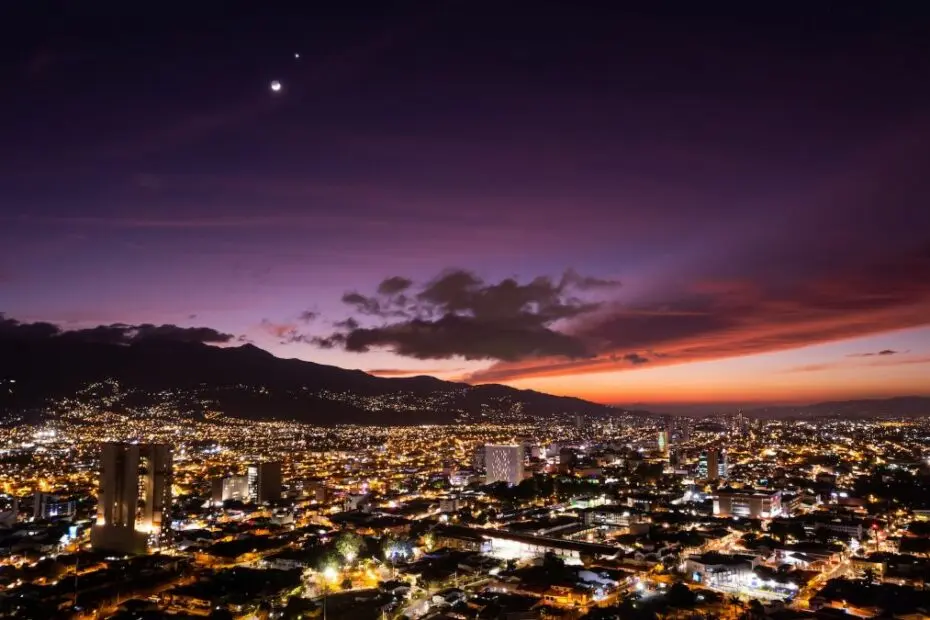
San José Neighborhoods: Where to Stay and Why
Choosing among San José's neighborhoods can have a major impact on your…
Coffee Tours San José: Best Coffee Experiences Near the Capital
Coffee tours San José offer one of the easiest ways…
San José Costa Rica: Complete Travel Guide
Often overlooked as a gateway city, San José is the…