Poás Volcano weather can change quickly because of the park’s high elevation and cloud-forest environment. A clear morning can become foggy within minutes, so timing is one of the most important parts of planning a visit.
Located north of Alajuela in Costa Rica’s Central Valley, Poás sits at about 2,708 meters (8,885 feet) above sea level. Conditions at the crater are therefore cooler, wetter, and less predictable than they are in San José or near the airport.
If seeing the crater clearly is your priority, an early morning visit usually gives you the best chance.
Why the Weather at Poás Changes So Quickly
Poás rises high above the surrounding Central Valley, where moist air moves up the mountain slopes and cools.
As that air condenses, clouds and fog can form quickly around the summit.
This explains why conditions can be very different between the lower agricultural areas and the crater itself.
You may leave Alajuela under blue skies and reach the park to find clouds surrounding the viewpoint.
Likewise, fog can briefly clear, revealing the crater before returning.
Because of these rapid changes, no season or time of day can guarantee perfect visibility.
Best Time of Day for Clear Crater Views
Morning is generally the best time to visit.
Earlier in the day, there is often less cloud development over the mountain. As temperatures rise, clouds can build around the summit, reducing visibility.
For that reason, try to reserve one of the earliest available entry periods.
A visit between roughly 8:00 and 10:00 a.m. is often preferable to an afternoon visit if crater visibility is your main goal.
However, this is a probability rather than a guarantee.
Poás can be cloudy early in the morning and unexpectedly clear later. Mountain weather does not follow an exact schedule.
For current park access information, check the official Poás Volcano National Park information before traveling.
Dry Season: December to April
The dry season generally provides the most favorable conditions for travelers hoping for clearer skies.
December through April typically brings less rainfall to much of the Central Valley.
During these months, you can expect:
- More frequent sunny mornings
- Lower chances of prolonged rain
- Easier driving conditions
- Higher visitor numbers
January through March can be particularly attractive if clear crater views are a major priority.
However, this is also peak tourism season.
Therefore, reserve your park entry in advance rather than waiting until you arrive in Costa Rica.
Green Season: May to November
The green season brings more rain and greater weather variability.
That does not mean Poás should be avoided.
In fact, mornings can still offer excellent viewing opportunities, especially if you visit early.
The surrounding landscape also becomes intensely green, and the cloud forest can be particularly atmospheric during this period.
Expect:
- More afternoon rain
- More frequent cloud cover
- Wetter mountain roads
- Fewer visitors than during peak dry season
September and October are generally among the wetter months in much of the Central Valley.
If visiting, keep your itinerary flexible and avoid relying on a single perfect weather window.
Is January to March the Best Time?
For travelers primarily interested in seeing the crater, January through March is a strong period to consider.
These months combine Costa Rica’s dry season with generally lower rainfall in the Central Valley.
However, even during February or March, Poás can disappear behind clouds.
The weather at nearly 9,000 feet remains unpredictable year-round.
Think of the dry season as improving your chances rather than guaranteeing the view.
Where to Stay for an Early Visit
Staying nearby can make a significant difference.
If your reservation is early in the morning, you do not want to spend the first part of the day fighting San José traffic.
Alajuela
Alajuela is one of the most convenient bases.
It is close to Juan Santamaría International Airport (SJO) and significantly closer to Poás than central San José.
For travelers arriving in Costa Rica the previous afternoon or evening, an overnight stay in Alajuela followed by an early volcano visit creates a simple itinerary.
Highland Lodges
Staying farther up the mountain provides even easier morning access.
Small lodges and accommodations throughout the surrounding highlands place you close to coffee farms, agricultural communities, and cooler mountain scenery.
This option works particularly well for couples or travelers who want a slower Central Valley experience rather than a quick day trip.
What Happens If the Crater Is Covered in Clouds?
Clouds are one of the biggest uncertainties when visiting Poás.
Unfortunately, there is no way to force the crater to appear.
If visibility is poor, avoid letting it ruin the entire day.
The surrounding region offers several alternatives.
Explore Coffee Country
Coffee farms around the Central Valley can provide a cultural complement to the volcano.
A coffee tour lets you learn about cultivation, processing, roasting, and the region’s agricultural history.
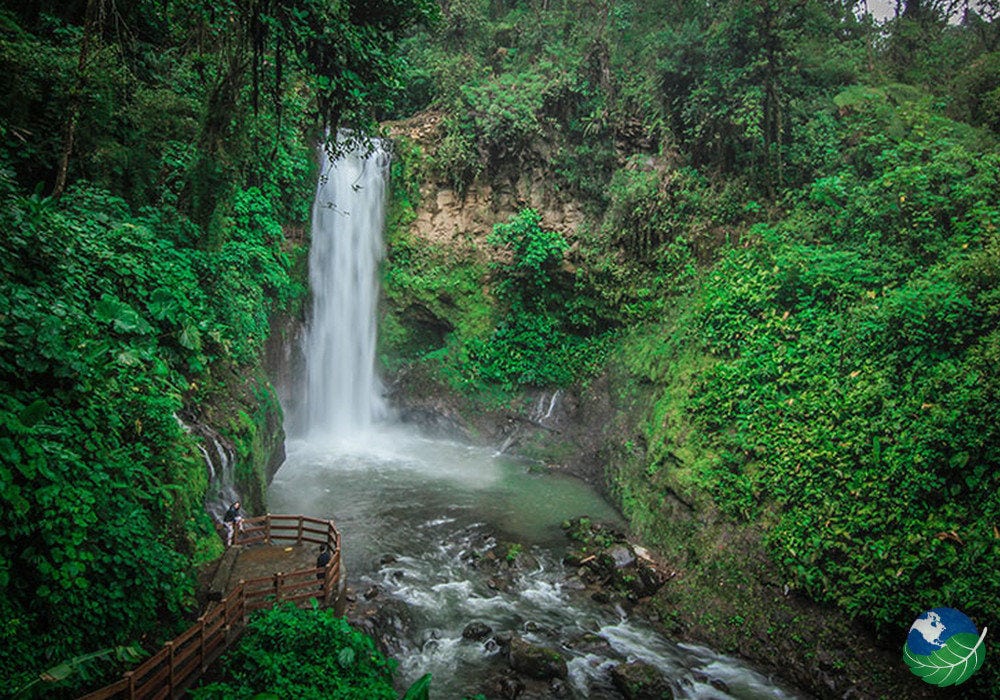
Visit La Paz Waterfall Gardens
Poás Volcano and La Paz Waterfall Gardens work well together in one day.
Rain and mist are much less disappointing around waterfalls than at a volcanic viewpoint.
In fact, cloudy conditions can make the surrounding forest feel even more atmospheric.
Spend Time in the Highlands
Roadside cafés, agricultural scenery, and mountain communities can also turn a cloudy crater morning into a pleasant Central Valley excursion.
This is one reason it helps not to treat Poás as the day’s sole purpose.
What About Laguna Botos?
Laguna Botos is a crater lake surrounded by highland forest.
When accessible, it can provide another reason to spend time inside the park beyond the main crater viewpoint.
However, trail access can change because Poás is an active volcanic area.
Do not assume a specific trail will be open during your visit.
Check current park conditions and follow all instructions from park staff.
How the Weather Affects Driving
Poás weather affects more than crater visibility.
It can also change the drive.
Fog may reduce visibility considerably on higher sections of the road.
During the green season, heavy rain can slow the descent.
- Reduce speed in fog.
- Use your headlights.
- Leave extra distance between vehicles.
- Avoid rushing to meet a reservation.
- Try to complete mountain driving before dark.
What to Wear at Poás
Do not dress for the weather you experience near SJO.
Conditions at the crater can be much cooler.
Bring:
- A light jacket or fleece
- A lightweight rain jacket
- Comfortable closed shoes
- Sun protection
- Water
Layers are useful because conditions can change during a single visit.
You may feel cold and damp near the crater and considerably warmer again as soon as you descend toward Alajuela.
Wind and Sun at High Elevation
Clouds can make Poás feel cold, but clear conditions introduce another concern: stronger sun exposure.
At high elevation, UV exposure can be significant even when temperatures feel cool.
Use sunscreen and consider sunglasses when conditions are bright.
Wind can also make the viewpoint feel colder than surrounding temperatures suggest.
A light wind-resistant layer can make the visit much more comfortable.
Weather and Volcanic Safety
Weather is not the only condition that can affect access.
Poás remains an active volcano.
Park officials may modify or suspend access because of volcanic activity, gases, or other safety considerations.
Therefore, check current park conditions before leaving your accommodation.
Always follow ranger instructions.
A clear morning does not necessarily mean volcanic conditions are suitable for visitors.
Travelers with respiratory sensitivities should also consider the possibility of volcanic gases and seek appropriate medical guidance if they have concerns.
Should You Check a Weather App Before Visiting?
Yes, but do not rely on it completely.
General weather forecasts for Alajuela or San José may not accurately represent conditions at the crater.
Even mountain forecasts cannot reliably predict exactly when clouds will cover or reveal the viewpoint.
Use forecasts as one planning tool rather than a promise.
Your strongest strategy is still:
Book early.
Stay nearby if possible.
Allow flexibility.
Keep another Central Valley activity available as a backup.
Best Weather Strategy for a Short Trip
If you have only one opportunity to visit, reserve an early morning entry during the driest part of your itinerary.
Staying in Alajuela or the highlands the night before reduces unnecessary travel.
Then plan a coffee tour or waterfall visit afterward.
That way, the day remains worthwhile even if clouds obscure the crater.
Best Weather Strategy for a Longer Stay
If you are staying several days in the Central Valley, you have more flexibility.
Schedule Poás early in your stay rather than on your final morning.
That gives you some room to adjust plans if park conditions or weather create problems.
This approach can be especially useful during the green season.
When Should You Avoid Going?
Poor weather alone does not always make Poás a bad idea.
However, reconsider the visit if official park notices indicate closures or unsafe conditions.
Likewise, if your itinerary requires a long drive from a distant region solely to see the crater and the weather consistently looks poor, your time may be better spent elsewhere.
Poás is most valuable when it fits naturally into a Central Valley itinerary.
Best Time for Different Travelers
First-time visitors: Dry-season mornings make planning easiest.
Families: Choose an early entry before children become tired and before afternoon rain becomes more likely.
Older travelers: Morning visits also tend to avoid the most complicated weather and traffic conditions.
Photographers: Early light and rapidly changing clouds can create dramatic conditions, although visibility remains unpredictable.
Green-season travelers: Keep mornings for outdoor activities and afternoons for coffee tours, restaurants, or other flexible plans.
Final Thoughts
Understanding Poás Volcano weather can improve your chances of seeing the crater, but no amount of planning can completely control mountain conditions.
The best strategy is simple.
Visit early.
Choose the dry season if crater visibility is one of your main travel priorities.
Stay near Alajuela or the highlands when possible.
Bring layers and rain protection.
Most importantly, maintain realistic expectations.
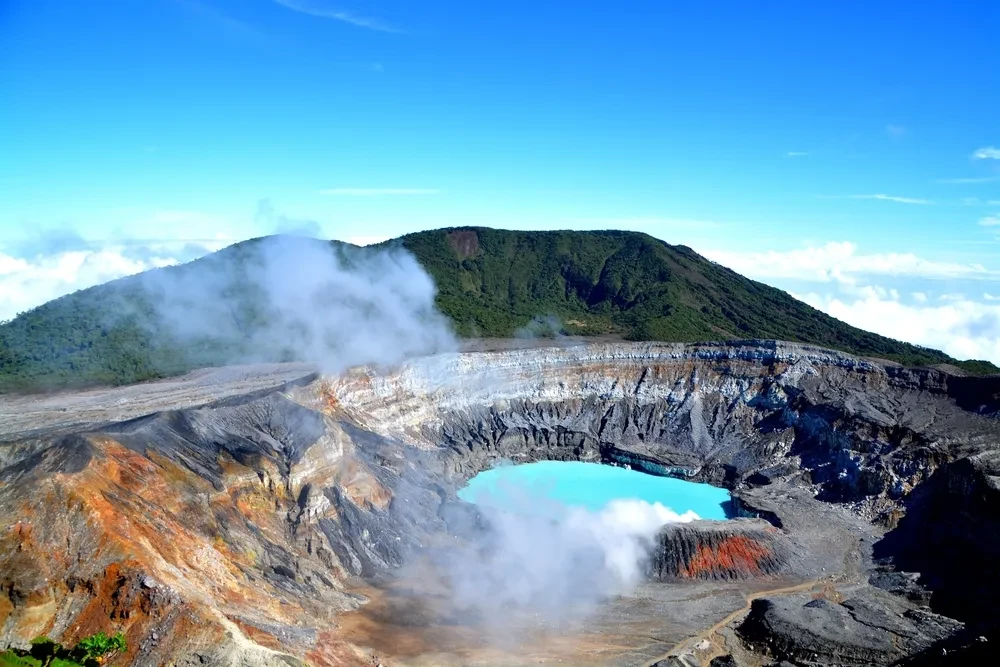
Poás is a cloud-forest volcano. Fog, wind, rain, and sudden openings in the clouds are all part of the landscape.
When the sky clears and the crater appears below you, the uncertainty is part of what makes the moment so impressive.
Related Posts
Poás Volcano Day Trip with La Paz Waterfall Gardens
A Poás Volcano day trip combined with La Paz Waterfall Gardens is…
Poás Volcano or Arenal Volcano: Which Should You Visit?
Choosing between Poás Volcano and Arenal Volcano comes down to the kind…
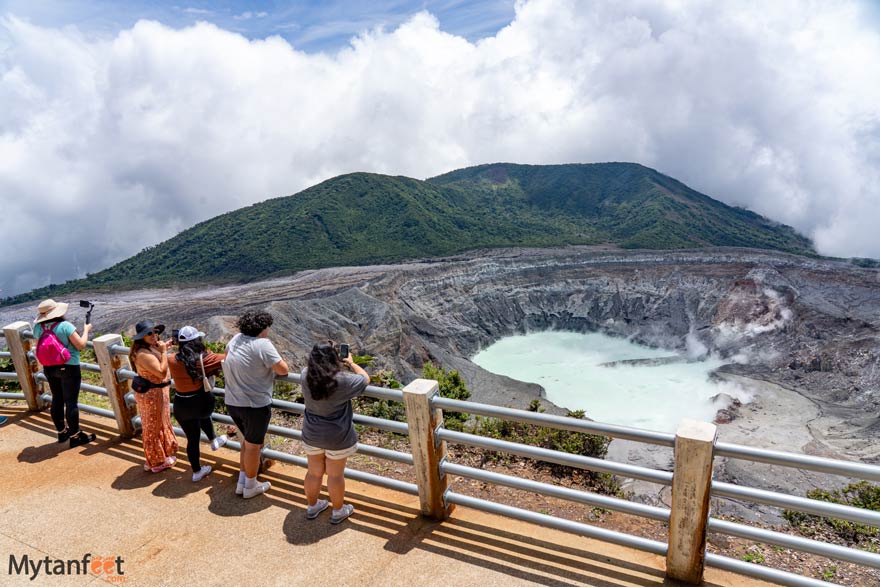
Poás Volcano for Families: What Parents Should Know
Poás Volcano is one of the easiest ways for families to…