Slow-travel Costa Rica experiences are especially rewarding in places not built around constant activity. In the western Central Valley, Atenas and Naranjo offer exactly that kind of setting.
These towns are close enough to San José and Juan Santamaría International Airport (SJO) to be convenient, yet they feel far removed from the capital’s pace. Coffee farms spread across hillsides, mornings begin quietly, and afternoons are shaped more by weather, meals, and conversation than by packed itineraries.
For Baby Boomers, couples, wellness-focused travelers, remote workers, and independent visitors, Atenas and Naranjo offer a softer version of Costa Rica: less about doing everything and more about staying long enough to notice where you are.
Why Atenas and Naranjo Work So Well for Slow Travel
Both towns sit within Costa Rica’s Central Valley, but they have different personalities.
Atenas is more residential. It is known for hillside homes, warm weather, open views, and a well-established international community.
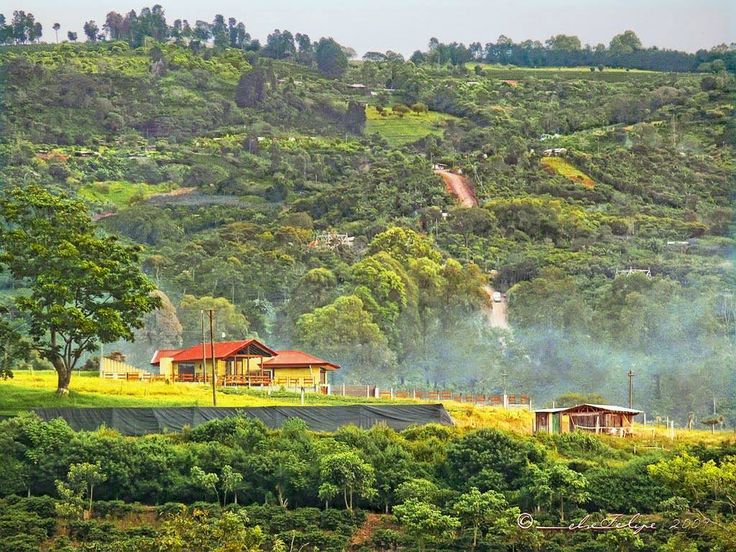
Naranjo feels more agricultural. Coffee farms, family-run properties, and working landscapes shape the surrounding area.
Together, they create a useful contrast.
Atenas is ideal for settling in.
Naranjo is ideal for connecting with coffee culture and rural life.
Neither is designed around nightlife or major resort infrastructure. That makes them especially appealing to travelers who want a destination to feel lived-in rather than staged.
The Climate Encourages a Slower Rhythm
Climate is one of the biggest reasons people linger in this part of Costa Rica.
Atenas tends to feel warmer and drier than many higher Central Valley communities, while Naranjo can feel slightly cooler depending on elevation.
In both areas, the evenings are usually more comfortable than along the Pacific coast, and humidity often feels easier to manage.
During the dry season, mornings are bright and outdoor spaces become part of everyday life.
During the green season, rain returns to the hills and the landscape becomes dramatically greener. Mornings often remain the best time for walks, farm visits, and scenic drives, while afternoons naturally invite a slower pace.
For travelers who want to spend more time outdoors without dealing with intense coastal heat, that balance is a major advantage.
What Wellness Looks Like Here
Wellness in Atenas and Naranjo is not necessarily about spa programs or luxury retreats.
It often looks much simpler.
You wake up without an alarm.
You drink coffee on a terrace.
You walk through a neighborhood or coffee farm.
You eat lunch slowly.
You spend the afternoon reading, working, or watching rain move across the hills.
That kind of routine can feel restorative precisely because it does not require a schedule.
For many travelers, the strongest wellness experience here is simply having enough time to stop rushing.
Where to Stay in Atenas
For slow travel, accommodation matters more than proximity to attractions.
In Atenas, hillside villas and small boutique properties are especially appealing because they provide space, airflow, and views.
Many longer-stay rentals include:
- Kitchens
- Outdoor terraces
- Gardens
- Pools
- Laundry
- Dedicated workspaces
That makes Atenas a strong choice for travelers staying a week or more.
If you want restaurants and services nearby, stay closer to downtown.
If you want privacy and cooler breezes, look for a hillside property.
Where to Stay in Naranjo
Naranjo works best if you want a stronger connection to rural Costa Rica.
Smaller lodges, finca stays, and accommodations near coffee farms can provide a much more immersive atmosphere.
Instead of driving out for a coffee tour and returning to the city, you stay in the landscape itself.
Morning views may include coffee fields, agricultural roads, and mountain ridges rather than urban development.
This setting works especially well for travelers who enjoy:
- Quiet evenings
- Farm-to-table meals
- Agricultural experiences
- Photography
- Cultural immersion
Start With Coffee, but Do Not Rush It
Coffee is central to life in this region, and slow travel provides the right way to experience it.
Instead of treating a coffee farm as a quick stop, choose a tour that lets you spend time understanding the process.
Depending on the farm, you may learn about:
- Coffee cherries
- Hand harvesting
- Processing
- Drying
- Roasting
- Cupping
- Micro-lots
- Sustainability
The most meaningful experiences usually involve conversation.
Ask questions.
Talk to the producer.
Taste different coffees.
Learn why one lot tastes different from another.
Visit During Harvest Season for More Activity
The coffee harvest season adds another layer to slow travel in Naranjo and the surrounding areas.
From roughly November through March, depending on elevation and farm conditions, you may see ripe cherries being picked and processing facilities operating more actively.
That creates a stronger sense of place because the agricultural rhythm becomes visible.
Outside harvest season, farms remain worthwhile, but the experience is quieter and more focused on cultivation, processing explanations, and tasting.
Spend Time in Town, Not Just on Farms
Slow travel should also include ordinary life.
In Atenas, spend time around the town center, local cafés, markets, and restaurants.
In Naranjo, explore the central area, have lunch at a local soda, and take time to observe how the town functions outside tourism.
This is where cultural immersion becomes more meaningful.
You do not need a formal activity every hour.
Sometimes the most memorable part of the day is sitting in a park or café long enough to stop feeling like a visitor passing through.
Scenic Drives Between Coffee Towns
The roads between Atenas, Naranjo, and other Western Central Valley communities make excellent slow-travel routes.
Instead of driving simply to get somewhere, give yourself time to stop.
Pull over at viewpoints.
Buy fruit from a roadside stand.
Have coffee in a small town.
The Central Valley is full of short drives that become enjoyable only when you stop treating them as transportation.
A rental car is useful for this style of travel, especially if your accommodation is outside town.
Farmers Markets and Local Produce
Farmers markets fit naturally into a wellness-focused itinerary.
Fresh fruit, vegetables, herbs, cheese, baked goods, and prepared foods offer a direct connection to local agriculture.
They also make longer stays easier because you can shop for ingredients and prepare simple meals at your accommodation.
For travelers staying in villas or vacation rentals, this can become part of the weekly rhythm rather than a sightseeing stop.
Gentle Outdoor Activities
Atenas and Naranjo are not major hiking hubs, but that is not necessarily a disadvantage.
There are smaller roads, countryside walks, garden properties, coffee fields, and scenic drives that allow you to stay active without turning every day into an expedition.
You can also add a day trip to Poás Volcano National Park if you want a more dramatic natural attraction.
However, keep the pace realistic.
Slow travel works best when a major excursion does not automatically lead to another one the same afternoon.
Dry Season vs Green Season
Both seasons work well, but the experience changes.
December Through April
The dry season brings more sunshine and makes outdoor planning easier.
This is also one of the most popular periods for international visitors.
Views can be clearer, roads are easier to manage, and outdoor dining feels effortless.
May Through November
The green season is quieter.
The countryside becomes greener, accommodation can feel less crowded, and afternoon rain often encourages natural downtime.
For travelers intentionally looking for rest, this is the more appealing season.
September and October bring heavier rainfall, so road conditions and visibility require more attention.
Remote Work and Longer Stays
Atenas, in particular, works well for people combining travel with remote work.
The lifestyle is residential, so it is easier to create a routine than in a destination built around short-term tourism.
However, always confirm internet quality before booking a long stay.
Ask for actual speed tests rather than accepting a listing that says “Wi-Fi.”
Naranjo can also work for remote workers, especially in established properties, but rural locations require more careful checking of internet and mobile coverage.
Who Will Enjoy Slow Travel Here Most?
Atenas and Naranjo suit travelers who are comfortable with quiet.
They work especially well for:
- Baby Boomers
- Couples
- Retirees testing longer stays.
- Wellness-focused travelers
- Cultural travelers
- Remote workers
- Coffee enthusiasts
- Visitors who dislike resort crowds
They are less ideal for travelers who want nightlife, dense entertainment, or a long list of attractions within walking distance.
That difference is important.
Slow travel works only if you enjoy the space that comes with having less to do.
A Simple 5-Day Slow Travel Itinerary
Day 1: Arrive and Settle In
Travel from San José (SJO) to Atenas.
Check into a hillside rental or boutique inn.
Do very little.
Have dinner locally and let the trip begin slowly.
Day 2: Coffee and Town Life
Visit a nearby coffee experience or drive toward Naranjo for a farm tour.
Return in the afternoon and leave the rest of the day open.
Day 3: No Major Plans
Spend the morning at a farmers market or café.
Have lunch in town.
Read, swim, work, or rest in the afternoon.
This is intentionally an unstructured day.
Day 4: Naranjo and the Countryside
Drive through coffee country.
Visit a farm, have lunch locally, and spend time exploring without a strict schedule.
Day 5: Gentle Day Trip
Visit Poás Volcano or another Central Valley attraction early.
Return for a quiet final afternoon.
The point is not to fill five days.
It is to create enough room for the region to feel different from normal travel.
Why This Style of Travel Matters
Costa Rica is often sold through intensity.
Surf at sunrise.
Zip-line after breakfast.
Raft in the afternoon.
Move to another hotel the next morning.
That can be exciting, but it is not the only way to experience the country.
Slow travel Costa Rica itineraries create a different relationship with place.
Instead of collecting experiences, you begin to notice rhythms.
When the market opens.
When rain usually arrives.
Which café becomes your favorite.
How the hills look at different times of day.
That familiarity is often what travelers remember most.
Final Thoughts
Slow-travel Costa Rica experiences in Atenas and Naranjo offer a quieter alternative to the country’s busier tourist corridors.
Atenas provides warmth, views, residential comfort, and an easy place to settle into a routine.
Naranjo offers a closer connection to coffee farming, rural communities, and agricultural life.
Neither destination demands constant activity.
That is exactly why they work.
For travelers willing to stay longer, move more slowly, and leave room in the day for ordinary moments, the Coffee Highlands can become one of the most restorative parts of a Costa Rica trip.
Here, wellness is not something you book.
It is something that happens when you finally stop rushing.
Related Posts
Naranjo Coffee Farms: Best Tours & Coffee Experiences
Naranjo coffee farms offer one of the best opportunities to experience…

Coffee Farm Stays Near San José, Costa Rica
Coffee farm stays near San José, Costa Rica offer one of…

Weekend Getaway from San José: Coffee Highlands Escape
A weekend getaway from San José does not require a long drive…