If you’re planning a trip to La Fortuna, one of the most common questions is:
Is Arenal Volcano active — and is it safe to visit?
The short answer:
Yes, Arenal is classified as an active volcano. No, it is not currently erupting. And yes, it is considered safe to visit under normal conditions.
But understanding what “active” actually means — and how volcanic monitoring works in Costa Rica — is essential for informed travel planning.
This guide explains Arenal’s current status, eruption history, safety considerations, and what to expect when visiting today.
Overview: Arenal Volcano & the Surrounding Region
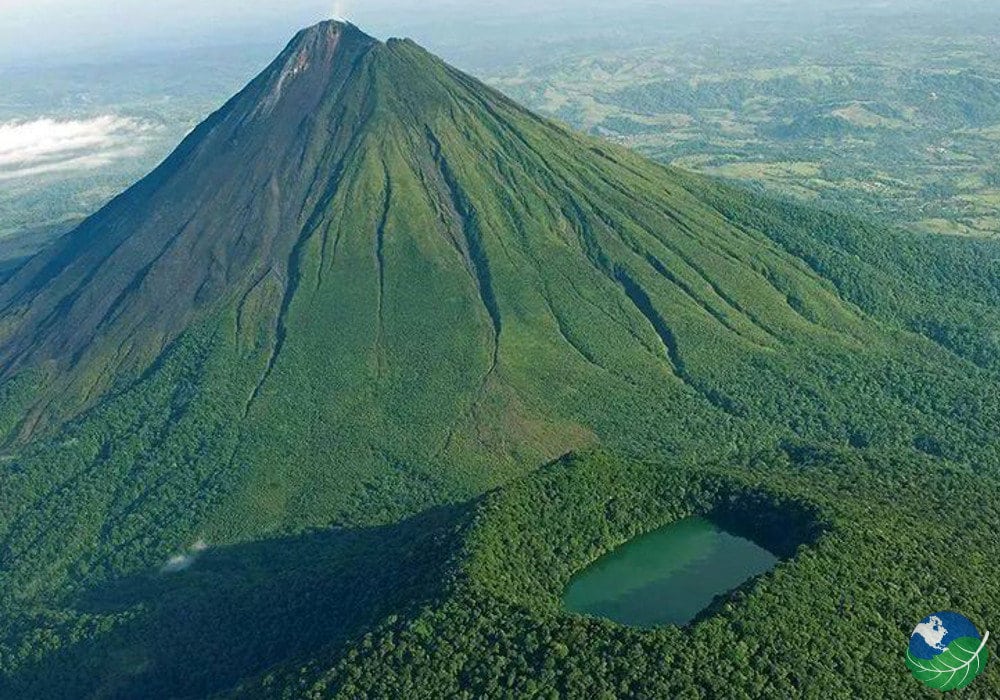
Arenal Volcano rises 1,670 meters (5,479 feet) above the Northern Plains of Costa Rica, near the town of La Fortuna.
It sits within Arenal Volcano National Park, about:
- 2.5–3.5 hours from San José (SJO)
- 2.5–3 hours from Liberia (LIR)
The region includes:
- Lava flow hiking trails
- Lake Arenal
- Geothermal hot springs
- Wildlife reserves
For decades, Arenal was one of the most active volcanoes in the Western Hemisphere. Today, it remains one of Costa Rica’s most visited natural landmarks — even without visible eruptions.
Is Arenal Volcano Active Right Now?
Current Status
Arenal Volcano is currently in a resting (dormant) phase, with no ongoing lava flows or regular explosive eruptions.
Its last major eruptive period lasted from 1968 to 2010. Since 2010, volcanic activity has significantly decreased.
However, it is still classified as an active stratovolcano because:
- It erupted within the last few decades.
- It remains geologically capable of future activity.
- It still exhibits geothermal heat underground.
In practical travel terms, visitors today will not see lava or explosions.
The 1968 Eruption: Why It Matters
On July 29, 1968, Arenal violently erupted after centuries of dormancy. The eruption:
- Destroyed nearby villages
- Reshaped the landscape
- Created hardened lava fields still visible today
From 1968 until around 2010, Arenal frequently emitted lava flows, ash plumes, and pyroclastic activity. During that period, nighttime lava viewing was common.
Today, those lava fields are safe hiking terrain inside designated park trails.
For a deeper historical look, see our full article on the 1968 Arenal Eruption.
How Arenal Volcano Is Monitored
Costa Rica has strong volcanic monitoring systems overseen by scientific institutions such as:
- Observatorio Vulcanológico y Sismológico de Costa Rica (OVSICORI)
- Red Sismológica Nacional (RSN)
Monitoring includes:
- Seismic activity tracking
- Gas emission measurement
- Ground deformation observation
If activity increases, authorities can:
- Restrict park access
- Close certain trail sectors.
- Issue public advisories
Costa Rica takes volcanic risk management seriously, particularly in high-tourism areas.
What “Active” Means for Travelers
For visitors, “active volcano” does not mean immediate danger.
It means:
- The volcano is geologically alive.
- It has erupted in recent history.
- It is monitored continuously.
You cannot hike to the crater. Trails remain at lower elevations in designated safe zones.
In its current resting state, Arenal is considered safe for tourism.
What You Can Expect to See Today
Even without lava, Arenal delivers a powerful experience.
You’ll see:
- Massive hardened lava fields
- Regenerating rainforest
- Dramatic cone-shaped summit
- Occasional steam vents (rare)
- Wildlife thriving in volcanic soil.
On clear mornings, the volcano is strikingly photogenic.
Where to Stay Near Arenal Volcano
Staying near the volcano enhances the experience, especially for early morning visibility.
Luxury with Volcano Views
- Nayara Springs
- Nayara Gardens
- The Springs Resort & Spa
- Tabacón Thermal Resort & Spa
These properties offer:
- Direct volcano sightlines
- On-site hot springs
- Easy access to park entrances
Nature-Focused Lodges
- Arenal Observatory Lodge
Located closer to the volcano base, this lodge offers private trails and excellent wildlife viewing.
Best Things to Do — Even Without Eruptions
The absence of lava does not diminish the experience.
Arenal Volcano National Park Hiking Trails
Walk across lava flows from the 1992 eruption and through forest regeneration zones.
See our full Arenal Volcano National Park Hiking Guide for detailed trail information.
Hot Springs
Geothermal waters are heated by underground volcanic activity. Soaking in mineral-rich pools remains one of the region’s signature experiences.
Lake Arenal
Kayaking or scenic drives offer alternative perspectives of the volcano.
Wildlife Tours
Sloths, monkeys, toucans, and coatis thrive in the surrounding ecosystem.
Safety Considerations When Visiting Arenal
Although the park is currently calm, visitors should always follow park guidelines.
Stay on Marked Trails
Do not attempt to climb the volcano.
Off-trail exploration is dangerous and illegal.
Monitor Weather
Heavy rainfall can:
- Make trails slippery
- Reduce visibility
- Increase flash flood risk in nearby rivers.
Morning visits are generally safest and clearest.
Follow Official Advisories
If seismic activity increases, local authorities will restrict access. Respect all closures.
Travel Insurance
For those participating in hiking, rafting, or canyoning in the region, travel insurance covering adventure activities is strongly recommended.
When Is the Best Time to Visit Arenal Volcano?
Dry Season (December–April)
- Clearer volcano views
- Lower rainfall
- Higher visitor demand
Best for first-time visitors prioritizing visibility.
Green Season (May–November)
- Lush landscapes
- Fewer crowds
- Afternoon showers
September and October are typically the wettest months.
Final Answer: Should You Visit If It’s Not Erupting?
Absolutely.
Arenal Volcano’s value today lies not in explosive activity but in:
- Geological history
- Regenerating ecosystems
- Accessible hiking trails
- Thermal hot springs
- Dramatic scenery
It is one of the most photogenic and visitor-friendly volcanoes in Central America.
You won’t see lava flowing down the slopes — but you will walk across terrain shaped by it, soak in water heated by it, and stand beneath one of the most iconic silhouettes in Costa Rica.
And thanks to active monitoring and strong park management, you can do so with confidence.
Related Posts
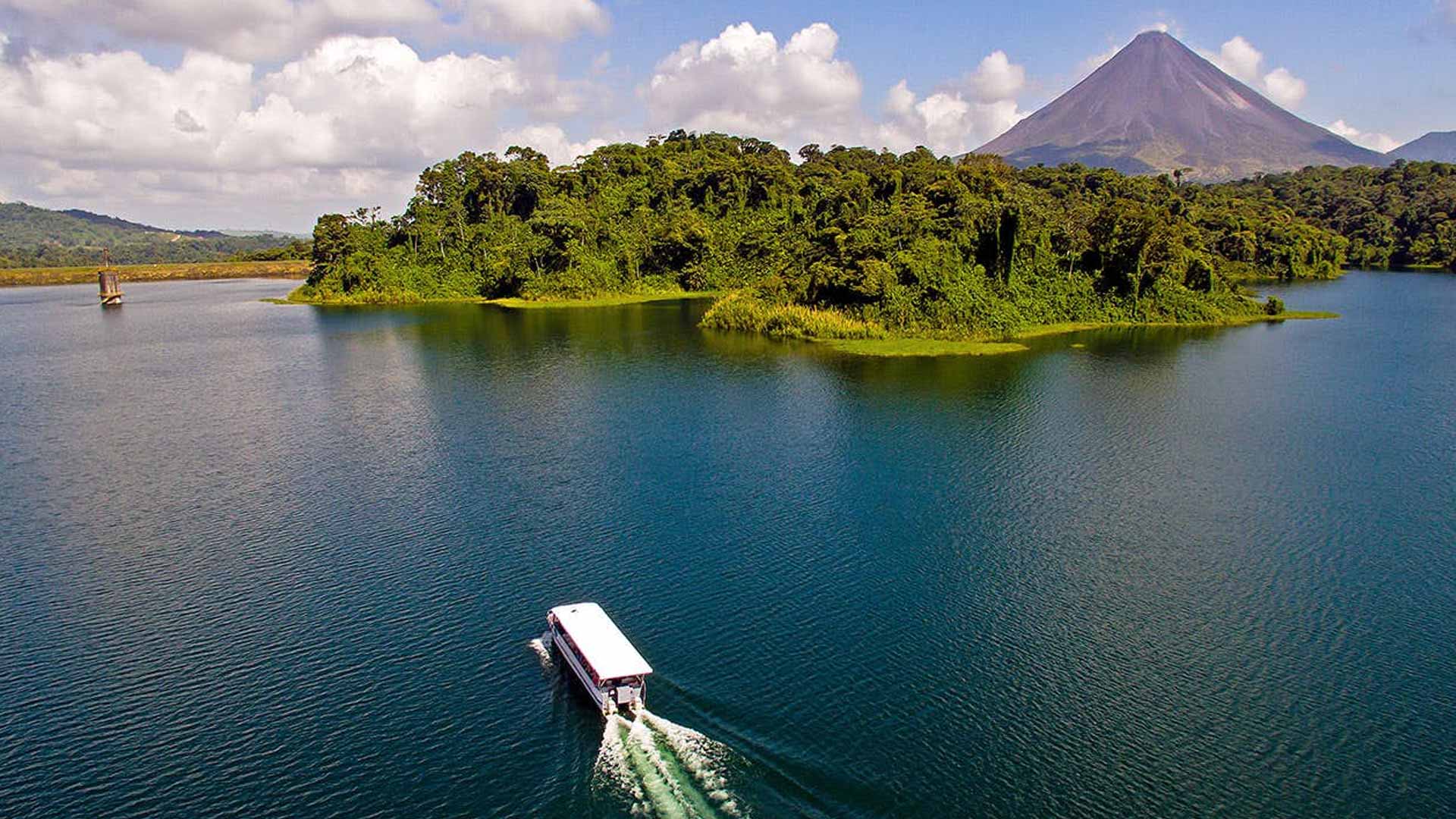
Arenal Volcano and Lake Arenal: How They Are Connected
Understanding the Landscape, Hydroelectric History & What It Means for…
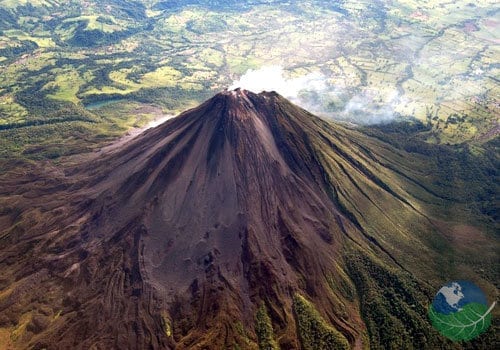
Arenal Volcano vs Poás Volcano: Which Should You Visit?
Costa Rica has more than 60 volcanic formations. Still, for…