Hiking in Arenal Volcano National Park offers a close look at one of Costa Rica’s most recognizable volcanic landscapes. Near La Fortuna, trails pass through tropical forest, older lava deposits, and areas where vegetation has gradually returned after past eruptions.
However, this is not a summit hike. Visitors cannot climb Arenal Volcano or approach its crater. Instead, authorized trails provide opportunities to explore the surrounding landscape and observe the volcano from designated areas.
The experience varies by route. Some paths focus on volcanic terrain, while others lead through forest or toward Lake Arenal.
This Arenal Volcano National Park hiking guide compares the main trails, explains their difficulty, and covers weather, tickets, transportation, and safety. It also helps you decide whether to explore independently or hire a local guide.
Arenal Volcano National Park: Location and Overview
Arenal Volcano National Park lies in northern Costa Rica, near the town of La Fortuna.
Arenal Volcano rises approximately 1,670 meters (5,479 feet) above sea level. It is a stratovolcano formed through repeated eruptions of lava and other volcanic material.
In July 1968, a major eruption began a prolonged period of volcanic activity. Eruptions continued for decades before declining in 2010.
Although Arenal remains geologically active, visitors should not expect the regular glowing lava flows once associated with the volcano.
The surrounding national park protects forest, volcanic landscapes, and habitats supporting local wildlife.
Its visitor areas include the main trail sector and the Peninsula sector near Lake Arenal. These offer different hiking experiences.
Importantly, Arenal Volcano National Park is separate from private attractions such as Arenal 1968, Mirador El Silencio, and Arenal Observatory Lodge & Trails. Their trails, admission arrangements, and facilities are not part of the official national park system.
Arenal Volcano National Park Trails and Difficulty Levels
The main official hiking options include Las Coladas, El Ceibo, and routes within the Peninsula sector.
Before choosing a trail, consider its terrain rather than distance alone. Uneven volcanic rock, exposed roots, rain, and humidity can make a relatively short walk demanding.
Sendero Las Coladas: Best for Lava Flow Landscapes
Las Coladas is one of the park’s best-known trails.
SINAC has described the route as approximately 1.7 kilometers long. However, visitors should confirm the current route layout and total walking distance at the entrance.
The trail passes through forest and leads toward an area with older volcanic deposits.
Along the way, vegetation and rocky ground illustrate how the landscape has changed since Arenal’s eruptive period.
Near open areas, visitors may see the volcano’s cone when clouds permit.
The terrain can include gravel, uneven surfaces, and exposed volcanic rock. Therefore, shoes with reliable grip are important.
Some sections also receive direct sunlight, making water and sun protection useful.
Las Coladas is particularly appealing to photographers and visitors interested in volcanic geology.
However, it should not be described as a completely flat or effortless walk. Conditions vary with rainfall and trail maintenance.
Sendero El Ceibo: Best for Forest and Wildlife
El Ceibo offers a different experience from Las Coladas.
SINAC has listed this trail at approximately 2.3 kilometers, although visitors should confirm the current measurement and route configuration.
The path leads through forest toward a large ceiba tree.
Rather than focusing mainly on exposed volcanic terrain, this route highlights the area’s vegetation and ecological recovery.
Hikers may hear birds or howler monkeys. Other wildlife is possible, but sightings depend on conditions and luck.
The forest provides shade in places. However, roots, mud, and uneven surfaces can still make walking difficult.
For travelers interested in tropical plants, forest photography, and quieter observation, El Ceibo is worth considering.
Visitors should choose the trail based on their mobility and comfort with natural terrain, not simply its relatively short distance.
Peninsula Sector: Best for Lake Arenal Scenery
The Peninsula sector offers another perspective on the Arenal landscape.
Located near Lake Arenal, this visitor area focuses more on lake and forest scenery than exposed lava deposits.
Depending on the currently accessible routes, visitors may encounter forest paths and designated observation areas.
The setting can be particularly appealing for photography, especially when the lake and volcano are visible together.
However, facilities and route access should be confirmed before arrival.
Do not assume that every path, platform, or viewing area is open.
Travelers should also verify which entrance serves the Peninsula sector. It is not necessarily the same arrival point as the main trail sector.
Which Arenal Volcano Trail Should You Choose?
| Trail or sector | Published distance | Terrain and difficulty considerations | Main attraction | Best suited for |
|---|---|---|---|---|
| Las Coladas | Approx. 1.7 km | Uneven volcanic and forest terrain | Older lava deposits | Geology and photography |
| El Ceibo | Approx. 2.3 km | Forest paths, roots, possible mud | Large ceiba tree and forest | Nature observation |
| Peninsula sector | Confirm current route lengths | Depends on open paths and facilities | Lake and forest views | Scenic walking |
For a first visit, Las Coladas is a useful choice if volcanic terrain is your priority.
El Ceibo may appeal more to travelers who enjoy forest environments. Meanwhile, the Peninsula sector provides a different perspective of Lake Arenal.
If time and conditions permit, combining two routes can create a more varied visit.
How Difficult Is Hiking in Arenal Volcano National Park?
Hiking difficulty depends on the route, weather, and your physical condition.
Many visitors find the official trails manageable. However, short distances should not be confused with guaranteed easy walking.
Rocky surfaces may require careful footing. Forest paths can become muddy after rainfall, while roots and uneven ground create additional obstacles.
Heat and humidity also increase physical effort.
Families should consider children’s walking experience and tolerance for warm conditions. Mature travelers may prefer shorter routes or a slower pace.
Visitors with mobility limitations should contact the park before arrival to confirm accessible facilities and suitable paths.
Not every natural trail is wheelchair-accessible.
Taking breaks, carrying water, and allowing extra time for photographs can make the experience more comfortable.
Guided vs Self-Guided Hiking at Arenal Volcano
Visitors can generally explore authorized national park trails independently, subject to current regulations.
However, guided hikes offer a different experience.
Self-Guided Hiking
Independent hiking allows you to choose your pace and spend more time photographing particular landscapes.
Trail signs and official maps help visitors follow authorized routes.
Still, you should confirm current conditions before entering and remain within designated areas.
Self-guided hiking may suit travelers who are comfortable navigating marked trails and primarily want to enjoy the scenery.
Guided Hiking
A knowledgeable local guide can explain Arenal’s eruptive history, identify plants, and discuss how forest ecosystems recover after volcanic activity.
Guides may also notice birds or other wildlife that visitors overlook.
However, hiring a guide does not guarantee animal sightings.
Before booking a tour, check whether transportation, entrance admission, and guiding services are included.
Some operators also use private reserves rather than official national park trails. Confirm the location if visiting the national park is your priority.
Arenal Volcano National Park Tickets, Entrance Fees, and Opening Hours
Arenal Volcano National Park is administered by Costa Rica’s National System of Conservation Areas, known as SINAC.
Entrance fees, operating hours, payment arrangements, and reservation procedures can change.
If online reservations are required, follow the official booking instructions rather than relying on outdated third-party advice.
Travelers should also confirm which visitor sector they intend to explore.
National park admission does not automatically include private attractions, hot springs, or nearby hanging bridges.
Arriving during official operating hours is essential, and some trails may close temporarily because of weather or maintenance.
How to Get to Arenal Volcano National Park
La Fortuna is the main base for visiting the park.
Travelers commonly reach the national park by rental car, private transfer, or organized tour.
The Route 142 corridor connects La Fortuna with several attractions around Arenal Volcano.
However, the exact route depends on which visitor sector you plan to enter.
Driving times vary according to your accommodation, traffic, weather, and road conditions.
If you are traveling without a rental car, arrange transportation in advance. Do not assume that regular public buses stop directly at every park entrance.
Before departing, confirm the correct entrance location and your return transportation.
Best Time to Hike Arenal Volcano National Park
Arenal receives rainfall throughout the year.
Although December through April is commonly described as Costa Rica’s main dry-season period, northern Costa Rica does not always follow the same weather pattern as Guanacaste.
Rain, clouds, and muddy trails remain possible throughout the year.
From May through November, changing rainfall conditions can affect hiking surfaces and visibility.
However, there is no reliable month when the volcano is guaranteed to be visible.
Morning visits can be practical for travelers who prefer starting outdoor activities earlier. Still, morning clouds may hide the summit.
Before hiking, check local forecasts and official park announcements.
Heavy rainfall or thunderstorms may require changing your plans.
What to Wear and Bring for Arenal Volcano Hiking
Comfort and safety should guide your packing choices.
- Hiking shoes: Choose footwear with good grip for rocks, roots, and wet surfaces.
- Breathable clothing: Lightweight fabrics are useful in warm, humid conditions.
- Drinking water: Bring enough for your planned walk and personal needs.
- Rain protection: A lightweight waterproof jacket is useful throughout the year.
- Sun protection: Carry sunscreen and a hat for exposed sections.
- Insect repellent: Useful around forest environments.
- Small daypack: Keep essential items organized.
- Phone or camera: Charge devices before leaving.
- Personal supplies: Bring any medication or other essentials you may need.
Avoid relying on flip-flops for rocky trails.
Water needs vary with temperature, exertion, and individual circumstances, so plan accordingly.
Also, check current park rules before bringing specialized photography equipment or operating a drone.
Carry out your waste and leave natural materials where you find them.
Wildlife and Nature Along Arenal Volcano Trails
Arenal’s forests provide habitat for birds, insects, reptiles, and mammals.
Depending on the trail and conditions, visitors may encounter toucans, howler monkeys, coatis, or other animals.
However, wildlife sightings are unpredictable.
Quiet walking can help visitors notice movement and animal calls. A guide may also provide useful information about different species.
The forest itself is part of the experience.
Vegetation has returned to areas affected by past eruptions, creating an opportunity to observe ecological change.
Stay on marked trails, keep a respectful distance from wildlife, and never feed animals.
Safety Rules and Hiking Regulations
Arenal remains an active volcanic system, even though its prolonged eruptive phase ended in 2010.
For this reason, visitors must respect official access restrictions.
Climbing the volcanic cone or entering restricted areas is prohibited.
Remain on authorized trails and follow instructions from park personnel.
Weather is another important consideration.
Heavy rain can make rocks and roots slippery. Thunderstorms may create additional hazards, particularly in exposed areas.
If severe weather develops, follow ranger instructions and avoid continuing into unsafe conditions.
For current volcanic monitoring, consult OVSICORI-UNA and Costa Rica’s National Emergency Commission.
Never interpret the absence of visible lava as permission to approach restricted volcanic areas.
Where to Stay Near Arenal Volcano National Park
La Fortuna offers the widest range of accommodation and visitor services.
Staying downtown provides convenient access to restaurants, shops, and tour operators.
Properties along the Route 142 corridor may be convenient for certain park entrances and nearby thermal resorts.
Accommodation options include Nayara Gardens, Nayara Springs, Tabacón Thermal Resort & Spa, and The Springs Resort & Spa.
Travelers interested in a quieter natural setting may also consider El Castillo.
Arenal Observatory Lodge & Trails offers accommodation and its own private trail network. However, those trails are separate from Arenal Volcano National Park.
Choose your accommodation based on transportation, budget, and planned activities rather than assuming every volcano-facing hotel is close to the park entrance.
What to Combine with Arenal Volcano Hiking
A national park hike can fit into a longer stay around La Fortuna.
Hot Springs
Thermal bathing is a popular way to spend a relaxed afternoon after hiking.
Several properties in the Arenal region offer hot spring experiences, although access policies and admission arrangements vary.
La Fortuna Waterfall
La Fortuna Waterfall offers a different landscape from the national park.
However, reaching the waterfall’s base involves a substantial staircase. Visitors should consider their energy levels before combining both attractions in one day.
Mistico Arenal Hanging Bridges Park
Mistico offers a rainforest walking experience with suspension bridges.
It is a separate private attraction with its own entrance arrangements.
Lake Arenal
Lake Arenal offers scenic viewpoints and water-based activities.
Kayaking and other excursions depend on operator availability, wind, and weather conditions.
Suggested Half-Day Arenal Volcano Hiking Itinerary
Begin by checking current trail access and selecting the appropriate park entrance.
If volcanic landscapes are your priority, start with Las Coladas. Allow time to walk carefully, observe older lava deposits, and photograph the scenery.
Depending on your energy and trail conditions, continue with El Ceibo for a contrasting forest experience.
Travelers who prefer a shorter visit can choose one route instead of attempting both.
After leaving the park, consider lunch or a relaxed afternoon at a thermal facility.
Alternatively, spread the national park and Peninsula sector across separate outings.
Avoid planning a tightly scheduled day. Rain, muddy surfaces, and photography stops can affect how long a walk takes.
Is Arenal Volcano National Park Worth Visiting?
For travelers interested in hiking, Arenal Volcano National Park is worth considering.
The experience combines volcanic history, forest landscapes, and opportunities to observe how vegetation has returned after past eruptions.
However, it is important to arrive with realistic expectations.
Visitors cannot climb the summit, and the volcano is not currently displaying the regular lava flows seen during its earlier eruptive period.
Cloud cover may also hide the cone.
Still, the trails offer an accessible way for many visitors to explore the volcanic landscape, provided they choose routes suited to their abilities.
This Arenal Volcano National Park hiking guide can help you prepare, but current trail conditions should always guide your final plans.
For a rewarding visit, choose one or two authorized routes, wear suitable footwear, and allow enough time to explore without rushing.
Related Posts
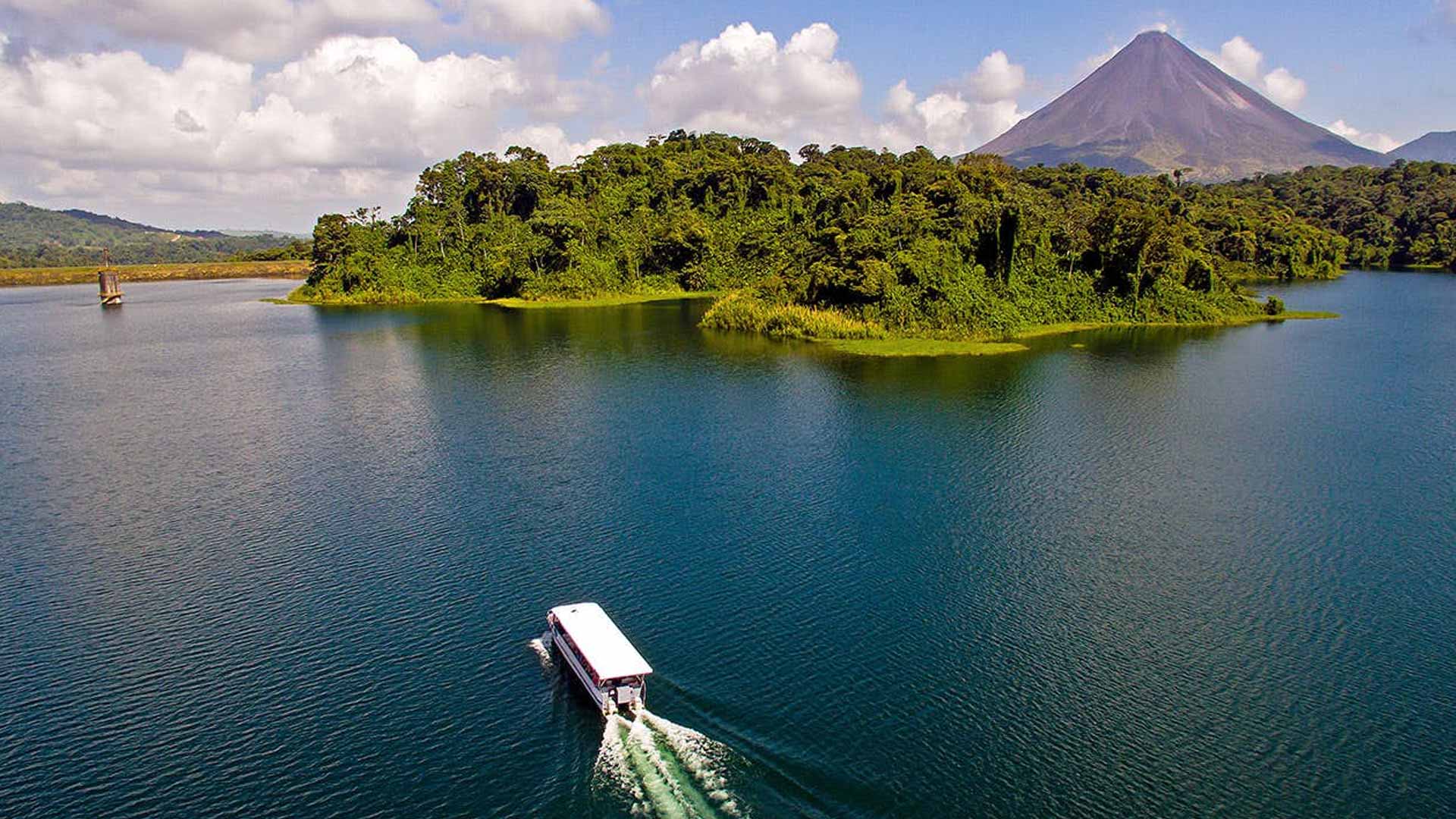
Arenal Volcano and Lake Arenal
Arenal Volcano and Lake Arenal shape one of northern Costa…
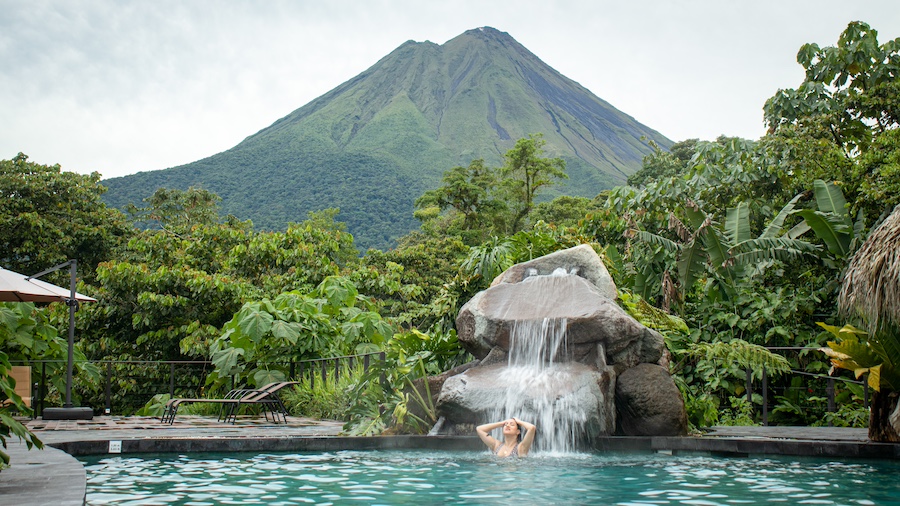
Best Hotels with Arenal Volcano Views
Choosing a hotel with a view of Arenal Volcano can make a stay in La Fortuna especially rewarding. On clear days, the volcano rises above the surrounding rainforest, creating one of Costa Rica's most recognizable landscapes. However, not every hotel offers the same view. Some properties have open terraces facing the volcano, while others provide glimpses through tropical gardens. Even within one resort, room orientation can make a difference. Weather is another important factor. Clouds frequently cover Arenal's summit, so no hotel can promise an unobstructed view throughout your stay. This guide compares the best hotels with Arenal Volcano views, explains their locations, and offers practical advice for booking the right room. Where Are the Best Arenal Volcano View Hotels Located? Arenal Volcano stands near La Fortuna in northern Costa Rica. It reaches approximately 1,670 meters (5,479 feet) above sea level. The volcano experienced a long eruptive period beginning in 1968. Its main eruptive activity ended in 2010, so visitors should not expect to see flowing lava. Today, the surrounding region includes rainforest reserves, thermal resorts, Lake Arenal, and Arenal Volcano National Park. Hotels are spread across several areas, each offering a different experience.…
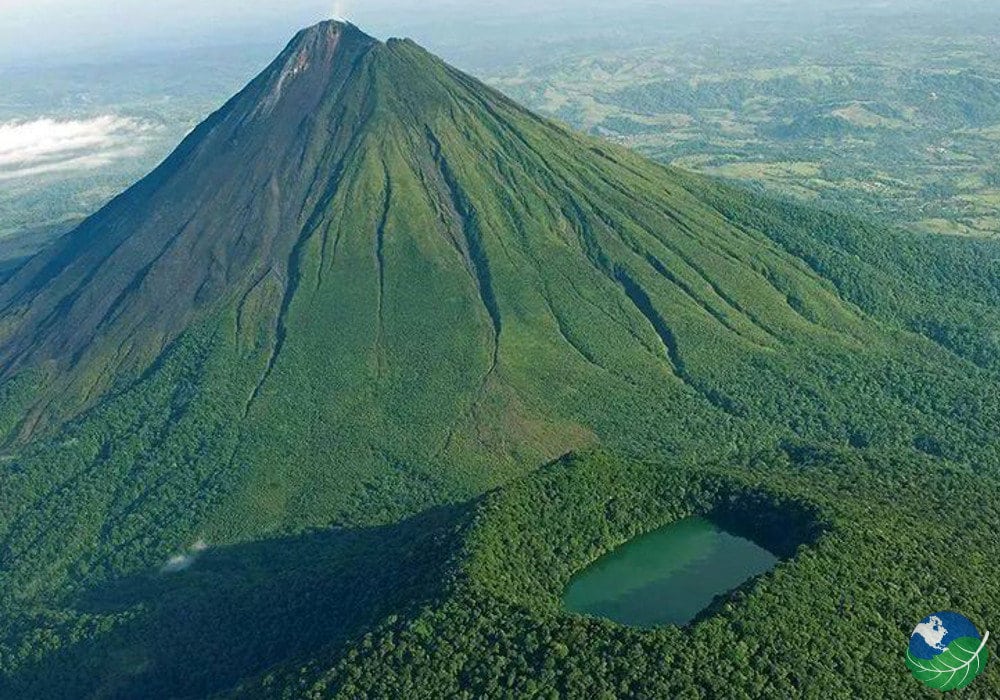
Arenal Volcano, Costa Rica: Complete Travel Guide
Arenal Volcano rises above the forests and farmland of northern…