Rainforest Trails, Wildlife & Geothermal Wonders in Northern Costa Rica
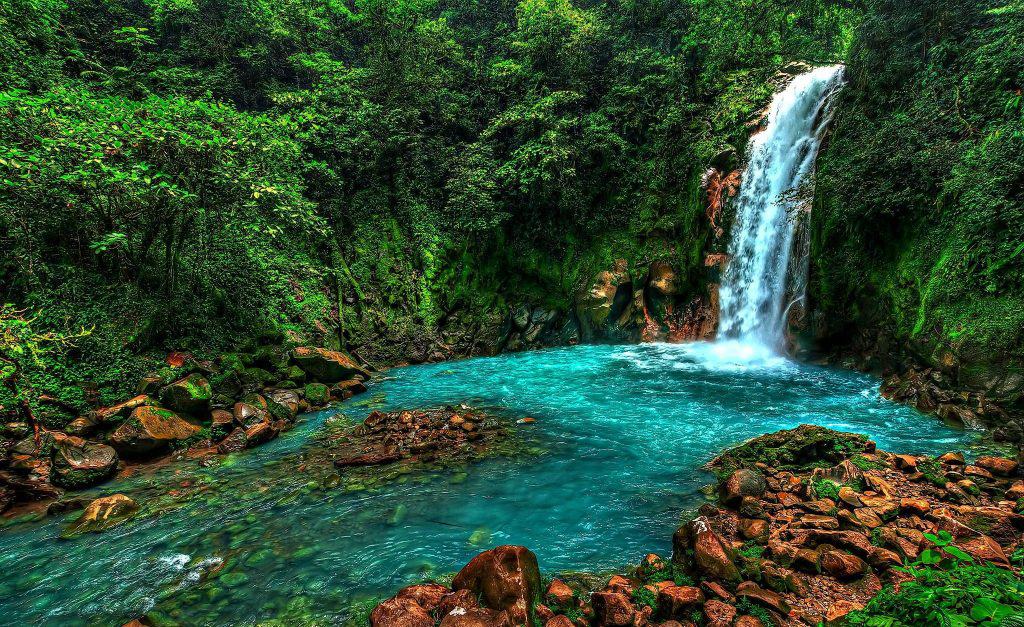
Most travelers visit Tenorio Volcano National Park for one reason: Río Celeste and its surreal turquoise waterfall.
But if you stop there, you miss the larger story.
Tenorio is not just home to a blue river. It is a protected volcanic ecosystem with primary rainforest, geothermal activity, cloud-forest transitions, and remarkable biodiversity — one of the most biologically rich yet underappreciated parks in northern Costa Rica.
This guide explores Tenorio Volcano National Park beyond Río Celeste, including its trails, wildlife, where to stay, and how to experience the park more deeply.
Overview: Where Is Tenorio Volcano National Park?
Tenorio Volcano National Park is located in northern Costa Rica near the rural town of Bijagua, about:
- 1–1.5 hours from La Fortuna
- 1.5–2 hours from Liberia (LIR)
- 3.5–4 hours from San José (SJO)
The park protects:
- Tenorio Volcano (inactive but geothermal)
- Primary and secondary rainforest
- Río Celeste and its tributaries
- Volcanic vents and bubbling thermal features
While Río Celeste is the visual icon, the park itself spans over 18,000 hectares of protected habitat.
Tenorio Volcano: The Geological Context
Tenorio Volcano is part of the Guanacaste Volcanic Cordillera. Unlike Arenal, Tenorio is less visually dominant but still geologically active underground.
Evidence of geothermal activity includes:
- Borbollones (bubbling river sections)
- Fumaroles (steam vents)
- Mineral-rich waterways
The volcanic chemistry in the park is what creates Río Celeste’s famous color at Los Teñideros — but that same geological energy shapes the entire landscape.
Park Trails & Hiking Overview
The main public trail in Tenorio Volcano National Park follows a linear route through rainforest, with multiple points of interest along the way.
Total distance (round trip):
6–7 km (3.7–4.3 miles)
Difficulty:
Moderate
Expect:
- Uneven forest terrain
- Roots and rocks
- Mud in the rainy season
- Steep staircase descent to the waterfall
Key Trail Stops (Beyond Just the Waterfall)
Laguna Azul (Blue Lagoon)
A calm stretch of vividly colored water upstream from the waterfall. Often quieter and less crowded.
Borbollones (Geothermal Bubbling)
Here you can observe gases escaping from underground volcanic activity, creating visible bubbling in the river.
It’s a reminder that Tenorio is still geothermally alive.
Los Teñideros
The scientific highlight of the park is where two clear rivers merge and instantly turn turquoise due to mineral light scattering.
Biodiversity: What Makes Tenorio Special
Tenorio sits at the ecological crossroads between lowland rainforest and cloud forest systems.
The result: exceptional biodiversity.
Wildlife You May See
- Howler monkeys
- White-faced capuchin monkeys
- Sloths (less common but possible)
- Coatis
- Toucans
- Motmots
- Morphos (blue butterflies)
- Tree frogs
Early-morning guided hikes significantly increase wildlife-spotting opportunities.
Birdwatching Opportunities
The Bijagua region is considered a birdwatching hotspot.
Species may include:
- Keel-billed toucan
- Emerald toucanet
- Trogons
- Tanagers
- Oropendolas
Staying overnight near the park allows for early forest bird activity.
Best Things to Do Beyond the Waterfall
If you’re staying overnight, don’t limit your experience to the main trail.
Guided Night Walks (Outside the Park)
Local eco-lodges offer night tours to spot:
- Frogs
- Insects
- Nocturnal mammals
- Reptiles
The rainforest transforms after dark.
Birdwatching Tours in Bijagua
Private reserves near the park offer quieter trails and excellent early-morning sightings.
Cultural Encounters in Rural Communities
The Bijagua area remains agricultural and community-oriented. Small-scale farms and family-run lodges create a more grounded experience than larger tourism hubs.
Combine with the Arenal Volcano
Tenorio pairs beautifully with:
- Arenal Volcano National Park
- La Fortuna hot springs
- Lake Arenal scenic drives
The contrast between Arenal’s volcanic cone and Tenorio’s dense rainforest enriches your itinerary.
Where to Stay Near Tenorio Volcano National Park
The area around Bijagua offers intimate, nature-focused accommodations.
Celeste Mountain Lodge
Known for:
- Birdwatching
- Elevated volcano views
- Strong sustainability focus
Hideaway Río Celeste
Jungle setting with comfortable cabins and abundant wildlife.
Tenorio Lodge
Family-friendly cabins in a quiet rural environment.
Staying nearby allows:
- Early park entry
- Quieter experience
- Greater wildlife activity
Many travelers choose to stay 1 night between La Fortuna and Guanacaste.
Seasonal Considerations
Dry Season (December–April)
- More stable trail conditions
- Stronger Río Celeste color
- Less mud
- More visitors
Best for first-time travelers prioritizing visuals.
Green Season (May–November)
- Lush forest
- Fewer crowds
- Afternoon rain common
- Muddy sections likely
September and October typically bring the heaviest rainfall.
Morning visits are recommended year-round.
Safety & Practical Tips
- Wear proper hiking shoes (no sandals).
- Bring water — there are no services inside the park.
- Start early to avoid heat and crowds.
- Do not swim in protected river sections.
- Respect wildlife and stay on marked trails.
The park is well managed, but it remains a wild rainforest environment.
Who is the Tenorio Volcano National Park best for
Nature & Wildlife Enthusiasts
Those who appreciate biodiversity beyond a single waterfall.
Families with Active Kids
School-age children are comfortable with moderate hikes.
Independent Travelers
Visitors are comfortable with rental cars and rural destinations.
Photographers
Especially during stable weather conditions.
Why Tenorio Deserves More Than a Quick Stop
Río Celeste may be the headline, but Tenorio Volcano National Park is the full story.
It is a living system shaped by underground heat, mineral chemistry, rainfall, and forest regeneration. The waterfall is its most photogenic chapter.
If you slow down, stay overnight, and explore beyond the main viewpoint, Tenorio reveals a quieter, more immersive experience than many better-known Costa Rica parks.
Not just a blue river — but a rainforest shaped by fire beneath the earth.