If you’re traveling to the Osa Peninsula, there’s a strong chance one experience sits at the top of your list: Corcovado National Park.
Often described as one of the most biologically intense places on Earth, Corcovado protects the largest remaining tract of Pacific lowland tropical rainforest in Central America. And Drake Bay is one of the primary gateways for accessing it.
But visiting Corcovado is not a casual walk in the park. It requires permits, certified guides, early departures, and realistic expectations about weather and wildlife.
Here’s exactly what to expect when visiting Corcovado National Park from Drake Bay.
Overview: Why Corcovado Is So Special
Located on the remote Osa Peninsula, Corcovado National Park spans over 160 square miles (424 km²) of protected rainforest, rivers, beaches, and primary jungle.
It is home to:
- Baird’s tapirs
- Scarlet macaws
- Four monkey species
- Sloths
- Peccaries
- Hundreds of bird species
- Rare jaguars (very rarely seen)
Drake Bay provides access to the San Pedrillo and Sirena sectors — both reachable by boat.
For a broader overview of the region, see:
Guided Access Is Required
Corcovado is not a self-guided park.
Important:
All visitors must enter with a licensed guide. Permits are limited daily and must be reserved in advance through authorized operators.
This regulation protects:
- Sensitive ecosystems
- Wildlife
- Visitor safety
Most lodges in Drake Bay arrange tours directly.
If you’re still planning logistics, start here:
How to Get to Drake Bay (Flight vs Boat vs 4×4)
What a Typical Day Tour Looks Like
Most visitors choose a full-day guided tour to Corcovado from Drake Bay.
Early Morning Departure
- 5:30–6:00 AM boat departure
- 30–60 minute coastal ride (depending on sector)
Guided Rainforest Hike
- 3–6 hours of hiking
- Wildlife tracking with a certified naturalist
- Breaks for hydration and lunch
Afternoon Return by Boat
Expect a full, physically active day.
San Pedrillo vs Sirena: What’s the Difference?
San Pedrillo Sector (Closer to Drake Bay)
- Shorter boat ride
- Moderate hiking
- Excellent for waterfalls and coastal rainforest
- Slightly less wildlife density than Sirena
Good option for families and moderate hikers.
Sirena Sector (Deeper Wilderness)
- Longer boat transfer
- Flatter trails
- Higher wildlife density
- Best chance for tapir sightings
Sirena is considered the park’s wildlife hotspot.
Your lodge can recommend the right sector based on your fitness level and goals.
Wildlife Spotting: What You May See
Corcovado is wildlife-dense, but sightings are never guaranteed.
Common sightings include:
- Scarlet macaws flying overhead.
- Howler, spider, capuchin, and squirrel monkeys
- Sloths
- Coatis
- White-lipped peccaries
- Iguanas
More elusive but possible:
- Tapirs (especially at Sirena)
- Puma tracks
- Rare jaguar presence (very rare visual sightings)
Birders may spot toucans, trogons, and hawks.
For marine wildlife experiences, consider:
Physical Demands & Trail Conditions
Corcovado is humid, hot, and often muddy.
Expect:
- Uneven terrain
- Roots and exposed soil
- High humidity
- River crossings (seasonal)
Hiking difficulty varies by sector but generally falls into the moderate category.
Bring:
- Lightweight hiking shoes
- Breathable clothing
- Sun protection
- Insect repellent
- Refillable water bottle
This is not a paved or manicured park.
Where to Stay for Corcovado Access
Most visitors stay in Drake Bay for Corcovado tours.
Options range from:
- Eco-lodges with guided packages
- Jungle cabins
- Boutique wilderness resorts
Many properties offer all-inclusive options that include Corcovado excursions.
If you’re deciding whether the journey is worth it, see:
Safety & Weather Considerations
Weather
Dry Season (December–April):
- More predictable trail conditions
- Easier hiking
- Higher visitor demand
Green Season (May–November):
- Lush rainforest
- Fewer crowds
- Afternoon rain common
- Trails muddier
September and October bring the heaviest rainfall.
Check seasonal timing here:
Ocean Conditions
Boat transfers may be affected by:
- Rough Pacific swells
- Tide timing
- Sudden storms
Listen carefully to your captain’s safety instructions.
Health & Safety
Corcovado is remote:
- Limited medical access
- High heat and humidity
- Wildlife encounters possible
Travel insurance is strongly recommended.
Hydration and pacing are critical.
Is Visiting Corcovado from Drake Bay Worth It?
If your goal is:
- Experiencing one of the most biodiverse rainforests in the world
- Seeing wildlife in a protected, low-density environment
- Immersing yourself in true tropical wilderness
Then yes — a Corcovado National Park tour from Drake Bay is absolutely worth it.
If you prefer:
- Short, easy walks
- Highly structured infrastructure
- Guaranteed wildlife sightings
You may find it demanding.
Final Thoughts
Corcovado is not about comfort.
It’s about immersion.
You wake before sunrise. You board a small boat. You step off onto a wild beach backed by primary rainforest. The air is thick. Macaws scream overhead.
And then you walk.
For many travelers, it becomes the defining experience of Costa Rica — not because it is easy, but because it feels untamed.
If you’re already in Drake Bay, Corcovado isn’t just an option.
It’s the reason you came.
Related Posts
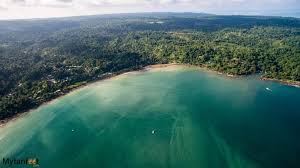
Is Drake Bay Too Remote? What Travelers Should Know
Drake Bay sits on the edge of Costa Rica’s Osa…
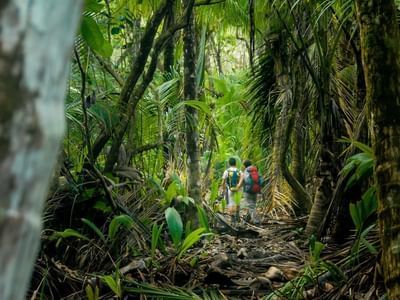
Is Corcovado Safe? What Travelers Should Know
Corcovado National Park has a reputation for being wild, remote,…
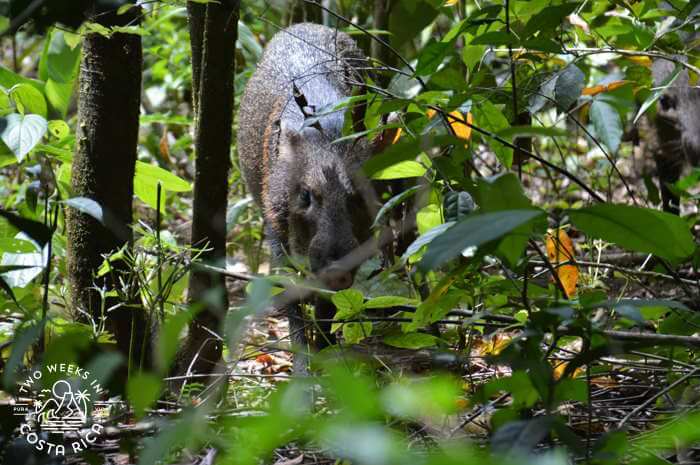
Wildlife You Can See in Corcovado National Park
A Complete Corcovado Wildlife Guide If you are visiting Corcovado…