If your Costa Rica itinerary includes the Osa Peninsula, there’s one experience that perfectly complements a visit to Corcovado National Park: Caño Island snorkeling from Drake Bay.
While Corcovado showcases the region’s incredible rainforest biodiversity, Caño Island Biological Reserve reveals a completely different world beneath the Pacific. Located about 20 kilometers (12 miles) offshore, this protected marine reserve is widely considered one of the best snorkeling destinations on Costa Rica’s Pacific coast thanks to its healthy coral reefs, abundant marine life, and remarkably clear water during much of the year.
Whether you’re an experienced snorkeler or trying it for the first time, a trip to Caño Island offers an unforgettable opportunity to explore one of the country’s richest marine ecosystems.
Why Caño Island Is Worth Visiting
Caño Island Biological Reserve is one of Costa Rica’s most important marine protected areas.
Unlike many coastal destinations where fishing and development have affected marine habitats, the waters surrounding Caño Island remain carefully protected. Consequently, coral communities are healthier, fish populations are more abundant, and marine wildlife encounters are far more common than in many other parts of the Pacific coast.
The island itself is uninhabited and managed for conservation. Visitors cannot freely explore it, and all excursions operate under strict environmental regulations designed to preserve both the marine reserve and the archaeological sites found on the island.
Because of these protections, snorkeling here feels remarkably natural and uncrowded.
Marine Life You May See
Every trip is different, but Caño Island consistently offers some of the best wildlife encounters in Costa Rica’s Pacific waters.
During a typical snorkeling excursion, you may encounter:
- Sea turtles
- White-tip reef sharks
- Spotted eagle rays
- Moray eels
- Parrotfish
- Angelfish
- Surgeonfish
- Pufferfish
- Snapper
- Large schools of tropical reef fish
Meanwhile, dolphins are frequently seen during the boat ride, especially in calm conditions.
Depending on the season, humpback whales may also appear during the journey to or from the island.
What a Typical Tour Looks Like
Most Caño Island snorkeling from Drake Bay tours begin early in the morning.
After meeting your guide, you’ll board a small boat for the 45 to 60-minute journey across the Pacific. During the ride, guides often point out seabirds, dolphins, and seasonal whale activity while explaining the reserve’s history and conservation efforts.
Once you arrive, the captain selects snorkeling sites based on current ocean conditions, visibility, tides, and marine activity.
Most tours include:
- Two guided snorkeling sessions
- Snorkeling equipment
- Certified guide
- Boat transportation
- Fresh fruit or snacks
- Lunch (depending on the operator)
The entire excursion usually lasts between four and six hours before returning to Drake Bay in the afternoon.
Where to Stay for Easy Access
Because departures begin early, staying in Drake Bay makes the experience much more convenient.
Most eco-lodges coordinate snorkeling tours directly with local operators, allowing guests to leave from nearby beaches without arranging additional transportation.
Accommodation options range from simple jungle cabins to upscale eco-lodges overlooking the Pacific.
Many properties also combine Caño Island excursions with guided Corcovado tours, making itinerary planning much easier.
When Is the Best Time to Snorkel?
Although tours operate throughout much of the year, conditions vary by season.
Dry Season (December to April)
This is generally considered the best period for snorkeling.
Visitors can often expect:
- Better underwater visibility
- Calmer seas
- More predictable weather
- Comfortable boat conditions
Because this is also the busiest travel season, booking tours well in advance is recommended.
Green Season (May to November)
The rainy season brings lush rainforest and fewer visitors.
Visibility can fluctuate depending on rainfall and ocean conditions. However, many mornings still provide excellent snorkeling opportunities.
Additionally, whale watching peaks between July and October, allowing some visitors to combine two incredible wildlife experiences in one excursion.
Safety and Ocean Conditions
Unlike sheltered bays, Caño Island lies in open Pacific waters.
As a result, ocean conditions can change quickly.
Professional operators constantly monitor:
- Swell size
- Currents
- Visibility
- Weather forecasts
Safety equipment is provided, and guides carefully supervise each snorkeling session.
If you’re prone to motion sickness, consider taking preventative medication before boarding the boat.
Likewise, always follow your guide’s instructions and remain within designated snorkeling areas.
Is It Suitable for Families?
For many families, Caño Island becomes one of the highlights of an Osa Peninsula vacation.
However, the experience is best suited to:
- Confident swimmers
- Older children comfortable in open water
- Families looking for active outdoor experiences
Very young children or travelers who feel uncomfortable in deeper water may prefer wildlife experiences closer to shore.
If you’re uncertain, discuss your experience level with your tour operator before booking.
Pairing Caño Island with Corcovado
Many travelers combine rainforest and marine adventures during the same stay.
A popular itinerary looks like this:
Day 1: Arrive in Drake Bay and explore the coastline.
Day 2: Guided tour of Corcovado National Park.
Day 3: Snorkeling excursion to Caño Island.
Day 4: Whale watching, birdwatching, or a relaxed beach day.
This combination allows visitors to experience both the terrestrial and marine biodiversity that makes the Osa Peninsula so extraordinary.
Who Will Enjoy This Experience Most?
Caño Island snorkeling is an excellent choice for travelers who:
- Enjoy marine wildlife.
- Want to snorkel without scuba certification.
- Appreciate protected natural areas.
- Are building a wildlife-focused Costa Rica itinerary.
- Want to balance rainforest hikes with ocean adventures.
On the other hand, travelers expecting extensive Caribbean-style coral reefs or completely calm lagoon conditions may find the Pacific environment different from what they imagined.
The emphasis here is biodiversity, not tropical resort snorkeling.
Final Thoughts
Caño Island snorkeling from Drake Bay offers one of Costa Rica’s finest marine wildlife experiences.
One day, you may be hiking through Corcovado while scarlet macaws fly overhead. The next, you’re floating above coral reefs as sea turtles, rays, and reef fish glide beneath you.
Very few places allow visitors to experience such extraordinary rainforest and marine biodiversity within the same trip.
For travelers exploring the Osa Peninsula, Caño Island isn’t simply an optional excursion.
It’s one of the experiences that makes Drake Bay truly unforgettable.
Related Posts
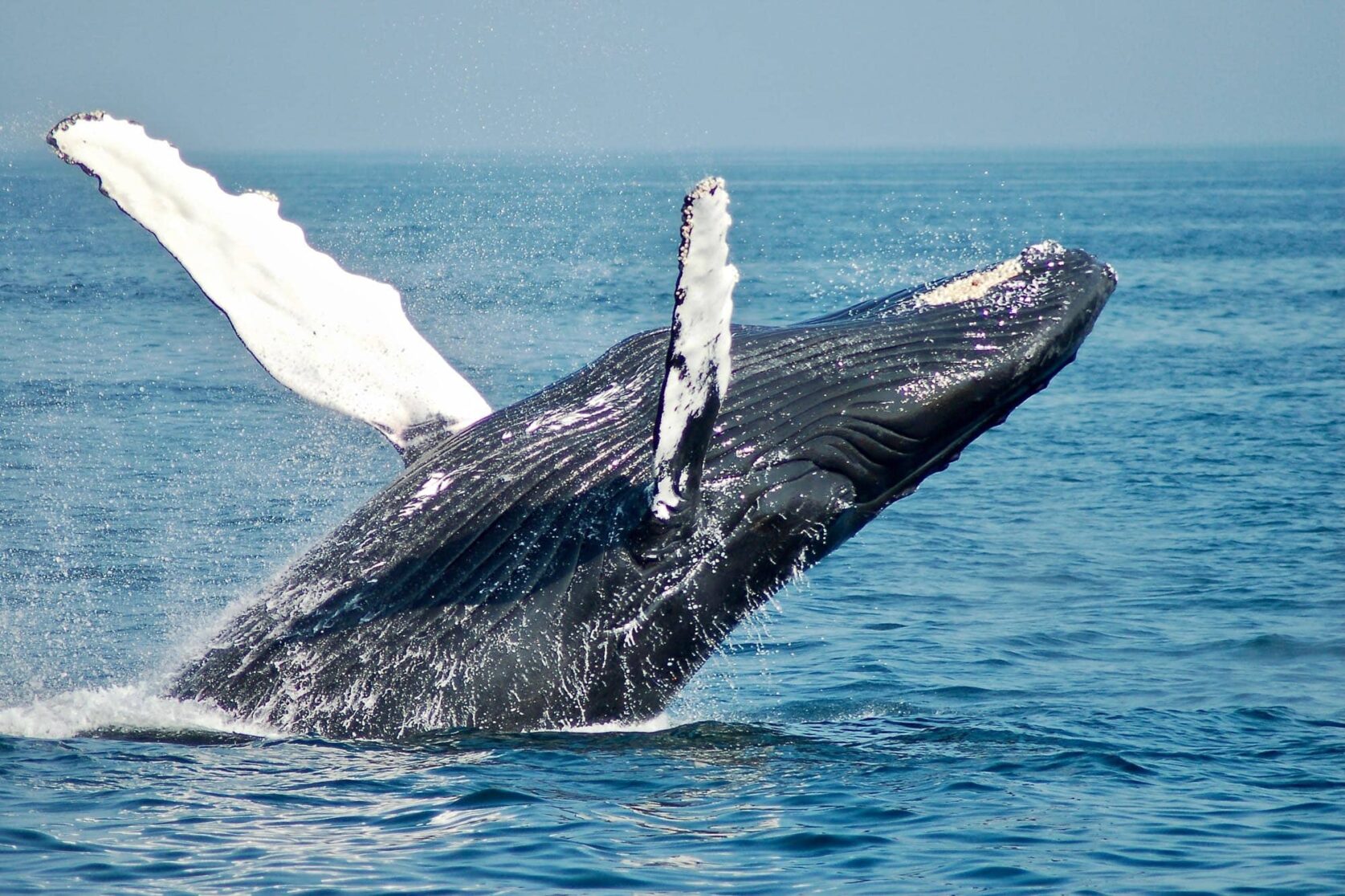
Whale Watching in Drake Bay: When & What You’ll See on Costa Rica’s Osa Peninsula
If you're planning a wildlife-focused trip to Costa Rica's Osa…
Drake Bay, Costa Rica: The Complete Travel Guide to Costa Rica’s Wild Gateway to the Osa Peninsula
If you're searching for one of the last places in…
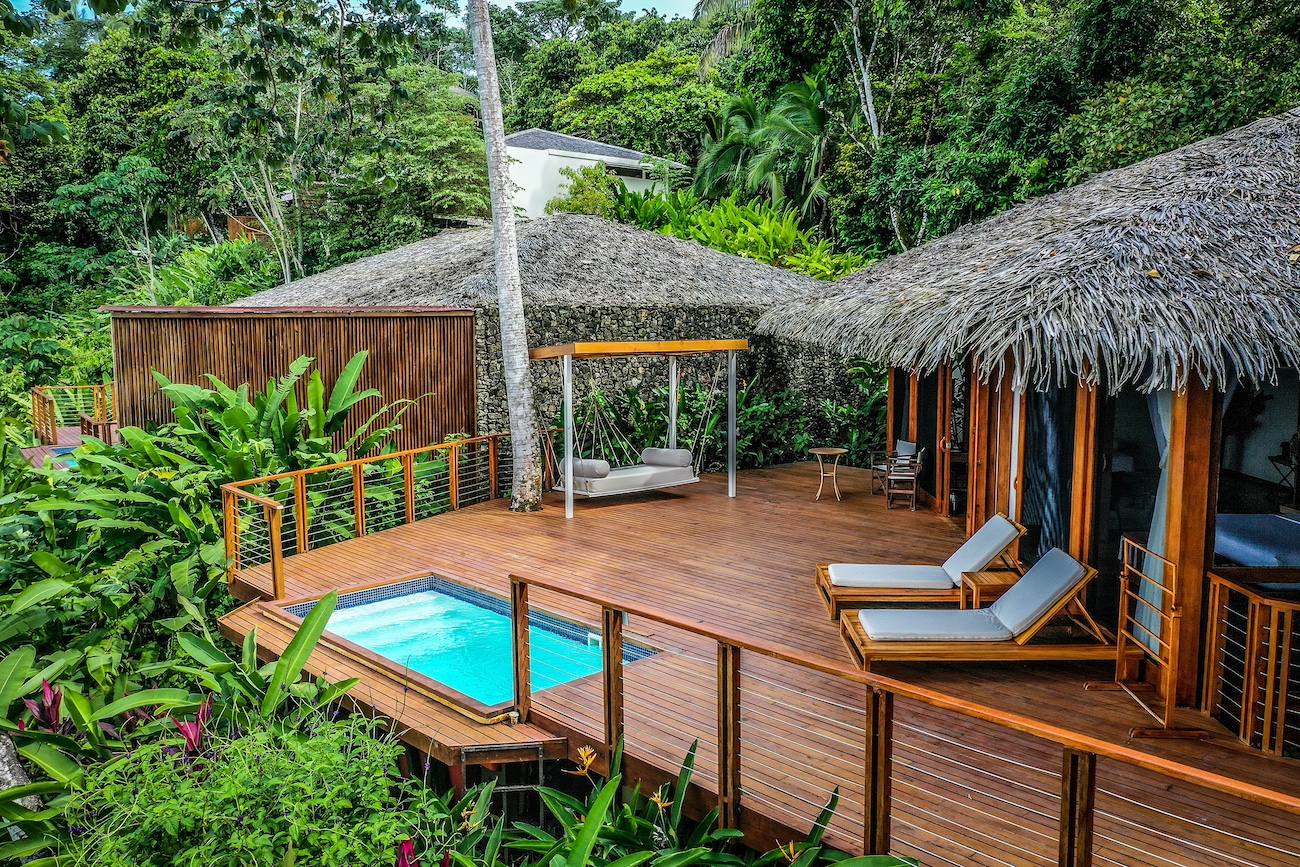
Best Luxury Eco-Lodges in Drake Bay
Sustainable High-End Stays on Costa Rica’s Osa Peninsula Drake Bay…