If you’re planning a wildlife-focused trip to Costa Rica’s Osa Peninsula, whale watching in Drake Bay deserves a place at the top of your itinerary. While the region is famous for Corcovado National Park and Caño Island Biological Reserve, the Pacific waters surrounding Drake Bay become home to one of nature’s most remarkable migrations twice each year.
Unlike many whale-watching destinations that offer only a short viewing season, Drake Bay welcomes humpback whales from both the Northern and Southern Hemispheres. As a result, visitors have an unusually long opportunity to witness these magnificent marine mammals in their natural environment.
Whether you’re traveling specifically for whale season or adding a marine excursion to your rainforest adventure, this guide explains everything you need to know before booking a tour.
Why Drake Bay Is One of Costa Rica’s Best Whale Watching Destinations
Drake Bay sits along the remote Pacific coastline of the Osa Peninsula, an area known for extraordinary biodiversity both on land and at sea.
The protected waters near Corcovado National Park and Caño Island provide ideal conditions for humpback whales to rest, breed, and raise their calves during their annual migrations. Because tourism remains relatively low compared to other destinations, whale watching here often feels more intimate and less crowded.
Moreover, many visitors combine a whale tour with snorkeling, birdwatching, or a guided rainforest hike, creating one of Costa Rica’s most complete wildlife itineraries.
Whale Season in Drake Bay
One of the biggest advantages of whale watching in Drake Bay is the unusually long viewing season.
Northern Hemisphere Migration (December to April)
Humpback whales travel thousands of miles from:
- Alaska
- British Columbia
- The Pacific Northwest
They arrive in Costa Rica’s warm tropical waters to mate and give birth.
Peak sightings generally occur between January and March, when mothers and calves are commonly observed.
Southern Hemisphere Migration (July to October)
Later in the year, a second population arrives from:
- Antarctica
- Southern Chile
Peak whale activity typically occurs during August and September.
Few destinations worldwide experience two separate humpback whale migrations, making Drake Bay particularly special for wildlife enthusiasts.
What You Might See
Every excursion is different, but humpback whales are the stars of the experience.
During a tour, you may observe:
- Powerful blows as whales surface to breathe
- Tail flukes before deep dives.
- Breaching
- Pectoral fin slapping
- Mothers swimming alongside calves
Although dramatic breaches receive the most attention, they are never guaranteed. Fortunately, whales often spend considerable time near the surface, providing excellent viewing opportunities.
In addition to whales, tours frequently encounter:
- Bottlenose dolphins
- Spinner dolphins
- Sea turtles
- Flying fish
- Frigatebirds and other seabirds
Because marine wildlife is unpredictable, every trip offers a unique experience.
What to Expect on a Tour
Most whale watching in Drake Bay excursions begin early in the morning when ocean conditions are generally calmer.
A typical tour includes:
- Comfortable covered boat
- Licensed captain
- Naturalist guide
- Wildlife interpretation
- Approximately 2–3 hours on the water
Guides monitor whale activity while following strict conservation regulations designed to minimize disturbance.
Responsible operators maintain appropriate viewing distances and never chase whales or interfere with their natural behavior.
Where to Stay Before Your Tour
Since tours depart directly from Drake Bay, spending at least one night in the area is highly recommended.
Accommodation options include:
- Eco-lodges surrounded by rainforest
- Boutique jungle hotels
- Beachfront cabins
- Sustainable wilderness resorts
Many properties can arrange whale watching tours, Corcovado excursions, and Caño Island snorkeling through trusted local operators.
Best Time to Visit
The best time depends on which migration you’d like to experience.
Dry Season (December to April)
The dry season offers:
- Northern Hemisphere humpback whales
- Generally calmer ocean conditions
- More reliable weather
- Easier travel logistics
This is also the busiest tourism season, so booking in advance is recommended.
Green Season (May to November)
The rainy season brings:
- Southern Hemisphere humpback whales
- Lush rainforest landscapes
- Fewer visitors
- Excellent wildlife viewing
Although afternoon rain becomes more common, many mornings remain ideal for boat excursions.
Safety and Ocean Conditions
Whale watching tours operate in open Pacific waters so that conditions can vary from day to day.
Before departing, remember to:
- Wear reef-safe sunscreen
- Bring sunglasses and a hat.
- Carry plenty of water.
- Protect cameras from sea spray.
- Consider motion sickness medication if needed.
Tour departures may occasionally be postponed if weather or sea conditions make navigation unsafe.
For this reason, scheduling your whale tour early in your stay provides flexibility if rescheduling becomes necessary.
Pairing Whale Watching with Other Wildlife Experiences
Many travelers spend several days exploring the Osa Peninsula, combining different ecosystems into one unforgettable itinerary.
A popular schedule includes:
Day 1: Arrive in Drake Bay.
Day 2: Explore Corcovado National Park.
Day 3: Snorkel at Caño Island Biological Reserve.
Day 4: Enjoy a whale watching excursion.
This combination showcases both the incredible rainforest biodiversity and the rich marine life that make the region unique.
Is Whale Watching in Drake Bay Worth It?
Whale watching is an excellent choice for travelers who:
- Visit during migration season.
- Enjoy wildlife photography
- Prefer small-group nature experiences.
- Want to experience both rainforest and ocean ecosystems.
- Appreciate conservation-focused tourism
However, travelers visiting outside migration periods or expecting guaranteed whale behavior should remember that these are completely wild animals.
Every encounter depends on nature.
Final Thoughts
Whale watching in Drake Bay is not simply another boat excursion.
It’s an opportunity to witness one of the world’s longest animal migrations in one of Costa Rica’s most pristine marine environments.
One moment rainforest-covered mountains surround you—the next, a humpback whale surfaces beside the boat before disappearing into the deep Pacific.
Combined with Corcovado National Park and Caño Island, whale watching completes one of the most extraordinary wildlife itineraries in Costa Rica.
For travelers visiting during migration season, it’s an experience that stays with you long after you’ve left the Osa Peninsula.
Related Posts
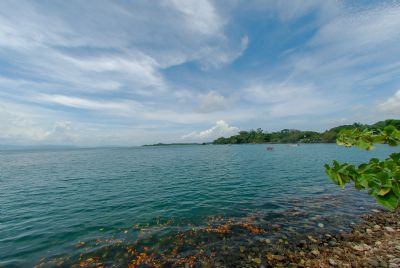
Puerto Jiménez vs Drake Bay: Which Is Better for Visiting Corcovado National Park?
If you're planning a trip to Corcovado National Park, one of…
Is Drake Bay Too Remote? What Travelers Should Know
Drake Bay sits on the edge of Costa Rica’s Osa…

Domestic Flights in Costa Rica: When Flying Makes More Sense Than Driving
Costa Rica looks small on a map. It is roughly…