Learning how to visit Corcovado National Park is more complicated than planning a day at most national parks in Costa Rica. You cannot simply arrive, buy a ticket, and begin walking. Corcovado sits on the remote Osa Peninsula, where limited access helps protect one of Central America’s most important rainforest ecosystems.
Before your trip, you need to choose a park sector, arrange admission, confirm transportation, and work with an authorized guide or tour operator. You should also select either Drake Bay or Puerto Jiménez as your base, since each town provides access to different parts of the park.
Although the logistics require planning, they also prevent Corcovado from becoming an overcrowded attraction. Once you enter, the roads, resorts, and busy towns disappear. Instead, you find rainforest, wild beaches, river systems, and habitat for tapirs, monkeys, scarlet macaws, peccaries, and many other species.
Start by Choosing Your Gateway
Most visitors enter the region through either Drake Bay or Puerto Jiménez. The better option depends on the type of experience you want rather than which town is universally easier.
Drake Bay sits on the northwestern side of the Osa Peninsula. From there, boats commonly travel to Sirena or San Pedrillo. Therefore, Drake Bay works especially well for day tours and trips that combine rainforest hiking with snorkeling, diving, or whale watching.
Puerto Jiménez lies on the Golfo Dulce side of the peninsula. It provides road connections toward Carate and the La Leona entrance, as well as access to longer overland routes. As a result, it often suits serious hikers and travelers planning a more independent Osa itinerary.
Do You Need a Corcovado National Park Permit?
Yes. Corcovado controls visitor access, and you must arrange admission before entering.
The park has several official sectors, including Sirena, San Pedrillo, La Leona, Los Patos, Los Planes, and El Tigre. Since each sector manages its own access, trails, and capacity, your reservation must match the place you plan to visit. SINAC currently lists Corcovado’s public hours as 7:00 a.m. to 3:00 p.m., although individual services and sector schedules may differ.
In practice, most international visitors do not arrange admission separately. Instead, a lodge or authorized tour company coordinates the entrance, guide, transportation, and meals as one package. This approach reduces the chance of booking a permit for the wrong sector or missing a required connection.
Because reservation procedures and availability can change, confirm the current process through the official SINAC Corcovado National Park information before paying an operator.
Are Guides Required?
Corcovado should not be treated as a self-guided hiking park.
Official visitor materials have long directed travelers to enter with an authorized guide. At the same time, the current SINAC park page states that visitors should enter through official access points and preferably with a tourism guide registered with the protected area’s reservation office. Because the wording and booking procedures have changed over time, the safest approach is to arrange a registered guide for every visit.
A knowledgeable guide does more than meet an administrative requirement. Dense rainforest makes wildlife difficult to find without trained eyes. Guides identify calls, tracks, feeding signs, and movement in the canopy that most visitors would miss.
They also understand tides, river conditions, trail closures, and wildlife safety. Therefore, a good guide can improve both the quality and security of the experience.
How Far in Advance Should You Book?
Book as early as possible, especially from December through April.
Older official materials recommended booking several months ahead, while other Costa Rica Tourism Board guidance has referenced shorter advance periods. Since capacity changes by station, season, and tour type, there is no single reliable booking window for every visit.
For peak-season travel, begin contacting lodges or operators as soon as your dates are firm. Overnight space at Sirena is especially limited, while popular day tours from Drake Bay can also fill quickly.
Before confirming, ask the operator to specify what the price includes. Ideally, the booking should clearly state:
- Park admission
- Registered guide
- Boat or road transportation
- Meals and drinking water arrangements
- Sirena lodging, when applicable
- Cancellation rules for unsafe weather
Choosing the Right Park Sector
Your entrance determines the length, difficulty, scenery, and wildlife focus of the trip.
Sirena for Wildlife and First-Time Visitors
Sirena is Corcovado’s central station and one of its most requested sectors. The surrounding trail network is relatively flat, which allows guides to spend more time searching for animals instead of completing one long route.
Visitors may encounter tapirs, monkeys, coatis, peccaries, crocodiles, and scarlet macaws. However, no responsible guide will guarantee a particular species.
Sirena can be reached by sea from Drake Bay, Puerto Jiménez, or Sierpe. It can also be reached on foot from La Leona or Los Patos, although those routes require many hours of hiking.
San Pedrillo for Forest, Coast and Waterfalls
San Pedrillo is closer to Drake Bay and has trails leading through rainforest, rivers, and waterfall areas. SINAC lists routes including Catarata, Río Pargo Arriba, Río Pargo Abajo, and Llorona.
The shorter boat ride can make San Pedrillo attractive to travelers who are sensitive to open-water motion. Meanwhile, the varied landscape creates a rewarding day even when large mammals remain hidden.
However, seasonal access can change. Official route information has noted annual closures affecting San Pedrillo, so verify its operating status for your exact travel dates.
La Leona for Coastal Hiking
La Leona is the main land entrance and is usually approached from Carate after traveling south from Puerto Jiménez.
The sector follows a linear coastal route and forms part of the longer hike toward Sirena. SINAC describes the journey from La Leona to Sirena as approximately six hours under normal conditions.
Although officially considered moderate, the combination of distance, heat, humidity, and exposed beach sections can make it demanding. Therefore, this option is better for active travelers than for visitors seeking a short wildlife walk.
Los Patos and Other Less-Visited Entrances
Los Patos provides access through higher and more irregular terrain. Depending on weather, reaching the entrance may involve rough roads, river conditions, or additional walking.
Los Planes and El Tigre offer alternatives outside the most common Sirena–San Pedrillo circuit. El Tigre reservations follow a separate community-based process through the local conservation association.
These entrances can be excellent, but they require careful coordination with someone who knows current conditions.
Visiting from Drake Bay
From Drake Bay, most Corcovado tours begin before sunrise.
Guests usually walk onto the beach and board a small boat rather than leaving from a conventional marina. Therefore, wear footwear that can get wet and protect phones, cameras, and documents inside a dry bag.
The trip to San Pedrillo is shorter, while the journey to Sirena can take an hour or longer depending on the departure point and ocean conditions. After landing, the group hikes for several hours before returning by boat in the afternoon.
Visiting from Puerto Jiménez
Puerto Jiménez offers more overland flexibility.
For La Leona, travelers usually arrange transportation toward Carate and then walk along the beach to the entrance. Official SINAC directions describe an additional walk of roughly one hour from Carate to the station.
Puerto Jiménez also works as a staging point for longer guided routes and visits to less-used sectors. Moreover, the town has supermarkets, pharmacies, restaurants, and other practical services that help travelers prepare before entering remote areas.
Where to Stay
Drake Bay offers eco-lodges, jungle cabins, and boutique properties that frequently bundle meals, boat transfers, and guided excursions. This can make the planning process easier, especially for first-time visitors.
Puerto Jiménez provides more independent hotels, guesthouses, restaurants, and road access. Consequently, it often works better for travelers who want flexibility or a longer Osa Peninsula itinerary.
For the most immersive option, spend a night at Sirena. Accommodation is simple and structured around set meals and park rules. However, staying inside Corcovado gives you access to the quieter early-morning and late-afternoon hours when many animals become more active.
What to Pack
Pack lightly because you will carry your belongings during the hike.
Wear breathable clothing and lightweight hiking shoes with reliable grip. In addition, bring a refillable water bottle, insect repellent, reef-safe sunscreen, rain protection, and a waterproof bag for electronics.
Binoculars significantly improve wildlife viewing. A camera with a zoom lens is also more useful than a wide lens because animals often remain high in the canopy or far from the trail.
Avoid bringing unnecessary food, plastic, or heavy equipment. Your tour operator should explain current park restrictions before departure.
Plan Around the Seasons
From December through April, drier conditions generally make trails easier and boat transfers more predictable. However, this is also the busiest period.
Between May and November, the rainforest becomes greener, and visitor numbers fall. At the same time, trails grow muddier, afternoon rain becomes more frequent, and ocean conditions may disrupt boat tours.
September and October typically bring the heaviest rainfall. Sirena is listed as closed throughout October for rain and maintenance, while access to other sectors may also change.
Is the Planning Worth It?
Learning how to visit Corcovado National Park takes time because the park protects something increasingly rare.
Permits limit pressure on the trails. Guides help visitors move safely through a remote environment. Structured entrances reduce damage to wildlife habitat. Although these controls make the trip less spontaneous, they also preserve the wilderness travelers come to experience.
Corcovado is hot, humid, and unpredictable. You may walk for hours without seeing the animal you hoped to photograph. Then, without warning, a tapir may cross the trail, monkeys may begin calling overhead, or scarlet macaws may fly above an empty beach.
Plan early. Choose the entrance that matches your fitness and interests. Most importantly, reserve through an authorized guide or established operator and verify the current rules with SINAC.
The logistics are part of the journey. Beyond them lies one of the most extraordinary protected landscapes in Costa Rica.
Related Posts
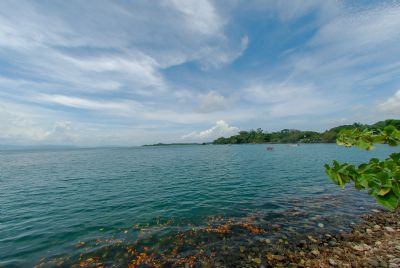
Puerto Jiménez vs Drake Bay: Which Is Better for Visiting Corcovado National Park?
If you're planning a trip to Corcovado National Park, one of…
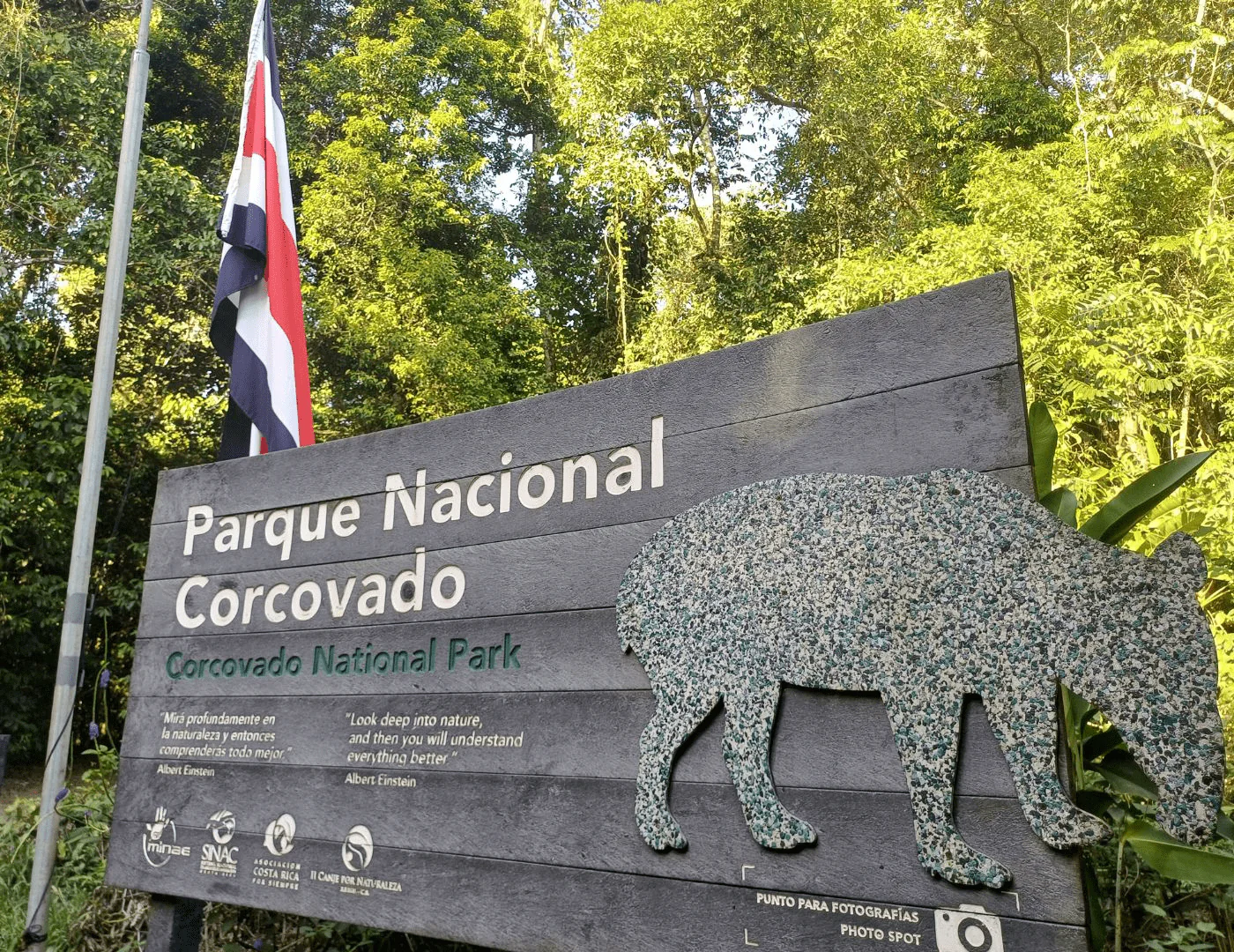
Wildlife Rescue Centers Near Corcovado
Wildlife Rescue Centers Near Corcovado provide visitors with a unique opportunity…
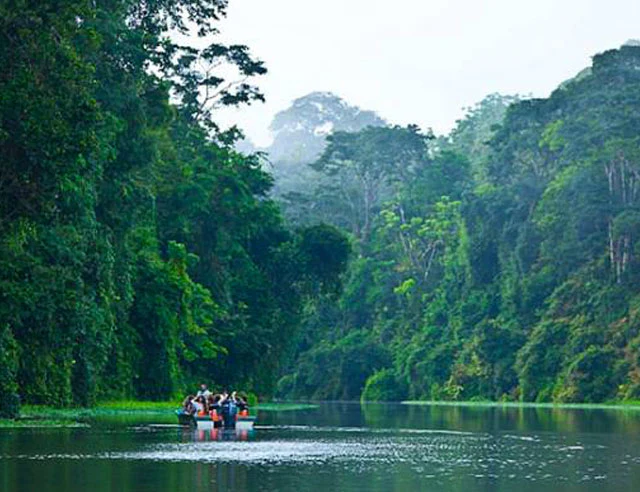
Corcovado National Park vs Manuel Antonio: Which Costa Rica National Park Should You Visit?
Choosing between Corcovado National Park vs Manuel Antonio is less about deciding…