An Honest Guide to Costa Rica’s Wildest National Park
Corcovado National Park has a reputation that borders on myth. It’s often described as one of the most biologically intense places on Earth — a remote rainforest on the Osa Peninsula where tapirs roam freely, scarlet macaws fill the sky, and jaguars still exist beyond the edges of the trail.
But is Corcovado actually worth the effort it takes to visit?
The honest answer: Yes — for the right traveler.
Corcovado is not easy. It’s hot, humid, physically demanding, and logistically structured. But for travelers seeking true wilderness and exceptional biodiversity, it often becomes the most powerful experience in Costa Rica.
Here’s what you need to know before deciding.
Overview: Where Is Corcovado?
Corcovado National Park sits on Costa Rica’s remote Osa Peninsula along the southern Pacific coast.
It protects:
- Over 164 square miles (424 km²) of rainforest
- Mangroves and river systems
- Remote Pacific beaches
- Primary lowland tropical forest
It is accessed primarily from:
- Drake Bay (northwest coast)
- Puerto Jiménez (east side, Golfo Dulce)
If you’re comparing these bases, see:
Corcovado is not roadside-accessible. It requires guided entry and advanced planning.
Biodiversity Density: What Makes Corcovado Special?
Corcovado protects roughly 2.5% of the world’s biodiversity within a relatively small area.
That density translates into real wildlife encounters.
You may see:
Mammals
- Baird’s tapirs
- White-lipped peccaries
- Four monkey species (howler, spider, capuchin, squirrel)
- Sloths
- Coatis
Rare but present:
- Puma
- Jaguar
Birds
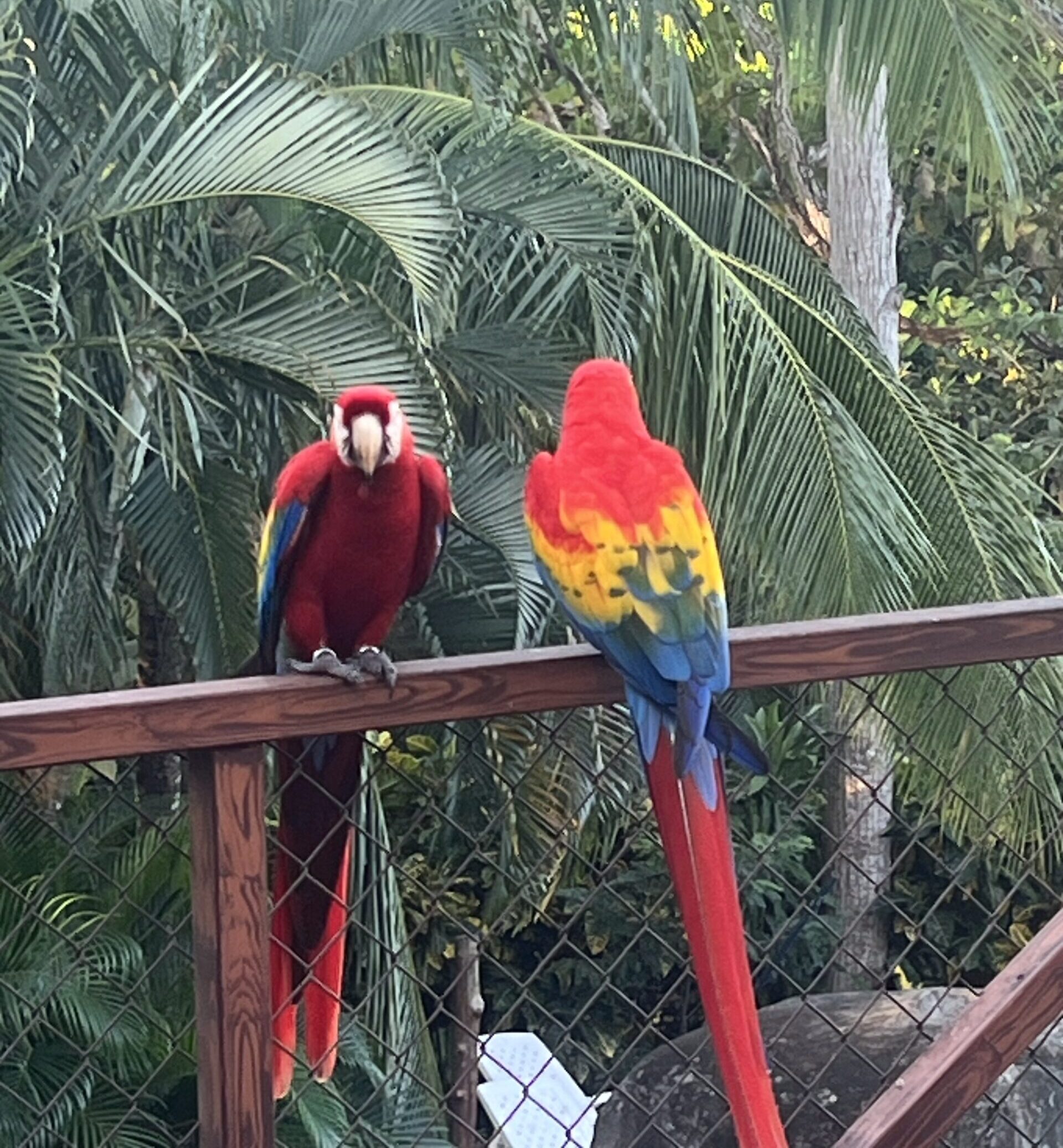
- Scarlet macaws
- Toucans
- Trogons
- Raptors
- Hundreds of resident and migratory species
Full wildlife breakdown here:
Unlike many national parks, wildlife here is not incidental — it’s central.
What Does It Take to Visit?
Corcovado requires:
- Advance permits
- A licensed guide
- Structured entry through ranger stations
- Physical readiness for heat and humidity
You cannot enter independently.
Full logistics guide:
How to Visit Corcovado National Park (Permits, Guides & Logistics)
This structure protects fragile ecosystems — but it also means planning.
Where to Stay: Comfort Levels Matter
Your accommodation choice shapes your experience.
Luxury Eco-Lodges (Drake Bay)
Ideal for travelers wanting:
- Guided packages included
- Boat access to Sirena Station
- Seamless coordination
Drake Bay pairs well with marine activities like snorkeling.
Explore options:
Best Luxury Eco-Lodges in Drake Bay
Hotels & Guesthouses (Puerto Jiménez)
Better for:
- Road access
- Flexible dining
- Budget options
- Longer trekking itineraries
Puerto Jiménez offers more infrastructure.
Sirena Ranger Station Overnight
For maximum immersion, consider an overnight stay at the Sirena Station in Corcovado National Park.
Guide here:
This is expedition-style lodging — simple but extraordinary for wildlife access.
Best Things to Do in Corcovado
Wildlife Hikes
Guided rainforest walks are the core experience. Different ranger stations offer different terrain and density.
Station guides:
Overnight Experiences
Staying inside the park allows:
- Sunrise wildlife activity
- Fewer visitors
- Extended immersion
Multi-Day Treks
Advanced hikers may enter via La Leona or Los Patos for longer expedition-style routes.
When Is It Worth Visiting?
Dry Season (December–April)
- Easier hiking conditions
- Calmer boat transfers
- Higher demand
- Ideal for first-time visitors
Green Season (May–November)
- Lush rainforest
- Fewer crowds
- Muddier trails
- Heavier rainfall (especially September–October)
Full timing guide:
Season strongly affects trail conditions.
Who Is Corcovado Best Suited For?
Corcovado is ideal for:
- Wildlife enthusiasts
- Birders
- Adventure travelers
- Photographers
- Nature-focused families with older children
- Travelers seeking meaningful immersion
It may not be ideal for:
- Travelers seeking comfort-first experiences
- Those sensitive to heat and humidity
- Visitors with limited time
- Anyone expecting guaranteed wildlife sightings.
Corcovado rewards patience, preparation, and physical readiness.
Is Corcovado Worth Visiting?
If you want:
- One of the most intact rainforests in Central America
- High wildlife density
- A guided, conservation-focused experience
- A defining Costa Rica memory
Yes — it is absolutely worth visiting.
If you prefer:
- Easy infrastructure
- Short walks
- Predictable comfort
- Low physical exertion
It may feel overwhelming.
Final Thoughts
Corcovado is not about convenience. It’s about access to something increasingly rare.
You wake early. You sweat. You listen to the forest. You watch a tapir emerge from the trees. You realize how intact this ecosystem still is.
Corcovado demands effort — logistical, physical, and mental.
But for travelers who value biodiversity, wild landscapes, and immersive nature experiences, it often becomes the moment that defines their entire Costa Rica journey.
And that is what makes it worth it.
Related Posts
Best Time to Visit Corcovado National Park
A Seasonal Guide to Costa Rica’s Wildest Rainforest Corcovado National…
Birdwatching in Corcovado National Park, Costa Rica
Birdwatching in Corcovado National Park is one of the most…
Corcovado National Park, Costa Rica
The Complete Guide to Visiting One of the Most Biodiverse…