Corcovado National Park has a reputation for being wild, remote, and intense — which naturally leads many travelers to ask:
Is Corcovado safe?
The short answer: Yes — when visited properly and with a licensed guide.
Corcovado is not dangerous in the way urban destinations can be. Crime inside the park is virtually nonexistent. However, it is a physically demanding, remote rainforest environment. Safety here is about preparation, weather awareness, respect for wildlife, and following regulations.
This guide explains what travelers need to know before visiting.
For a full park overview, see:
Overview: What Makes Corcovado Different
Corcovado sits on the remote Osa Peninsula in southern Costa Rica. It protects:
- Over 164 square miles (424 km²) of primary rainforest
- River systems and wetlands
- Remote Pacific coastline
- High-density wildlife habitat
Unlike many national parks:
- Independent entry is not allowed.
- A certified guide is mandatory.
- Permits are limited
- Infrastructure is minimal
This structure exists largely for safety and conservation.
Full logistics breakdown:
How to Visit Corcovado National Park
Park Regulations & Guided Access
One of the biggest safety features of Corcovado is that you cannot enter alone.
Licensed Guide Requirement
All visitors must:
- Enter with a certified guide.
- Follow designated trail systems.
- Respect park time limits
Guides are trained in:
- Wildlife behavior
- Trail navigation
- First-response protocols
- Environmental interpretation
This significantly reduces risk.
Crime & Personal Security
Corcovado is extremely safe from a crime perspective.
- No public vehicle access inside the park
- Limited visitor numbers
- Ranger presence at stations
- Remote environment
Most security considerations relate to environmental conditions — not crime.
Gateway towns like Drake Bay and Puerto Jiménez are generally safe, with typical travel precautions recommended.
Town comparison:
Wildlife Safety: What to Know
Corcovado protects large mammals and reptiles, including:
- Tapirs
- White-lipped peccaries
- Monkeys
- Snakes
- Crocodiles (in some waterways)
Wildlife guide:
Important Safety Principles
- Never approach wildlife
- Maintain distance
- Follow your guide’s instructions.
- Do not feed animals
- Do not swim in rivers.
Swimming in park rivers is prohibited due to wildlife and currents.
Big cats (jaguars, pumas) exist in the park but are extremely rare to encounter.
Environmental & Physical Risks
Corcovado’s main safety considerations are environmental.
Heat & Humidity
The park is:
- Hot year-round
- Extremely humid
- Physically demanding
Dehydration is the most common issue.
Bring:
- Refillable water bottle
- Electrolytes
- Lightweight breathable clothing
Trail Conditions
Trails may include:
- Mud
- Uneven terrain
- Roots and slippery surfaces
- River crossings (depending on entrance)
Good hiking footwear is essential.
River Crossings
Some entry routes, especially from the Puerto Jiménez side, may involve:
- Tidal beach walking
- Stream crossings
- Muddy terrain
These are managed by guides and scheduled around tide charts.
Boat Transfers (Drake Bay Access)
If entering via Drake Bay:
- Expect open-ocean boat transfers.
- Beach landings may require stepping into shallow surf.
Rough seas can occur during the rainy season.
Entry guide:
Seasonal Risks
Corcovado has two primary seasons.
Dry Season (December–April)
- Easier trail conditions
- Lower rainfall
- More predictable access
- Higher visitor numbers
Generally, the safest and most stable option is for first-time visitors.
Rainy Season (May–November)
- Heavier rainfall
- Muddier trails
- Higher rivers
- Possible temporary closures
September and October are typically the wettest months.
Full seasonal guide:
Weather-related flexibility is important during the green season.
Where to Stay Safely Near the Park
Choosing reputable accommodations helps ensure smooth logistics.
Drake Bay
- Organized eco-lodges
- Coordinated guided tours
- Reliable boat operators
Often preferred for first-time visitors.
Puerto Jiménez
- Road access
- More infrastructure
- Easier emergency access if needed
Both towns offer safe lodging options when booked through reputable operators.
Health Considerations
Corcovado is remote.
Travelers should:
- Carry personal medications
- Have travel insurance
- Inform guides of medical conditions.
- Be honest about physical limitations.
Medical facilities are limited in gateway towns; major hospitals are several hours away.
Is Corcovado Safe for Families?
Corcovado can be safe for families with:
- Older children
- Good physical stamina
- Realistic expectations
It is not recommended for:
- Toddlers
- Visitors with mobility challenges
- Travelers are uncomfortable with heat and humidity
Final Answer: Is Corcovado Safe?
Yes — Corcovado is safe when visited properly.
It is:
- Structured
- Guide-controlled
- Well regulated
- Monitored by rangers
The risks are environmental, not criminal.
With proper preparation, hydration, realistic expectations, and respect for wildlife and weather, Corcovado is not only safe — it is one of the most rewarding wilderness experiences in Costa Rica.
The key is preparation, not fear.
Plan carefully. Choose the right season. Follow your guide.
And let the rainforest do the rest.
Related Posts
Corcovado National Park for First-Time Visitors
What You Need to Know Before Stepping Into Costa Rica’s…
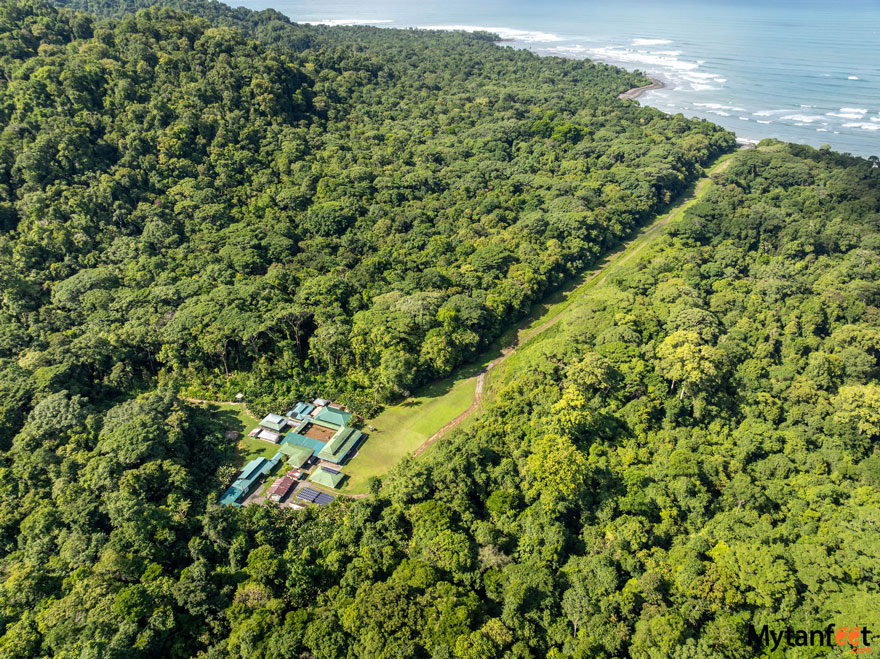
Corcovado National Park for Serious Hikers
Multi-Day Routes, Remote Ranger Stations & What to Expect on…
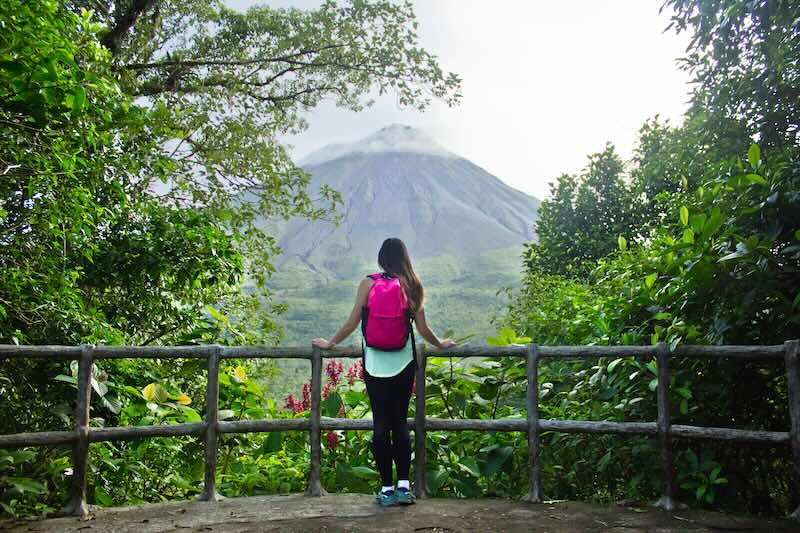
Hiking in Corcovado National Park
Hiking in Corcovado National Park is one of the most unforgettable…