Multi-Day Routes, Remote Ranger Stations & What to Expect on the Osa Peninsula
Corcovado National Park is often described as Costa Rica’s wildest protected area — but for serious hikers, it’s more than a wildlife destination. It’s one of the country’s most demanding and rewarding multi-day trekking environments.
If you’re looking for long coastal stretches, humid primary rainforest, river crossings, and expedition-style logistics, Corcovado delivers.
This guide is designed for experienced hikers planning multi-day routes in Corcovado National Park, with a focus on trail difficulty, connections to ranger stations, seasonal conditions, and preparation.
For a full park overview, start here:
Overview: The Terrain of Corcovado
Located on the Osa Peninsula, Corcovado spans:
- Lowland primary rainforest
- Coastal beaches
- River valleys
- Foothill terrain near Los Patos
Unlike many national parks, Corcovado has:
- No paved trails
- No vehicle access
- Mandatory licensed guides
- Limited daily permits
Planning logistics is essential:
How to Visit Corcovado National Park
This is backcountry hiking in a tropical environment.
Trail Difficulty: What Serious Hikers Should Expect
Corcovado’s difficulty comes from the environment more than elevation.
Expect:
- High humidity year-round
- Temperatures often above 85°F (30°C)
- Muddy terrain
- River and stream crossings
- Long exposed beach sections
- Carrying personal gear between stations
Distances can appear moderate on paper but feel demanding in practice due to heat and footing conditions.
Hydration, pacing, and proper footwear are critical.
Best Multi-Day Routes Between Ranger Stations
Corcovado’s most serious hiking routes connect ranger stations.
La Leona to Sirena (Coastal Route)
One of the most popular multi-day treks.
- Accessed from the Puerto Jiménez side
- Coastal and rainforest terrain
- Tide-dependent beach sections
- River crossings
- Moderate-to-challenging difficulty
Ideal for experienced hikers comfortable with variable terrain.
Overnight typically at Sirena:
Los Patos to Sirena (Interior Route)
More remote and physically demanding.
- Mountainous entry
- Less crowded
- Interior rainforest focus
- Advanced-level route
This route is better suited for strong hikers accustomed to humidity and sustained effort.
Sirena to La Leona (Extended Traverse)
Multi-day option linking major stations.
- Significant mileage
- Full rainforest immersion
- Wildlife density increases near Sirena
Wildlife overview:
Where to Stay for Multi-Day Hikes
Serious hikers typically base themselves in:
Puerto Jiménez
Best for:
- Access to La Leona
- Access to Los Patos
- Easier road logistics
- Flexible resupply before and after
Comparison guide:
Puerto Jiménez is the preferred gateway for overland trekking routes.
Drake Bay
Better for:
- Boat access to Sirena
- Combining hikes with marine activities
- Shorter treks
Less common for full overland multi-day traverses.
What Makes Corcovado Unique for Hikers
Unlike high-elevation mountain treks, Corcovado challenges hikers with:
- Relentless humidity
- Tropical heat
- Dense vegetation
- Limited airflow in the forest canopy
- Unpredictable rain
The experience is immersive rather than panoramic. Trails are enclosed by rainforest, with occasional coastal openings.
The reward is ecological intensity, not sweeping mountain views.
Seasonal Hiking Conditions
Season dramatically affects trail difficulty.
Dry Season (December–April)
Best for serious hiking.
- More stable trails
- Lower river levels
- Easier beach crossings
- Higher demand for permits
This is the safest and most predictable time for multi-day routes.
Seasonal overview:
Rainy Season (May–November)
Expect:
- Deep mud
- Higher river crossings
- Slippery roots and inclines
- Increased insect activity
- Occasional temporary route closures
September and October are the wettest months and can significantly complicate multi-day hiking.
Physical & Safety Considerations
Corcovado is remote.
Serious hikers should:
- Train for sustained humidity
- Pack light but adequately.
- Bring proper footwear with a strong grip.
- Carry electrolytes
- Follow the guide instructions precisely.
All hikers must enter with a licensed guide.
Safety overview:
Emergency response times are longer due to remoteness.
Who Corcovado Is Best For (Hiking Perspective)
Corcovado is ideal for:
- Experienced hikers
- Adventure travelers
- Wildlife-focused trekkers
- Travelers are comfortable with expedition-style logistics
- Those seeking minimal infrastructure
It is not ideal for:
- Casual walkers
- Travelers seeking scenic overlooks
- Those uncomfortable with heat or insects
Final Thoughts
For serious hikers, Corcovado National Park is not about summiting peaks — it’s about endurance in a living ecosystem.
You hike through primary rainforest where tapirs leave tracks in the mud. You time coastal sections with tide charts. You move carefully over roots and across rivers while scarlet macaws call overhead.
The difficulty here is environmental, not technical.
And for hikers who value raw wilderness over convenience, Corcovado offers one of the most authentic backcountry experiences in Costa Rica.
Plan carefully. Choose the right season. Respect the terrain.
And be prepared for a trek defined not by altitude — but by immersion.
Related Posts
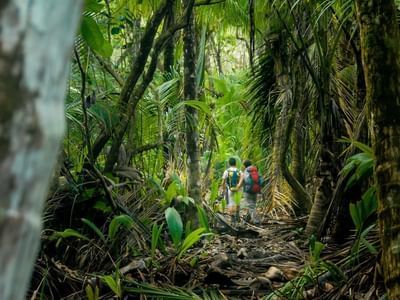
Overnight vs Day Trip to Corcovado: Which Is Better?
Corcovado National Park is one of the most biologically intense…
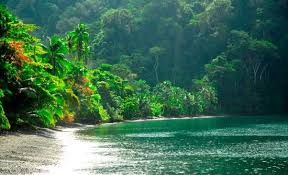
Corcovado National Park for First-Time Visitors
What You Need to Know Before Stepping Into Costa Rica’s…
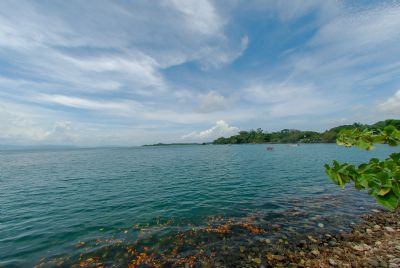
Puerto Jiménez or Drake Bay: Which Is Better for Corcovado?
Puerto Jiménez or Drake Bay is one of the biggest decisions…