Golfo Dulce sport fishing offers one of the most diverse angling experiences in southern Costa Rica, combining calm inshore waters with direct access to offshore Pacific species.
Golfo Dulce is often celebrated for its dolphin sightings and kayaking. Still, for anglers, it offers something equally compelling: one of the most diverse sport-fishing environments in southern Costa Rica.
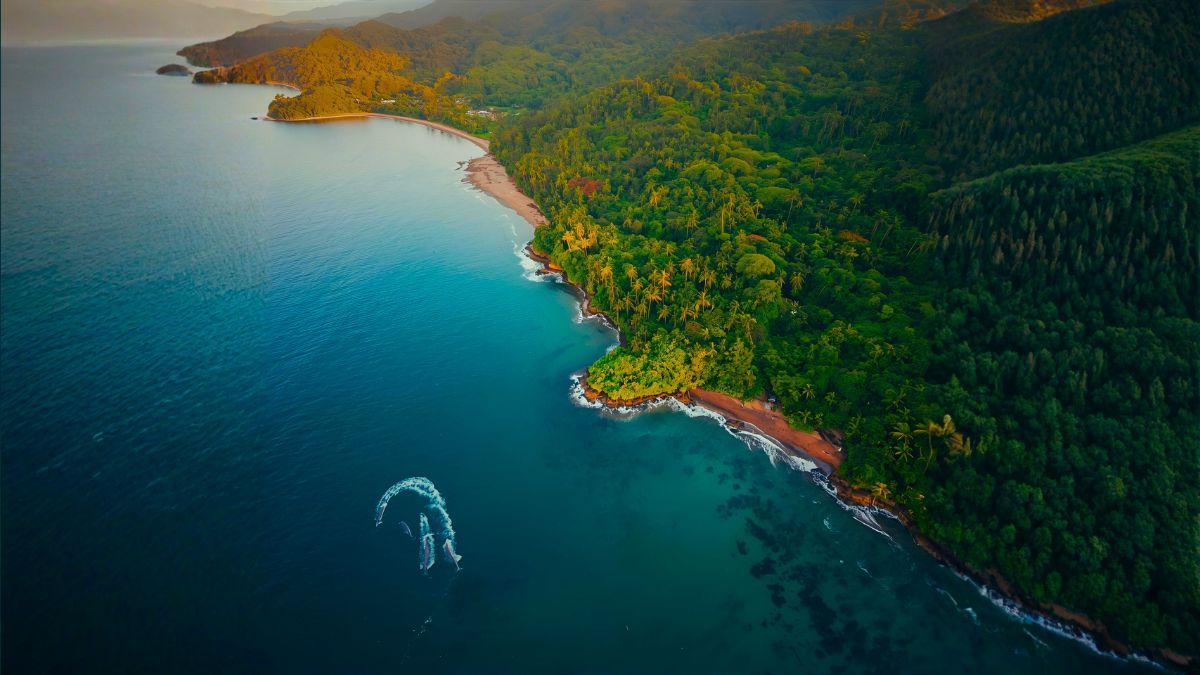
Because Golfo Dulce is a rare tropical fjord-like ecosystem — deep, nutrient-rich, and partially enclosed — it supports both calm inshore fishing and access to open Pacific offshore species within striking distance.
One reason Golfo Dulce sport fishing is so unique is the combination of calm inshore waters and nearby offshore Pacific currents.
If you’re researching fishing in Golfo Dulce, Costa Rica, this guide breaks down inshore vs offshore opportunities, seasonal considerations, where to stay, and what to expect.
For a full regional overview, start here:
Why Golfo Dulce Sport Fishing Is Unique
Golfo Dulce is not an open coastline. It is:
- Deep (over 200 meters in the inner basin)
- Sheltered from heavy Pacific surf
- Nutrient-rich due to limited water exchange
- Framed by rainforest and mangroves
This structure creates an unusually productive marine environment.
Marine ecosystem overview:
Why Golfo Dulce Is One of the Only Tropical Fjords in the World
Because of this geography, anglers can choose between calm-water inshore fishing and offshore runs into Pacific currents.
Inshore Fishing in Golfo Dulce
What Is Inshore Fishing Here?
Inshore trips remain within the protected waters of the gulf or just near its mouth.
These trips typically:
- Last 4–6 hours
- Run close to the structure and mangroves.
- Stay in calmer water.
- They are suitable for families and less experienced anglers.
Common Inshore Species
- Roosterfish
- Snapper
- Jack crevalle
- Grouper
- Mackerel
Roosterfish are often the highlight for sport anglers visiting the region.
Inshore fishing is particularly attractive because:
- Waters are generally calmer than the open Pacific.
- Travel time to the fishing grounds is shorter.
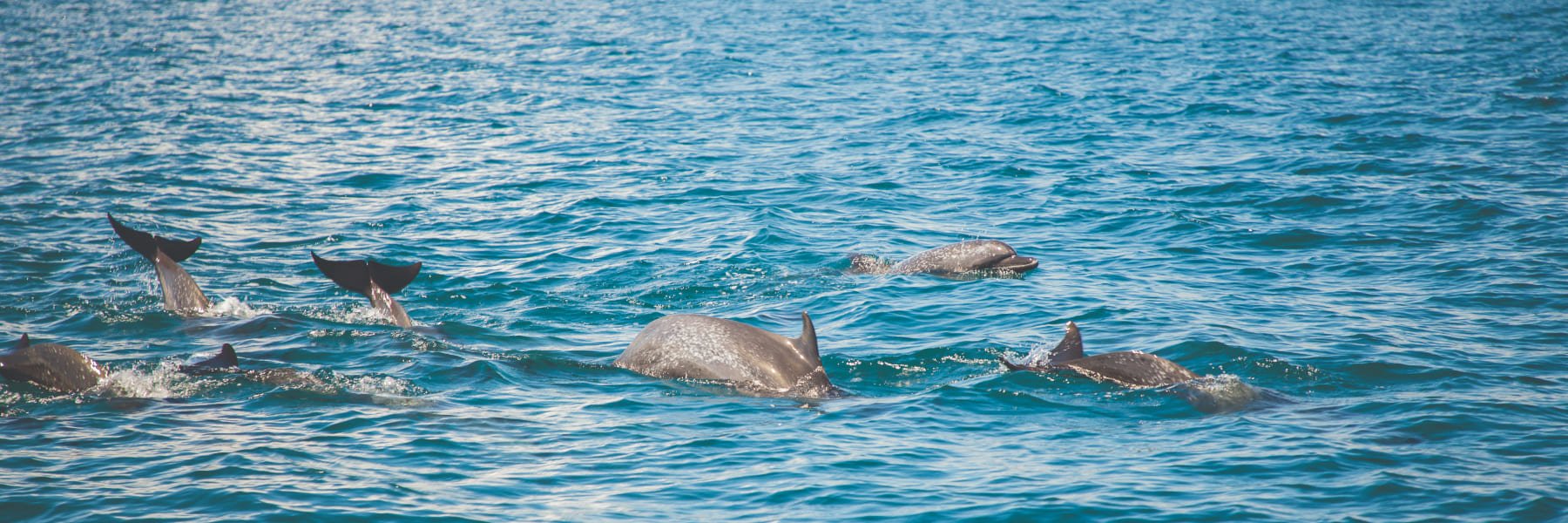
- Wildlife encounters (dolphins, seabirds) are common.
Dolphin overview:
Dolphin Watching in Golfo Dulce
Offshore Fishing from Golfo Dulce
What Is Offshore Fishing Here?
Offshore trips leave the Gulf through its southern entrance and head into deeper Pacific waters.
These trips usually:
- Last a full day (8+ hours)
- Require stronger sea conditions.
- Cover more distance
- Target larger pelagic species.
Common Offshore Species
- Yellowfin tuna
- Dorado (mahi-mahi)
- Sailfish (seasonal)
- Marlin (occasional)
Offshore fishing requires:
- Calm weather windows
- Experienced captains
- Early departures
Because Golfo Dulce is relatively close to productive Pacific currents, offshore grounds are reachable without the long runs required in some other regions. One reason Golfo Dulce sport fishing is so unique is the combination of calm inshore waters and nearby offshore Pacific currents.
Where to Stay Near Marinas
Fishing logistics depend on where you’re based.
Puerto Jiménez
Puerto Jiménez is the most common departure point for fishing charters.
Advantages:
- Marina access
- Charter operators
- Range of boutique hotels and cabins
- Practical infrastructure
Travel guide:
Golfito
Golfito also offers marina facilities and sportfishing operations.
Golfito has slightly more developed port infrastructure.
Eco-Lodges Along Golfo Dulce
Some high-end lodges arrange private or guided fishing trips.
Lodge overview:
Best Eco-Lodges in Golfo Dulce
These are ideal for affluent travelers combining fishing with wildlife immersion.
Best Seasons for Golfo Dulce Sport Fishing
Fishing is possible year-round, but species vary by season.
Dry Season (December–April)
- More stable ocean conditions
- Easier offshore runs
- Strong inshore activity
- Peak travel season
This is generally the most predictable season for first-time fishing visitors.
Seasonal overview:
Best Time to Visit Golfo Dulce
Green Season (May–November)
- Fewer boats on the water
- Strong tuna activity mid-year
- Afternoon rain common
- Offshore trips are more weather-dependent
September and October are the rainiest months and may limit offshore opportunities.
However, inshore fishing often remains productive.
Golfo Dulce Sport Fishing Conditions
Inside the Gulf
- Generally calmer waters
- Minimal swell
- Suitable for less experienced anglers
- More consistent comfort
Outside the Gulf (Pacific Side)
- Swells possible
- Weather-dependent
- More physical ride
- Requires flexibility
Even though Golfo Dulce is sheltered, offshore fishing still depends on Pacific conditions.
Always confirm with licensed operators who prioritize:
- Safety
- Weather monitoring
- Ethical catch-and-release practices
Inshore vs Offshore: Which Should You Choose?
Choose Inshore If:
- You prefer calmer water.
- You are traveling with family.
- You want shorter trips.
- You’re targeting roosterfish or snapper.
- You value wildlife sightings along the way.
Choose Offshore If:
- You’re an experienced angler.
- You want pelagic species like tuna or sailfish.
- You’re comfortable with open ocean conditions.
- You have a full day available.
Many visitors combine both over multiple days.
Who is best suited for fishing in Golfo Dulce?
Ideal for:
- Sportfishing enthusiasts
- Families want calmer waters.
- Baby Boomers seeking lower-impact fishing
- Wildlife-minded travelers
- Independent anglers
Less ideal for:
- Tournament-focused fishing trips
- Travelers expecting luxury marina resorts.
- Those uncomfortable with small-boat excursions
Honest regional evaluation:
Is Golfo Dulce Worth Visiting?
Final Thoughts
Fishing in Golfo Dulce offers something rare:
The ability to cast a line in one of the world’s only tropical fjords, surrounded by rainforest, dolphins surfacing nearby, and macaws flying overhead.
Inshore fishing provides calm, scenic sport.
Offshore fishing offers an open Pacific challenge.
Both exist within a single, unique ecosystem — one that blends marine productivity with ecological integrity.
For travelers seeking authenticity and biodiversity, Golfo Dulce sport fishing delivers a very different experience from larger marina destinations.
Related Posts
Is Golfo Dulce Worth Visiting? An Honest Guide
Is Golfo Dulce worth visiting? For travelers seeking rainforest, marine…
Bioluminescence in Golfo Dulce: When & Where to See It
Bioluminescence in Golfo Dulce occasionally transforms the calm tropical waters…
Kayaking in Golfo Dulce: Dolphin Watching from Puerto Jiménez
Kayaking in Golfo Dulce offers one of the calmest and most…