If you plan trips around wildlife, ecosystems, and conservation rather than nightlife or resort amenities, Golfo Dulce deserves serious attention.
This remote gulf on Costa Rica’s southern Pacific coast feels very different from the country’s more developed beach destinations. There are no long rows of resorts, crowded promenades, or heavily managed wildlife encounters. Instead, rainforest reaches toward the water, dolphins move through the gulf, scarlet macaws cross the shoreline, and seasonal humpback whales enter its protected waters.
For many travelers, that lack of polish is part of the appeal.
Golfo Dulce nature travel is not about moving quickly between famous attractions. It is about spending enough time in one place to understand how marine life, mangroves, rainforest, rivers, and coastal communities depend on one another.
If you want predictable entertainment, the region may feel too quiet. However, if you value patient observation and low-impact experiences, Golfo Dulce can be one of the most meaningful places to visit in Costa Rica.
Why Golfo Dulce Nature Travel Is Different
Golfo Dulce is more than a scenic body of water beside the Osa Peninsula. It is a deep, sheltered gulf with unusual marine conditions and limited exchange with the open Pacific.
Rainforest-covered hills surround much of the coastline. Rivers carry water and nutrients into the gulf, while mangroves protect nursery areas for fish, birds, reptiles, and smaller marine species.
Because these environments remain closely connected, wildlife experiences are not limited to the water.
A morning boat trip may include dolphins, sea turtles, and coastal birds. Later that day, a rainforest walk could reveal monkeys, toucans, frogs, or scarlet macaws. In the evening, the same traveler might hear howler monkeys from a lodge overlooking the gulf.
This overlap between marine and terrestrial ecosystems is what makes the region so compelling.
A Wilderness That Has Not Been Fully Curated
Many nature destinations make wildlife easier to consume. Visitors follow elevated walkways, join tightly scheduled tours, and move through places designed for short stays.
Golfo Dulce is less controlled.
Weather can change quickly. Animals move according to food, tides, currents, rain, and seasonal patterns. Roads become slower during the green season, and some remote properties depend on boats or unpaved access routes.
As a result, not every excursion produces a dramatic sighting.
A dolphin tour may involve a long period of quiet observation before a pod appears. A whale-watching trip may produce a few distant blows rather than a close encounter. A rainforest hike may reveal more sounds and tracks than large mammals.
For serious nature travelers, this uncertainty is not a failure. It is part of visiting a living ecosystem rather than a staged attraction.
Marine Wildlife in Golfo Dulce
Dolphins are among the most frequently discussed animals in the region.
Bottlenose dolphins and pantropical spotted dolphins may be found in the gulf, although their location changes throughout the day. Water temperature, prey movement, tides, and boat traffic all influence where they appear.
A responsible tour does not chase them.
Good captains approach slowly, keep a respectful distance, and allow the animals to choose whether to remain nearby. They do not cut across a pod, surround it with several boats, or pressure guests to enter the water.
This may result in a quieter experience, but it is also a more ethical one.
The best guides explain what the dolphins are doing, how they communicate, and why certain areas of the gulf matter to them. That context often becomes more memorable than a brief close-up photograph.
Seasonal Humpback Whales
Humpback whales visit Costa Rica’s southern Pacific waters during seasonal migration periods.
Some enter the sheltered areas around Golfo Dulce, where mothers and calves may find calmer conditions. However, their presence changes from year to year, and no operator should guarantee a sighting.
When whales are present, visitors may see blows, tail flukes, breaching, or mothers traveling with calves. Even so, respectful observation is essential.
Boats should reduce speed, avoid blocking the whales’ path, and never separate mothers from calves. If several vessels are already nearby, responsible captains should wait or move to another area.
For conservation-minded travelers, the quality of the encounter matters more than how close the boat gets.
Kayaking Through Mangroves and Quiet Coastline
Kayaking is one of the best ways to explore Golfo Dulce without adding engine noise to the environment.
The slow pace makes it easier to notice birds, rays, fish, and movement along the shoreline. It also allows travelers to enter calm mangrove channels that larger boats cannot reach.
Early morning is usually the best time to paddle. The water is often calmer, the temperature is more comfortable, and bird activity is stronger.
As you move beside the mangroves, you may see kingfishers, herons, crabs, monkeys, or fish moving among the roots. Occasionally, dolphins may surface farther out in the gulf.
Even experienced kayakers should consider going with a local guide. Tides, weather, and afternoon winds can change conditions quickly, particularly during the rainy season.
Why Mangroves Matter
Mangroves are easy to overlook because they do not offer the same immediate drama as whales or dolphins.
However, they are among the most important ecosystems in the region.
Their roots create shelter for juvenile fish and other marine organisms. They help stabilize the shoreline, trap sediment, and provide feeding areas for birds, reptiles, and mammals.
A guided mangrove tour can reveal how much life exists in a place that may initially appear still.
The value of the experience depends heavily on the guide. Someone with local ecological knowledge can explain the relationship between tides, roots, fish nurseries, and bird behavior. Without that context, travelers may pass through without understanding what they are seeing.
For serious nature lovers, mangroves are not a secondary stop. They are central to understanding Golfo Dulce.
Rainforest Along the Gulf
The forest surrounding Golfo Dulce is just as important as the marine environment.
Parts of the coastline connect with larger biological corridors associated with the Osa Peninsula, Corcovado National Park, Piedras Blancas National Park, and private reserves.
These forests provide habitat for scarlet macaws, monkeys, sloths, anteaters, coatis, toucans, frogs, reptiles, and countless insects.
Some eco-lodges protect forest directly around their properties. Others support reforestation, wildlife research, or local conservation projects.
Staying in one of these properties can turn the lodge itself into a wildlife experience. You may hear howler monkeys before breakfast, watch macaws from a terrace, or join a guided night walk without leaving the reserve.
A private reserve does not replace Corcovado. Still, it can offer smaller groups, quieter trails, and more time to observe.
Birdwatching Around Golfo Dulce
The meeting of rainforest, mangroves, rivers, shoreline, and open water creates excellent birding conditions.
Scarlet macaws are the most visible symbol of the region, but they are only part of the story.
Toucans, trogons, tanagers, woodpeckers, hummingbirds, raptors, kingfishers, herons, and coastal birds all use different habitats around the gulf.
Early morning remains the strongest time for birdwatching. Cooler temperatures and feeding activity usually make birds easier to locate.
General wildlife tours can be rewarding, but dedicated birders should request a specialist guide. A strong birding guide identifies calls, understands habitat preferences, and knows when to wait instead of constantly moving.
That patience often produces better sightings.
Bioluminescence After Dark
On certain nights, movement in the water may cause tiny organisms to produce flashes of light.
Darkness, water conditions, moonlight, and plankton concentration influence bioluminescence. Therefore, it should never be treated as a guaranteed attraction.
When conditions are right, however, the experience can be extraordinary.
A paddle may leave a brief trail of light. Fish moving below the surface may create sudden flashes. Even a hand passing through the water can produce a faint glow.
The most responsible tours keep groups small and reduce unnecessary light and noise.
Because the phenomenon depends on natural conditions, honest operators should explain when the chances are low rather than selling certainty.
Responsible Fishing in Golfo Dulce
Fishing remains an important part of life around Golfo Dulce.
Local captains depend on the water for their livelihoods, and well-managed sportfishing can support coastal communities. However, conservation practices vary, so travelers should ask questions before booking.
A responsible operator should clearly explain which species are released, how fish are handled, and what equipment is used. Fish intended for release should spend as little time out of the water as possible.
Roosterfish, billfish, and other sport species require careful handling. Dramatic photographs should never take priority over the animal’s survival.
Travelers interested in fishing can support better practices by choosing captains who value the long-term health of the gulf.
Conservation Is Part of the Travel Experience
Golfo Dulce remains relatively undeveloped, but it is not untouched.
The region faces pressure from pollution, habitat loss, unsustainable fishing, boat disturbance, and poorly planned coastal development. Climate change also affects water temperature, rainfall, species movement, and marine conditions.
Local conservation work may include mangrove protection, reforestation, wildlife monitoring, environmental education, sea turtle programs, and sustainable fishing initiatives.
Some lodges contribute directly to these efforts. Others protect private reserves or employ naturalist guides from nearby communities.
Travelers influence the region through where they stay, which tours they book, and how they behave.
Choosing a smaller local operator may keep more tourism income within the community. Staying at a lodge that protects land can help fund conservation. Hiring a knowledgeable guide also supports the people who understand the ecosystem most deeply.
In Golfo Dulce, responsible tourism is not abstract. It can have a direct local effect.
How to Choose a Genuine Eco-Lodge
The word “eco” appears everywhere in tourism marketing.
A remote location and a few solar panels do not automatically make a property sustainable.
Before booking, look at how the lodge actually operates. Strong properties should be able to explain how they manage energy, water, waste, and wastewater. They should also describe how they work with local staff, guides, farmers, and conservation groups.
Guest capacity matters as well.
A small property does not guarantee responsible practices, but limiting the number of guests can reduce pressure on trails, wildlife, water systems, and nearby communities.
It is also worth asking how wildlife tours are conducted. A lodge that promotes close interactions, feeding, or handling animals should raise concerns.
Good eco-lodges do not simply use nature as scenery. They take responsibility for protecting it.
Where to Stay Around Golfo Dulce
Puerto Jiménez is the most practical base for independent travelers.
The town provides restaurants, grocery stores, transportation, boat departures, and access to tours. It also offers convenient connections to Corcovado National Park and other parts of the Osa Peninsula.
For travelers who prefer greater immersion, remote eco-lodges can provide meals, guided activities, and direct access to forest or coastline.
These properties often work best for stays of several nights. Because transportation may involve boats or unpaved roads, moving in and out every day is not always practical.
The mainland side of the gulf offers another option. Properties near Piedras Blancas and surrounding forest areas may suit travelers combining Golfo Dulce with a broader southern Costa Rica itinerary.
The best base depends on how independent you want to be and how much time you plan to spend at the property itself.
The Best Season for Nature Travel
Golfo Dulce can be visited year-round, but the experience changes between the dry and green seasons.
From December through April, lower rainfall generally makes roads and boat travel easier. This period works well for first-time visitors and travelers with limited schedule flexibility.
However, it is also the busiest season. Popular lodges, guides, and tours may fill early, and more boats may be operating on the water.
From May through November, the rainforest becomes greener, and visitor numbers usually decline. Amphibian activity increases, rivers carry more water, and the region often feels more intense biologically.
Rain usually becomes more likely in the afternoon, so tours often begin early.
September and October can bring especially heavy rainfall. Remote roads may become difficult, and some lodges reduce services or close temporarily.
The green season can be deeply rewarding, but it requires more flexibility.
How to Travel Responsibly in Golfo Dulce
Responsible travel here is mostly about restraint.
Do not ask captains to move closer to whales or dolphins. Do not feed monkeys, birds, or coatis. Avoid handling frogs, reptiles, or marine life for photographs.
Bring reusable water containers and reduce single-use plastic whenever possible. Sun-protective clothing can also reduce the amount of sunscreen entering the water.
Noise matters too.
Loud music, shouting, and repeated wildlife calls can disturb animals and reduce the quality of the experience for everyone.
The best nature travelers understand that seeing less can sometimes mean observing better.
Who Will Appreciate Golfo Dulce Most?
Golfo Dulce is especially rewarding for travelers who enjoy learning as much as seeing.
Birdwatchers, marine ecology enthusiasts, wildlife photographers, and conservation-minded visitors usually find enough variety to remain engaged for several days.
It also suits travelers who value privacy and quiet over status or entertainment.
However, the region is not ideal for everyone.
Visitors expecting large resorts, nightlife, shopping, or guaranteed wildlife encounters may prefer a more developed destination. Heat, humidity, rain, insects, and changing plans are part of travel here.
For the right person, these are not disadvantages. They are reminders that the landscape still functions on its own terms.
How Long Should You Stay?
Three nights provide only an introduction.
Four or five nights allow enough time to explore the water, rainforest, and mangroves without rushing. A longer stay also creates flexibility if rain changes a boat tour or wildlife remains quiet one morning.
A well-paced visit might include a marine excursion, a guided rainforest walk, a kayak trip, and one evening experience such as a night hike or bioluminescence tour.
More importantly, leave space in the itinerary.
Some of the best moments in Golfo Dulce happen when you are not moving between scheduled activities.
Final Thoughts
Golfo Dulce is not a curated wilderness.
It is a functioning one.
Dolphins move through the gulf without following a tour schedule. Humpback whales arrive seasonally. Mangroves protect young marine life, while rainforest corridors support macaws, monkeys, and countless smaller species.
The region rewards travelers who slow down and pay attention.
You may spend a quiet morning kayaking beside mangrove roots, hear scarlet macaws before seeing them, and watch dolphins surface far from the boat. Later, rain may move across the forest while frogs begin calling after dark.
None of this can be perfectly planned.
That is what makes Golfo Dulce nature travel so valuable.
For serious wildlife lovers, the gulf is not simply another scenic destination. It is a place to understand how marine life, rainforest, conservation, and local communities remain connected—and why thoughtful tourism matters to their future.
Related Posts
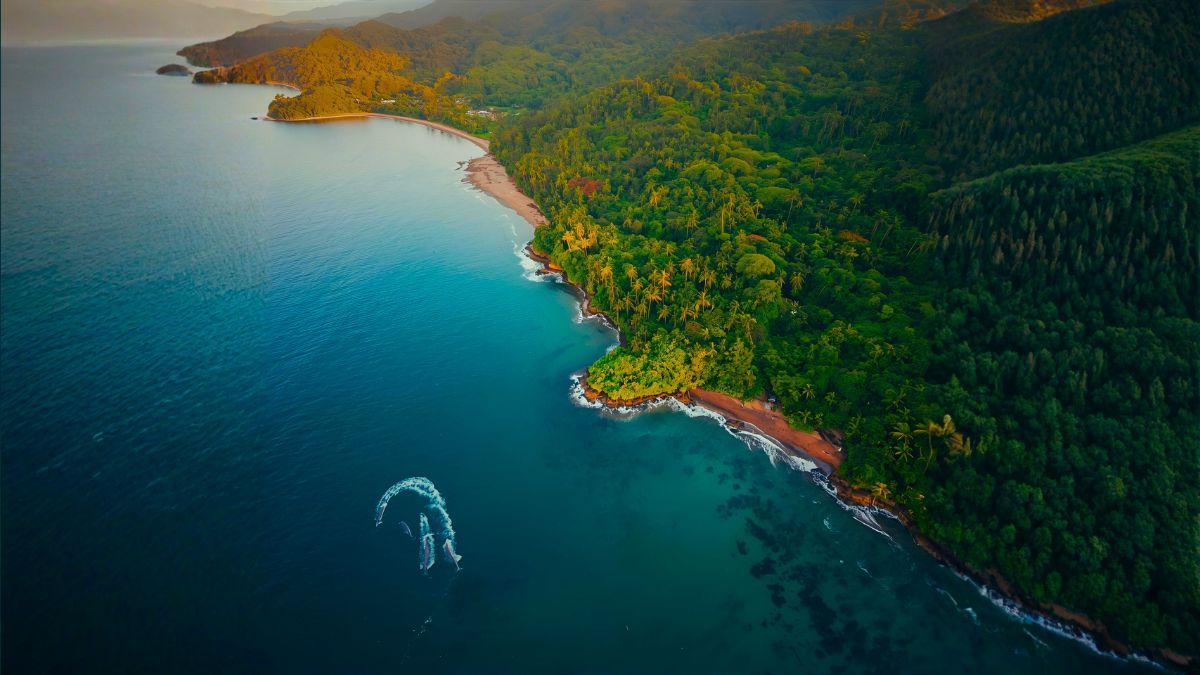
Dolphin Watching in Golfo Dulce: One of Costa Rica’s Best Marine Wildlife Experiences
While Costa Rica is internationally known for humpback whale watching,…
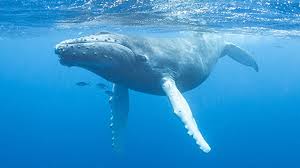
Whale Watching in Golfo Dulce: Best Migration Seasons
A Complete Guide to Seeing Humpback Whales on Costa Rica’s…
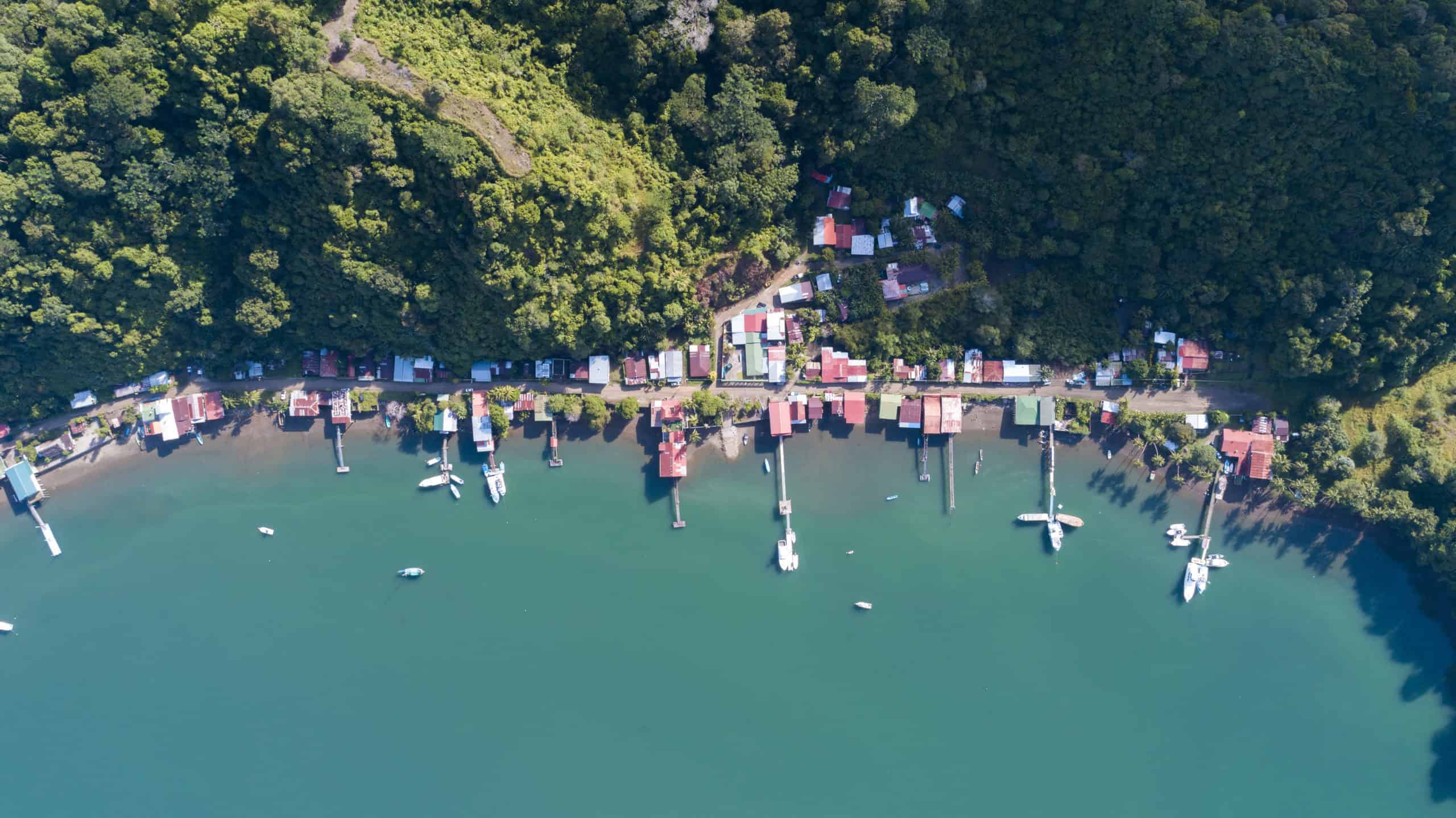
Things to Do Around Golfo Dulce
Golfo Dulce is one of Costa Rica’s most remarkable natural…